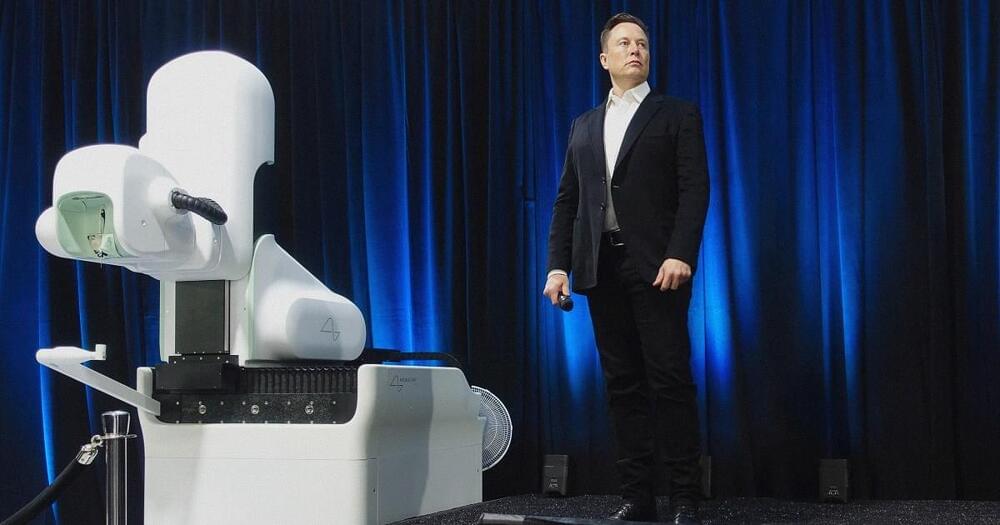
In a future with more ‘mind reading,’ thanks to computer-brain interfaces, we may need to rethink freedom of thought.
Get the latest international news and world events from around the world.

Swarm of nanorobots can remove tiny plastic fragments from water
In just 2 hours, small metal robots can capture most nanoscopic plastic particles from a sample of water.
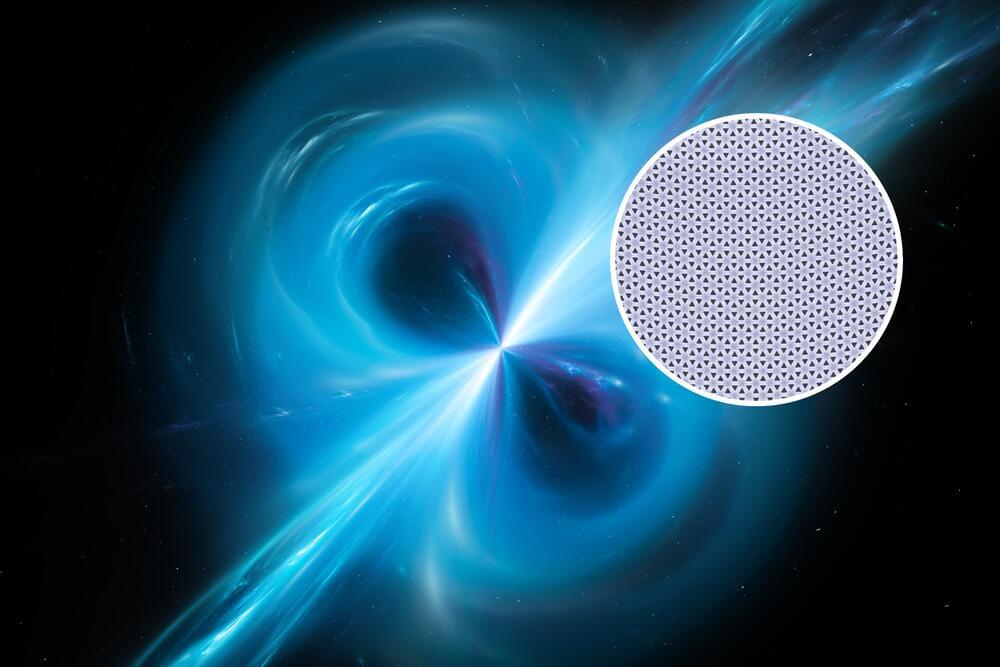
Light brought ‘to a halt’ in quantum breakthrough
The bizarre feat can be achieved in special, two-dimensional crystals by deforming them only slightly, a new study discovered.
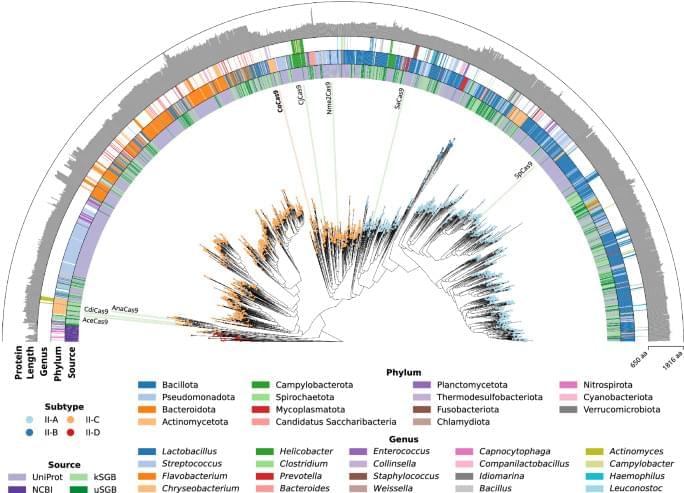
CoCas9 is a compact nuclease from the human microbiome for efficient and precise genome editing
Cas9 nucleases hold clinical significance for genome editing therapies. Here the authors characterize CoCas9, a compact, efficient and precise Cas9 from the human microbiome, and show that delivery via AAV vectors enables efficient editing in the mouse retina, expanding the genome editing toolbox.

New method of measuring qubits promises ease of scalability in a microscopic package
Scaling up qubit counts in quantum computers is at the core of achieving quantum supremacy.
Among the troublesome hurdles of this scaling-up race is refining how qubits are measured. Devices called parametric amplifiers are traditionally used to do these measurements. But as the name suggests, the device amplifies weak signals picked up from the qubits to conduct the readout, which causes unwanted noise and can lead to decoherence of the qubits if not protected by additional large components. More importantly, the bulky size of the amplification chain becomes technically challenging to work around as qubit counts increase in size-limited refrigerators.
Cue the Aalto University research group Quantum Computing and Devices (QCD). They have a hefty track record of showing how thermal bolometers can be used as ultrasensitive detectors, and they just demonstrated in an April 10 Nature Electronics paper that bolometer measurements can be accurate enough for single-shot qubit readout.
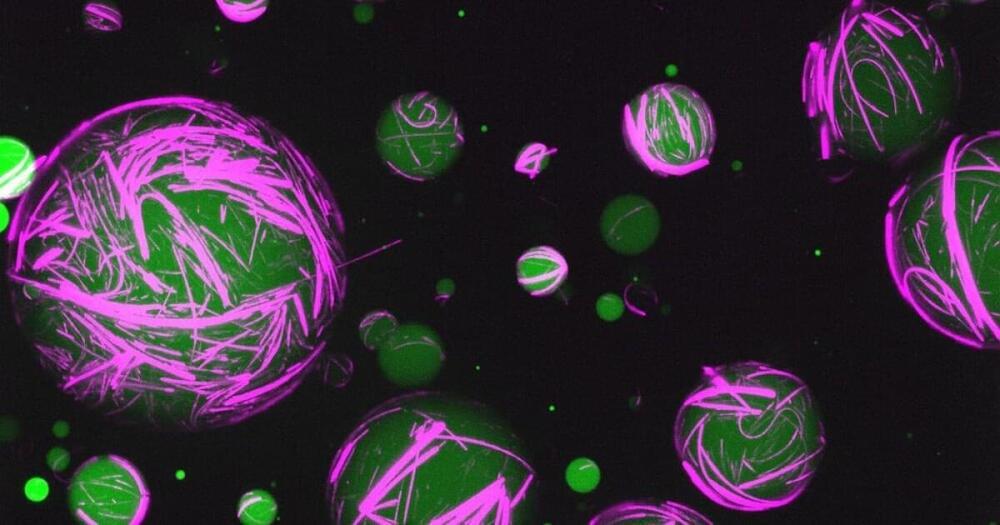
Self-assembling synthetic cells act like living cells with extra abilities
Using DNA and proteins, scientists have created new synthetic cells that act like living cells. Blurring the line between artificial and living materials, these cells can be reprogrammed to perform multiple functions, opening the door to new synthetic biology tech that goes beyond nature’s abilities.
Cells get their structure and stability from their cytoskeleton, a crosslinked framework of proteins that encases and protects other components. Depending on the type of cell, this cytoskeleton can be flexible to different degrees and respond in different ways to their environment, giving cells their specialized abilities.
For the new study, scientists from the University of North Carolina at Chapel Hill developed synthetic, self-assembling cytoskeletons, built out of DNA, peptides and other genetic material.
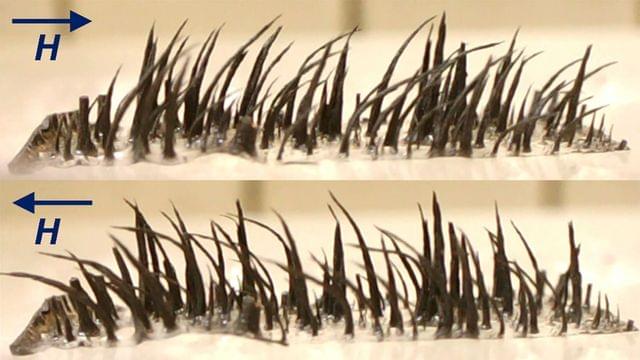
Researchers Teach Old Artificial Hairs New Tricks
Researchers have developed a new technique that can “reprogram” magnetic cilia to move in new directions as needed. Magnetic cilia – an artificial hair-like structure containing embedded magnetic particles – are used frequently in soft robots, transporting objects and mixing liquids.

An AI startup made a hyperrealistic deepfake of me that’s so good it’s scary
Synthesia’s new technology is impressive but raises big questions about a world where we increasingly can’t tell what’s real.

Chatbot answers are all made up. This new tool helps you figure out which ones to trust
In many high-stakes situations, large language models are not worth the risk. Knowing which outputs to throw out might fix that.

Tesla Autopilot investigation closed after feds find 13 fatal crashes related to misuse
The agency opened the probe in 2021, and reviewed hundreds of crashes that involved Autopilot. It says there’s a ‘critical safety gap.’