Explore a shape that can’t pass through itself, a teenage prodigy, and two new kinds of infinity.
Get the latest international news and world events from around the world.
2025 LLM Year in Review
2025 Year in Review of LLM paradigm changes
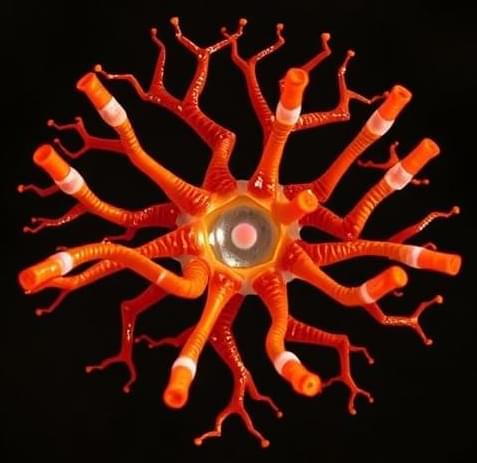
CRISPR Screens Revolutionize Human Neural Organoids Research
Studying the intricate molecular mechanisms that govern the assembly of the human nervous system has long been one of the most significant challenges in developmental biology and neuroscience. Researchers are continuously seeking a deeper understanding of how the human brain is built and what leads to various neurological disorders. Recent advancements in stem cell technology, particularly the ability to generate neural cells from pluripotent stem cells, coupled with the power of genome-editing tools like CRISPR-Cas9, are setting the stage for groundbreaking insights into human neurodevelopment and associated diseases. These technological innovations open new avenues for research that were previously thought to be unattainable.
The emergence of organoids and assembloids—miniature, simplified versions of brain tissue—has revolutionized the way scientists can model human development in vitro. Organoids replicate some of the complexity of human brain structures, allowing researchers to visualize developmental processes such as the specification, migration, and integration of neurons. This is particularly important for cortical interneurons, which migrate from the ventral forebrain to the dorsal forebrain during early brain development. These in vitro models provide an opportunity to study these intricate processes more closely and could lead to transformative discoveries in our understanding of brain diseases.
In a significant advancement outlined in recent research, scientists have developed a detailed protocol that marries pooled CRISPR-Cas9 screening with neural organoid and assembloid models. This innovative approach enables researchers to map hundreds of disease-related genes onto specific cellular pathways and critical aspects of human neural development. Such a strategy can significantly enhance our understanding of how various genes contribute to essential neuronal functions and the onset of neurological diseases, thereby paving the way for the development of novel therapeutic interventions.
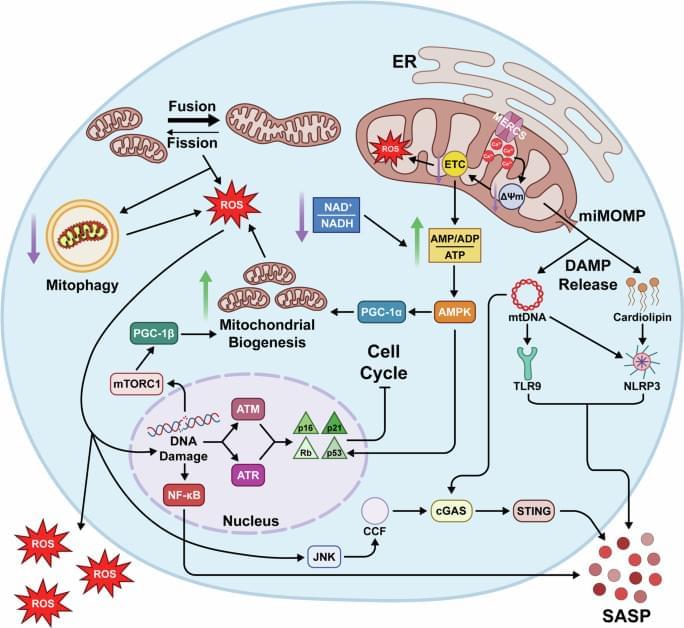
Mitochondrial dysfunction in cellular senescence: a bridge to neurodegenerative disease
Hruby, A.J., Higuchi-Sanabria, R. Mitochondrial dysfunction in cellular senescence: a bridge to neurodegenerative disease. npj Aging 11, 99 (2025). https://doi.org/10.1038/s41514-025-00291-4
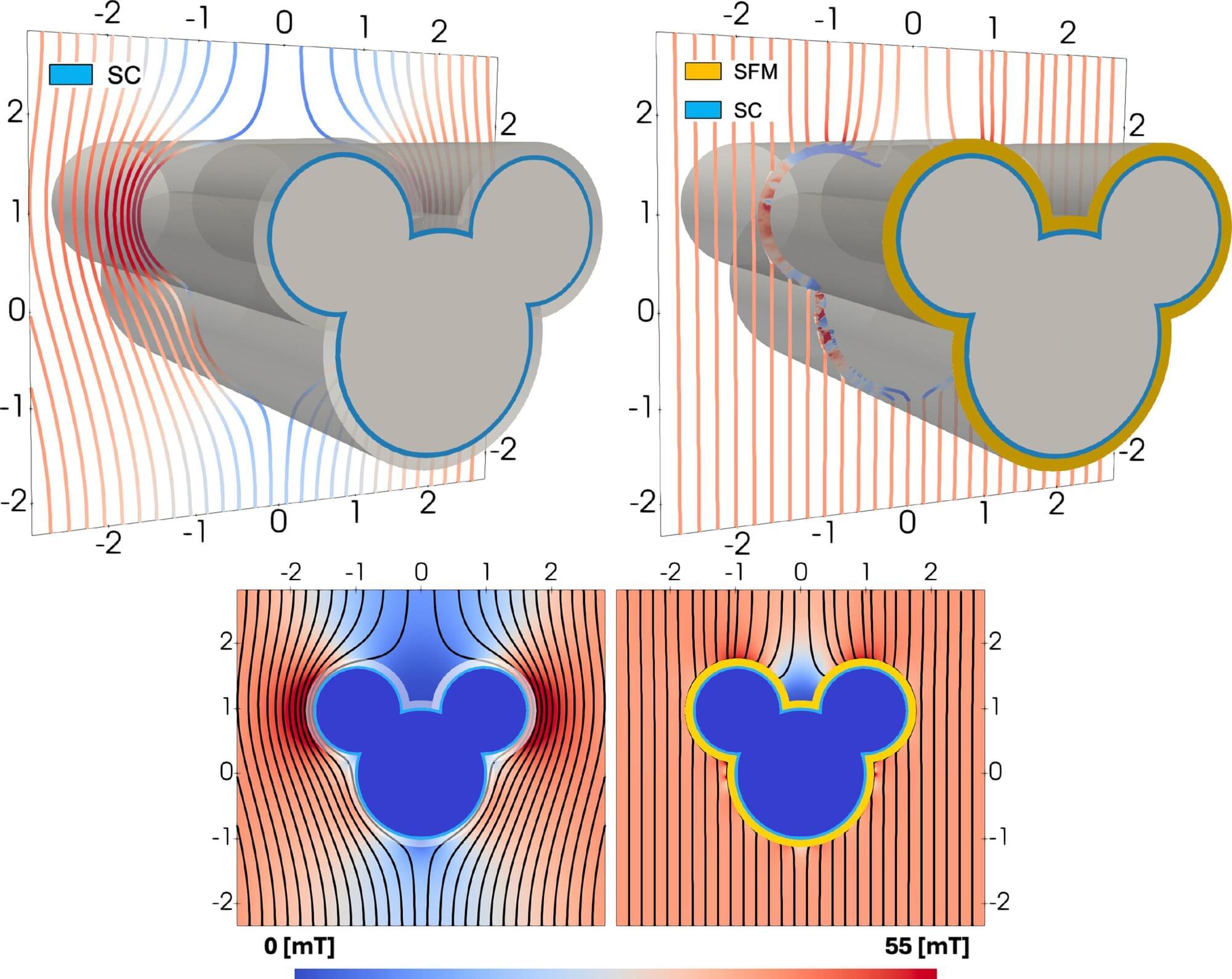
New ‘cloaking device’ concept shields electronics from disruptive magnetic fields
University of Leicester engineers have unveiled a concept for a device designed to magnetically “cloak” sensitive components, making them invisible to detection.
A magnetic cloak is a device that hides or shields an object from external magnetic fields by manipulating how these flow around an object so that they behave as if the object isn’t there.
In Science Advances, the team of engineers demonstrate for the first time that practical cloaks can be engineered using superconductors and soft ferromagnets in forms that can be manufactured.
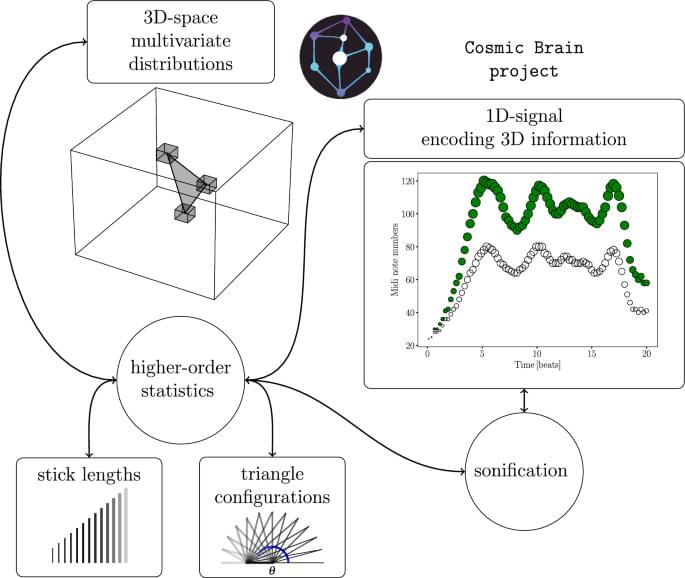
Higher-order sonification of the human brain
Scientific Reports volume 15, Article number: 42,309 (2025) Cite this article.
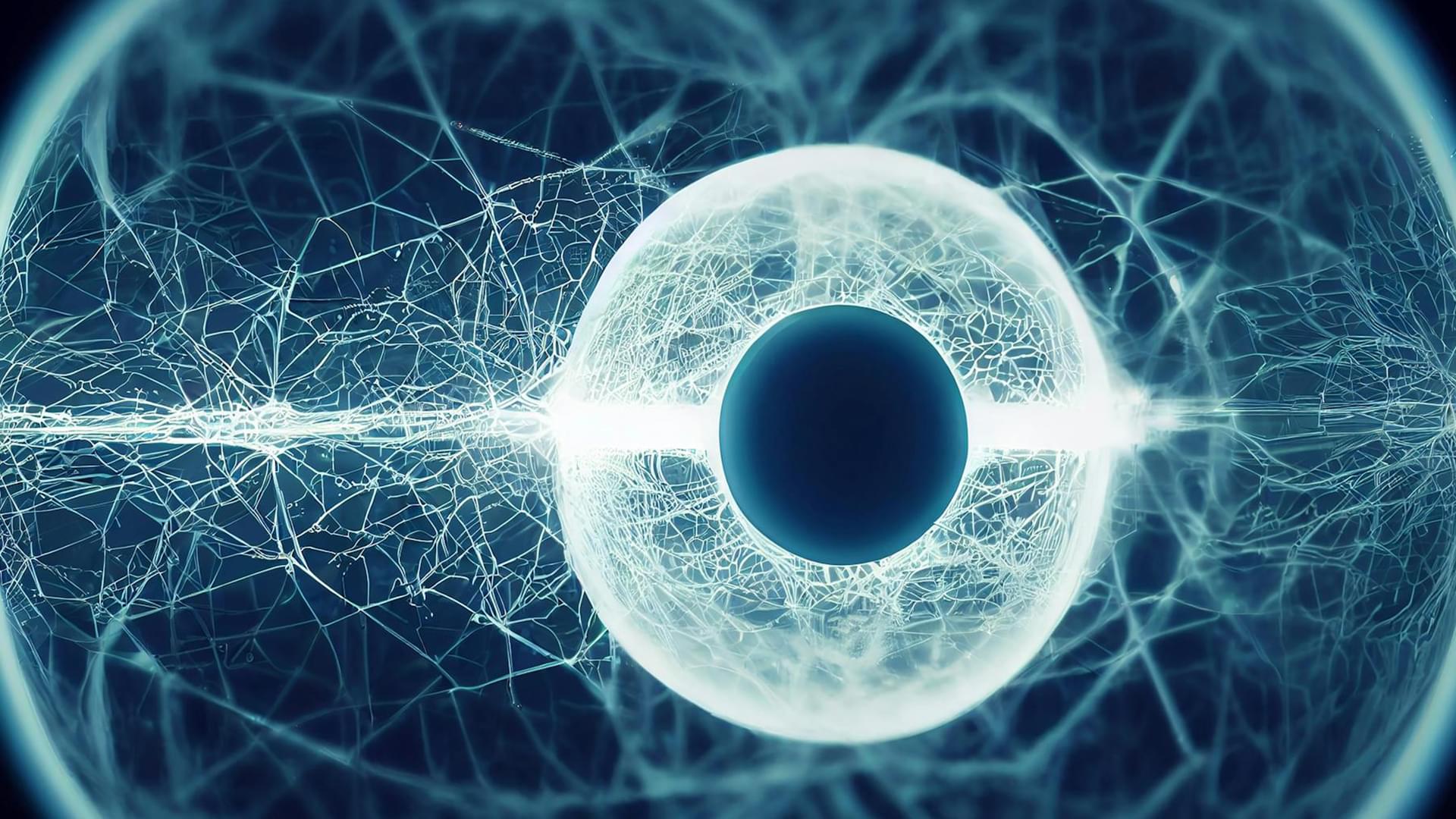
Scientists crack the atomic code behind single-photon quantum emitters
This achievement removes one of the biggest roadblocks in quantum materials science and brings practical quantum devices much closer to reality.
Quantum emitters work by releasing single photons, individual packets of light, on demand. This ability is critical because quantum technologies rely on absolute control over light and information.
The problem has always been visibility and control. The exact atomic defects responsible for these emitters are incredibly small and difficult to observe. Scientists could either study how they emit light or examine their atomic structure—but not both at the same time.

Molecules as switches for sustainable light-driven technologies
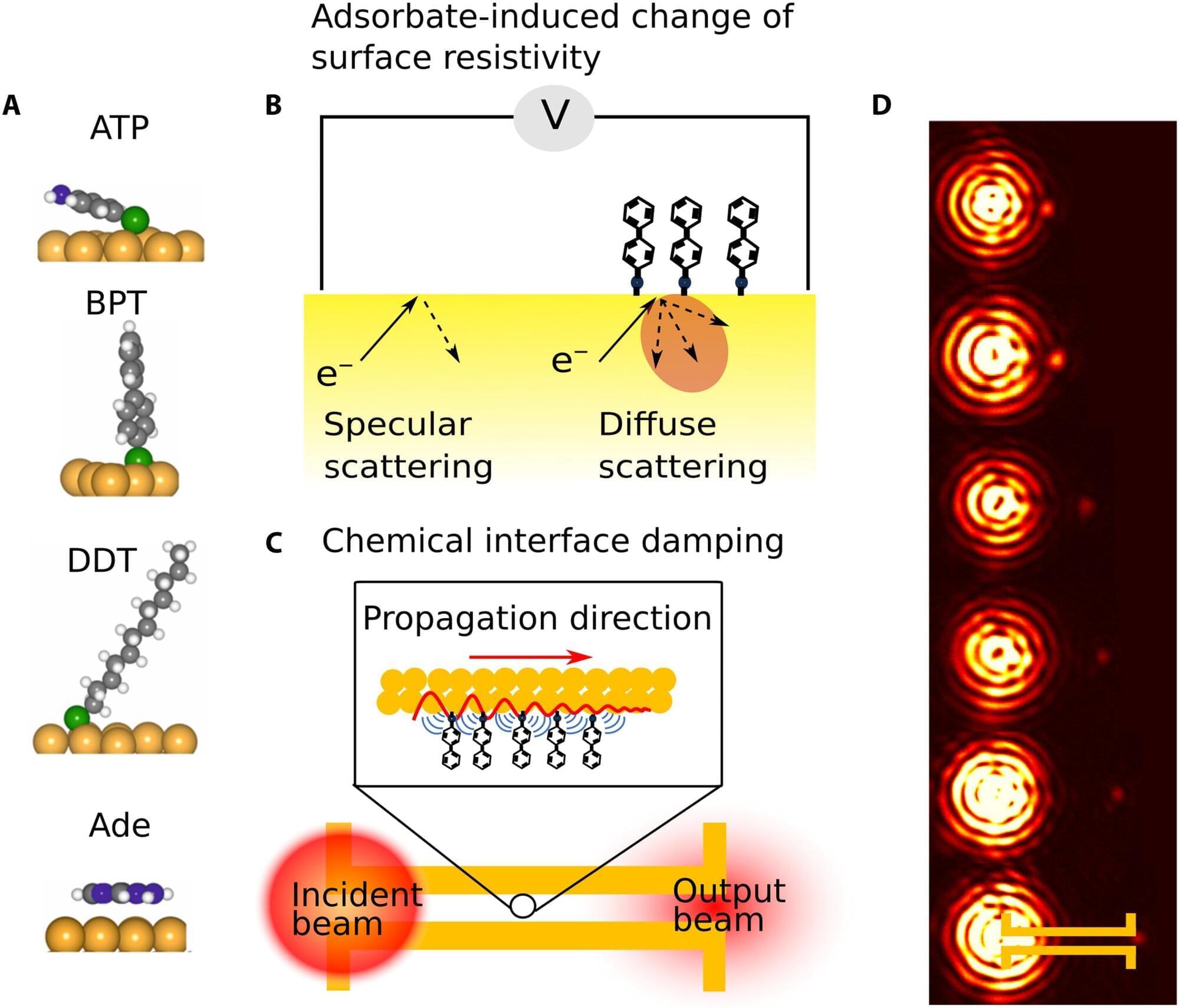
Metal nanostructures can concentrate light so strongly that they can trigger chemical reactions. The key players in this process are plasmons—collective oscillations of free electrons in the metal that confine energy to extremely small volumes. A new study published in Science Advances now shows how crucial adsorbed molecules are in determining how quickly these plasmons lose their energy.
The team led by LMU nanophysicists Dr. Andrei Stefancu and Prof. Emiliano Cortés identified two fundamentally different mechanisms of so-called chemical interface damping (CID), the plasmon damping caused by adsorbed molecules. Which mechanism dominates depends on how the electronic states of the molecule align with those of the metal surface, gold in this case—and this alignment is even reflected in the material’s electrical resistance.
Highly insulating polymer film that shields satellites to boost flexible electronics’ performance
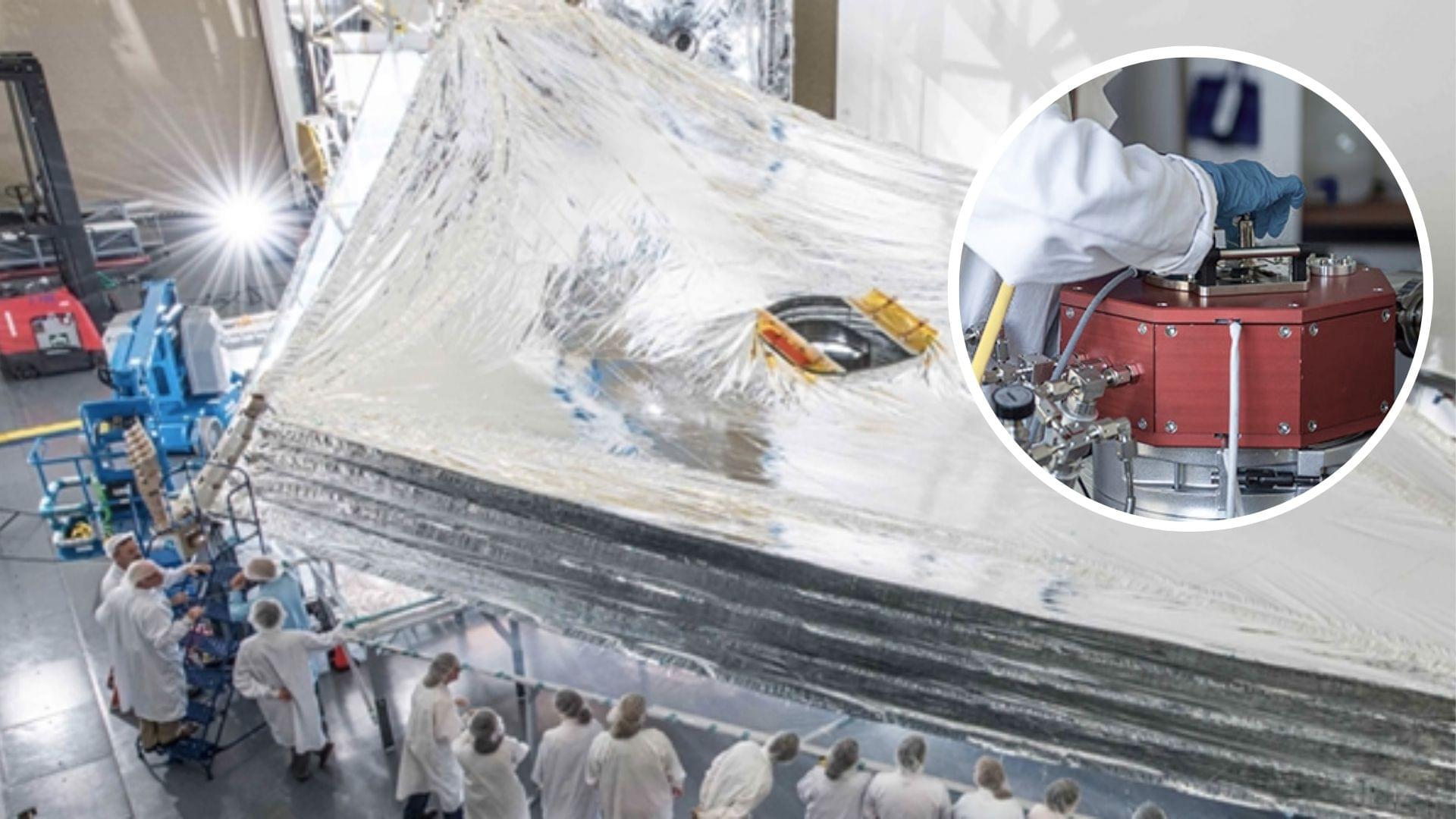
Researchers have found that they could use highly insulating aluminum-coated polymer film to improve the performance of flexible electronics and medical sensors.
Currently, the aluminum-coated polymer film is used to shield satellites from temperature extremes.
Researchers at Empa have succeeded in making the material even more resistant by implementing an ultra-thin intermediate layer.