Toggle light / dark theme

Get the latest international news and world events from around the world.

Log in for authorized contributors

Enlarging the Periodic Table of Laser-Cooled Molecules

A class of molecules with two valence electrons has been laser cooled and trapped for the first time.

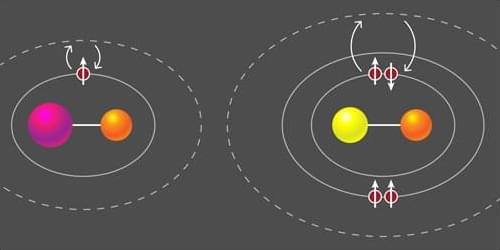
Over the past 70 years, physicists have developed laser-based methods for controlling atoms and molecules, but much of this success has been concentrated on a few columns of the periodic table. For molecules, laser cooling has been limited to diatomic species that have a single unpaired valence electron for interacting with light. Extending laser cooling to molecules with two valence electrons has long been sought after (Fig. 1). The most promising nonreactive candidates are diatomic molecules that partner a halogen, such as fluorine (F) or chlorine (Cl), with a p-block atom, such as aluminum (Al) or thallium (Tl). Several research groups have specifically targeted AlF, AlCl, and TlF, but these molecules are difficult to work with because of their deep-ultraviolet transitions, complicated energy-level structures, and small magnetic moments.
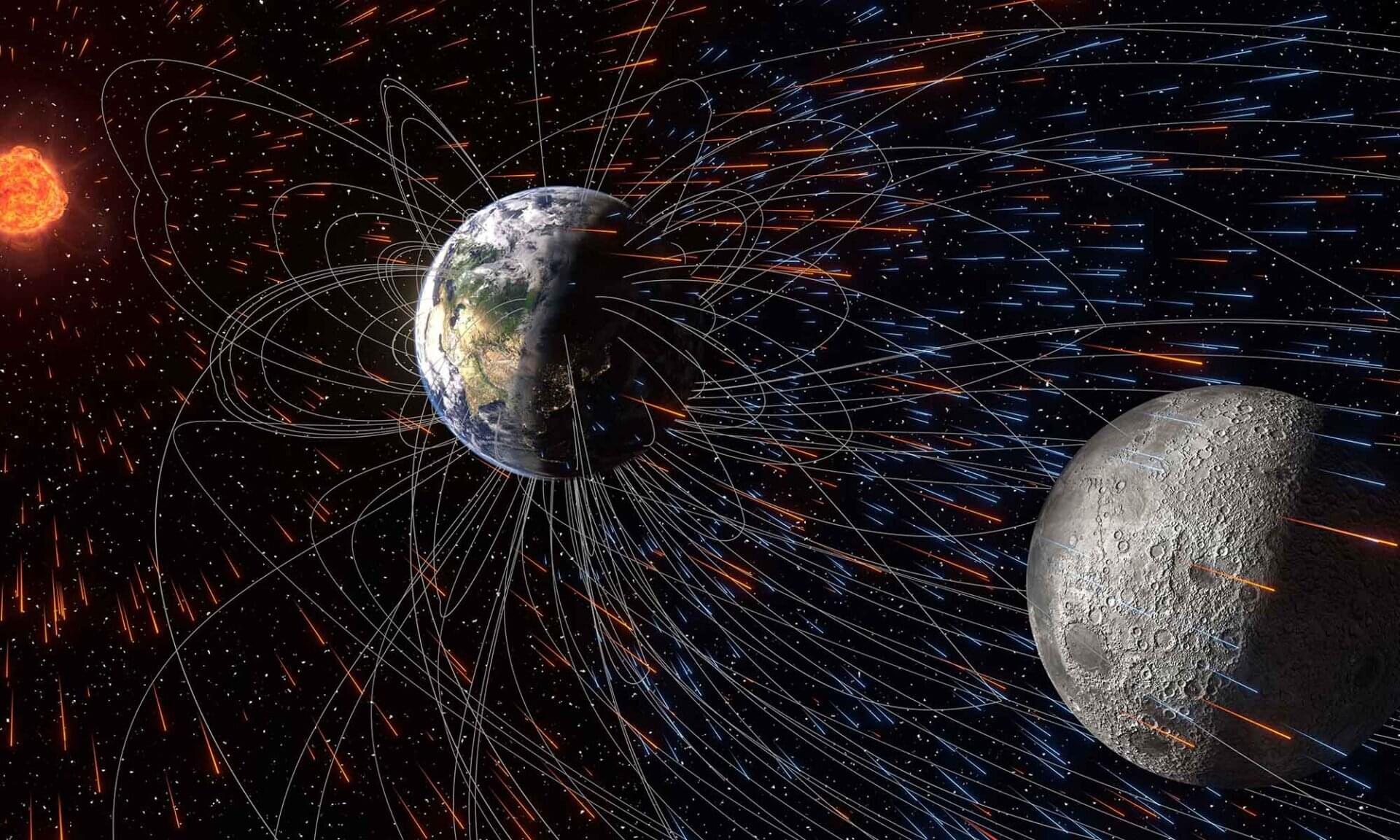
Earth’s atmosphere may help support human life on the moon

The moon’s surface may be more than just a dusty, barren landscape. Over billions of years, tiny particles from Earth’s atmosphere have landed in the lunar soil, creating a possible source of life-sustaining substances for future astronauts. But scientists have only recently begun to understand how these particles make the long journey from Earth to the moon and how long the process has been taking place.

New research from the University of Rochester, published in Communications Earth & Environment, shows that Earth’s magnetic field may actually help guide atmospheric particles—carried by solar wind—into space, instead of blocking them. Because Earth’s magnetic field has existed for billions of years, this process could have steadily moved particles from Earth to the moon over very long periods of time.

“By combining data from particles preserved in lunar soil with computational modeling of how solar wind interacts with Earth’s atmosphere, we can trace the history of Earth’s atmosphere and its magnetic field,” says Eric Blackman, a professor in the Department of Physics and Astronomy and a distinguished scientist at URochester’s Laboratory for Laser Energetics (LLE).

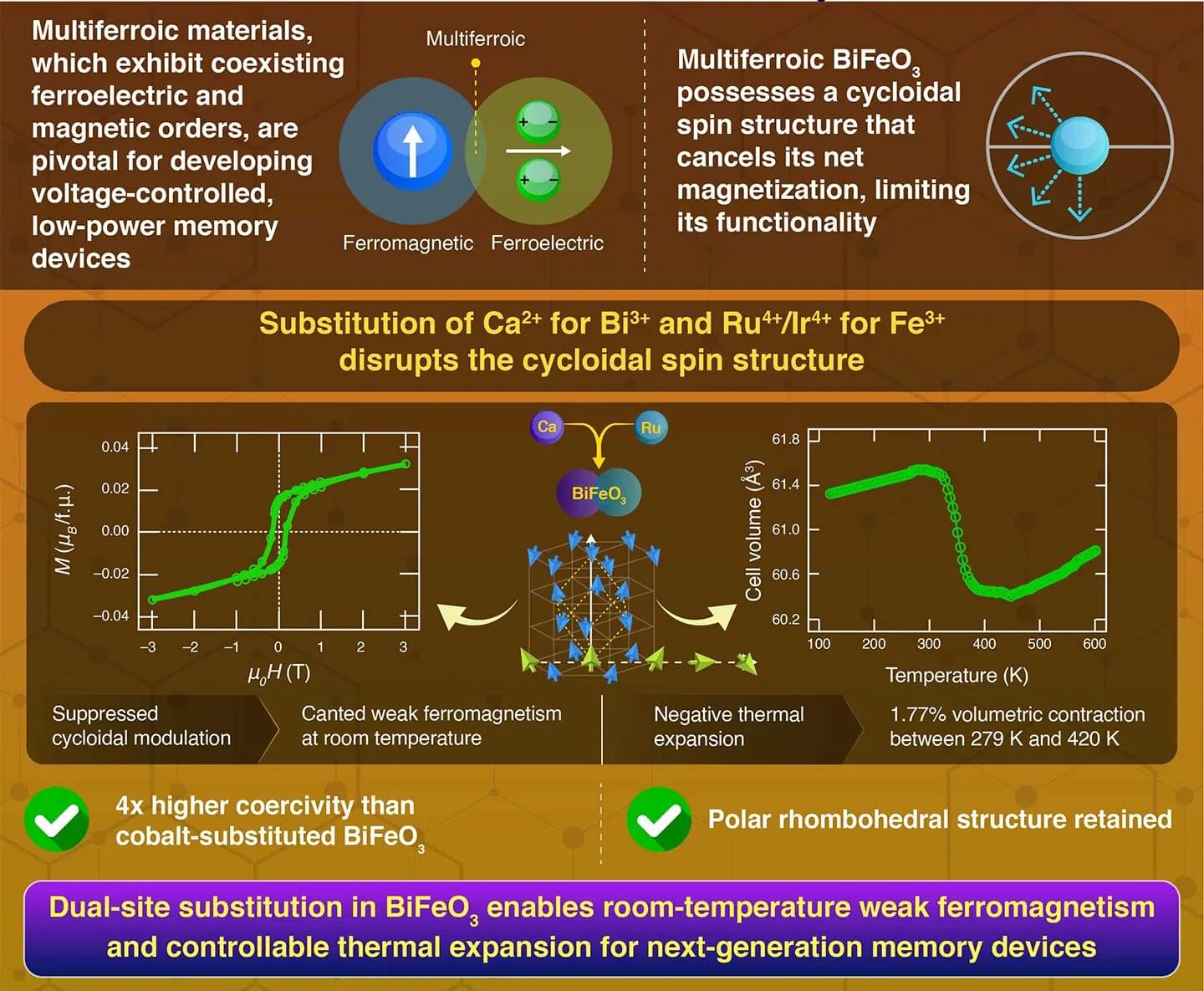
Dual substitution induces room-temperature ferromagnetism and negative thermal expansion in BiFeO₃

Using a dual-cation substitution approach, researchers at Science Tokyo introduced ferromagnetism into bismuth ferrite, a well-known and promising multiferroic material for next-generation memory technologies. By replacing ions at both the bismuth and iron sites with calcium ions and heavier elements, they modified the spin structure and achieved ferromagnetism at room temperature. Additionally, negative thermal expansion was observed. This ability to engineer magnetism and thermal expansion in a multiferroic material aids in realizing future memory devices.

Multiferroic materials, which show both ferroelectricity and ferromagnetism, hold strong potential for use in low-power memory devices where information can be written electrically and read magnetically. Among these materials, bismuth ferrite (BiFeO3) is one of the most widely studied because it combines ferroelectricity with antiferromagnetism at room temperature.

However, BiFeO3 naturally forms a cycloidal spin structure, which is a wave-like pattern of rotating spins. This pattern cancels out any net magnetization and makes the material difficult to use in magnetic devices.

New window insulation blocks heat, but not your view

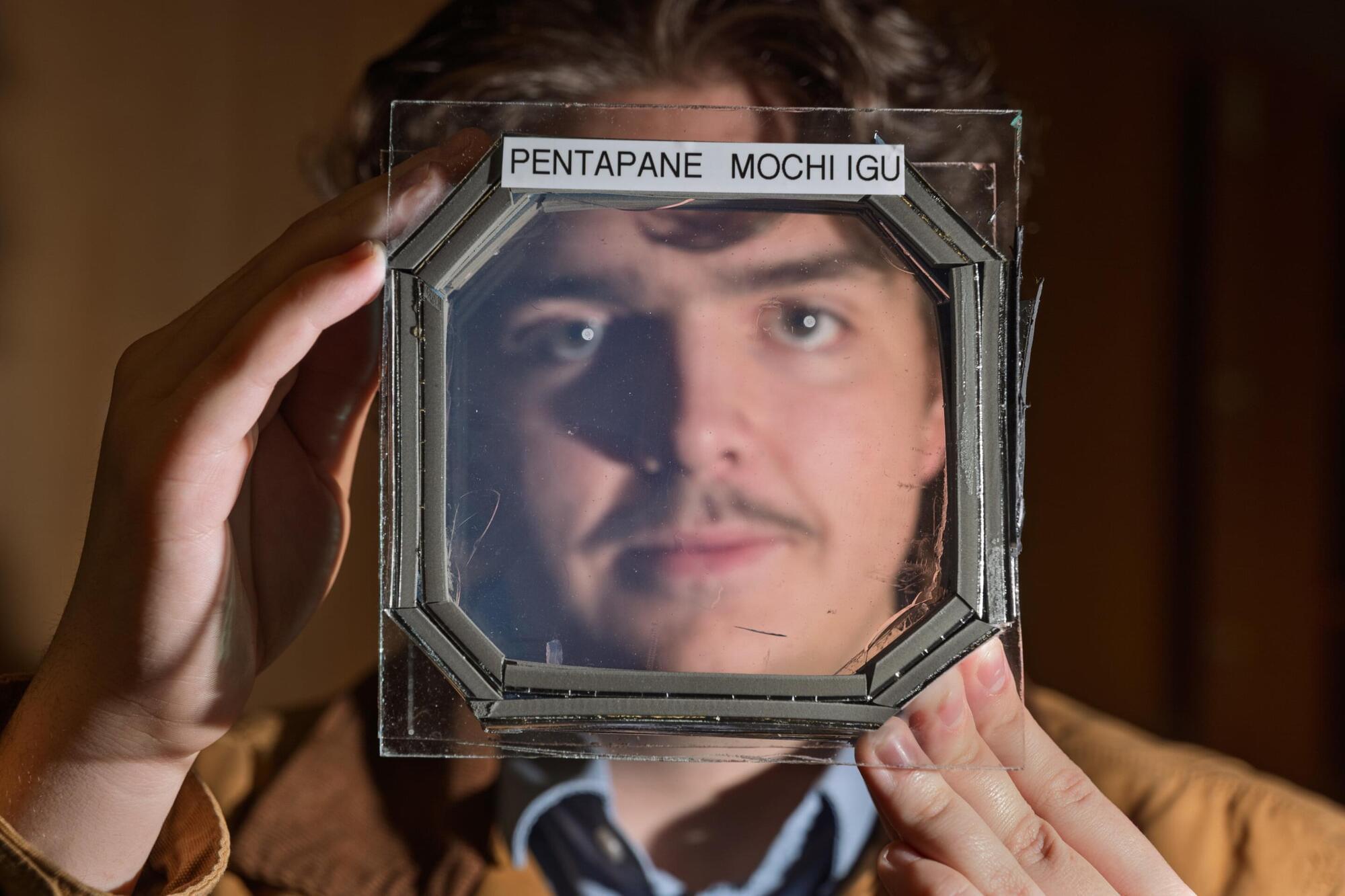
Physicists at the University of Colorado Boulder have designed a new material for insulating windows that could improve the energy efficiency of buildings worldwide—and it works a bit like a high-tech version of Bubble Wrap.

The team’s material, called Mesoporous Optically Clear Heat Insulator (MOCHI), comes in large slabs or thin sheets that can be applied to the inside of any window. So far, the team only makes the material in the lab, and it’s not available for consumers. But the researchers say MOCHI is long-lasting and is almost completely transparent.

That means it won’t disrupt your view, unlike many insulating materials on the market today.

All-optical modulation in silicon achieved via an electron avalanche process

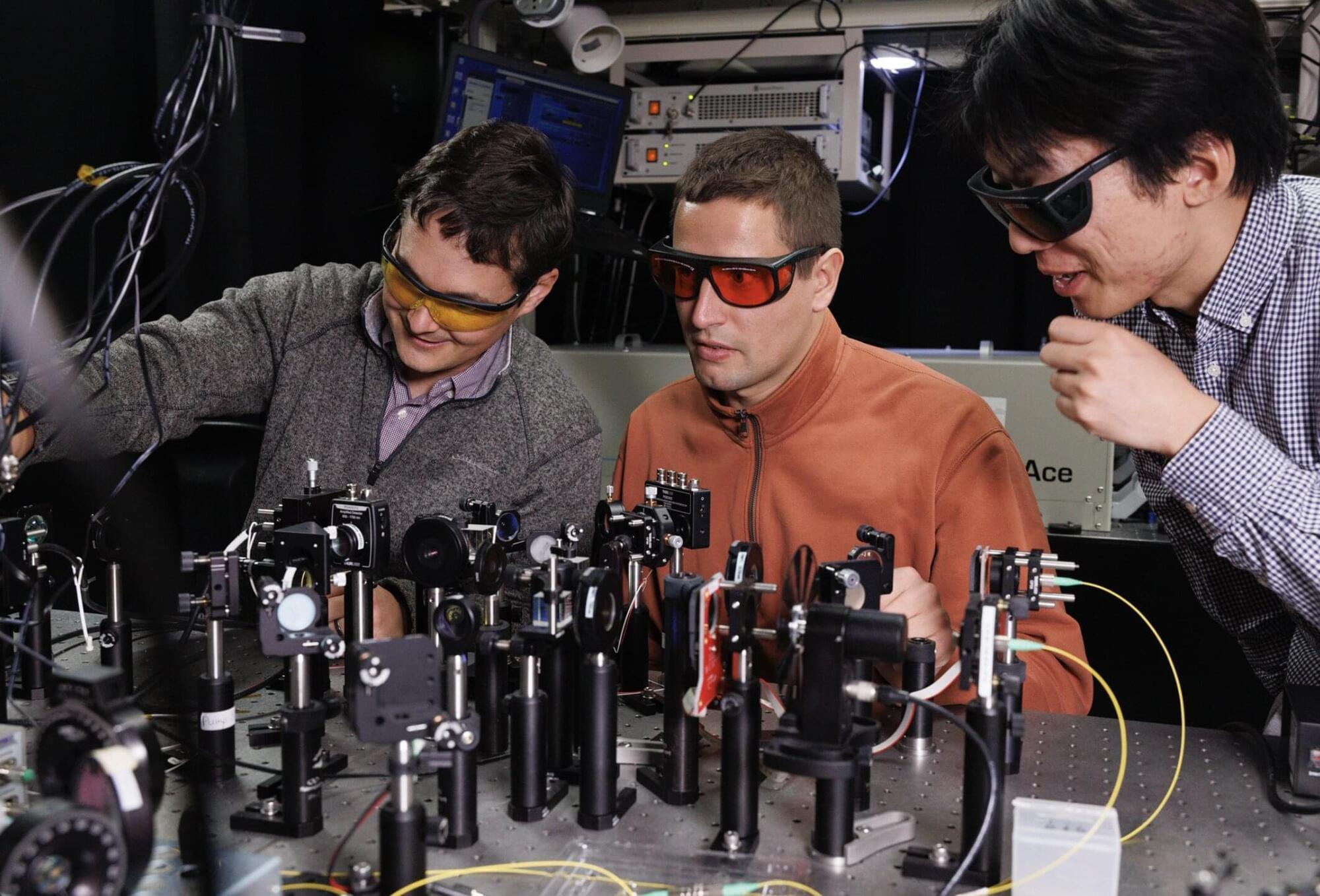
Over the past decades, engineers have introduced numerous technologies that rely on light and its underlying characteristics. These include photonic and quantum systems that could advance imaging, communication and information processing.

A key challenge that has so far limited the performance of these new technologies is that most materials used to fabricate them have a weak optical nonlinearity. This essentially means that they do not strongly change in response to light of different intensities.

A strong optical linearity is of crucial importance for the development of ultrafast optical switches, devices that can control either light or electrical signals by modulating the properties of a light-based signal (e.g. its intensity or path). Notably, these switches are central components of fiber optics-based communication systems, photonic devices and quantum technologies.

How Earth’s mantle locked away vast amounts of water in early magma ocean

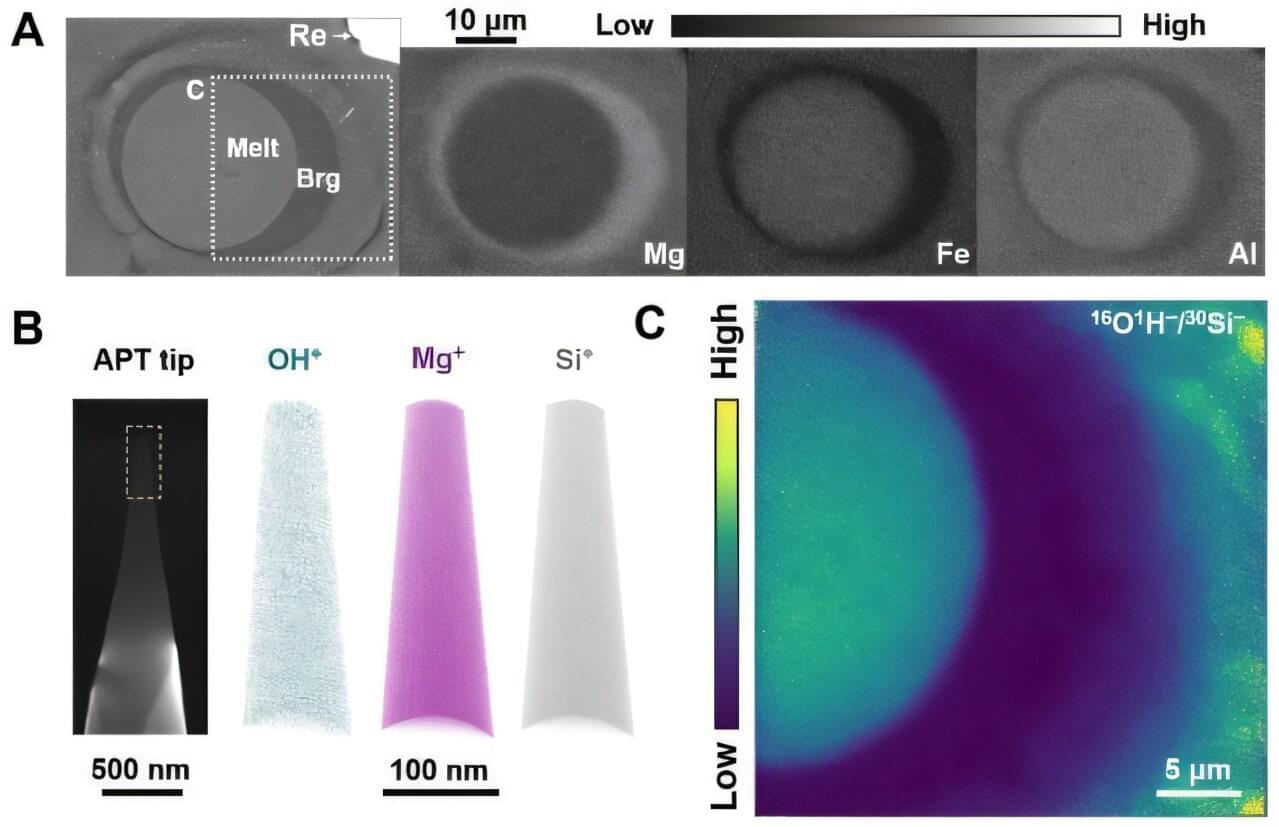
Some 4.6 billion years ago, Earth was nothing like the gentle blue planet we know today. Frequent and violent celestial impacts churned its surface and interior into a seething ocean of magma—an environment so extreme that liquid water could not exist, leaving the entire planet resembling an inferno.

Since 70% of Earth’s surface is now covered in oceans, the mystery of how water survived and preserved on our planet from an early molten to a mostly solid state has long been a subject of scientific study.

Biphenomycin biosynthetic pathway decoded, opening door to new antibiotic development

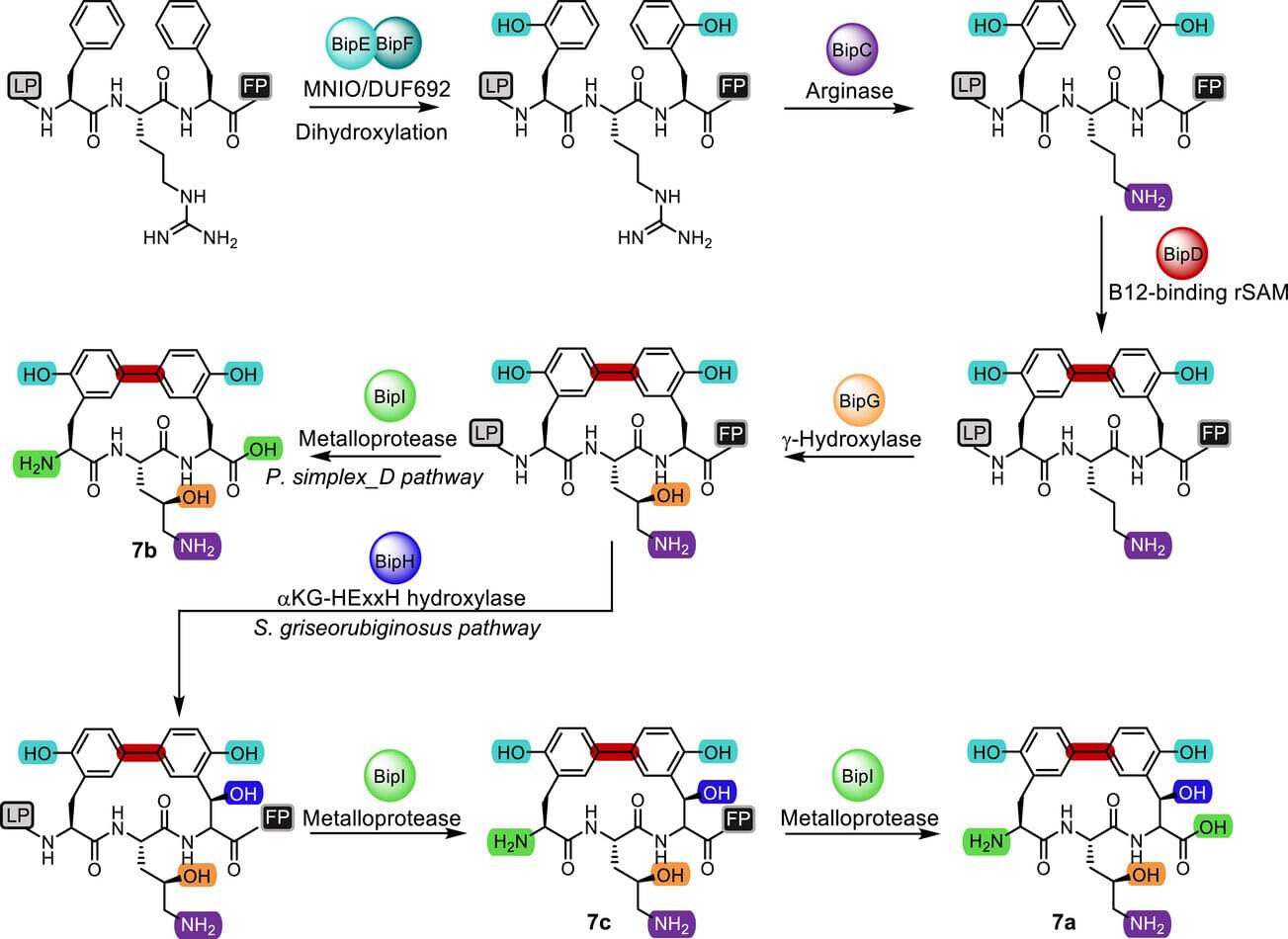
Biphenomycins, natural products derived from bacteria, show excellent antimicrobial activity, but have long remained out of reach for drug development. The main obstacle was the limited understanding of how these compounds are produced by their microbial hosts.

A research team led by Tobias Gulder, department head at the Helmholtz Institute for Pharmaceutical Research Saarland (HIPS), has now deciphered the biosynthetic pathway of the biphenomycins, establishing the foundation for their pharmaceutical advancement. The team published its findings in the journal Angewandte Chemie International Edition.

Chip-scale magnetometer uses light for high-precision magnetic sensing

Researchers have developed a precision magnetometer based on a special material that changes optical properties in response to a magnetic field. The device, which is integrated onto a chip, could benefit space missions, navigation and biomedical applications.

High-precision magnetometers are used to measure the strength and direction of magnetic fields for various applications. However, many of today’s magnetometers must operate at extremely low temperatures—close to 0 kelvin—or require relatively large and heavy apparatus, which significantly restricts their practicality.

“Our device operates at room temperature and can be fully integrated onto a chip,” said Paolo Pintus from the University of California, Santa Barbara (UCSB) and the University of Cagliari, Italy, co-principal investigator for the study. “The light weight and low power consumption of this magnetometer make it ideal for use on small satellites, where it could enable studies of the magnetic areas around planets or aid in characterizing foreign metallic objects in space.”

Transistor ‘design limitation’ actually improves performance, scientists find

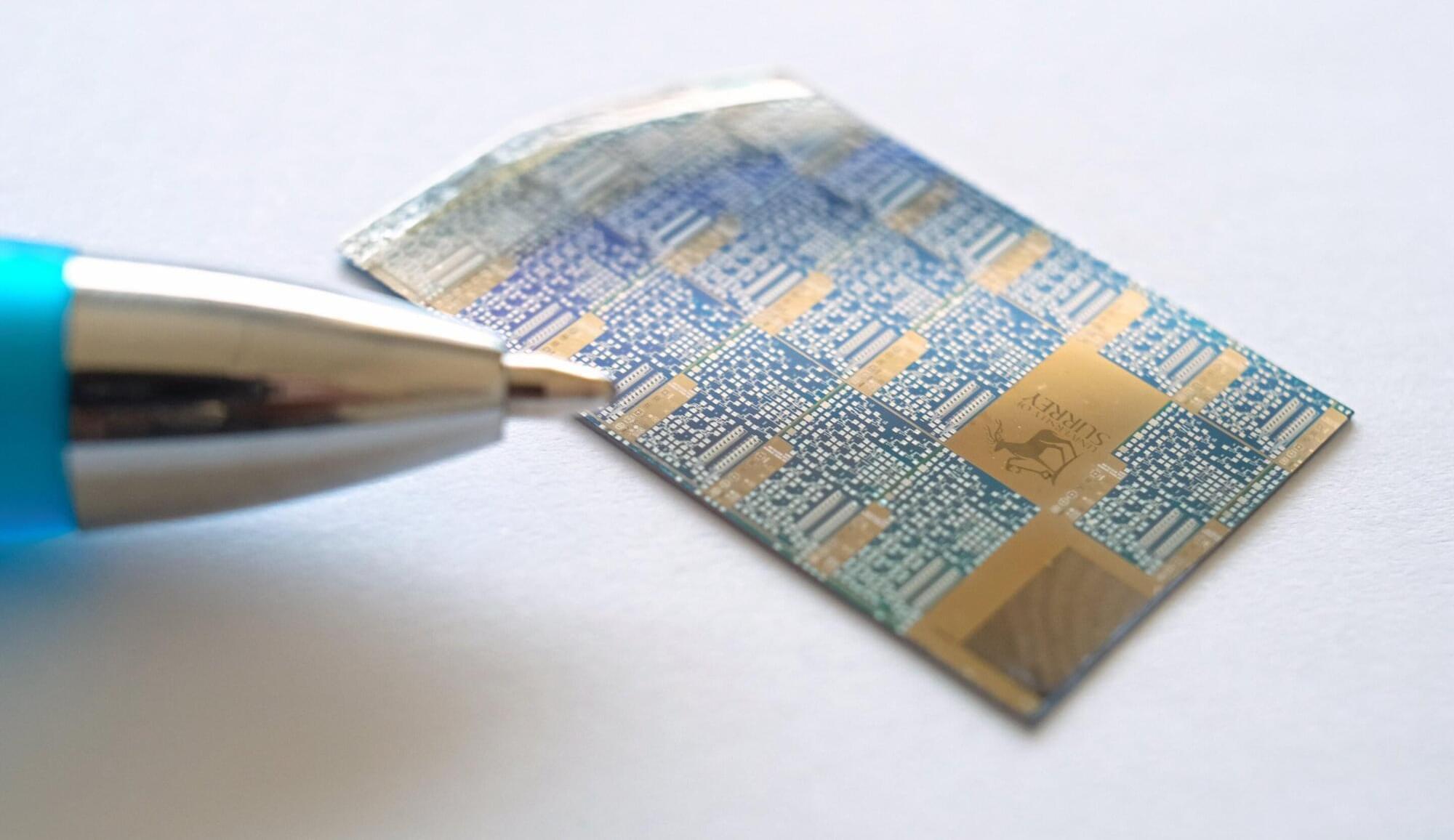
What many engineers once saw as a flaw in organic electronics could actually make these devices more stable and reliable, according to new research from the University of Surrey and Joanneum Research Materials.

The paper, which will be presented at the IEEE International Electron Devices Meeting (IEDM) 2025, describes how embracing small energy barriers at the metal/semiconductor interface of organic thin-film transistors (OTFTs) can help them perform more consistently and operate more reliably over time.

Organic thin-film transistors (OTFTs) are a key component of what are thought to be the next generation of flexible and wearable electronics. They are lightweight, low-cost and printable on large areas, but their long-term stability has been a persistent challenge.

/* */