Toggle light / dark theme

Get the latest international news and world events from around the world.

Log in for authorized contributors

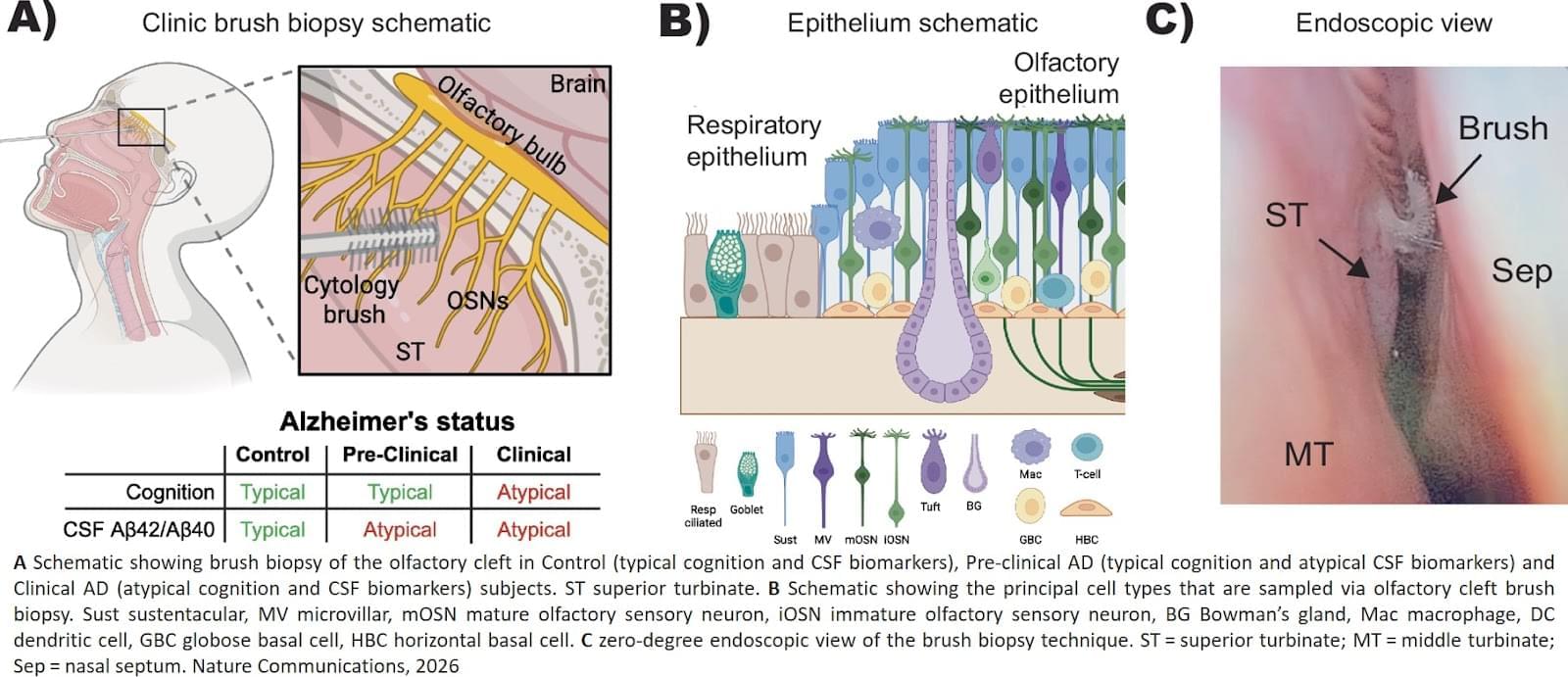
Nasal swab test spots early Alzheimer’s signals

Schwann cell-derived exosomes are powerful promoters of nerve repair, capable of enhancing axon regrowth, remyelination, and functional recovery in numerous models. These effects are mediated via multifactorial cargo (miRNAs, mRNAs, proteins) that modulate neurons, glia, endothelial, and immune cells. Importantly, what began as a novel biological insight is now rapidly moving toward therapeutic innovation. Schwann cell-derived exosomes thus represent both a novel mode of glia–neuron communication and a promising avenue for next-generation therapies for nerve regeneration.

JSPS Transformative Area (A) 2023–2028

Summary: Establishing Qualia Structure Paradigm

Do subjective conscious experience and objective brain matters belong to completely different worlds? How are qualia, the contents of consciousness, related to the brain? The question of consciousness and the brain is not only of scientific interest, but it is also directly related to the problems associated with difficulties in understanding human feelings in the real world. Because qualia are difficult to even define in objective terms, conventional studies of consciousness have attempted to explore their neural correlates by fixing perceptual stimuli and reducing experience to binary judgments, such as seen vs. not seen. Recently, we have established a new paradigm to characterize the structure of qualia by measuring the similarity between visual qualia on a large scale, and to reveal their neural correlates and their information structure.

The CISO Gap: Why Every Business Needs Cybersecurity Leadership

Despite this reality, an excessive number of organizations, notably small and mid-sized businesses (SMBs), lack designated leadership in this crucial domain.

#cybersecurity #business #ciso #tech


By Chuck Brooks.

Cybersecurity is no longer an IT concern; it has become a fundamental business requirement. Viability, survivability, and ultimately commercial success are dependent on securing the devices and network for any business in the evolving digital era.

Natural competition between brain circuits may boost information processing

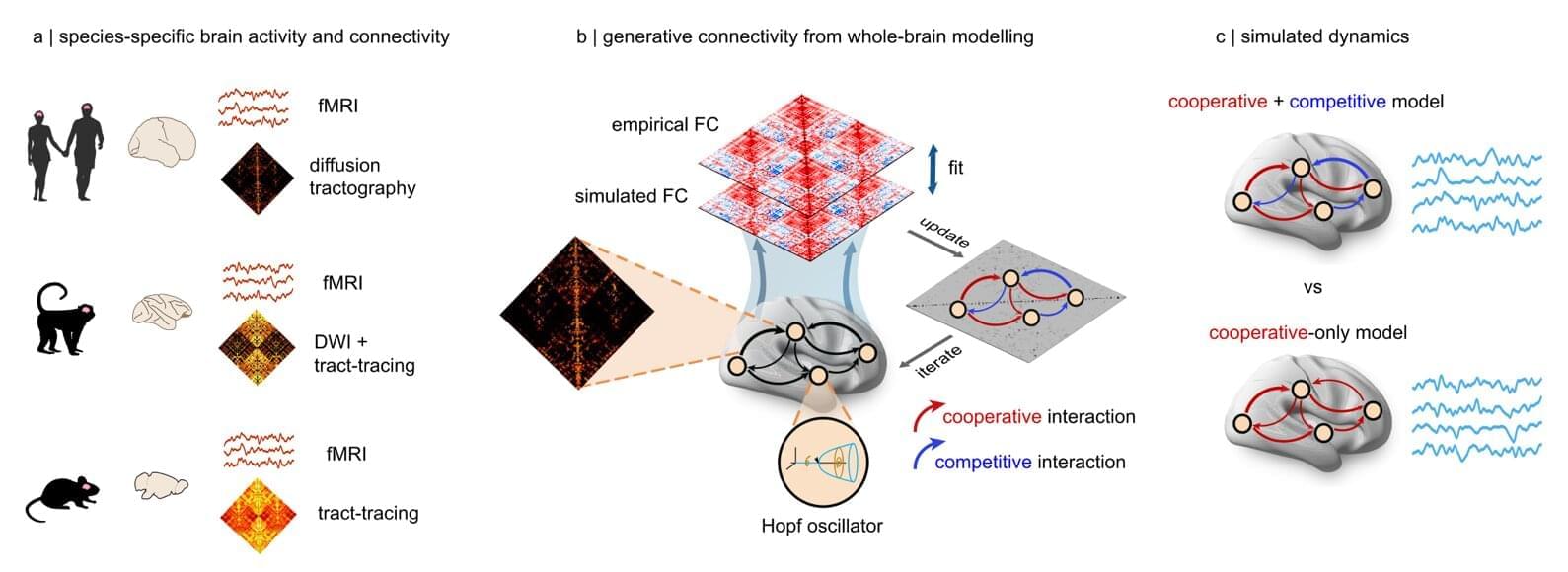
Over the past decades, neuroscience studies have painted an increasingly detailed picture of the human brain, its organization and how it supports various functions. To plan and execute desired behaviors in changing circumstances, networks of neurons in the brain can either work together or suppress each other, thus employing both cooperative and competitive interaction strategies.

Researchers at University of Oxford, University of Cambridge, McGill University, University of Aarhus and Pompeu Fabra University recently set out to better understand the mammalian brain’s underlying dynamics, specifically how its underlying architecture balances cooperative and competitive interactions between neural circuits. Their paper, published in Nature Neuroscience, offers new insight that could both improve the understanding of the brain and inform the development of brain-inspired computational models.

“Building models of the brain is an important part of modern neuroscience,” Andrea Luppi, first author of the paper, told Medical Xpress. “As Nobel winner Reichard Feynman said, ‘what I cannot create, I do not understand.’ Most current models, however, share a limitation. Everyday experience, from focusing attention or switching between tasks, also reveals that brain systems must compete for limited resources.
Circadian rhythm drives metabolic dysfunction in fat cells, study finds

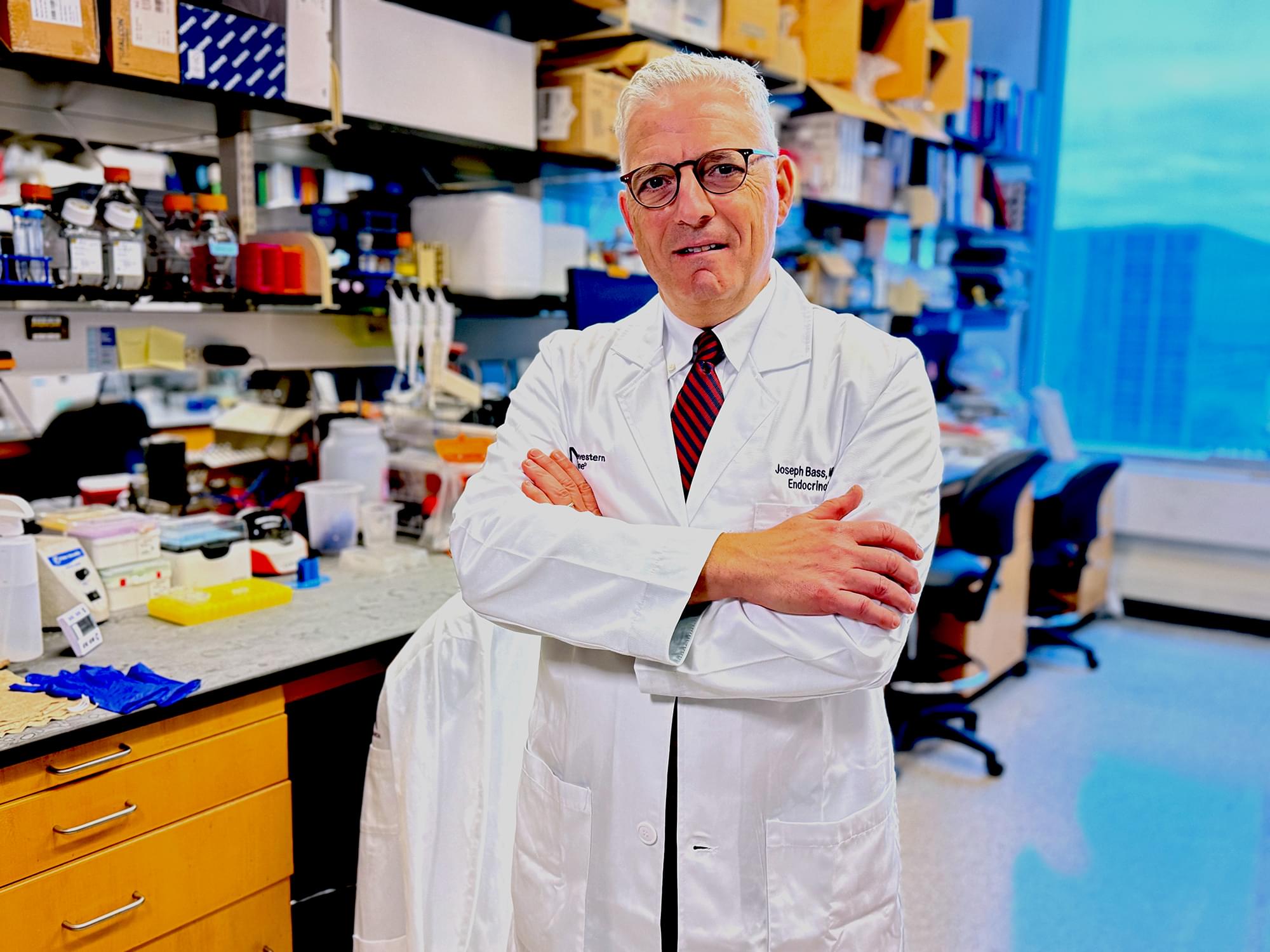
Northwestern Medicine scientists led by Joseph Bass, MD, Ph.D., the Charles F. Kettering Professor of Endocrinology and Metabolism and director of the Center for Diabetes and Metabolism, have discovered how disruptions in the circadian rhythm impair metabolic function in fat cells, providing new insights into the molecular mechanisms that cause obesity and metabolic disease, according to a recent study published in Nature Metabolism.

“It’s not simply the accrual of excess fat that leads to disease. It’s a change in the actual function and the capacity of the energy center within the cell to work properly,” said Bass, who is also chief of Endocrinology, Metabolism and Molecular Medicine in the Department of Medicine and a member of the Robert H. Lurie Comprehensive Cancer Center of Northwestern University.

The circadian rhythm is the body’s own internal 24-hour clock that regulates the sleep-wake cycle, hormone levels and metabolism, among other systems throughout the body.

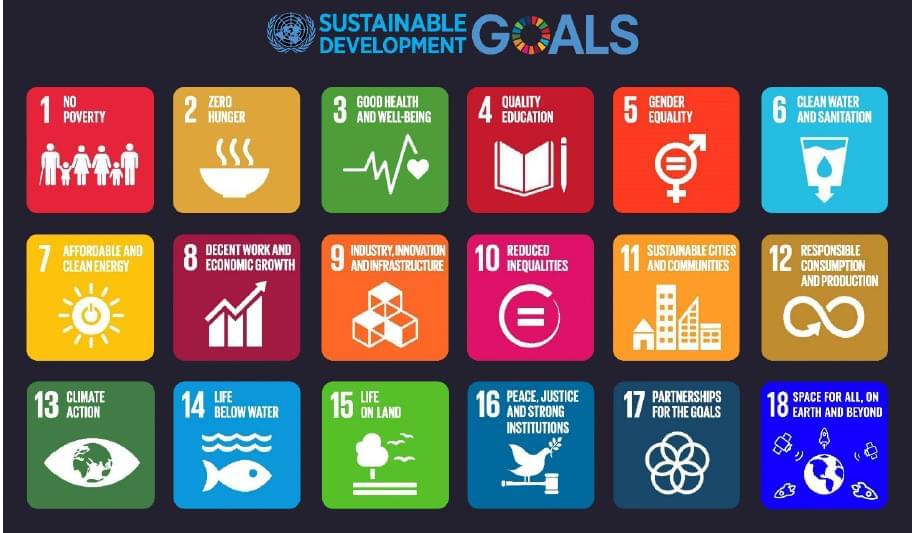
Perspectives on an Emerging 18TH Sdg Articulation — an Sri Side Event at Copuos Legal Subcommittee

(SRI) will organize a high-level side event during the COPUOS Legal Subcommittee on 16 April 2026 at UNOOSA (Vienna), proposed and convened by Dr. Gülin Dede, titled “Operationalising Space as a Cross-Cutting Enabler of Sustainable Development: Perspectives on an Emerging 18th SDG Articulation.”

The session will bring together legal, policy, industry, and Global South perspectives to examine how outer space is evolving from a sectoral domain into a critical enabling infrastructure for the 2030 Agenda, while simultaneously requiring stewardship as an environment in its own right.

Positioned as an early contribution to shaping how space sustainability is framed within the broader UN system, the event will also be broadcast by the United Nations, extending its reach beyond the room to a global audience.

/* */