
StreamRat uses fake streaming ads to reach Spanish-speaking Android users and enables device takeover after sideloading and permission grants.
Get the latest international news and world events from around the world.
Fake Software Installers Disable Windows Update and Weaken Microsoft Defender
Bogus software download sites deploy malware that weakens Windows defenses and establishes persistence in China-based operations.
Malicious Apache Modules Hijack Brazilian Government Site Traffic to Push Betting Pages
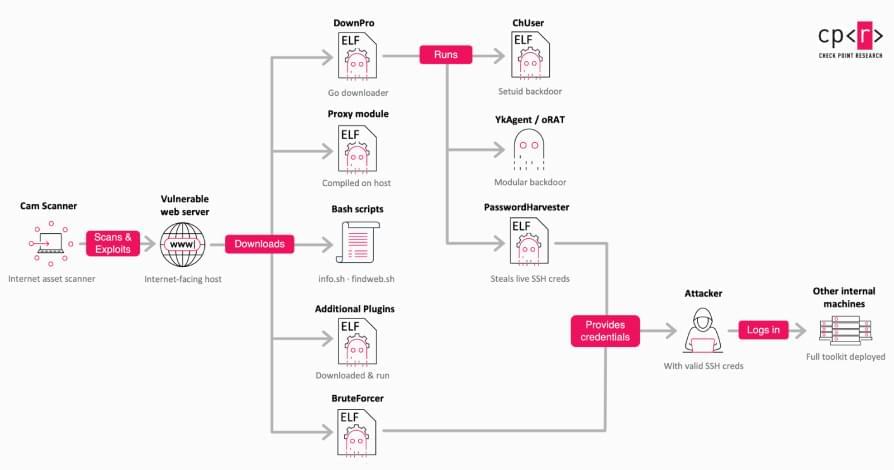
A Chinese-speaking cybercrime cluster known as Gambling Goblin has been observed installing malicious Apache modules on compromised web servers run by Brazilian government and educational institutions, and using them to divert visitors to attacker-controlled pages promoting online gambling and sports betting.
Check Point Research said it has tracked the campaign since mid-2025.
The modules reverse-proxy visitors to a set of phishing pages while the traffic still appears to originate from the legitimate domain. The site’s own security headers are stripped, allowing the injected content to run freely.

Critical Cisco Nexus 9000 Flaw Lets Unauthenticated Remote Attackers Run Code as Root
Cisco patches a Nexus 9000 flaw enabling unauthenticated remote root code execution and seven IOS XR umbrella CVEs affecting every release.

BraZetsu Malware Turns Compromised Windows Hosts Into Criminal Marketplace Inventory
BraZetsu profiles compromised Windows hosts, collects browser and financial data, and stocks the Infected Marketplace.

US Becomes Top Target in RMM Phishing Campaign Spanning 46 Countries
A phishing campaign uses fake documents to install legitimate RMM software across 46 countries, with 45% of activity tied to the U.S.

Attackers Turn Trusted Node.js Runtime Into Malware Delivery Tool in Targeted Attacks
Threat actors are leveraging the trusted Node.js JavaScript runtime in multiple cyber attacks as a way to deploy malicious payloads.
According to a new report published by the Symantec Threat Hunter Team today, the attack method has been put to use in attacks targeting government departments, technology companies, and hotels since February 2026.
“The technique’s appeal is that node.exe (the binary that runs Node.js) is a legitimate, signed developer tool,” the Broadcom-owned cybersecurity division said in a report shared with The Hacker News. “The attacker’s malicious code lives in interpreted scripts rather than in a binary, making it less likely to trigger signature-based detection, while a registry Run key entry can relaunch the payload at every login.”
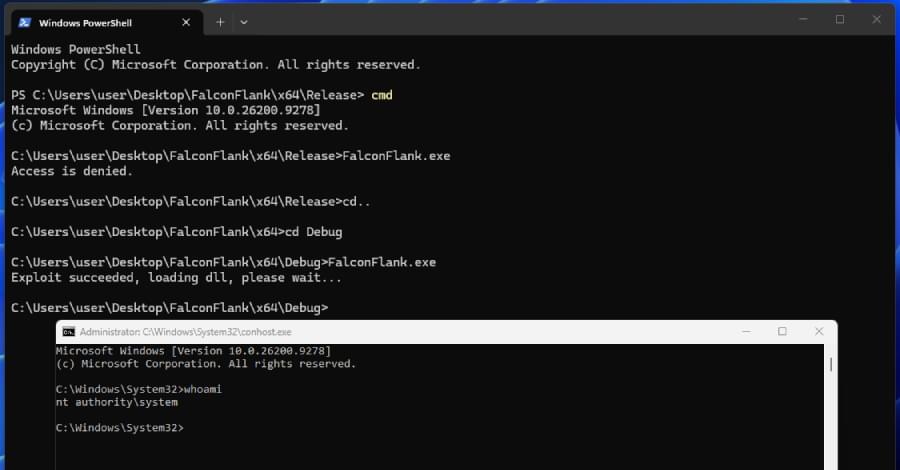
Researcher Releases FalconFlank PoC Showing Privilege Escalation in CrowdStrike Falcon
FalconFlank abuses CrowdStrike Falcon’s malicious macro remediation to demonstrate local privilege escalation on updated Windows systems.

Your Employee’s Password Appeared in an Infostealer Log. Now What?
Infostealers can expose far more than passwords, including authenticated sessions that may let attackers bypass MFA. Flare explains how defenders can prioritize compromised identities, determine whether stolen access is still usable, and respond before it leads to account takeover.

Microsoft: KB5120998 mouse reset bug affects only non-English PCs
Microsoft says a known issue that reverts mouse settings after installing the KB5120998 August 2026 preview update affects only non-English Windows 11 systems.
The bug was confirmed Friday, one day after the KB5120998 release, which includes Start menu, taskbar, and Windows search improvements for devices running Windows 11 versions 25H2 and 24H2.
According to user reports, mouse cursor personalization settings are changing or resetting automatically after installing the KB5120998 update, and affected Windows 11 users cannot restore their previous mouse settings after they are reverted.