Toggle light / dark theme

Get the latest international news and world events from around the world.

Log in for authorized contributors

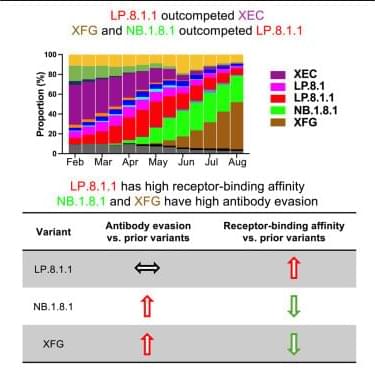
Antibody evasion and receptor binding of SARS-CoV-2 LP.8.1.1, NB.1.8.1, XFG, and related subvariants

Mellis et al. show that the SARS-CoV-2 JN.1 sublineage has different virological features associated with its recently dominant subvariants. LP.8.1 has greater receptor-binding affinity than earlier strains but not increased antibody evasion, while the more recently dominant XFG and NB.1.8.1 have greater antibody evasion than LP.8.1.1.

Engineered immune cells target and destroy glioblastoma in animal models

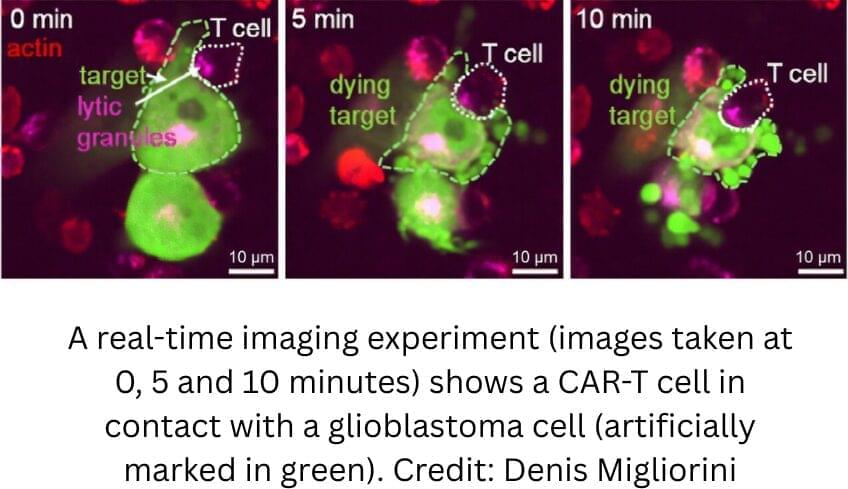
With a five-year survival rate of less than 5%, glioblastoma is one of the most aggressive types of brain cancer. Until now, all available treatments, including immunotherapy—which involves strengthening the immune system to fight cancer—have proved disappointing. CAR-T cells are genetically modified immune cells manufactured in the laboratory and designed to identify and destroy cancer cells.

By targeting a protein present in the tumor environment, a team from the University of Geneva (UNIGE) and the Geneva University Hospital (HUG) has developed CAR-T cells capable of destroying glioblastoma cells. Their efficacy in an animal model of the disease paves the way for clinical trials in humans.

The results are published in the Journal for ImmunoTherapy of Cancer.

Free radicals in the brain that may fuel dementia

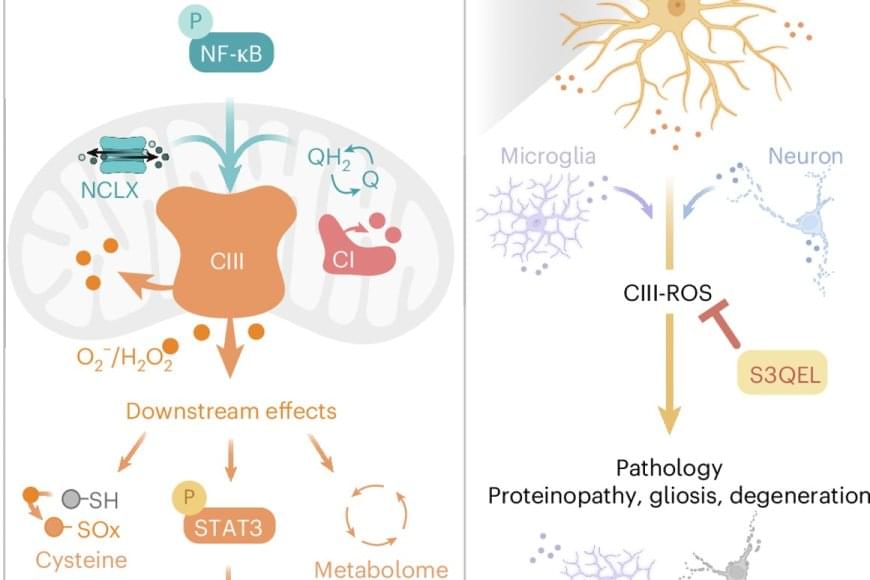
Researchers have discovered that free radicals generated at a specific site in non-neuronal brain cells called astrocytes, may promote dementia, according to a study. Their findings, published in Nature Metabolism, demonstrated that blocking this site lowered brain inflammation and protected neurons, suggesting a novel therapeutic approach for neurodegenerative disorders, including frontotemporal dementia and Alzheimer’s disease.

“I’m really excited about the translational potential of this work,” a co-lead of the research. “We can now target specific mechanisms and go after the exact sites that are relevant for disease.”

The researchers focused on mitochondria—metabolic structures inside cells that generate energy from food and, in the process, release molecules known as reactive oxygen species (ROS). At low levels, ROS play an important role in cell function, but they can be harmful when produced in excess or at the wrong time. “Decades of research implicate mitochondrial ROS in neurodegenerative diseases,” said the other co-lead.
New Research Shows How Entanglement Amplifies Light

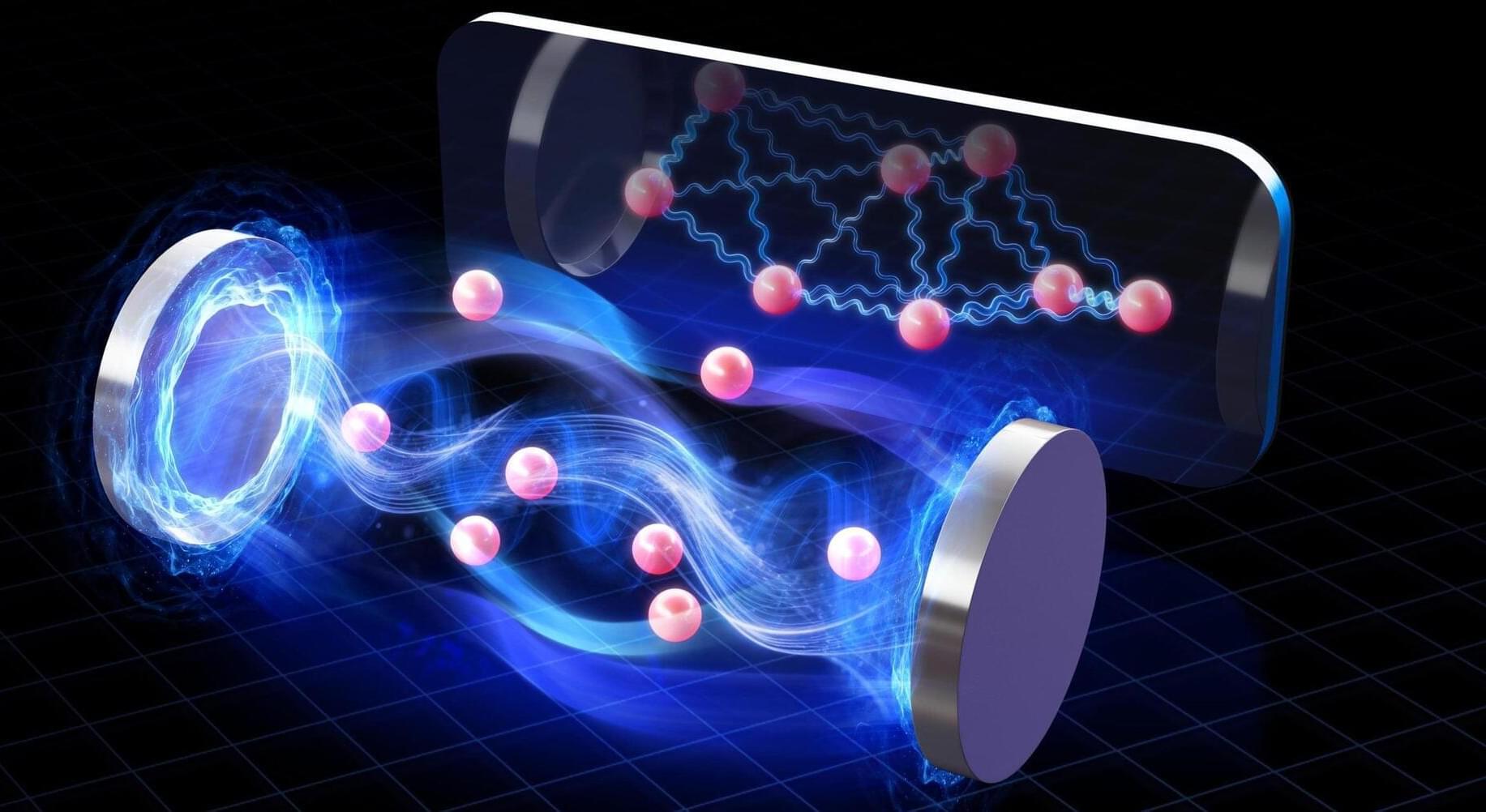
Researchers discovered that when atoms interact and remain entangled with light, they emit stronger, more coordinated bursts of energy.

This breakthrough could lead to faster, more efficient quantum devices and improved control over light-matter systems.

Collective light behavior in cavity systems.

Why some memories last a lifetime while others fade fast

Correlation alone could not answer the key questions, so co-lead Celine Chen created a CRISPR-based screening platform to alter gene activity in the thalamus and cortex. This approach showed that removing certain molecules changed how long memories lasted, and each molecule operated on its own timescale.

Timed Programs Guide Memory Stability

The results indicate that long-term memory relies not on a single on/off switch, but on a sequence of gene-regulating programs that unfold like molecular timers across the brain.

For the first time in history, scientists capture a rare phenomenon in space: a ‘moon factory’ 625 light-years from Earth

In a quiet control room in northern Chile, a dozen people held their breath at the same time.

The monitors glowed a cold blue, showing a disc of dust and gas 625 light-years away, circling a young star known as PDS 70. At first glance, it looked like so many other protoplanetary disks astronomers have seen before. But then the data sharpened, the patterns cleared, and something jumped out that nobody had *ever* seen so clearly: a place where moons are being born in real time.

The room didn’t erupt in shouts. It was slower than that. A whispered “no way”, a chair rolling back, someone rubbing their forehead like they’d been staring at the sun too long. On the screen, the “moon factory” came into focus: a ring of material around a newborn planet, turning raw space dust into future worlds. Everyone present knew they were staring at a first in human history.

This French company signs with a US data‑centre giant to build the world’s first reactor of its kind

As artificial intelligence devours electricity, a quiet nuclear revolution is taking shape deep below future data centers.

Across Europe, tech firms are staring at an uncomfortable equation: soaring digital demand, power grids near saturation, and climate goals that leave little room for more fossil fuels. A young French company now claims it can rewrite that equation with a compact reactor that hides underground and feeds on nuclear waste.

14-Year-Old Wins Prize For Origami That Can Hold 10,000 Times Its Own Weight

While most 14-year-olds are folding paper airplanes, Miles Wu is folding origami patterns that he believes could one day improve disaster relief.

The New York City teen just won $25,000 for a research project based on an origami fold called Miura-ori, which is known for collapsing and expanding with precision.

“I’ve been folding origami as a hobby for more than six years, mostly of animals or insects,” Wu told Business Insider. “Recently I’ve been designing my own origami, too.”

/* */