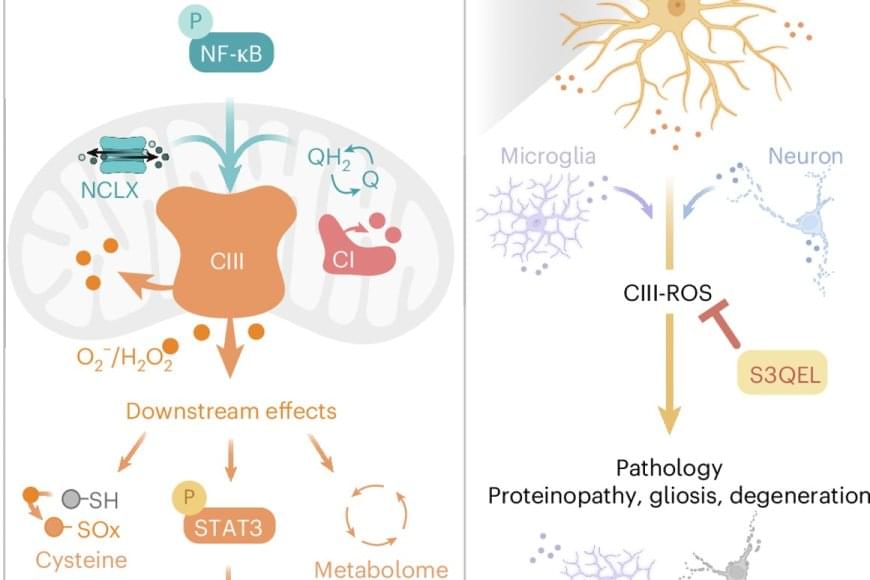
Researchers have discovered that free radicals generated at a specific site in non-neuronal brain cells called astrocytes, may promote dementia, according to a study. Their findings, published in Nature Metabolism, demonstrated that blocking this site lowered brain inflammation and protected neurons, suggesting a novel therapeutic approach for neurodegenerative disorders, including frontotemporal dementia and Alzheimer’s disease.
“I’m really excited about the translational potential of this work,” a co-lead of the research. “We can now target specific mechanisms and go after the exact sites that are relevant for disease.”
The researchers focused on mitochondria—metabolic structures inside cells that generate energy from food and, in the process, release molecules known as reactive oxygen species (ROS). At low levels, ROS play an important role in cell function, but they can be harmful when produced in excess or at the wrong time. “Decades of research implicate mitochondrial ROS in neurodegenerative diseases,” said the other co-lead.