Gut bacteria are evolving fast to handle modern diets. A new Nature study raises a fascinating question about whether microbes could adapt to microplastics next.

In a major step toward understanding how the physical form of DNA shapes human biology, researchers at Northwestern University working with the 4D Nucleome Project have created the most comprehensive maps yet of the genome’s three-dimensional organization over time and space. The work is described in a new study published in Nature.
The research, based on experiments in human embryonic stem cells and fibroblasts, provides an expansive picture of how genes interact with one another, fold into complex structures, and shift their positions as cells carry out normal functions and divide. The study was co-led by Feng Yue, the Duane and Susan Burnham Professor of Molecular Medicine in the Department of Biochemistry and Molecular Genetics.
“Understanding how the genome folds and reorganizes in three dimensions is essential to understanding how cells function,” said Yue, who is also director of the Center for Advanced Molecular Analysis and founding director of the Center for Cancer Genomics at the Robert H. Lurie Comprehensive Cancer Center of Northwestern University. “These maps give us an unprecedented view of how genome structure helps regulate gene activity in space and time.”

Quantum light sources using single-walled carbon nanotubes show promise for quantum technologies but face challenges in achieving precise control over color center formation. Here, we present a novel technique for deterministic creation of single organic color centers in carbon nanotubes using in situ photochemical reaction. By monitoring discrete intensity changes in photoluminescence spectra, we achieve precise control over the formation of individual color centers. Furthermore, our method allows for position-controlled formation of color centers as validated through photoluminescence imaging. We also demonstrate photon antibunching from a color center, confirming the quantum nature of the defects formed. This technique represents a significant step forward in the precise engineering of atomically defined quantum emitters in carbon nanotubes, facilitating their integration into advanced quantum photonic devices and systems.
Tesla is poised to reach a $3 trillion valuation by 2026, driven by its advancements in AI, autonomous vehicles, and robotics, which are expected to outweigh its challenges in EV sales and regulatory pressures ## Questions to inspire discussion.
Autonomous Driving Deployment Timeline.
🚕 Q: What are Tesla’s specific robotaxi deployment targets for 2026?
A: Tesla aims to launch robotaxis without safety drivers in 30 cities by 2026 while significantly expanding geo-fenced areas in cities like Austin, leveraging its 10 million cars on the road to scale autonomy faster than competitors through superior data collection advantage.
🎯 Q: What evidence do investors need to see in 2026 to validate Tesla’s autonomous strategy?
A: Investors must see city-by-city proof of autonomous accuracy, achievement of true level 5 autonomy, measurable regulatory progress, and rapid scaling capability across multiple markets to confirm the long-term bullish thesis.
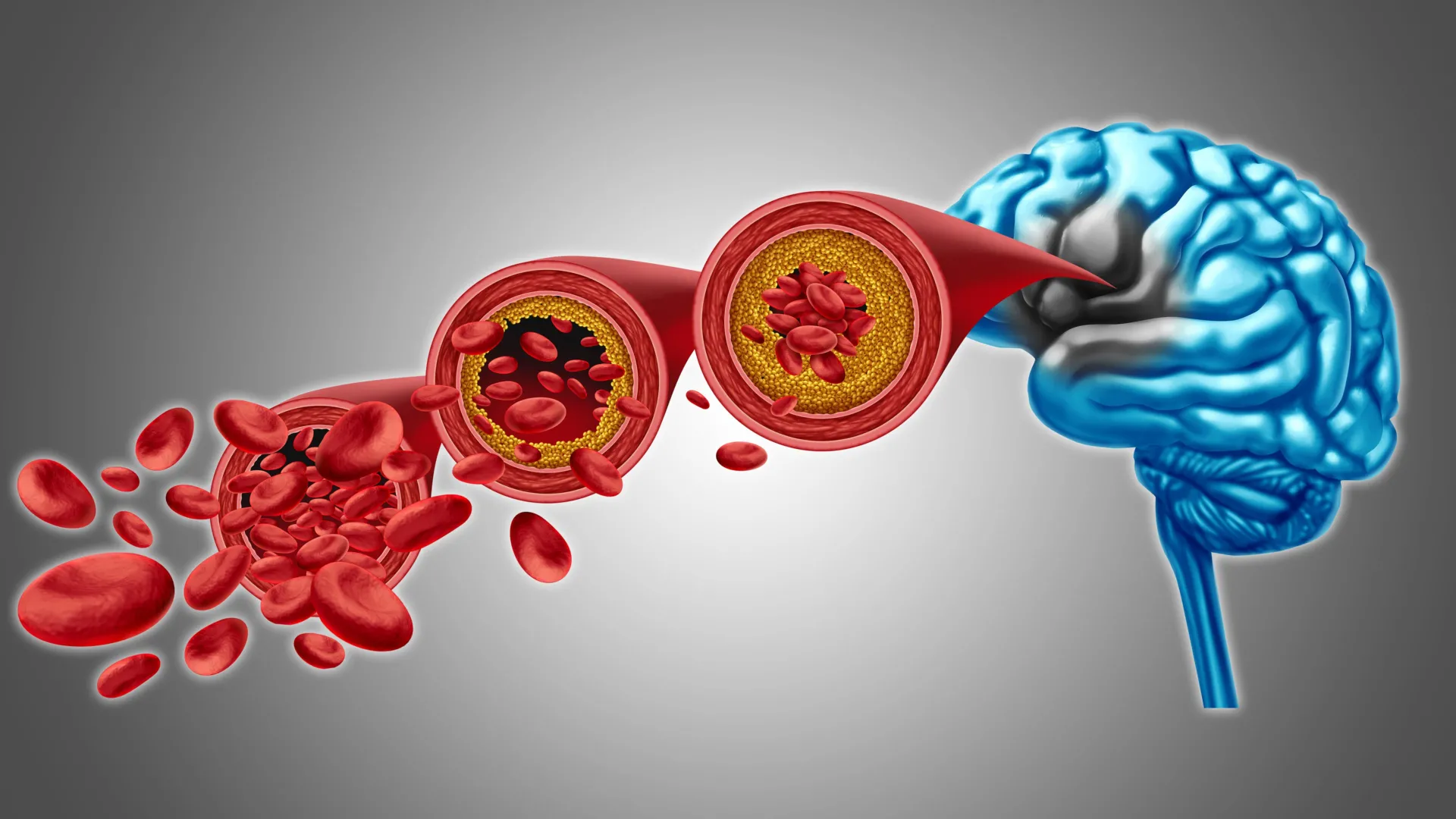
A new study suggests that dementia may be driven in part by faulty blood flow in the brain. Researchers found that losing a key lipid causes blood vessels to become overactive, disrupting circulation and starving brain tissue. When the missing molecule was restored, normal blood flow returned. This discovery opens the door to new treatments aimed at fixing vascular problems in dementia.
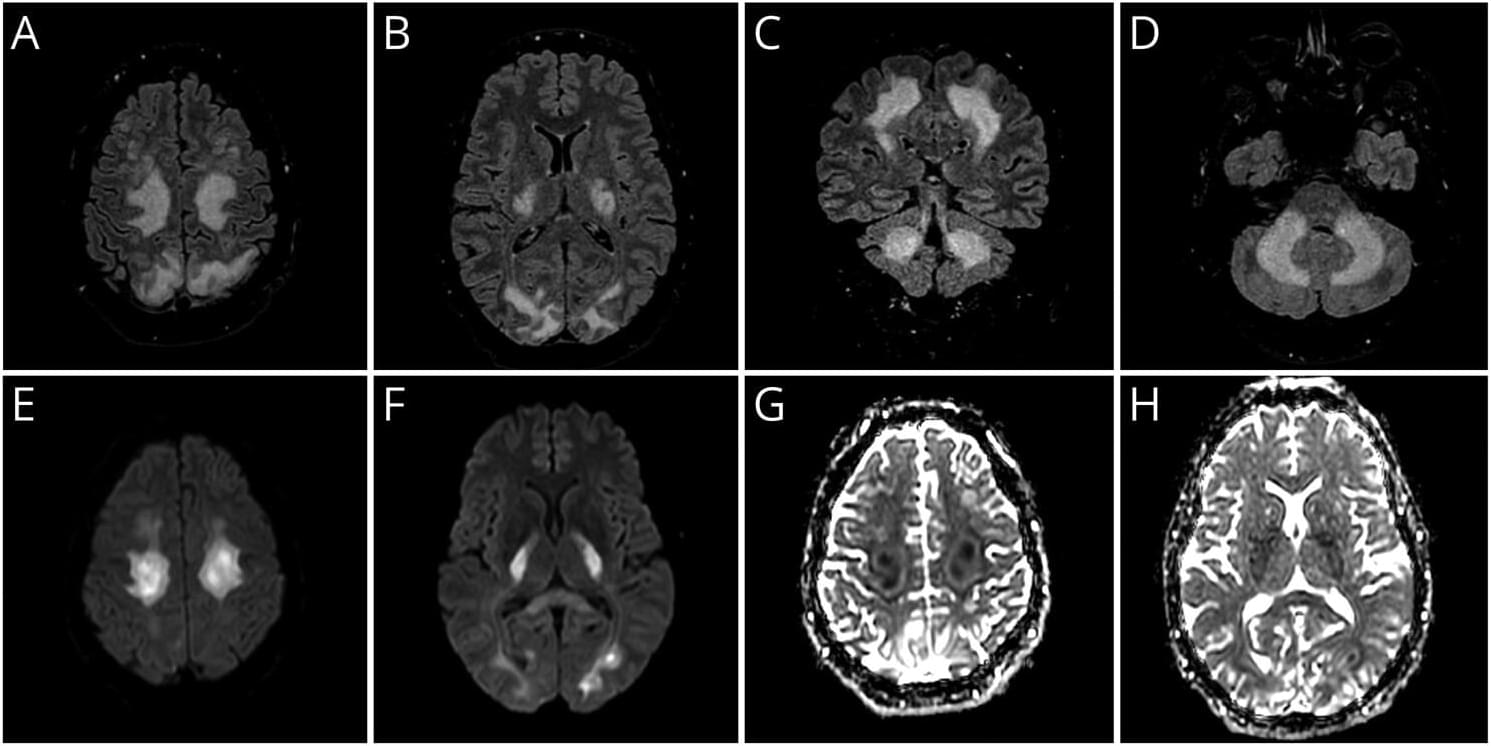
Toxic spongiform: leukoencephalopathy with chronic fentanyl inhalation.
Letters to the Editor.
The Letters section represents an opportunity for ongoing author debate and post-publication peer review. View our submission guidelines for Letters to the Editor before submitting your comment.
By Chuck Brooks
Quantum Computing and the Dismantling of Cryptographic Foundations Quantum technology may be the most transformative long-term influence on the horizon. Although large-scale, fault-tolerant quantum computers may remain years from realization, their expected influence is already transforming cybersecurity strategies. As quantum technology advances, the risk of “harvest now, decrypt later” assaults suggests that today’s encrypted sensitive data could become vulnerable in the future.
From 2026 to 2030, enterprises will increasingly recognize that cryptographic agility is vital. The move to post-quantum cryptography standards means that old systems, especially those in critical infrastructure, financial services, and government networks, need to be fully inventoried, evaluated, and upgraded.
🌏 Get NordVPN 2Y plan + 4 months extra here ➼ https://NordVPN.com/sabine It’s risk-free with Nord’s 30-day money-back guarantee! ✌
Physicists have theorized for decades that chaos doesn’t just destroy order, it can also create it. This could in turn mean that the laws of nature that make our universe the way it is could be emergent from chaos. In a recent study, physicists demonstrated order emerging chaos in an experiment. Let’s take a look.
Paper: https://www.nature.com/articles/s4156… mugs, posters and more: ➜ https://sabines-store.dashery.com/ 💌 Support me on Donorbox ➜ https://donorbox.org/swtg 👉 Transcript with links to references on Patreon ➜ / sabine 📝 Transcripts and written news on Substack ➜ https://sciencewtg.substack.com/ 📩 Free weekly science newsletter ➜ https://sabinehossenfelder.com/newsle… 👂 Audio only podcast ➜ https://open.spotify.com/show/0MkNfXl… 🔗 Join this channel to get access to perks ➜
/ @sabinehossenfelder 📚 Buy my book ➜ https://amzn.to/3HSAWJW #science #sciencenews #physics #chaos.
👕T-shirts, mugs, posters and more: ➜ https://sabines-store.dashery.com/
💌 Support me on Donorbox ➜ https://donorbox.org/swtg.
👉 Transcript with links to references on Patreon ➜ / sabine.
📝 Transcripts and written news on Substack ➜ https://sciencewtg.substack.com/
📩 Free weekly science newsletter ➜ https://sabinehossenfelder.com/newsle…
👂 Audio only podcast ➜ https://open.spotify.com/show/0MkNfXl…
🔗 Join this channel to get access to perks ➜
/ @sabinehossenfelder.
📚 Buy my book ➜ https://amzn.to/3HSAWJW
#science #sciencenews #physics #chaos
Of course, many people are familiar with the impressive mental abilities of the corvid family (crows, ravens, magpies, and jays), but even everyday avians like pigeons and chickens, would score surprisingly high on Newen and Montemayor’s consciousness scale. In one experiment known as the “mirror-audience test,” roosters were placed in an enclosure with a barrier separating them. When the shadow of a bird of prey was projected overhead, the test rooster warned its fellow conspecific (member of the same species), and when it was alone, it did not. Interestingly, when a mirror was placed in the enclosure to replace the previously see-through barrier, the test rooster did not warn its conspecific partner, even though the animal remained on the other side of the mirror, suggesting that the rooster was able to differentiate itself from other members of its own species.
“The presented results add to the growing body of evidence that consciousness may be present in many parts of the animal kingdom, across species that are phylogenetically distant from each other and have remarkably different brain structures,” the authors wrote. “Consciousness should not be deemed as an ‘all-or-nothing’ cognitive function but rather as a graded and multi-dimensional process.”