
💊 Why “natural” doesn’t always mean safe, and how to protect your liver with smarter choices
Get the latest international news and world events from around the world.

Bryan Johnson’s Plasma Replacement: The Most Extreme Longevity Biohack Yet?
Inside the full-body blood swap experiment that’s sparking debate across the anti-aging world

Omega-3 Might Help You Age Slower
New clinical trial shows daily omega-3 supplements reduce biological aging in older adults

☀️ The Longevity Side of Sunlight: What Science Really Says
Could avoiding the sun actually shorten your life? Let’s dig into the real data behind sunlight, aging, and why moderation—not fear—is key.
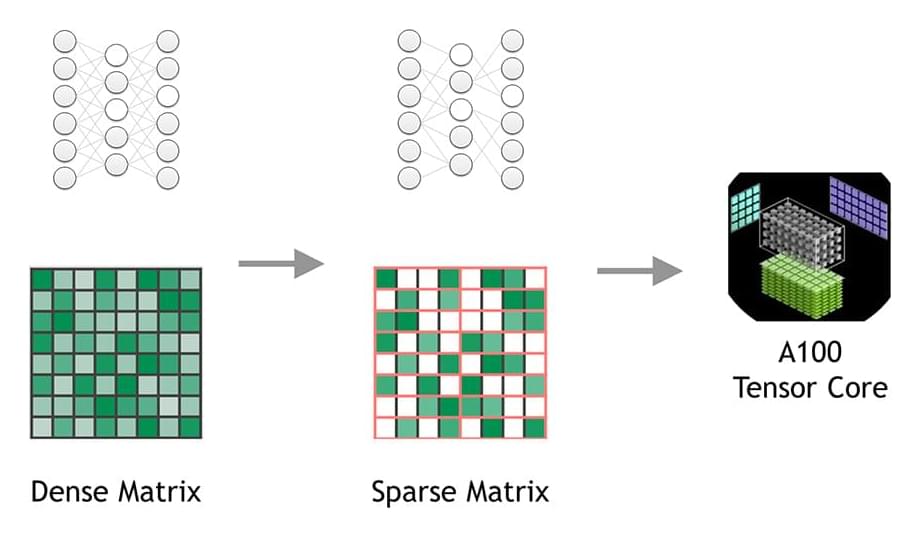
The Art of LLM Inference: Fast, Fit, and Free
What 20+ papers and open-source projects taught me about cracking LLM inference
Facing Superintelligence (with Ben Goertzel)
On this episode, Ben Goertzel joins me to discuss what distinguishes the current AI boom from previous ones, important but overlooked AI research, simplicity versus complexity in the first AGI, the feasibility of alignment, benchmarks and economic impact, potential bottlenecks to superintelligence, and what humanity should do moving forward.
Timestamps:
00:00:00 Preview and intro.
00:01:59 Thinking about AGI in the 1970s.
00:07:28 What’s different about this AI boom?
00:16:10 Former taboos about AGI
00:19:53 AI research worth revisiting.
00:35:53 Will the first AGI be simple?
00:48:49 Is alignment achievable?
01:02:40 Benchmarks and economic impact.
01:15:23 Bottlenecks to superintelligence.
01:23:09 What should we do?

A prime position for organoid research
A new initiative in Japan aims to produce digital clones of patients to find the best treatments and help bring truly personalized medicine closer to reality.
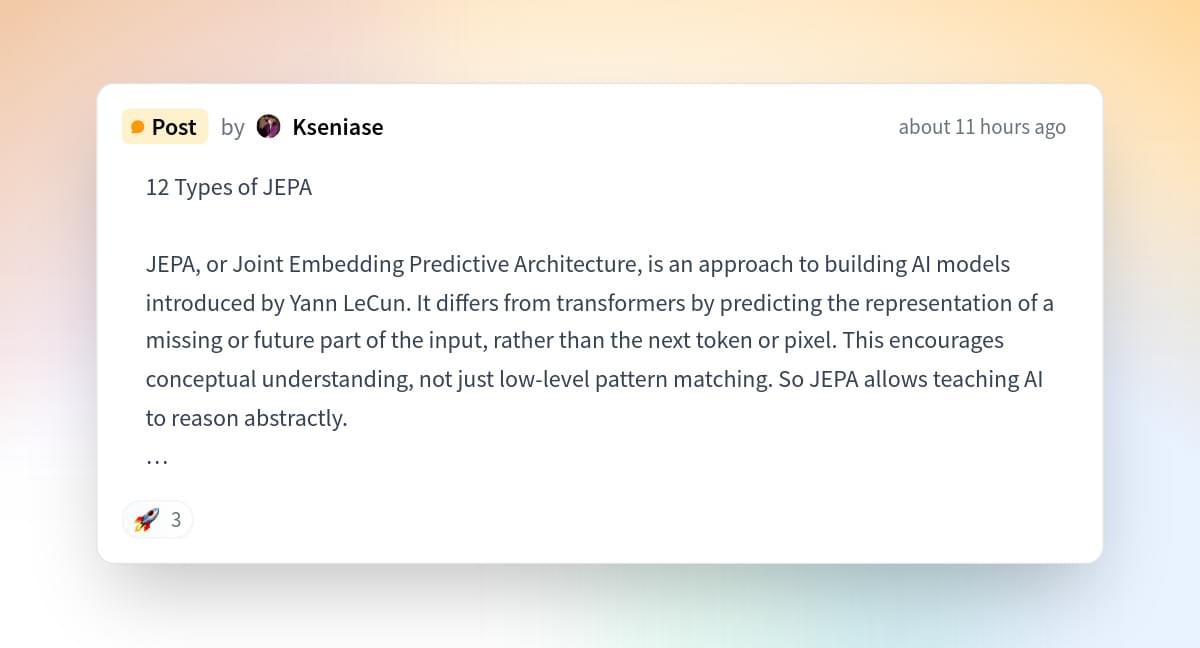
@Kseniase on Hugging Face: “12 Types of JEPA JEPA, or Joint Embedding Predictive Architecture, is an…”
We’re on a journey to advance and democratize artificial intelligence through open source and open science.

Stress Hampers Emotional Regulation in Anxiety, Depression & BPD
New research reveals that acute stress can impair key brain functions involved in emotion regulation, particularly in individuals with distress-related disorders like depression, anxiety, and borderline personality disorder.
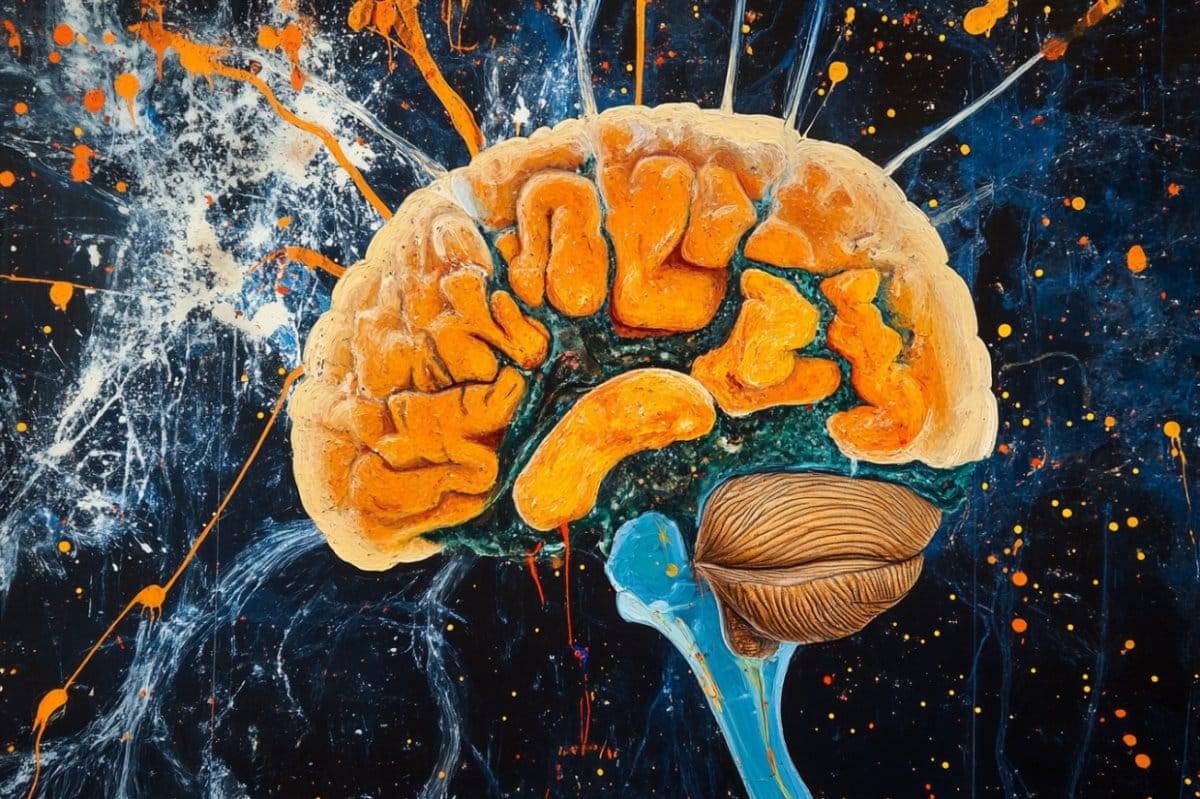
New Tool Tracks Individual Brain Cells in Mice for Up to 99 Days
Tracking the same neurons in the brain over time has long challenged neuroscientists using calcium imaging in freely moving mice.