Scientific Reports volume 15, Article number: 42,309 (2025) Cite this article.
Scientific Reports volume 15, Article number: 42,309 (2025) Cite this article.
This achievement removes one of the biggest roadblocks in quantum materials science and brings practical quantum devices much closer to reality.
Quantum emitters work by releasing single photons, individual packets of light, on demand. This ability is critical because quantum technologies rely on absolute control over light and information.
The problem has always been visibility and control. The exact atomic defects responsible for these emitters are incredibly small and difficult to observe. Scientists could either study how they emit light or examine their atomic structure—but not both at the same time.
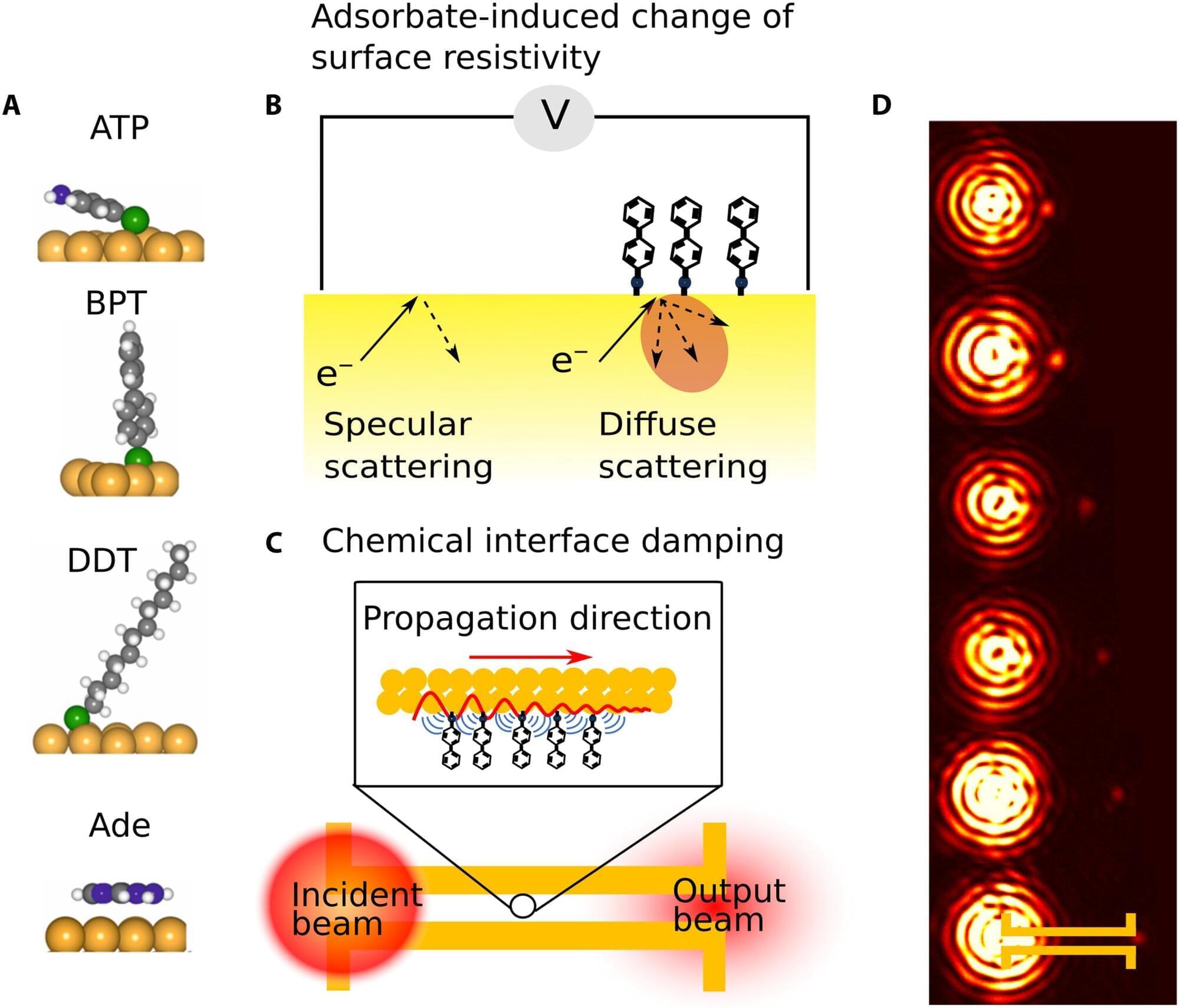
Metal nanostructures can concentrate light so strongly that they can trigger chemical reactions. The key players in this process are plasmons—collective oscillations of free electrons in the metal that confine energy to extremely small volumes. A new study published in Science Advances now shows how crucial adsorbed molecules are in determining how quickly these plasmons lose their energy.
The team led by LMU nanophysicists Dr. Andrei Stefancu and Prof. Emiliano Cortés identified two fundamentally different mechanisms of so-called chemical interface damping (CID), the plasmon damping caused by adsorbed molecules. Which mechanism dominates depends on how the electronic states of the molecule align with those of the metal surface, gold in this case—and this alignment is even reflected in the material’s electrical resistance.
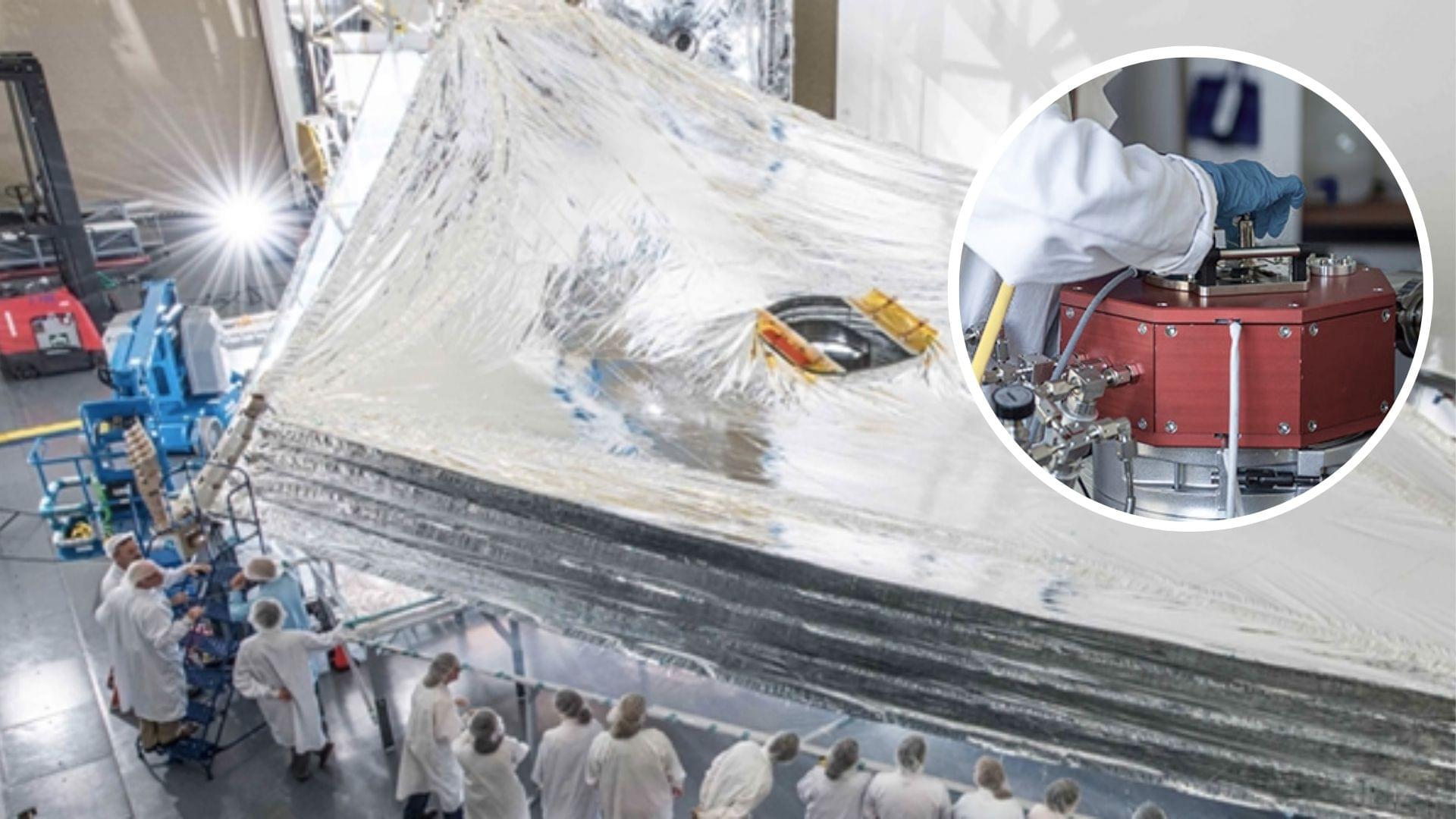
Researchers have found that they could use highly insulating aluminum-coated polymer film to improve the performance of flexible electronics and medical sensors.
Currently, the aluminum-coated polymer film is used to shield satellites from temperature extremes.
Researchers at Empa have succeeded in making the material even more resistant by implementing an ultra-thin intermediate layer.
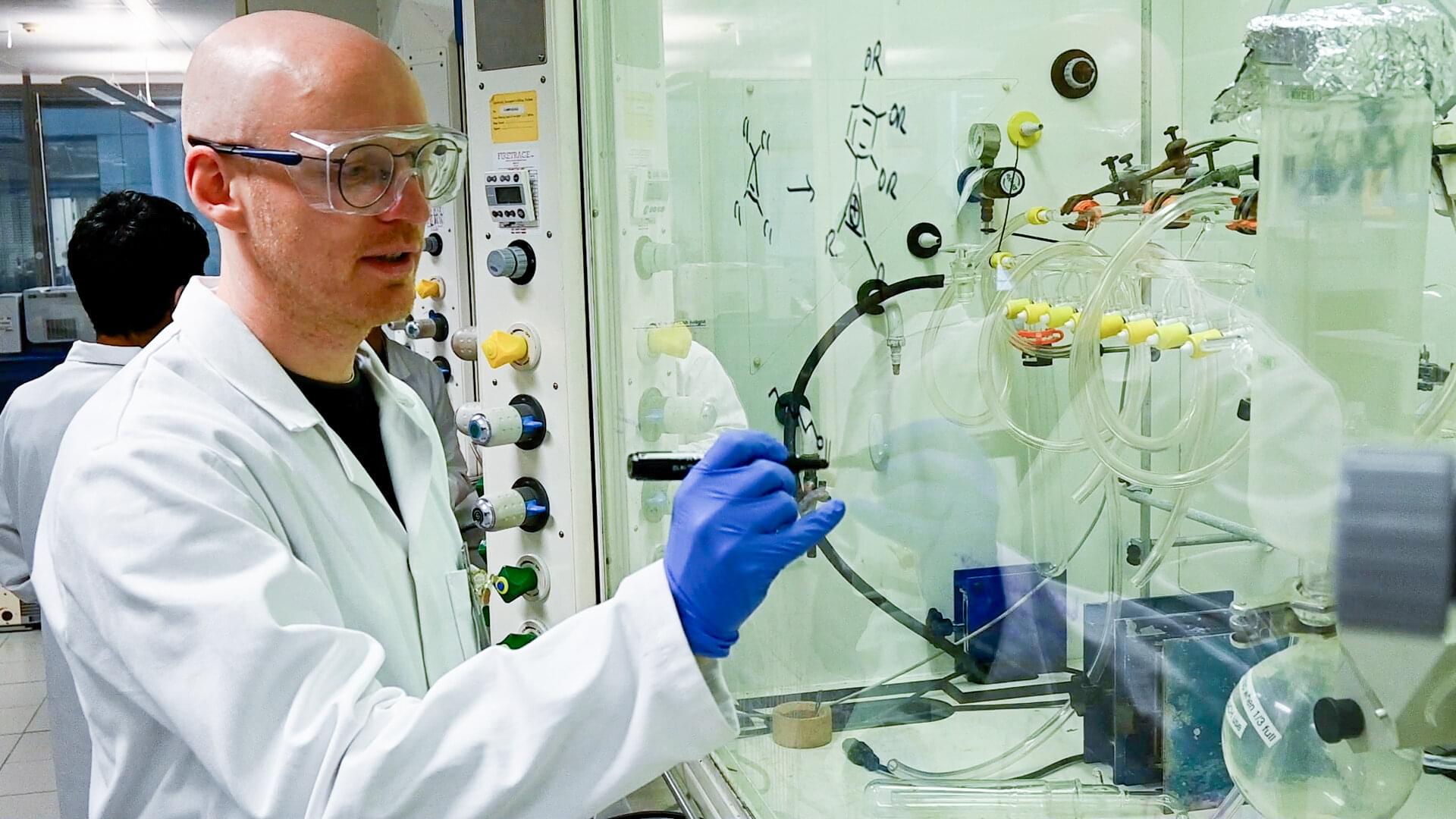
Normally, when liquids solidify, their molecules become locked in place, making it much harder for ions to move and leading to a steep decrease in ionic conductivity. Now, scientists have synthesized a new class of materials, called state-independent electrolytes (SIEs), that break that rule.
The paper is published in the journal Science.
On a Sunday evening earlier this month, a Stanford professor held a salon at her home near the university’s campus. The main topic for the event was “synthesizing consciousness through neuroscience,” and the home filled with dozens of people, including artificial intelligence researchers, doctors, neuroscientists, philosophers and a former monk, eager to discuss the current collision between new AI and biological tools and how we might identify the arrival of a digital consciousness.
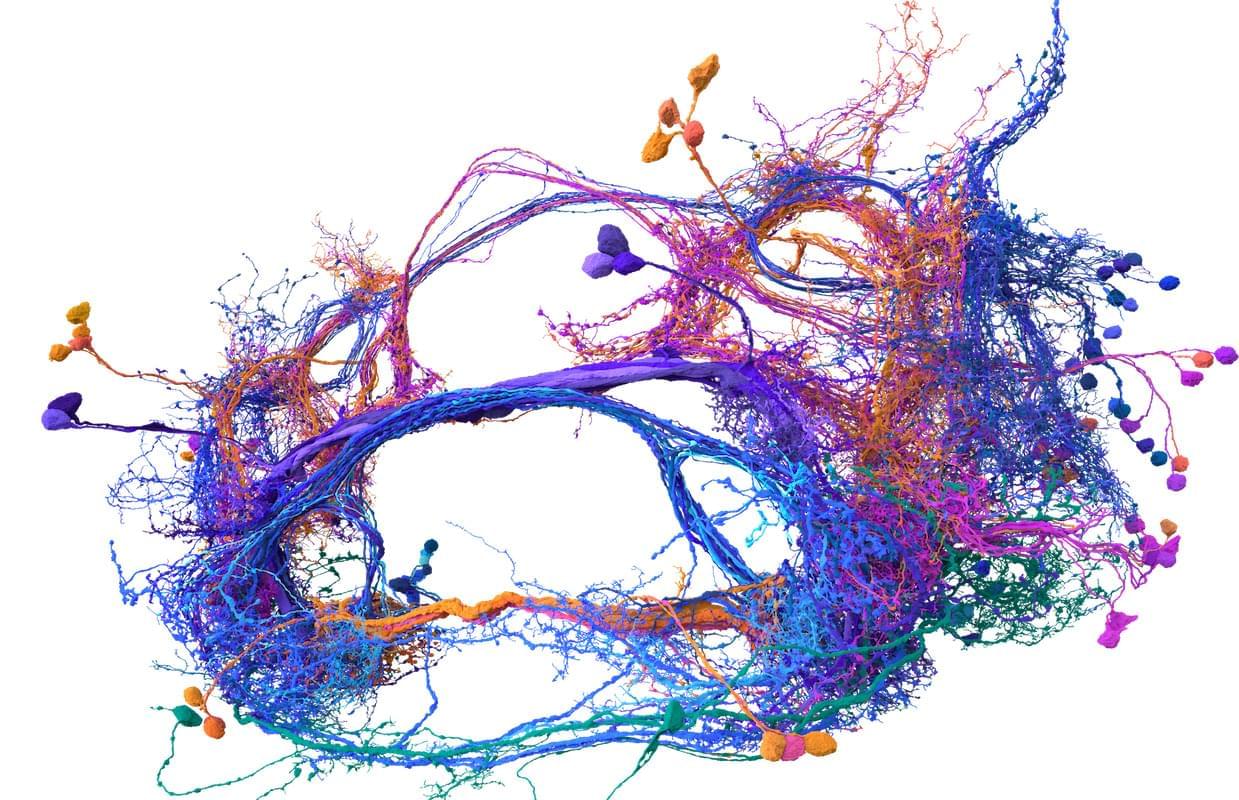
The opening speaker for the salon was Sebastian Seung, and this made a lot of sense. Seung, a neuroscience and computer science professor at Princeton University, has spent much of the last year enjoying the afterglow of his (and others’) breakthrough research describing the inner workings of the fly brain. Seung, you see, helped create the first complete wiring diagram of a fly brain and its 140,000 neurons and 55 million synapses. (Nature put out a special issue last October to document the achievement and its implications.) This diagram, known as a connectome, took more than a decade to finish and stands as the most detailed look at the most complex whole brain ever produced.
Meet Memazing.
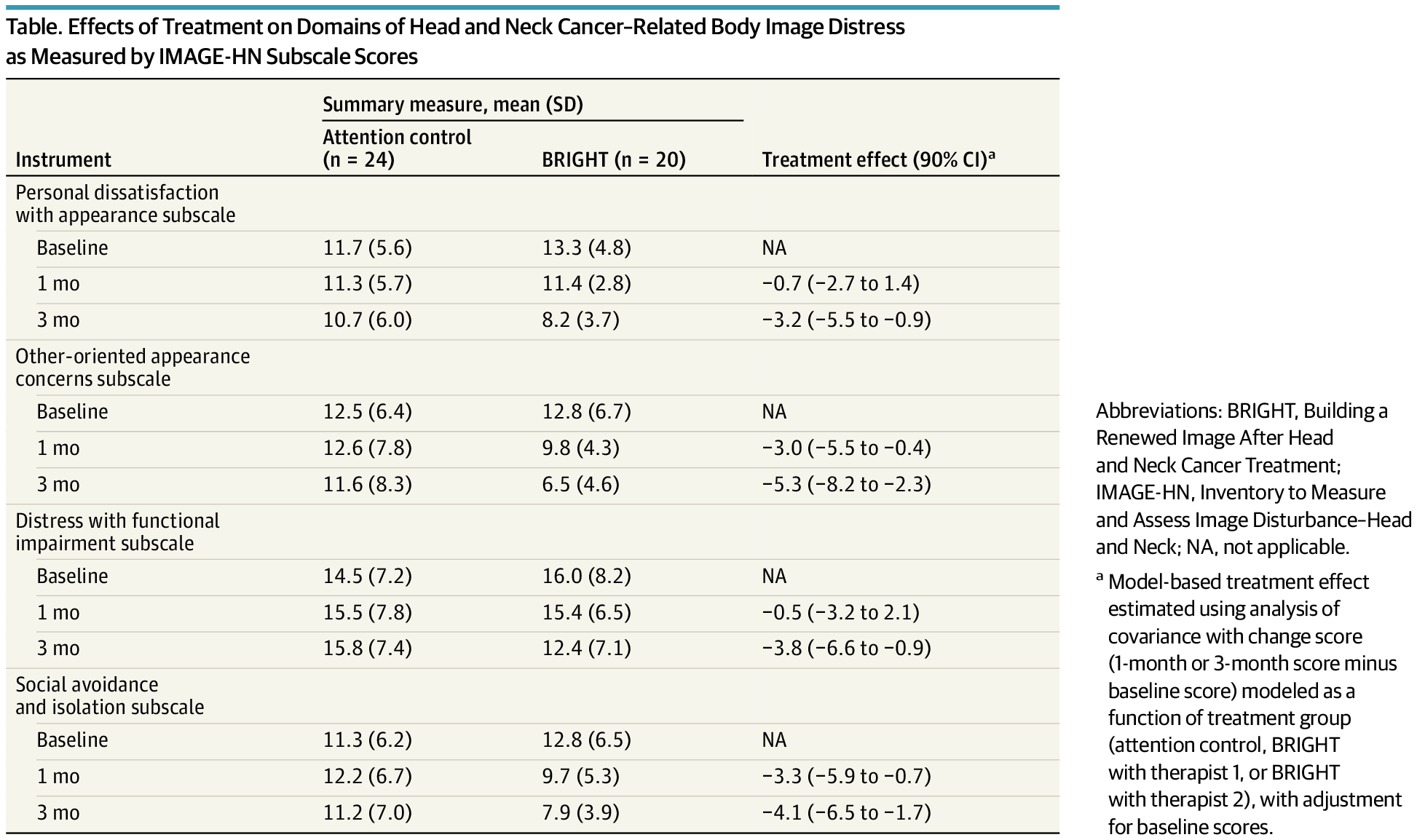
The BRIGHT program, a brief cognitive behavioral treatment, effectively reduced body image distress across multiple domains in head and neck cancer survivors.
This secondary analysis of a randomized clinical trial evaluates whether a brief, tailored cognitive behavioral treatment program is effective across multiple domains of head and neck cancer–related body image distress.
Translated and dubbed using AI#southkorea #newstoday #samsung☞ Subscribe to MBN YouTube ☞ https://goo.gl/6ZsJGT📢 MBN YouTube Community
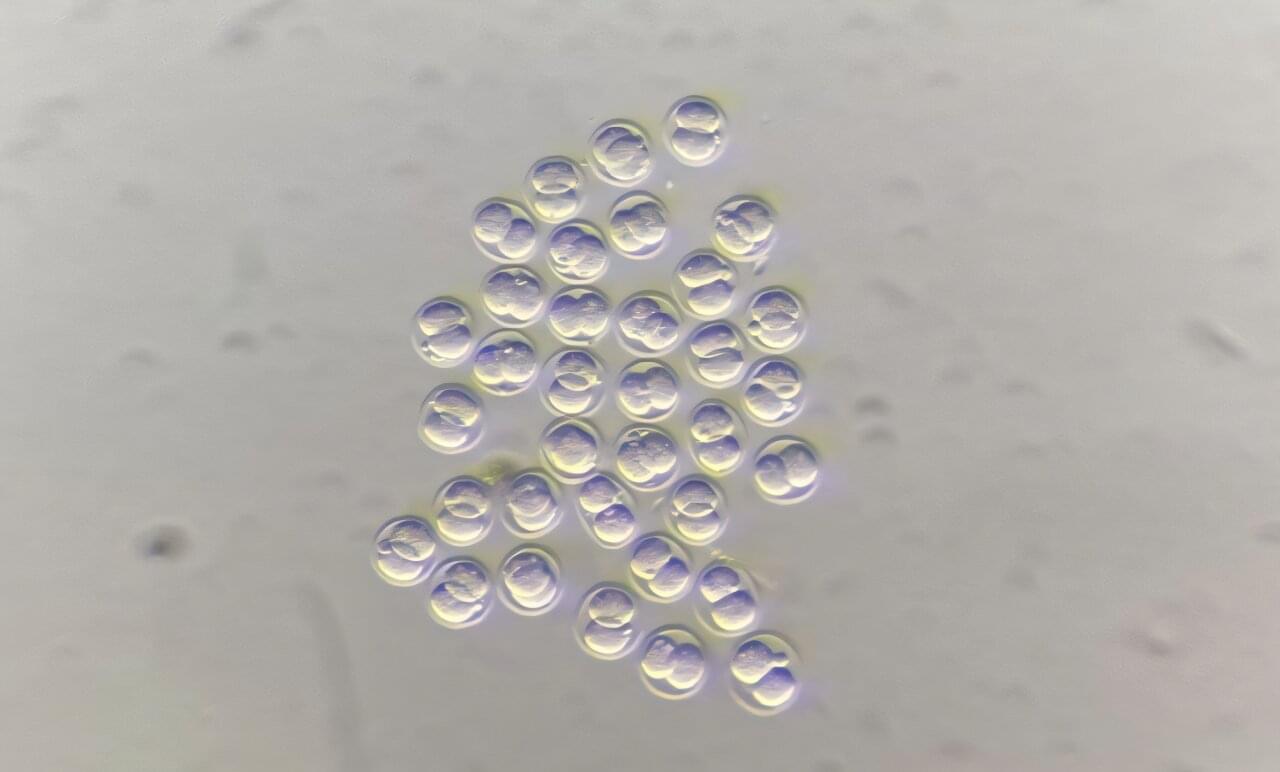
A new study from the MRC Laboratory of Medical Sciences (LMS) in London, UK reveals how ancient viral DNA once written off as “junk” plays a crucial role in the earliest moments of life. The research, published in Science Advances, begins to untangle the role of an ancient viral DNA element called MERVL in mouse embryonic development and provides new insights into a human muscle wasting disease.
Transposable elements are stretches of DNA that can move around the genome. Many of these DNA sequences originate from long ago, when viruses inserted their genetic material into our ancestors’ genomes during infection. Today, these viral transposable elements make up around 8–10% of the mammalian genome.
Once disregarded as “junk” DNA, we now know that many transposable elements play an important role in influencing how genes are turned on and off, especially during early development. They have a variety of beneficial and harmful roles in the body, for example, some help regulate normal immune responses, while others can disrupt genes and contribute to diseases like cancer.