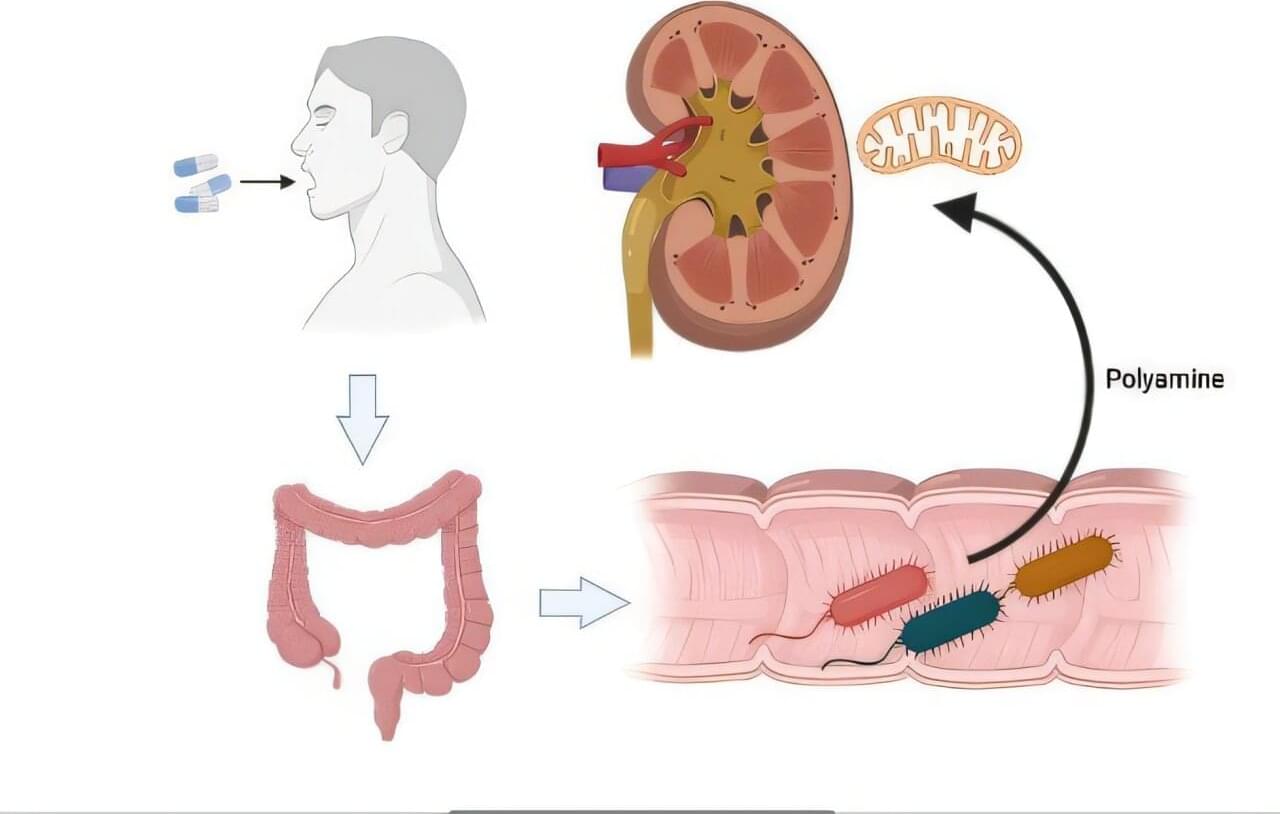
Administering lubiprostone alters gut microbiota, leading to improved mitochondrial function and suppression of inflammation.
Get the latest international news and world events from around the world.
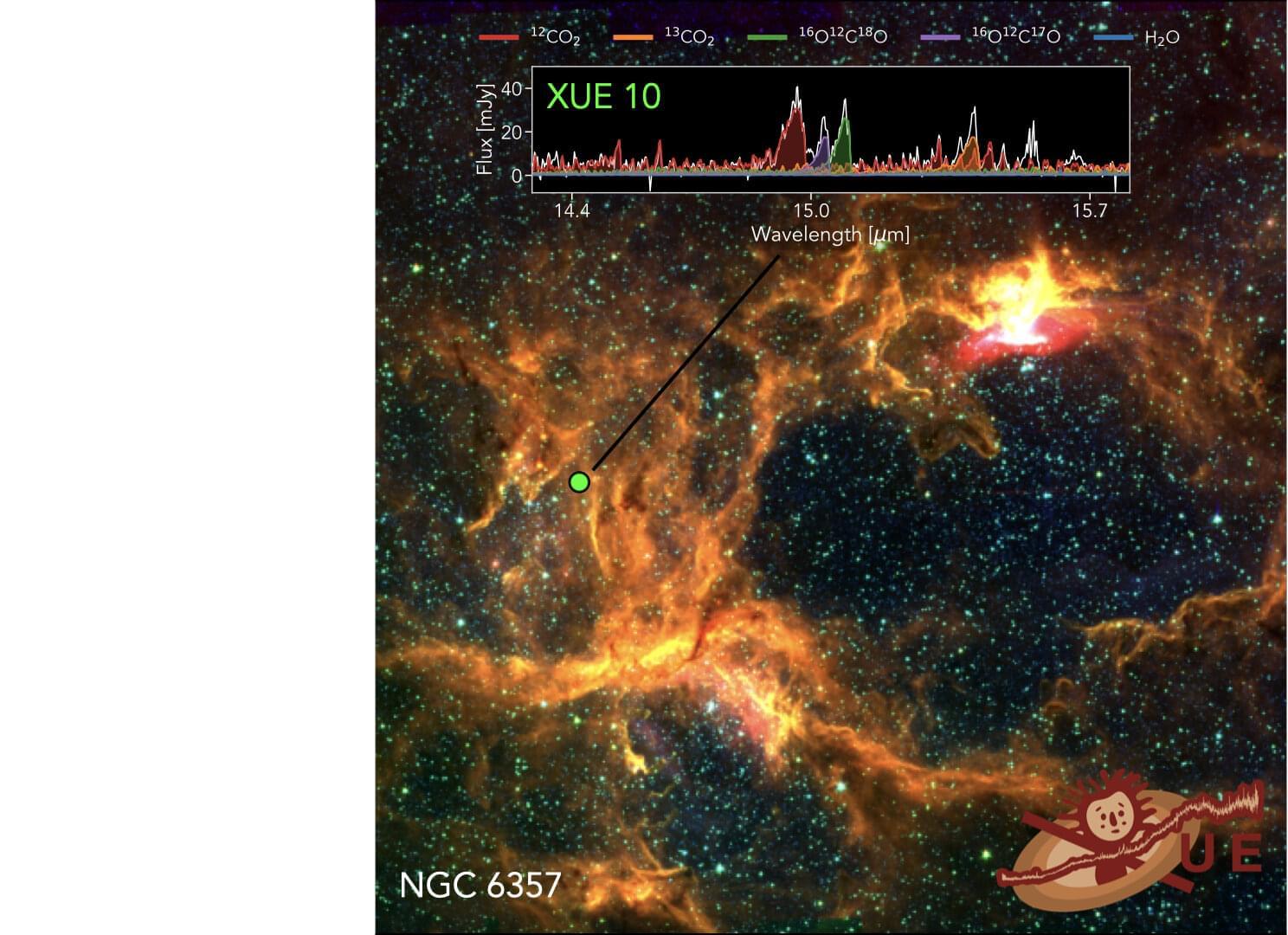
Unusual CO₂-rich disk detected around young star challenges planet formation models
A study led by Jenny Frediani at Stockholm University has revealed a planet-forming disk with a strikingly unusual chemical composition: an unexpectedly high abundance of carbon dioxide (CO2) in regions where Earth-like planets may one day form.
The discovery, made using the James Webb Space Telescope (JWST), challenges long-standing assumptions about the chemistry of planetary birthplaces. The study is published in Astronomy & Astrophysics.
“Unlike most nearby planet-forming disks, where water vapor dominates the inner regions, this disk is surprisingly rich in carbon dioxide,” says Jenny Frediani, Ph.D. student at the Department of Astronomy, Stockholm University.
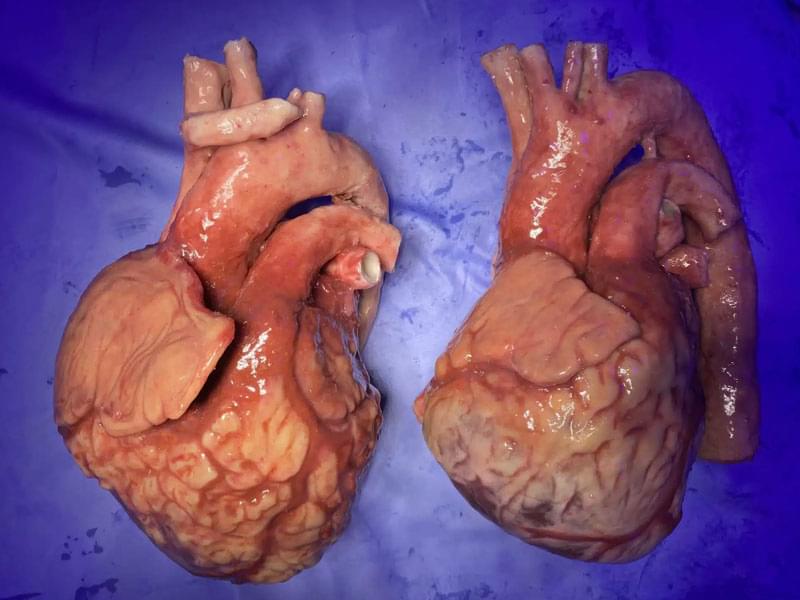
The Future of 3D-Printed Human Organs and Body Parts
Experts predict that fully functional, transplantable organs could become a reality within two decades, fundamentally reshaping medicine.

Your Red Is My Red: Shared Brain Codes for Color
Human brains share common patterns of activity when perceiving colors, suggesting universal neural coding of color.

Rethinking how our brains build the neural networks underlying motor memories
For every motor skill you’ve ever learned, whether it’s walking or watchmaking, there is a small ensemble of neurons in your brain that makes that movement happen. Our brains trigger these ensembles—what we sometimes call “muscle memories”—to get our bodies cooking, showering, typing, and every other voluntary thing we do.
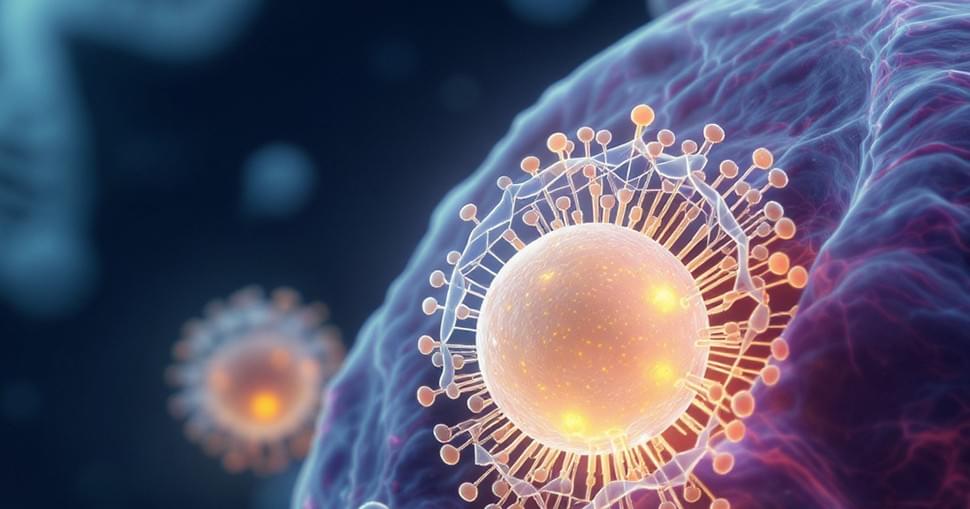
CRISPR’s efficiency triples with DNA-wrapped nanoparticles
EVANSTON, IL. — With the power to rewrite the genetic code underlying countless diseases, CRISPR holds immense promise to revolutionize medicine. But until scientists can deliver its gene-editing machinery safely and efficiently into relevant cells and tissues, that promise will remain out of reach.
Now, Northwestern University chemists have unveiled a new type of nanostructure that dramatically improves CRISPR delivery and potentially extends its scope of utility.
Called lipid nanoparticle spherical nucleic acids (LNP-SNAs), these tiny structures carry the full set of CRISPR editing tools — Cas9 enzymes, guide RNA and a DNA repair template — wrapped in a dense, protective shell of DNA. Not only does this DNA coating shield its cargo, but it also dictates which organs and tissues the LNP-SNAs travel to and makes it easier for them to enter cells.
New system delivers CRISPR machinery more safely and effectively into cells.
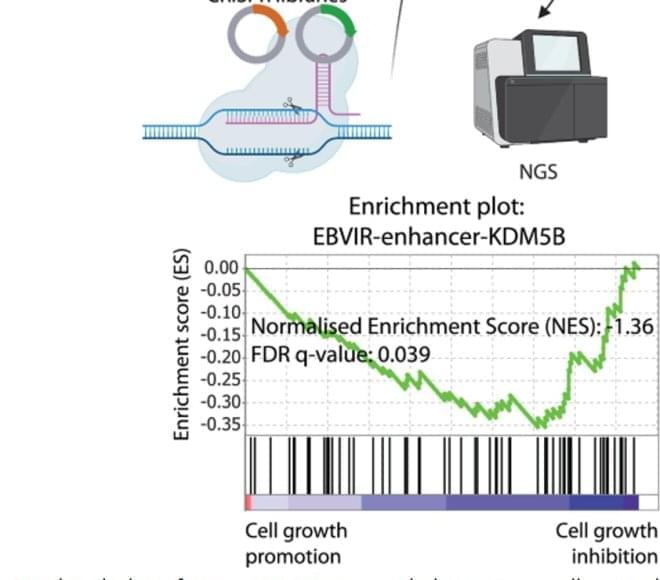
Viral mechanism behind nasopharyngeal cancer spread
Lymphoid structures and thermogenic adipose tissue interplay!
The presence of active thermogenic adipose tissue (TAT) has been related to better cardiometabolic health.
While immunity and metabolism were once considered distinct domains, emerging evidence highlights the critical role of infiltrated immune cells in orchestrating the development and activation of TAT. Despite this novel function of infiltrated immune cells, scarce research has focused on the role that organized lymphoid structures like lymph nodes (LNs) and lymphatics exert on TAT metabolism.
The presence of peripheral LNs relates to a higher browning and thermogenic capacity of the surrounding fat, at least in part, through the secretion of factors like IL-33 and CCL22, and the higher number of BST2-beige adipocyte progenitors compared to more distant fat.
The lymphatic vasculature also influences TAT function and adaptive thermogenesis through the secretion of neurotensin by the lymphatic endothelial cells.
Future research should elucidate whether exploiting the lymphoid tissue– TAT axis could constitute a potential therapeutic target to activate TAT. #sciencenewshighlights #ScienceMission https://sciencemission.com/lymphoid-structures-and-thermogenic-adipose-tissue
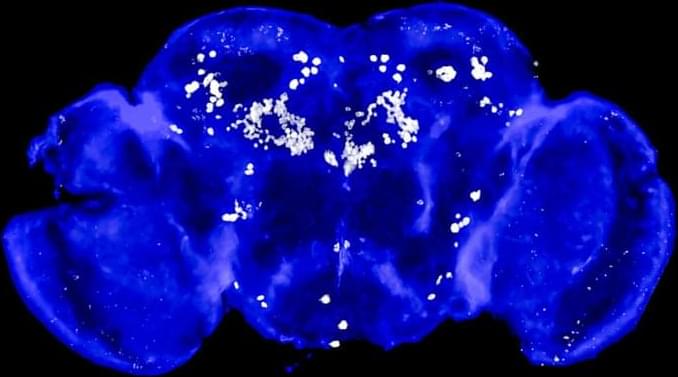
Fusobacterium nucleatum enhances amphetamine-induced behavioral responses through a butyrate-driven epigenetic mechanism
Amphetamine exerts its psychomotor effects in flies by acting on the gut-brain axis.

Vulnerability Allows Anyone to DDoS Websites Using Facebook Servers
Vulnerability in Facebook Notes Allows Anyone to perform Distributed Denial of Service (DDoS) attack against any Website Using Facebook Servers.
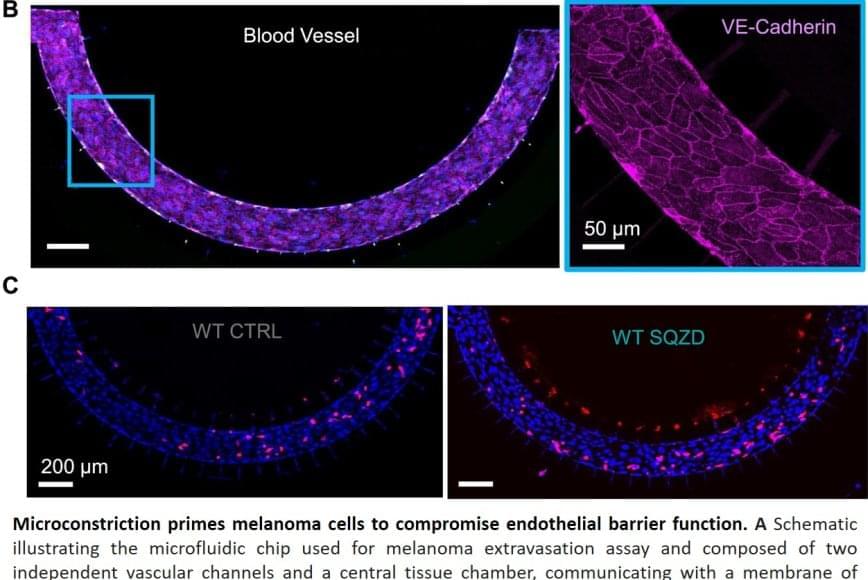
How capillary constriction triggers metastasis
Nine of the 10 most common cancer deaths are caused by solid tumours, but in most cases it’s the cancer’s spread to other parts of the body – known as metastasis – that proves fatal.
Now, researchers have uncovered a potential trigger for metastasis: the squeezing of cancer cells by the tiniest of veins that transforms them into a different type of cell now able to form new tumors.
In a study published in Nature Communications, the scientists described how they constructed a biomedical device that simulated blood flow through our narrowest blood veins. They showed that when human melanoma cancer cells are forced through channels narrower than 10 micrometres – about a fifth the width of a human hair – they begin to behave more like stem cells, gaining traits that could help them survive, spread, and form new tumors.