A tool, called mitoDREADD-Gs, improves memory in Alzheimer’s and dementia mouse models by boosting mitochondrial activity.
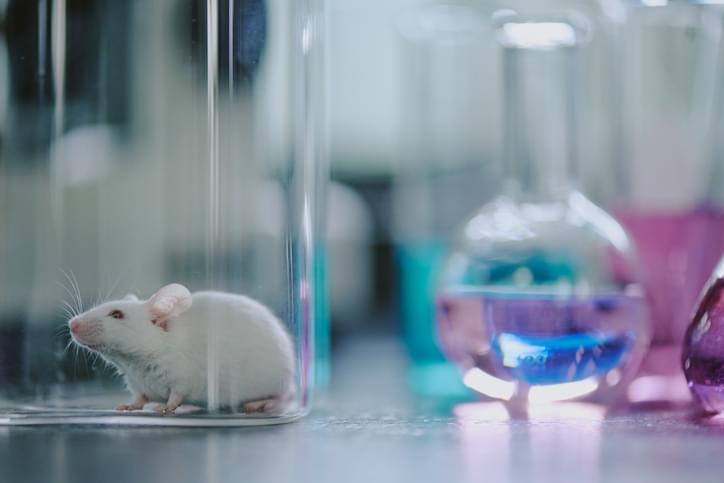
A tool, called mitoDREADD-Gs, improves memory in Alzheimer’s and dementia mouse models by boosting mitochondrial activity.

A pair of quantum experimenters that share two entangled particles may be able to pass some of that entanglement to other pairs – and keep sharing it again and again
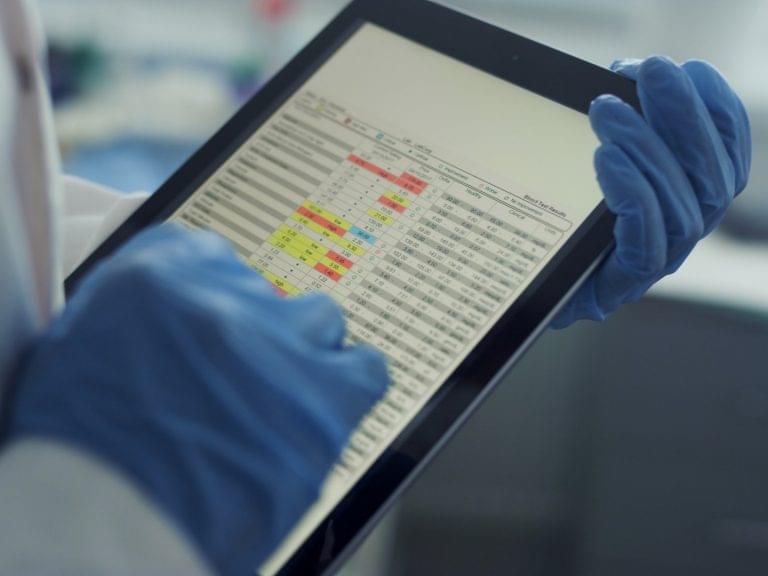
A new artificial intelligence tool will help Stanford Health Care physicians inform patients of their test results, with the goal of reducing administrative tasks.
In the wake of multiple patient deaths from liver injuries related to Sarepta Therapeutics’ AAV gene therapy platform, some in the sector are looking for ways to improve the current technology, while others are eager to move on.
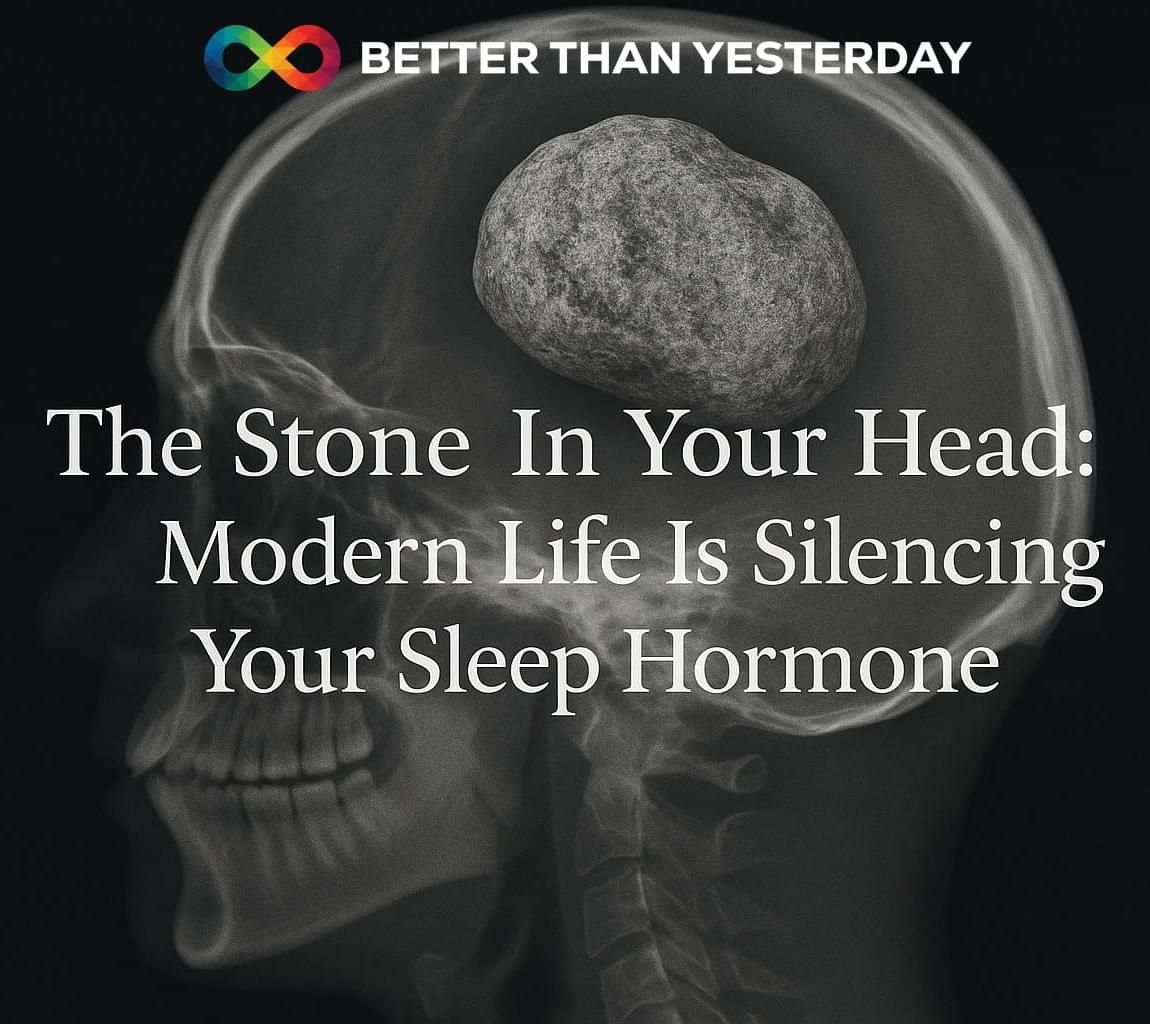
The tiny gland that controls your sleep, mood, and recovery is under attack — here’s how biohackers defend it against modern life.

A new study has uncovered why the blood-brain barrier — the brain’s protective shield — becomes leakier with age, potentially triggering memory decline.

Polymer-based modulation of gold-gold gap could yield new types of hologram.
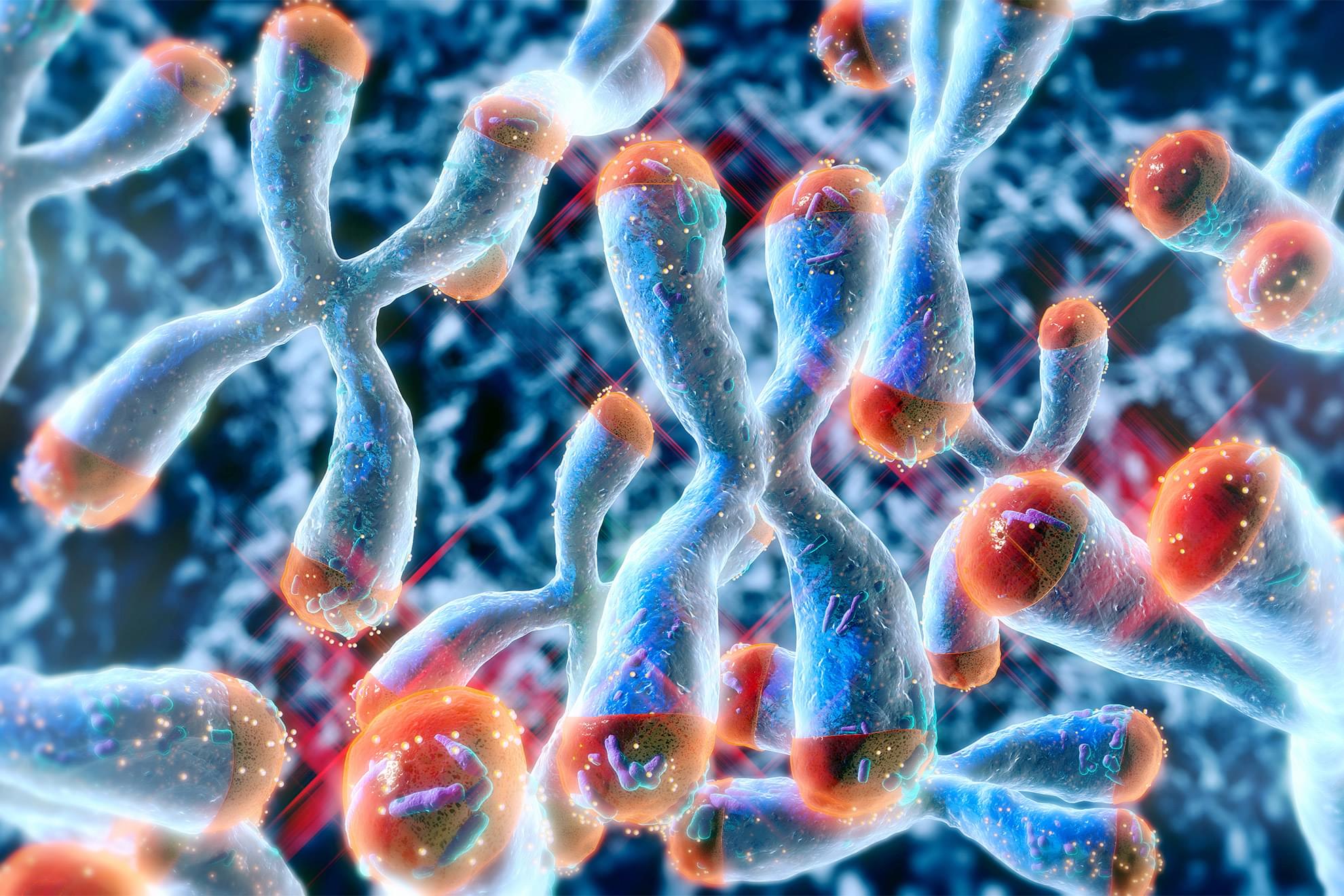
Results from a randomized controlled trial reveal that vitamin D supplementation helps maintain telomeres, protective caps at the ends of chromosomes that shorten during aging and are linked to the development of certain diseases.
The new report, which is published in The American Journal of Clinical Nutrition, is based on data from a VITAL (VITamin D and OmegA-3 TriaL) sub-study co-led by researchers at the Harvard-affiliated Mass General Brigham and the Medical College of Georgia, and supports a promising role in slowing a pathway for biological aging.
“VITAL is the first large-scale and long-term randomized trial to show that vitamin D supplements protect telomeres and preserve telomere length,” said co-author JoAnn Manson, the principal investigator of VITAL and chief of the Division of Preventive Medicine at Harvard-affiliated Brigham and Women’s Hospital and the Michael and Lee Bell Professor of Women’s Health at Harvard Medical School.
Trial shows protection against telomere shortening, which heightens disease risk.
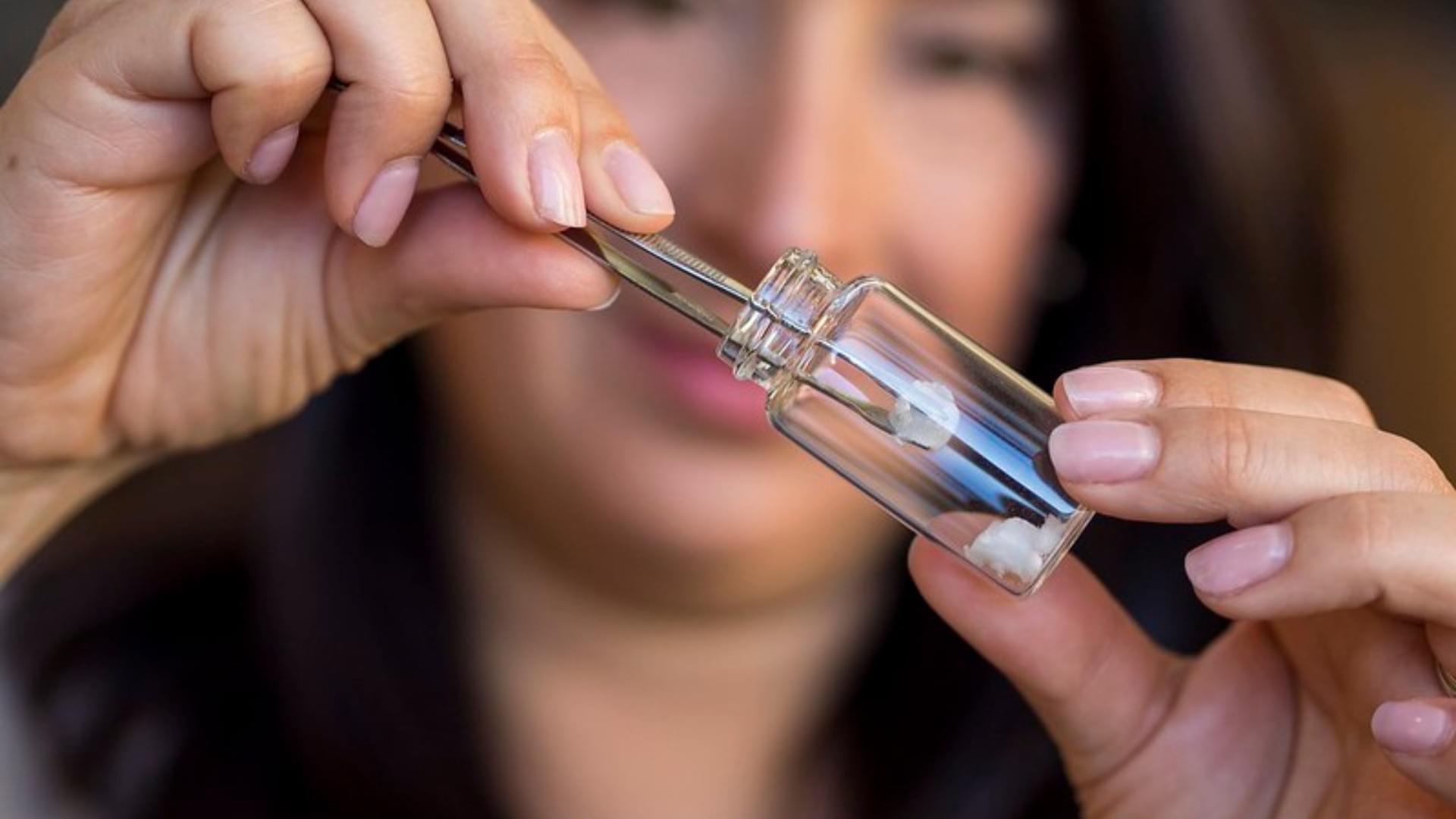
Canadian innovations are leading the way in the commercialization and industrial production of nanocellulose.
Paris, France, Cambridge, USA, June 24, 2025 – TISSIUM, a MedTech company pioneering biomorphic programmable polymers for tissue reconstruction, today announced that the U.S. Food and Drug Administration (FDA) has granted De Novo marketing authorization for COAPTIUM® CONNECT with TISSIUM Light, a first-of-its-kind atraumatic sutureless solution for peripheral nerve repair.
This authorization represents a pivotal regulatory milestone for TISSIUM, further validating its biopolymer platform and enabling U.S. commercialization of its first product. COAPTIUM® CONNECT is now the only FDA-authorized system designed for atraumatic sutureless nerve coaptation. Christophe Bancel, Co-Founder and CEO of TISSIUM said: “This FDA marketing authorization validates over a decade of scientific and clinical commitment to developing next-generation solutions in tissue reconstruction. COAPTIUM® CONNECT is the first demonstration of the transformative potential of our polymer platform and an important step in making atraumatic tissue repair available to patients.”
This regulatory milestone marks TISSIUM’s entry into the U.S. market and establishes the foundation of the TISSIUM polymer platform for atraumatic tissue repair.