Toggle light / dark theme

Get the latest international news and world events from around the world.

Log in for authorized contributors

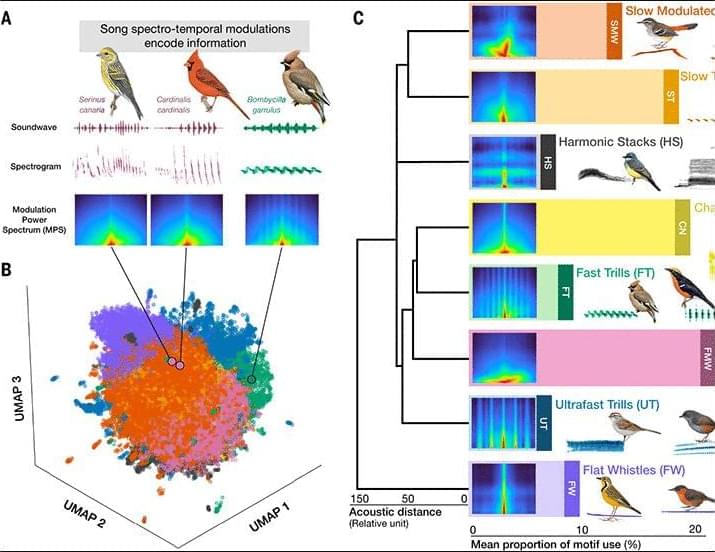
The global biogeography of passerine songs

Although bird songs are classic models for understanding the evolution of vocal communication, their global diversity has long made the development of a unifying framework challenging. By analyzing the acoustic architecture of songs from more than 3,000 passerine species worldwide, we show that this acoustic space can be structured around eight elemental motifs. The differential use of these motifs is driven by a combination of species’ biological traits (social organization, morphology, and mating system) and the physics of sound propagation. In tropical rainforests, environmental filtering for transmission efficiency favors structurally simple motifs, such as flat whistles.

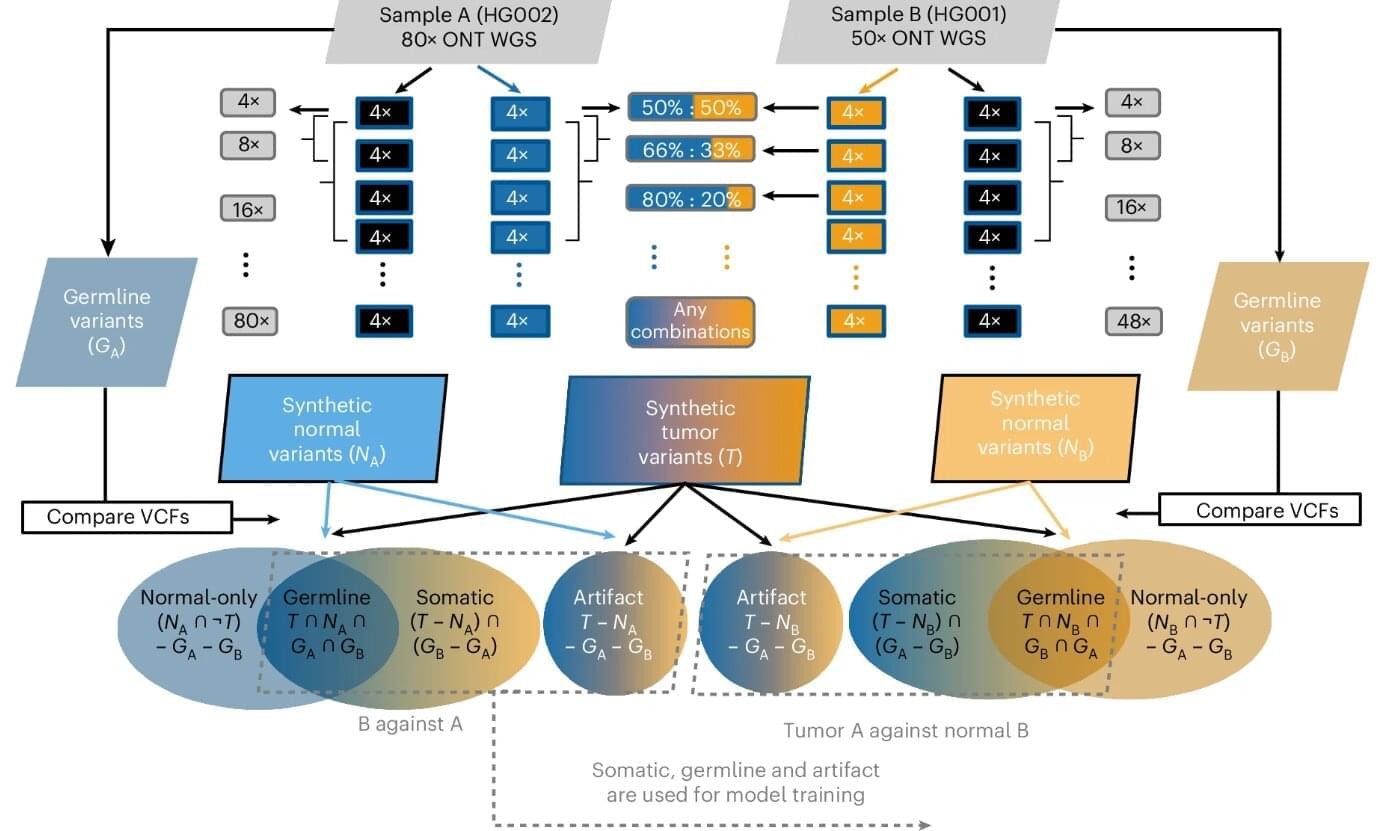
Synthetic tumor data helps AI improve long-read cancer mutation detection

A research team at The University of Hong Kong (HKU), has developed ClairS—a deep-learning algorithm that significantly improves the detection of cancer mutations using long-read sequencing. Tested on breast cancer, lung cancer and melanoma cell line datasets, ClairS has demonstrated high accuracy across various cancer types and sequencing conditions.

The team was led by Professor Ruibang Luo, assistant director of Learning Experience & Student Enrichment and associate head of the Department of AI & Data Science at the School of Computing and Data Science (CDS) at HKU. The findings are published in the journal Nature Methods. ClairS is open source and available on GitHub.

Inherited gene variants may shape CAR-T therapy benefits and toxic side effects

Chimeric antigen receptor (CAR)-T cell therapy, which reprograms an individual’s immune cells to seek out and destroy certain cancer cells, has revolutionized treatment for blood cancers such as lymphoma. But in some patients, the treatment can cause serious side effects. New research led by investigators at the Mass General Brigham Cancer Institute, the Broad Institute of MIT and Harvard, and Dana-Farber Cancer Institute has shown that patients’ inherited genetic makeup can influence whether they benefit from CAR-T cell therapy or experience toxicity from the treatment. The results are published in Science Immunology.

“These findings have important implications for understanding how CAR-T cells behave in patients since each CAR-T cell product is unique to the person from whom it is manufactured, unlike all prior forms of therapy, which are identical across patients,” said lead author Mark B. Leick, M.D., an oncologist at the Mass General Brigham Cancer Institute.

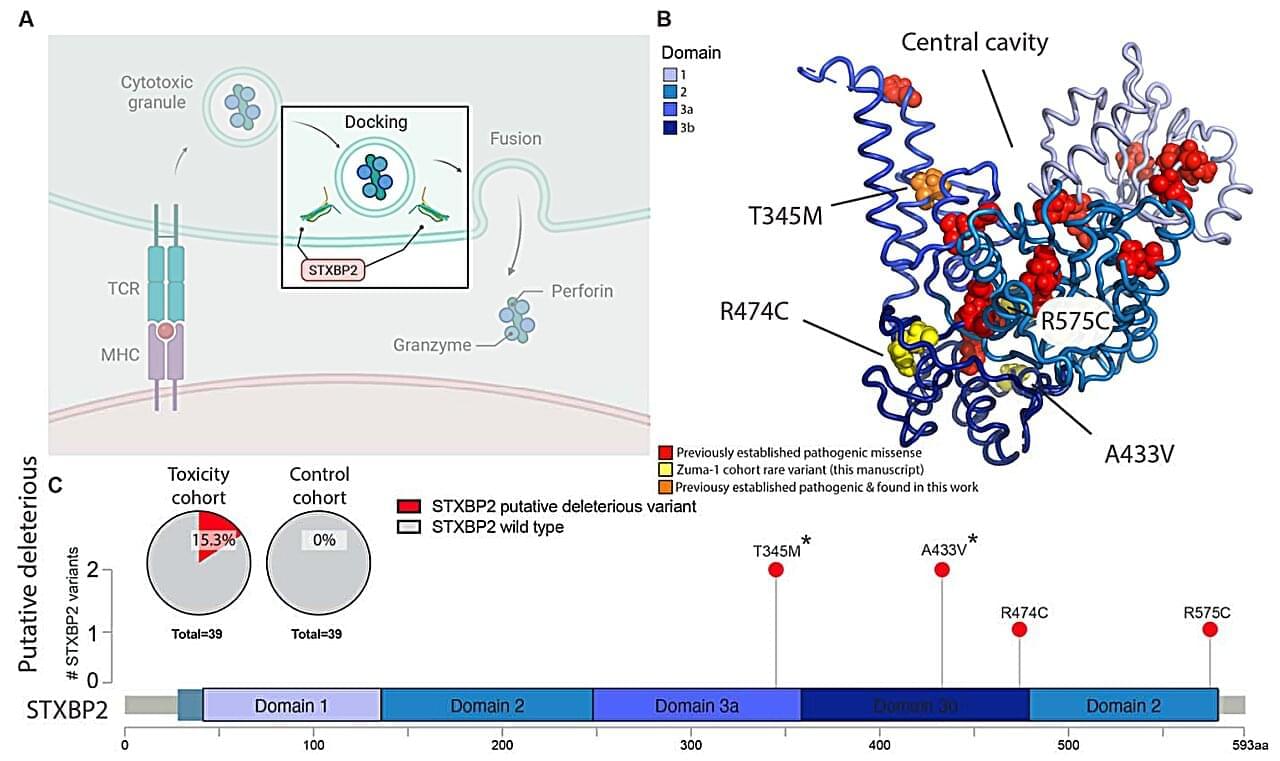
For the study, Leick and his colleagues sequenced the entire genomes of more than 200 patients with aggressive lymphoma from two major clinical trials of CAR-T cell therapy. In one of the trials, patients with T cells with variants that silenced the STXBP2 gene tended to experience toxicity related to CAR-T cell therapy. Also, donor T cells engineered to lack STXBP2 and/or express these STXBP2-silencing variants triggered inflammation.
Low-Frequency Ultrasound Attacks Oral Cancer Cells

When Ajay Tijore was a postdoctoral researcher in mechanobiologist Michael Sheetz’s lab at the National University of Singapore, he and his team studied how mechanical strain affected cancer cells. A few years ago, the researchers found that low-frequency ultrasound waves triggered mechanical stress that killed several invasive cancer cell types.1 “That was kind of a big revelation… Eureka moment,” said Tijore.

When he started his own lab at the Indian Institute of Science in 2021, Tijore hoped to contribute to Indian society. With India accounting for one-third of the oral cancer cases worldwide, Tijore sought to investigate whether low-frequency ultrasound could also target oral cancer cells.2

Now, Tijore and his team found that patient-derived oral cancer cells are susceptible to low-frequency ultrasound due to their distinct biomechanical properties compared to healthy cells.3 The team’s findings, published in Materials Today Bio, highlight the potential of the non-invasive approach in oral cancer therapy.

Extragalactic positron-annihilation hotspots might mean Milky Way produces far more positrons than thought

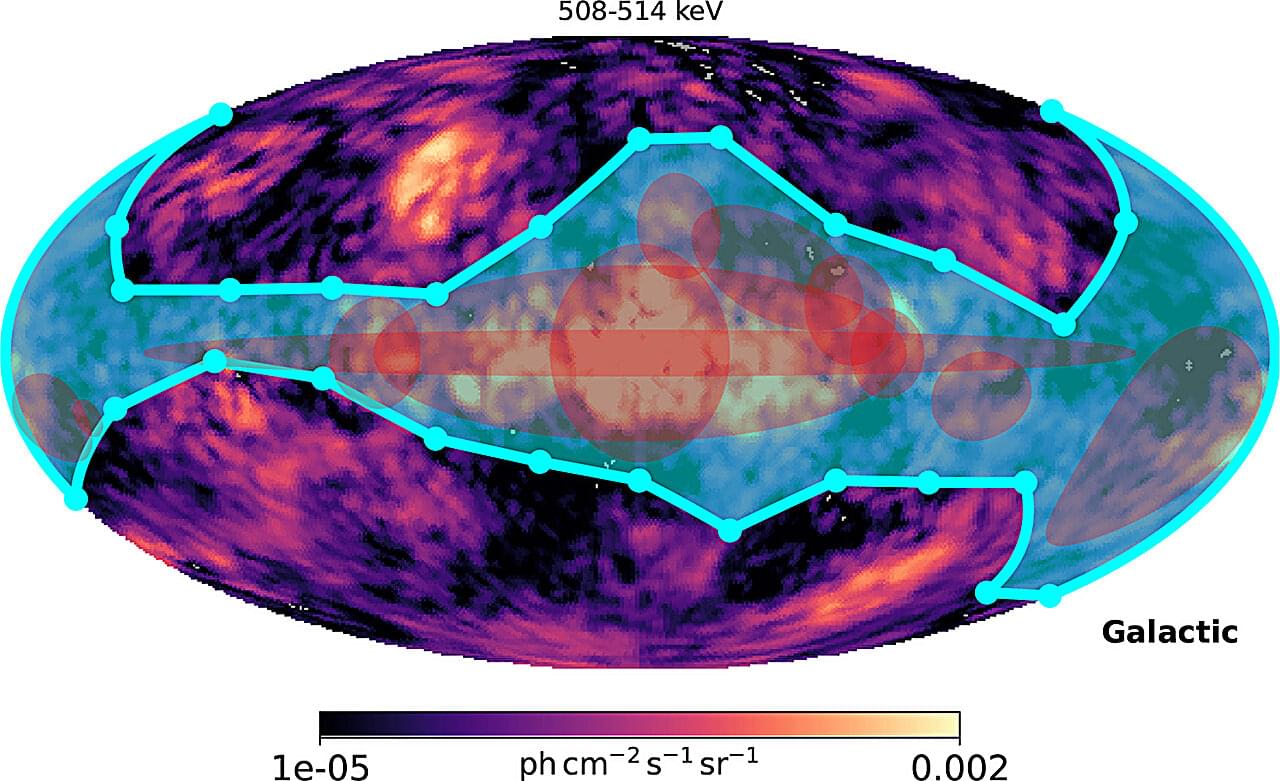
Positrons—the antimatter counterpart of electrons—are created in high-energy cosmic processes. When normal matter meets its antimatter counterpart, they annihilate, or vanish, and produce a distinctive 511 keV gamma-ray signal. Scientists use this signal to detect where these annihilations occur.

Now, 20 years’ worth of this kind of data has revealed that positron annihilations might be happening in unexpected places and at far greater rates than previously thought. The new study, published in Astronomy & Astrophysics, describes how astronomers are interpreting a new positron annihilation map and whether the results represent true annihilations or just imaging artifacts.

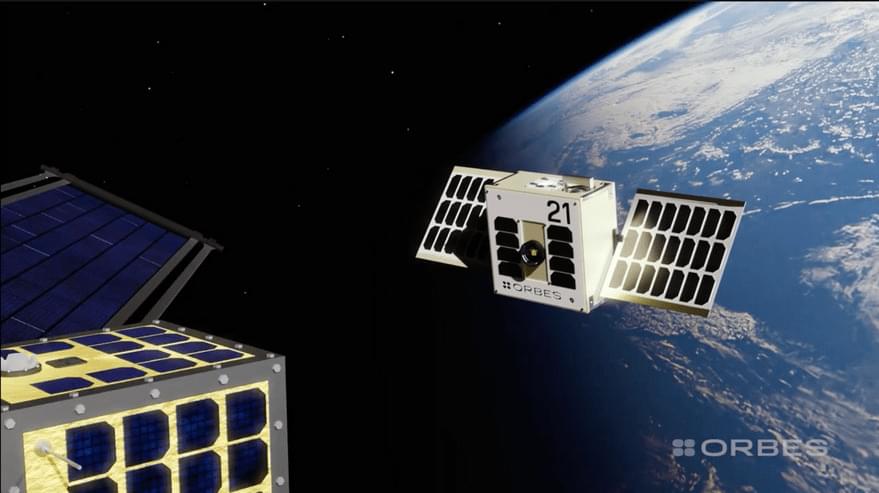
Orbes unveils Exo-ORB and agreement with Symphony Space

SAN FRANCISCO – Southern California startup Orbes announced an agreement July 27 to send Exo-ORB, a free-flying satellite, to gather imagery of an uncrewed Symphony Space station.

Exo-ORB, which is roughly the size of a 12-unit cubesat, will launch alongside Prelude, Symphony Space’s demonstration mission, in late 2027 or early 2028. Once in orbit, Exo-ORB will move 10 to 20 meters from Symphony Space’s station to capture and downlink imagery, Orbes CEO Anna Shaposhnik told SpaceNews.

To prevent collisions, Exo-ORB will be equipped with cold gas thrusters, iodine thrusters and reaction wheels. “We have the [guidance, navigation and control] GNC in place to keep it safe,” Shaposhnik said.

Magnetic fingerprint of a cosmic explosion detected for the first time

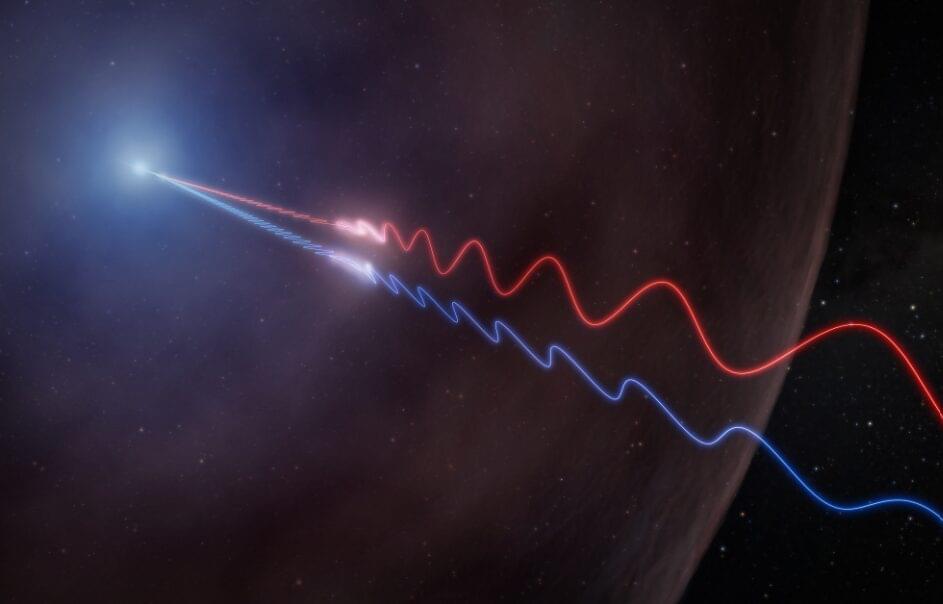
Astronomers have made a series of landmark observations of one of the universe’s most violent events. Using the U.S. National Science Foundation Very Large Array (NSF VLA) radio telescope, which is operated by the U.S. National Science Foundation National Radio Astronomy Observatory (NSF NRAO), the team detected polarized light from a gamma-ray burst (GRB) afterglow for the first time at radio wavelengths.

It also marks the first time scientists have detected Faraday rotation in a GRB, a phenomenon in which magnetic fields cause the polarization of light to twist as it travels through space, revealing how the magnetic environment of these explosions interacts with the light they produce. The findings, led by researchers at the University of Arizona and the University of Utah, offer a new window into the extreme physics driving these titanic explosions.

The paper has been submitted to The Astrophysical Journal Letters and is available on the arXiv preprint server.

/* */