Toggle light / dark theme

Get the latest international news and world events from around the world.

Log in for authorized contributors

Thermal detection of single photons using Dirac fermions

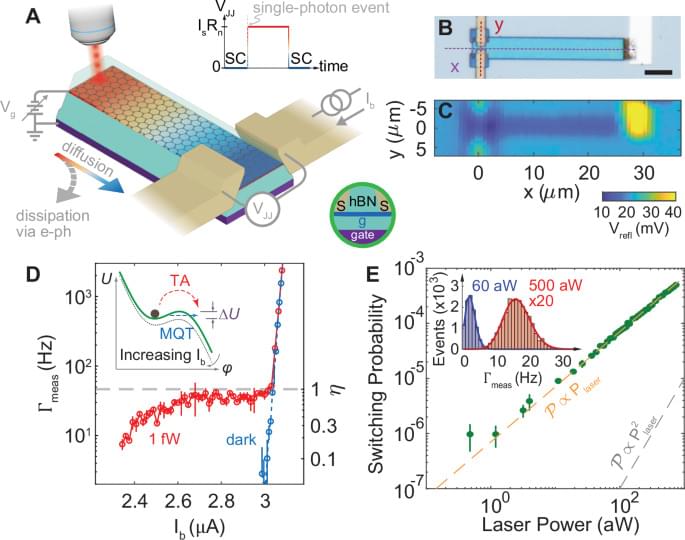
Single photon detectors are essential for various quantum and imaging applications. Here, the authors report graphene bolometers able to detect single near-infrared photons at temperatures up to 1.2 K with intrinsic quantum efficiency up to 87%, dark count  < 1 per second and effective noise equivalent power down to 2 × 10−22 W/ $$\sqrt{{{{\rm{Hz}}}}}$$ Hz.

Distinguishing true progression from treatment effects in glioblastoma: a practical, evidencegraded imaging framework for the multidisciplinary team NeuroOncology

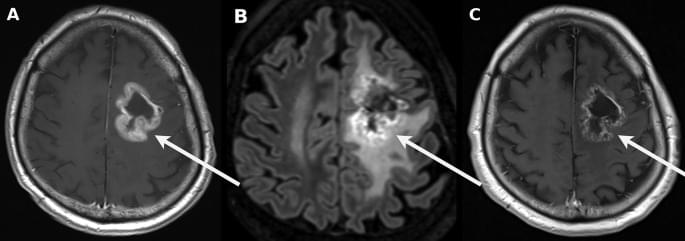
Distinguishing true progression (TP) from treatment effects—pseudoprogression (PsP) and radiation necrosis (RN)—after chemoradiation for glioblastoma (GBM) is a consequential, unresolved decision that conventional MRI cannot reliably make in 30–40% of cases, and that is rarely made by any single specialty alone.

We synthesized and graded evidence from RANO 2.0, advanced MRI (perfusion, diffusion, and spectroscopy), amino acid PET (per PET RANO 1.0), and radiomics, based on a literature search of PubMed/MEDLINE, Embase, and Cochrane (2010–2025).

In selected cohorts, combined MRI plus amino acid PET reports areas under the curve of 0.90–0.95 versus 0.65–0.72 for conventional MRI alone; however, these figures come from cohorts spanning the full range of post-treatment enhancement—including easily classified cases—rather than the ambiguous subset in which advanced imaging is actually used, and therefore likely overstate real-world accuracy. We organize the evidence around clinical modifiers of pretest probability—MGMT methylation, interval since chemoradiation, neurologic trajectory, antiangiogenic or immunotherapy exposure, reirradiation, and lesion location—that determine how heavily each imaging tier should be weighted. For amino acid PET, we address U.S. access, including recently published prospective and multicenter diagnostic-accuracy data for 18 F-fluciclovine.
New brain map connects mice and primates to strengthen medical research

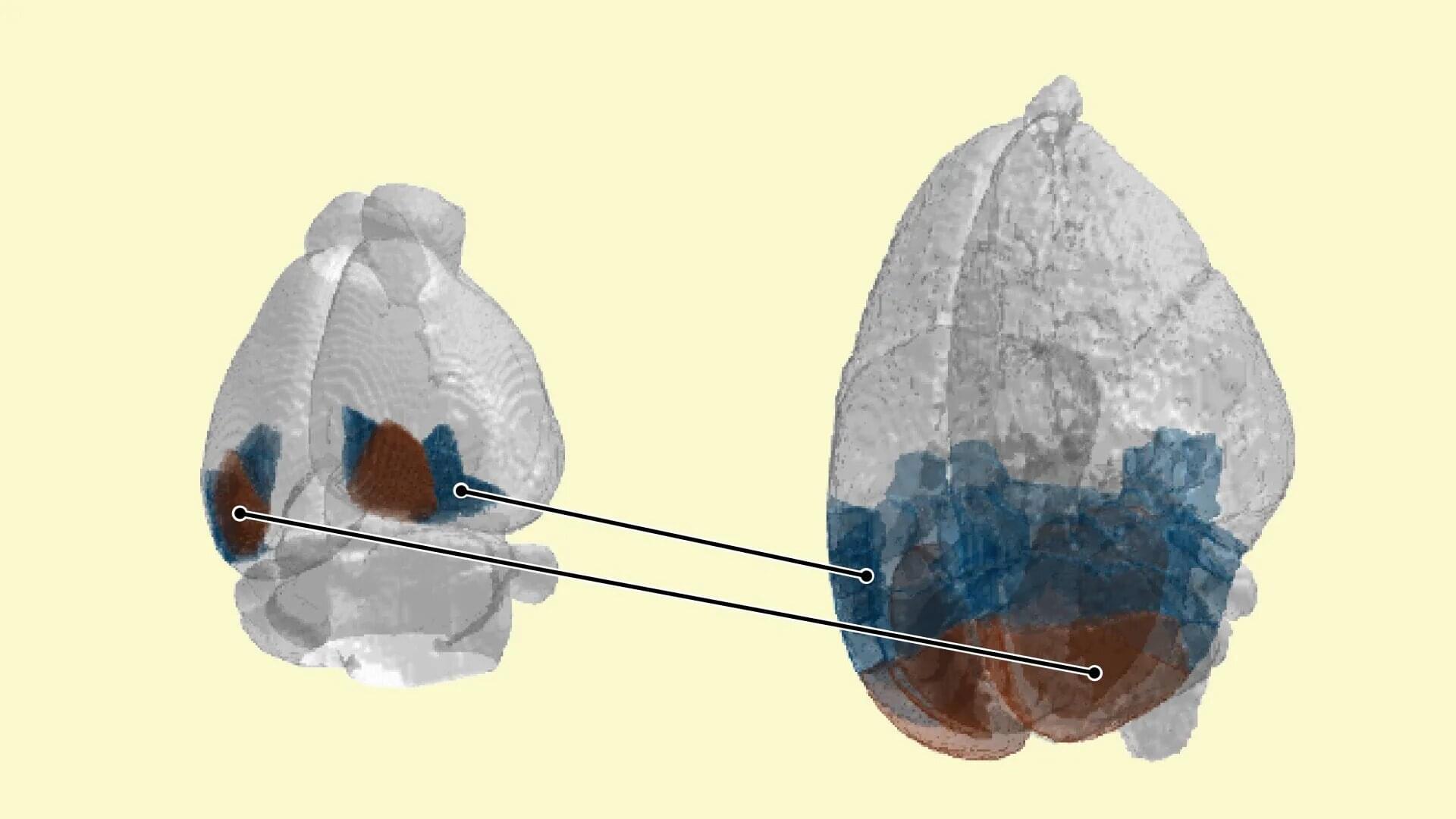
Most neuroscience research still runs on mice, even though much of what applies to mice does not hold up in humans. Marmosets have emerged as a bridge between species. However, comparing the brains of mice and marmosets runs into a chicken-and-egg problem. Scientists need to know which part of one brain matches the respective region of the other, but almost every brain map draws those areas differently.

For a new study published in Communications Biology, Cold Spring Harbor Laboratory Professor Partha Mitra and colleagues built the first cross-species map to systematically link mouse and marmoset brain regions.

“It’s the kind of problem that nobody wants to address, because it’s hard,” Mitra says. Comparing genomes across species is relatively straightforward. DNA aligns letter by letter. But brain circuits vary even within one species. Compounding the problem, research teams have built different brain atlases that divide the same mouse brain differently.

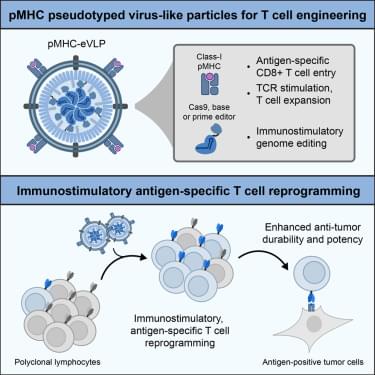
PeptideMHCtargeted engineered viruslike particles enable selective priming and gene editing of tumorspecific T cells

As well as T cells bearing an engineered TCR55-A50E, which forms catch-bonds with both HIVpol/B∗35 pMHC and Pep20/B∗35 pMHC. We treated TCR55 and TCR55-A50E cells with pMHC-eVLPs pseudotyped with either HIV/B∗35 or Pep20/B∗35 and subsequently assessed T cell activation by CD69 upregulation and eVLP transduction. Consistent with previous reports, we observed increased CD69 upregulation in TCR55 cells by Pep20/B∗35 eVLPs compared to HIV/B∗35 eVLPs, whereas TCR55-A50E cells were similarly activated by both pMHC-eVLPs (Figure S4G). Notably, pMHC-eVLPs presenting HIV/B∗35 were still able to induce CD69 upregulation on TCR55 cells despite reported slip-bond formation (Figure S4G). Interestingly, both HIV/B∗35 and Pep20/B∗35 pMHC-eVLPs were able to efficiently transduce both TCR55 and TCR55-A50E cells (Figure S4H), suggesting that antigen specificity and physiological TCR·pMHC affinity, rather than catch-bond formation, are the primary determinants of pMHC-eVLP-mediated T cell activation and transduction.

Collectively, these findings demonstrate that the pMHC-eVLP platform can be programmed with different antigens and HLA allotypes to enable selective and efficient targeting of tumor-specific T cells via natural TCRs with physiological antigen affinities, and that pMHC-eVLPs induce antigen-specific T cell activation during TCR-mediated entry.

Sleep could help identify people at risk of developing Alzheimer’s disease at an earlier stage

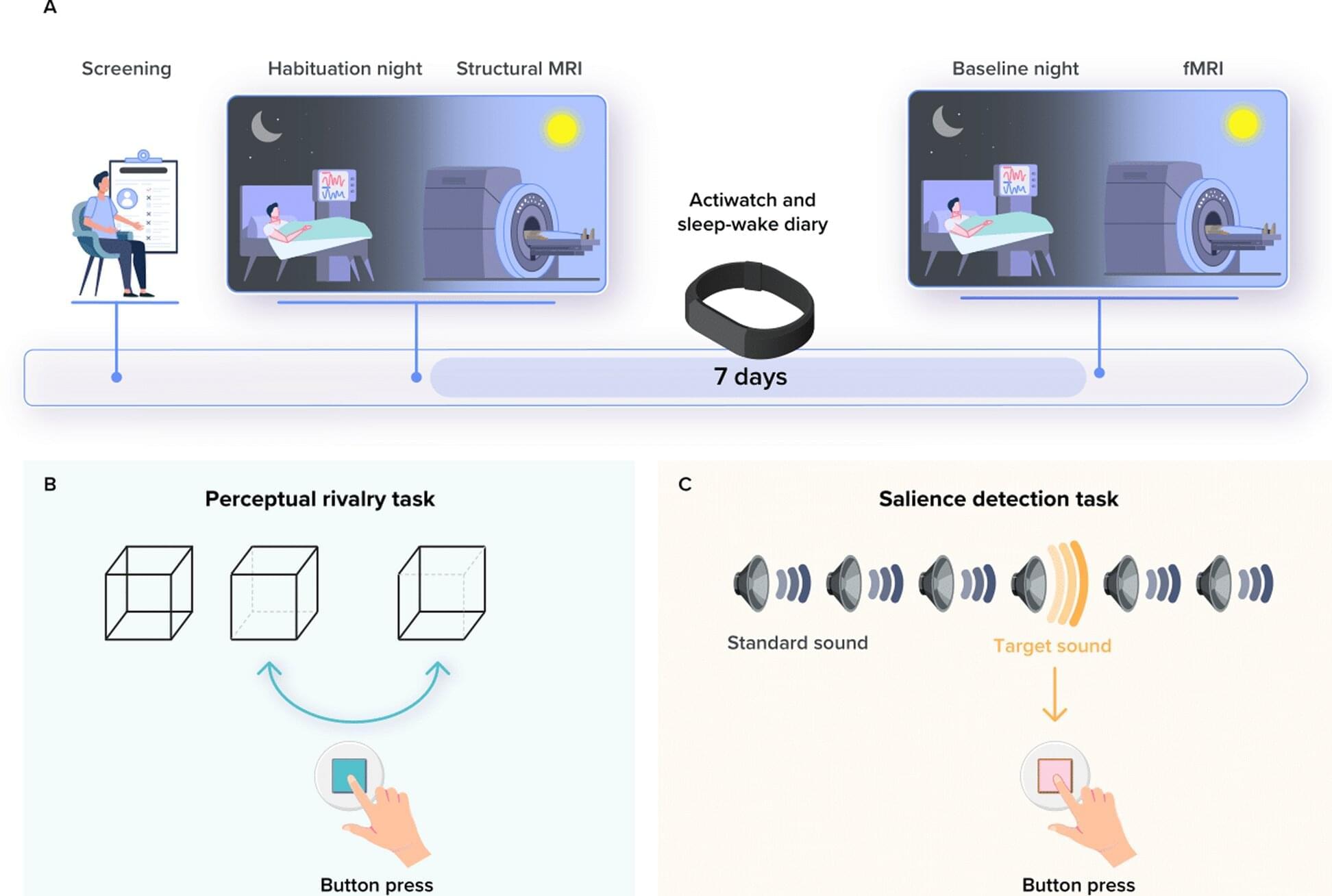
What if certain signs of the disease were to manifest subtly during sleep, long before the first memory problems appear? This is the line of inquiry being explored by a team of researchers at ULiège.

A team of scientists from the University of Liège (GIGA Neurosciences), supported by the Stop Alzheimer’s Foundation, has analyzed the sleep patterns of more than 500 healthy people. Among middle-aged participants, a higher frequency of nocturnal micro-awakenings was found to be associated with a greater genetic risk of developing Alzheimer’s disease, whereas this link was not observed in young adults. This research, published in the journal Sleep, suggests that the study of sleep could, in the long term, contribute to the early identification of vulnerable individuals.

NASA astronaut Mike Fincke leaves agency months after medical emergency in space

Longtime NASA astronaut Mike Fincke is stepping away from his role at the space agency. The news comes months after he experienced a medical emergency aboard the International Space Station, which forced a premature end to the journey for him and three crewmates.

Fincke’s last day at the space agency is Wednesday, NASA said in a news release.

Although he is leaving NASA, Fincke said he remains “deeply committed to the work of exploration.”

Have we already found the fountain of youth? — The Global Story, BBC World Service

Scientists are optimistic that existing drugs that could one day slow or reverse our ageing.

For centuries, people have pursued the dream of eternal youth. It might seem like the stuff of myth or science fiction, but researchers have been making fascinating progress in understanding what happens in our bodies as we age. There’s optimism that we might soon be able to use drugs to slow down or even reverse how we age, extending the number of years we live healthy, productive lives. What’s more, some of us might be taking these drugs already.

On today’s episode, Lucy Hockings speaks to Dr Andrew Steele, author of Ageless: The New Science of Getting Older Without Getting Old to find out whether we might drink from the fountain of youth in our lifetime.

00:00 Intro.
01:07 Questions about anti-ageing.
02:05 Cosmetic and cellular anti-ageing.
03:48 What is biological age?
05:51 What is ageing?
07:55 Is it a humanitarian crisis?
09:23 Lifespan and healthspan.
10:53 Can we slow down our ageing?
12:29 Is there a drug?
14:10 Therapies for ageing.
16:01 When could this happen?
17:10 Anti-ageing advice.
18:45 Outro.

Watch more episodes of The Global Story here 👉🏽 • The Global Story.

You can listen to more episodes of The Global Story here. Making sense of the news with our experts around the world. Insights you can trust, Monday to Friday, from the BBC 👉🏽 https://www.bbc.co.uk/programmes/w13x… credit: Getty —————- This is the official BBC World Service YouTube channel. If you like what we do, you can also find us here: Instagram 👉🏽 / bbcworldservice Twitter 👉🏽 / bbcworldservice Facebook 👉🏽 / bbcworldservice BBC World Service website 👉🏽 https://www.bbc.co.uk/worldserviceradio Thanks for watching and subscribing! #BBCWorldService #WorldService #ageing #youth.

/* */