
Entrepreneurs say it’s time to safety-test designer baby technology.
Get the latest international news and world events from around the world.
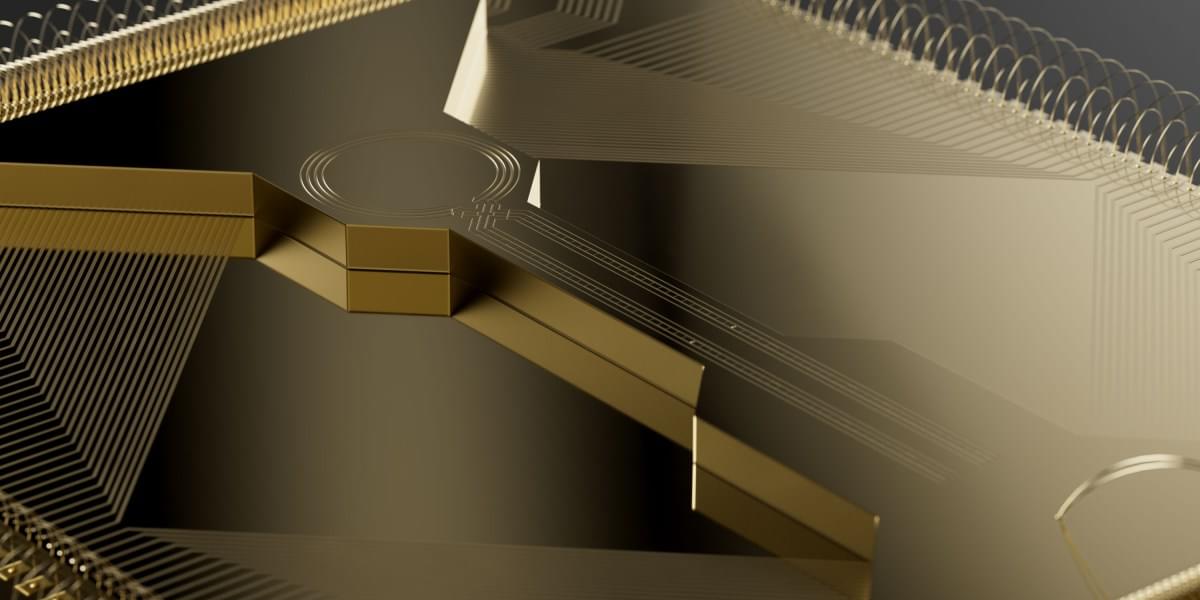
A new ion-based quantum computer makes error correction simpler
Still, it’s not clear what type of qubit will win in the long run. Each type has design benefits that could ultimately make it easier to scale. Ions (which are used by the US-based startup IonQ as well as Quantinuum) offer an advantage because they produce relatively few errors, says Islam: “Even with fewer physical qubits, you can do more.” However, it’s easier to manufacture superconducting qubits. And qubits made of neutral atoms, such as the quantum computers built by the Boston-based startup QuEra, are “easier to trap” than ions, he says.
Besides increasing the number of qubits on its chip, another notable achievement for Quantinuum is that it demonstrated error correction “on the fly,” says David Hayes, the company’s director of computational theory and design, That’s a new capability for its machines. Nvidia GPUs were used to identify errors in the qubits in parallel. Hayes thinks that GPUs are more effective for error correction than chips known as FPGAs, also used in the industry.
Quantinuum has used its computers to investigate the basic physics of magnetism and superconductivity. Earlier this year, it reported simulating a magnet on H2, Helios’s predecessor, with the claim that it “rivals the best classical approaches in expanding our understanding of magnetism.” Along with announcing the introduction of Helios, the company has used the machine to simulate the behavior of electrons in a high-temperature superconductor.
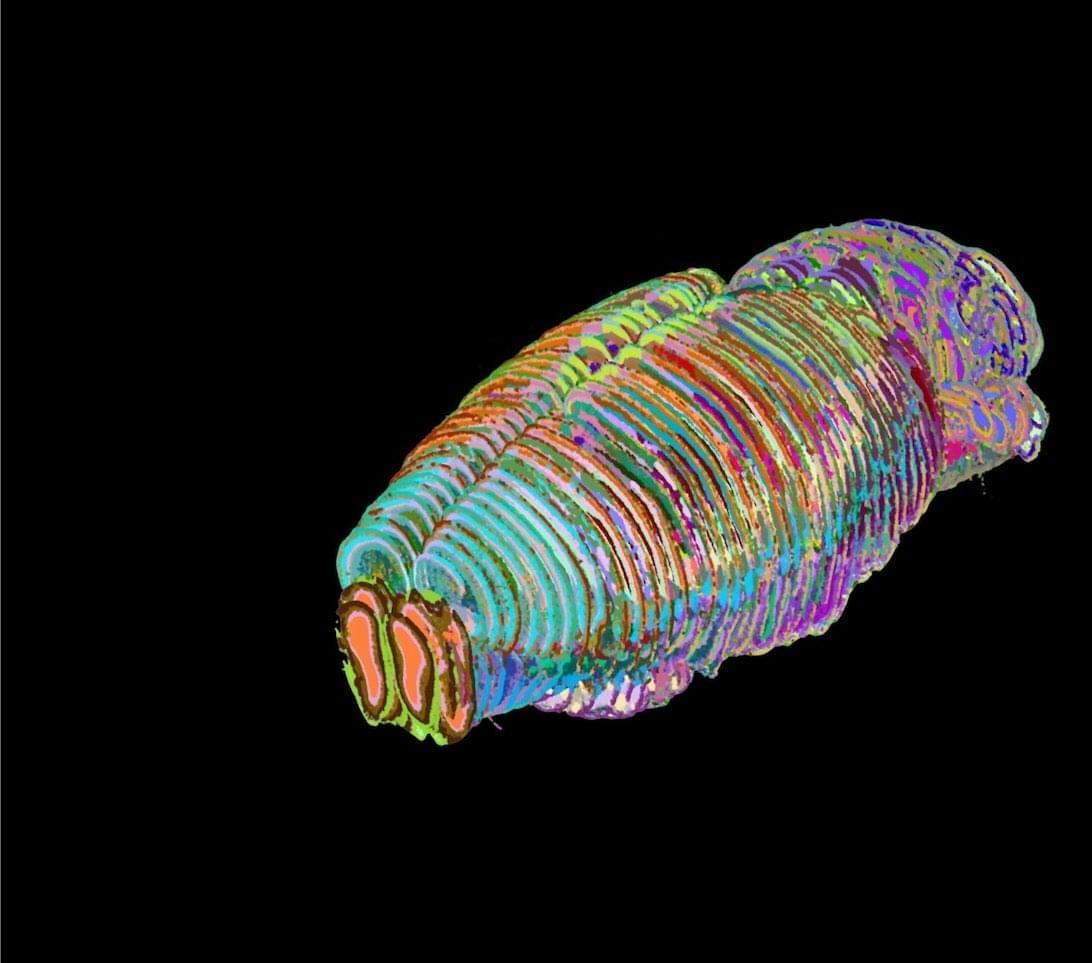
ChatGPT-Like AI Unveils 1,300 Regions in the Mouse Brain—Some Uncharted
The AI identified known regions as well as an elusive layer in the motor cortex and mysterious domains with yet unknown functions.

Scientists Map the Brain’s Construction From Stem Cells to Early Adolescence
This herculean effort could help scientists unravel the causes of neurodevelopmental disorders. In one study, led by Arnold Kriegstein at the University of California, San Francisco, scientists found brain stem cells that are potentially co-opted to form a deadly brain cancer in adulthood. Other studies shed light on imbalances between excitatory and inhibitory neurons—these ramp up or tone down brain activity, respectively—which could contribute to autism and schizophrenia.
“Many brain diseases begin during different stages of development, but until now we haven’t had a comprehensive roadmap for simply understanding healthy brain development,” said Kriegstein in a press release. “Our map highlights the genetic programs behind the growth of the human brain that go awry during specific forms of brain dysfunction.”
Over a century ago, the first neuroscientists used brain cell shapes to categorize their identities. BICAN collaborators have a much larger arsenal of tools to map the brain’s cells.
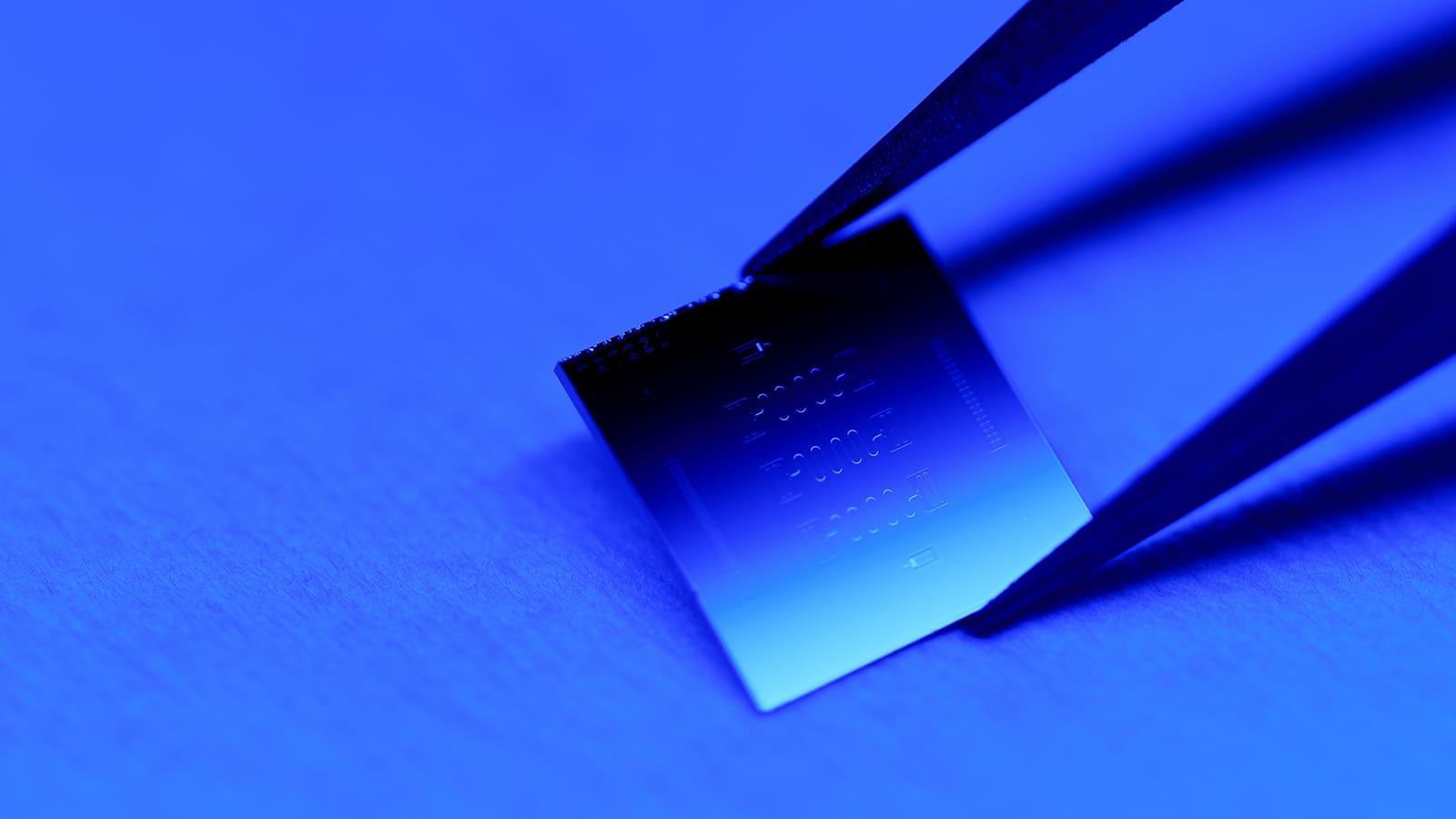
Record-Breaking Qubits Are Stable for 15 Times Longer Than Google and IBM’s Designs
The qubits are similar enough to those used by the likes of Google and IBM that they could slot into existing processors in the future.

This Week’s Awesome Tech Stories From Around the Web (Through November 8)
From the next big quantum computer to a brain implant the size of a grain of salt, check out this week’s awesome tech stories from around the web.

Scientists just found a material that beats diamond at its own game
Boron arsenide has dethroned diamond as the best heat conductor, thanks to refined crystal purity and improved synthesis methods. This discovery could transform next-generation electronics by combining record-breaking thermal conductivity with strong semiconductor properties.
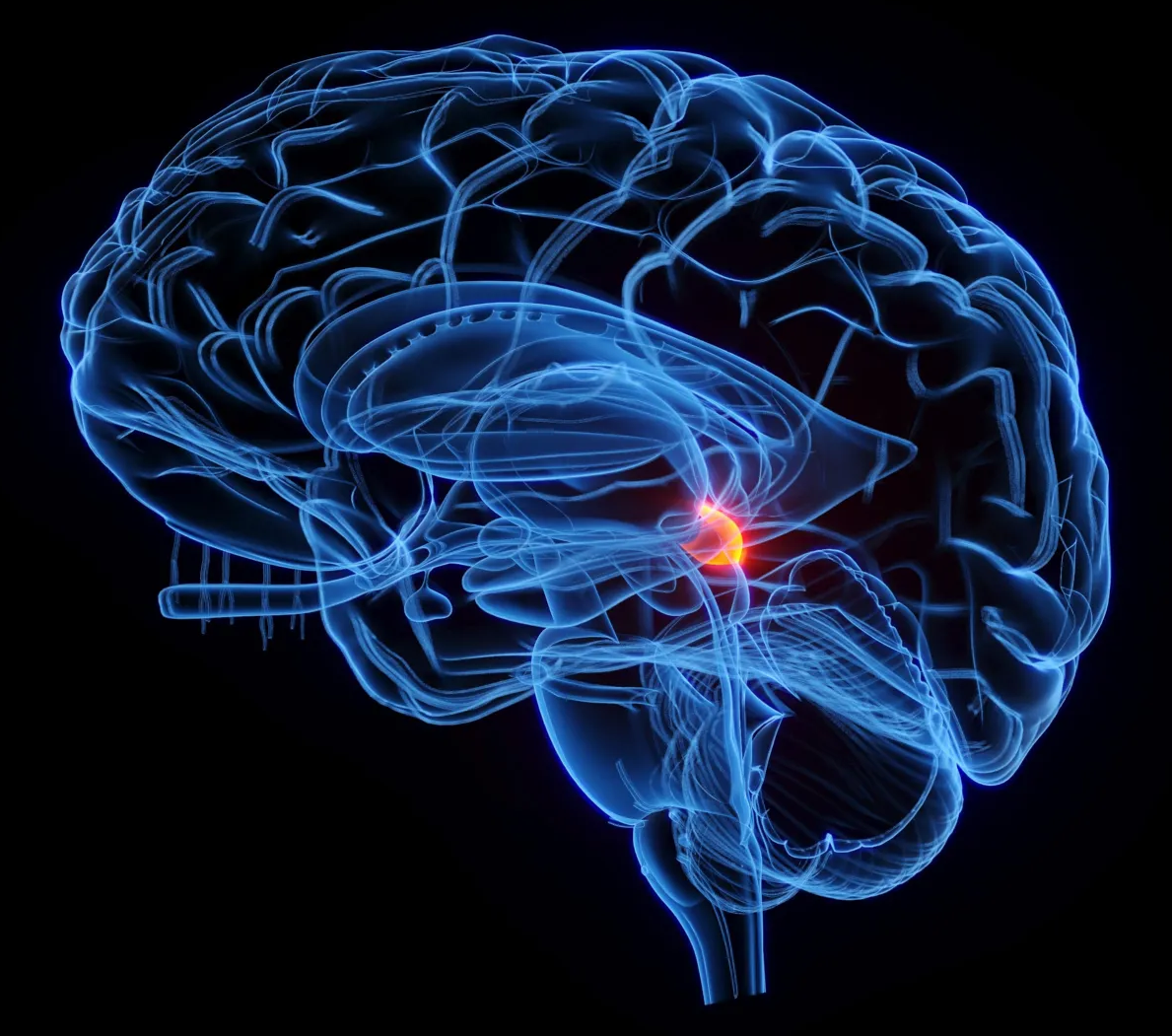
A 500-million-year-old brain “radar” still shapes how you see
New research shows that the superior colliculus, a primitive brain region, can independently interpret visual information. This challenges long-held beliefs that only the cortex handles such complex computations. The discovery highlights how ancient neural circuits guide attention and perception, shaping how we react to the world around us.

A review on bio-based graphene derived from biomass wastes
Graphene can be made from plants and even carbon dioxide aswell as any other carbon based materials. This could make a near unlimited supply of graphene.
Muhammad taqi-uddeen safian, umirah syafiqah haron, and mohamad nasir mohamad ibrahim
Biomass waste has become a new source for producing graphene due to its carbon-rich structure and renewable nature. In this paper, the research on the conversion of bio-based graphene from different biomass wastes is summarised and discussed. This paper reviews the methods for converting biomass to bio-based graphene. There are two approaches for thermal degradation of biomass: thermal exfoliation and carbon growth. The purpose of the thermal treatment is to increase the carbon content by removing volatile matter from the biomass polymer chain. Pre-treatments that help to break down the complex structure of the biomass are discussed; pre-treatments also remove impurities from the said biomass. Lastly, the characteristics of bio-based graphene produced from different biomass and thermal treatments are summarised.

Cracking the Genome’s Switchboard: How AI Helps Decode Gene Regulation
A single letter in the DNA code could change the course of human development