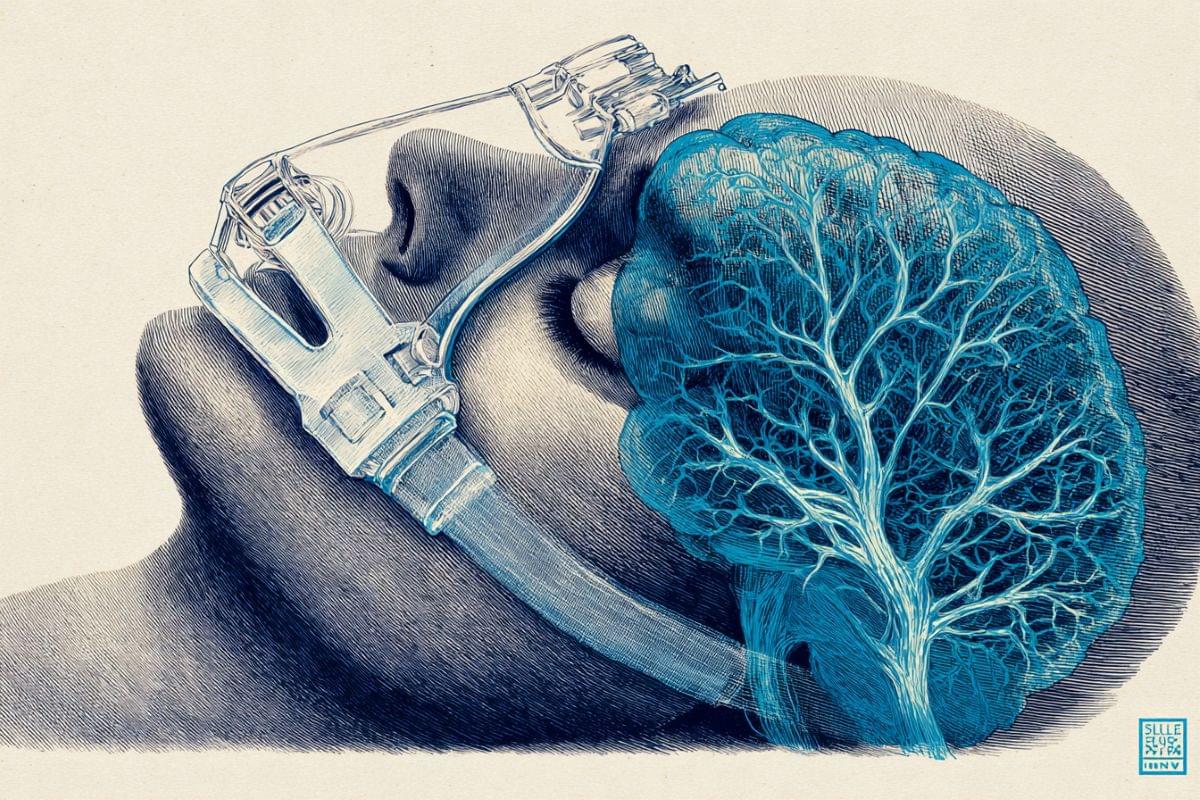
A large analysis of more than 11 million medical records found that people with untreated obstructive sleep apnea face a substantially higher risk of developing Parkinson’s disease over time.
Get the latest international news and world events from around the world.
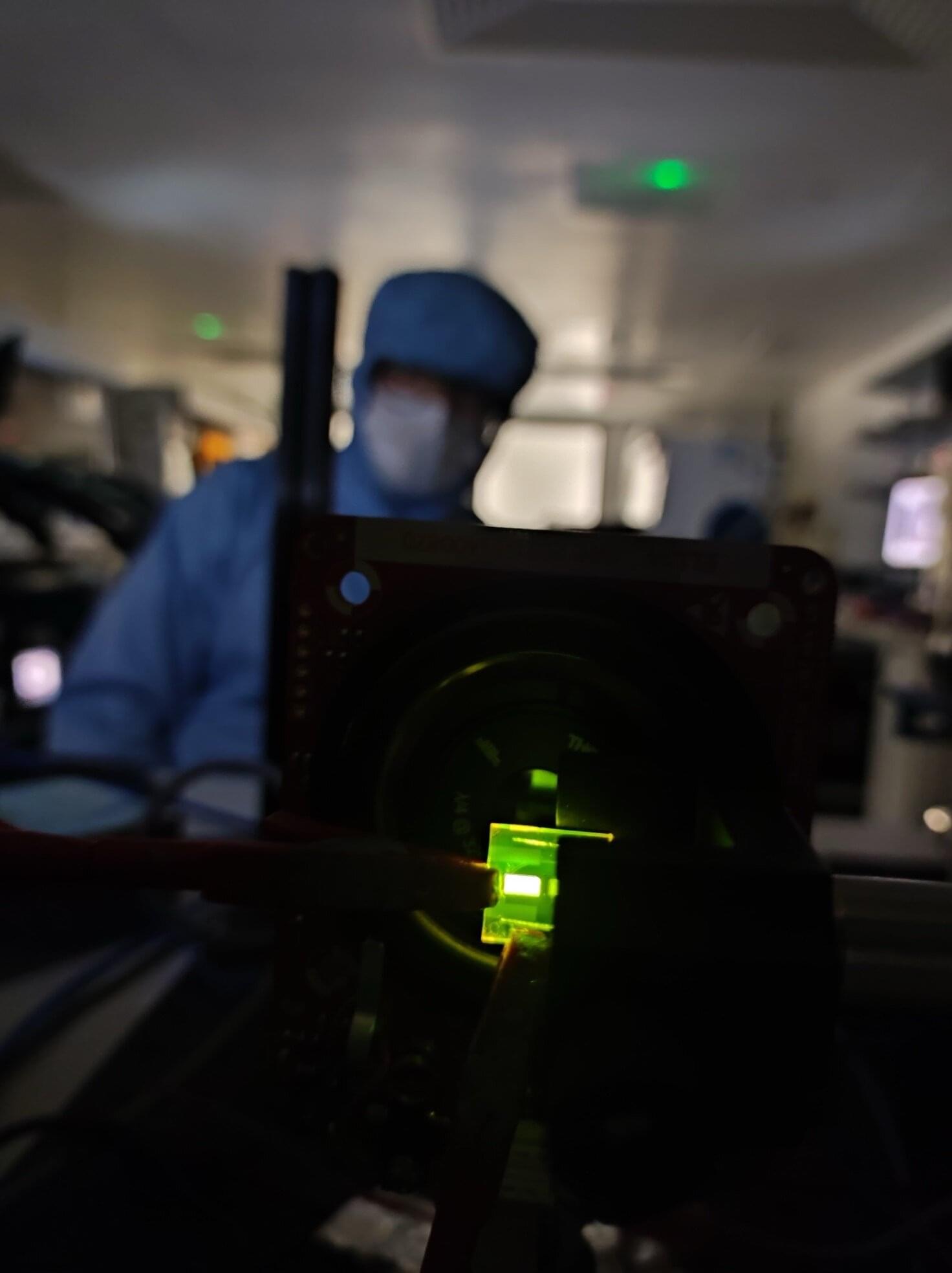
OLEDs can now switch light’s handedness with an electrical signal
Researchers from the University of Oxford have for the first time discovered an approach to electrically switch organic LEDs (OLEDs) to emit either left- or right-handed circularly polarized light without changing the light-emitting molecules. This could be useful for a range of technological applications, from more energy efficient OLED displays, to optical information transfer.

Chiral spin dynamics and time crystals in acoustic systems
A chiral two-mode Lipkin-Meshkov-Glick model using acoustic cavities enables the simulation of exotic quantum phenomena like time crystals on a novel hybrid platform

The fate of pyruvate dictates cell growth by modulating cellular redox potential
This ‘fundamental’ study uncovers how directing pyruvate into mitochondria can shrink cells by shifting their metabolism away from building amino acids and proteins.
This fundamental work demonstrates that compartmentalized cellular metabolism is a dominant input into cell size control in a variety of mammalian cell types and in Drosophila. The authors show that increased pyruvate import into the mitochondria in liver-like cells and in primary hepatocytes drives gluconeogenesis but reduces cellular amino acid production, suppressing protein synthesis. The evidence supporting the conclusions is compelling, with a variety of genetic and pharmacologic assays rigorously testing each step of the proposed mechanism. This work will be of interest to cell biologists, physiologists, and researchers interested in cell metabolism, and is significant because stem cells and many cancers exhibit metabolic rewiring of pyruvate metabolism.

Global Future Council on Antimicrobial Resistance
Antimicrobial resistance (AMR) is already a leading cause of death globally, higher than HIV/AIDS or malaria. What novel approaches are needed to accelerate effective action on AMR?
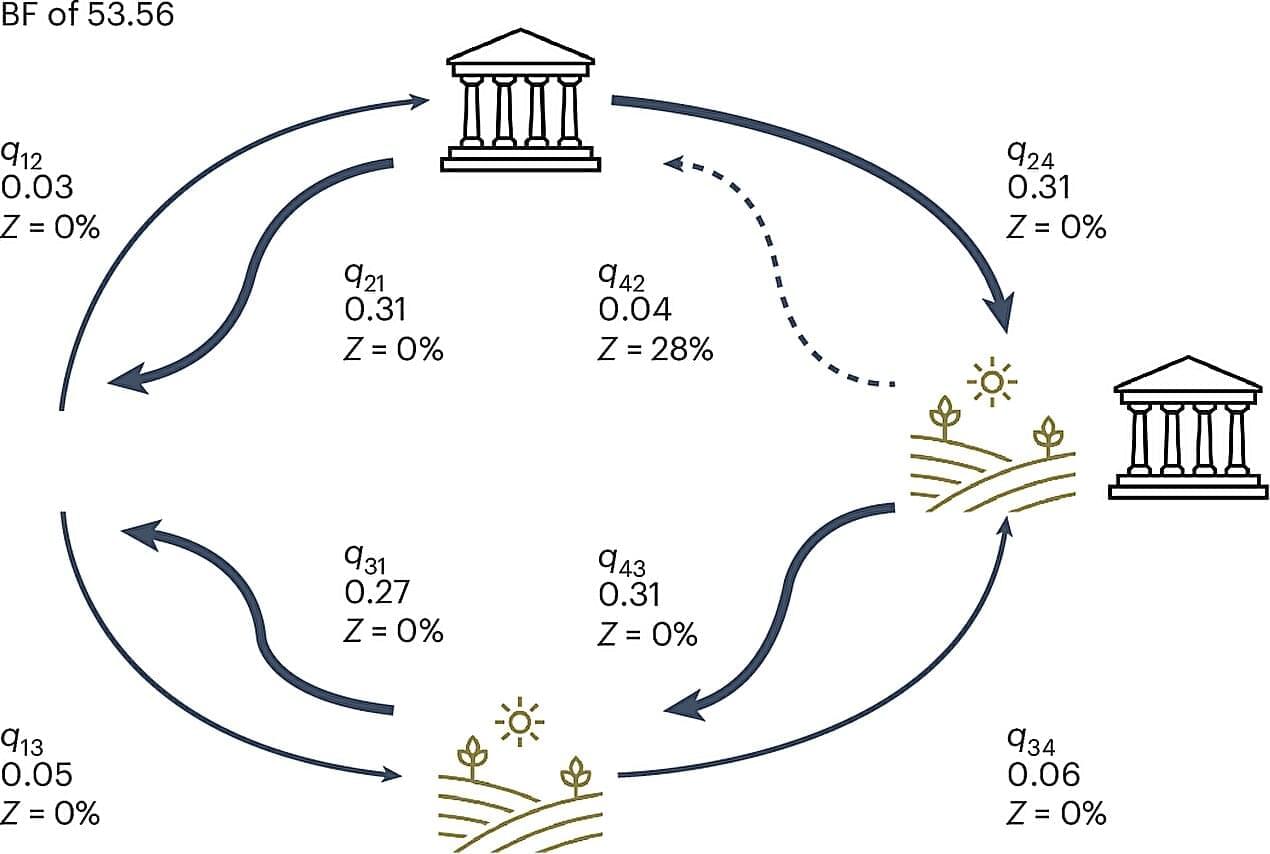
The real reason states first emerged thousands of years ago: New research
Globalization, migration, climate change and war—nation states are currently under huge pressure on many fronts. Understanding the forces that initially drove the emergence of states across the world may help explain why.
For a long time after humans evolved, we lived in oral-based, mostly small-scale and egalitarian societies. Things began to change with the dawn of the Holocene, when a suite of climatic, social and technological shifts led to the emergence of the first states about 5,000 years ago.
The earliest known state was in Mesopotamia (now southern Iraq), followed by Egypt, the Indus Valley, China and Meso-America. The long-standing view was that the invention of agriculture was the spur for these large-scale human societies to emerge. But there was a 4,000-year gap between the expansion of agriculture (circa 9,000 years ago) and the founding of the earliest states, which throws this link into question.

Vascular NOTCH3 Deposition LoadAssociation With NOTCH3 Genotype and CADASIL Disease Severity
This study explores the relationships among the vascular NOTCH3 ECD deposition load, the NOTCH3 variant genotype, and CADASIL disease severity.
Background and Objectives.
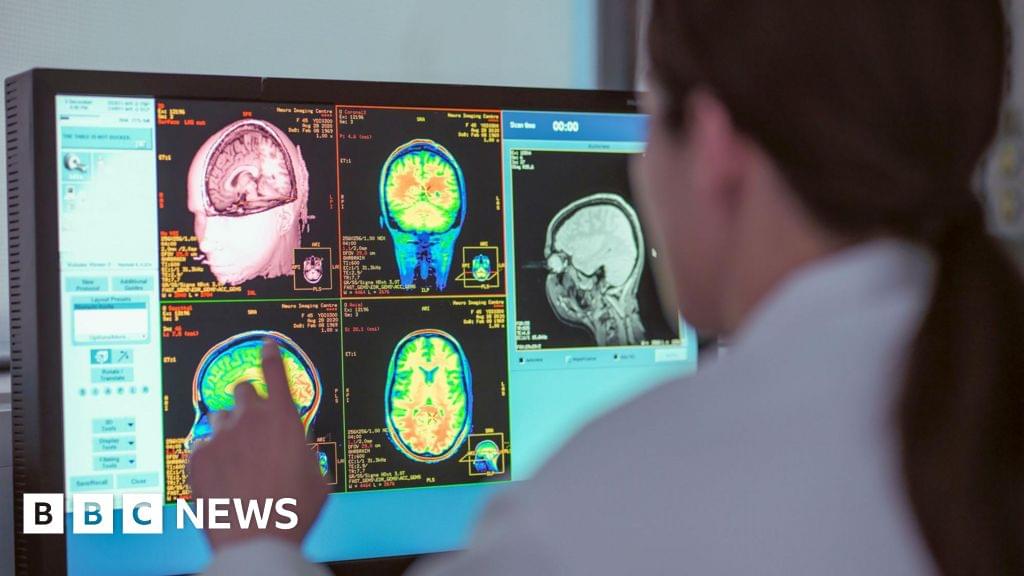
Four pivotal ages in your brain’s development revealed in new scientific study
The brain goes through five distinct phases in life, scientists have revealed. Read more.
Brain scans on thousands of people reveal the dramatic shifts the brain goes through between birth and death.
Ilya Sutskever — We’re moving from the age of scaling to the age of research
00:00:00 – Explaining model jaggedness
00:09:39 — Emotions and value functions
00:18:49 – What are we scaling?
00:25:13 – Why humans generalize better than models
00:35:45 – Straight-shotting superintelligence
00:46:47 – SSI’s model will learn from deployment
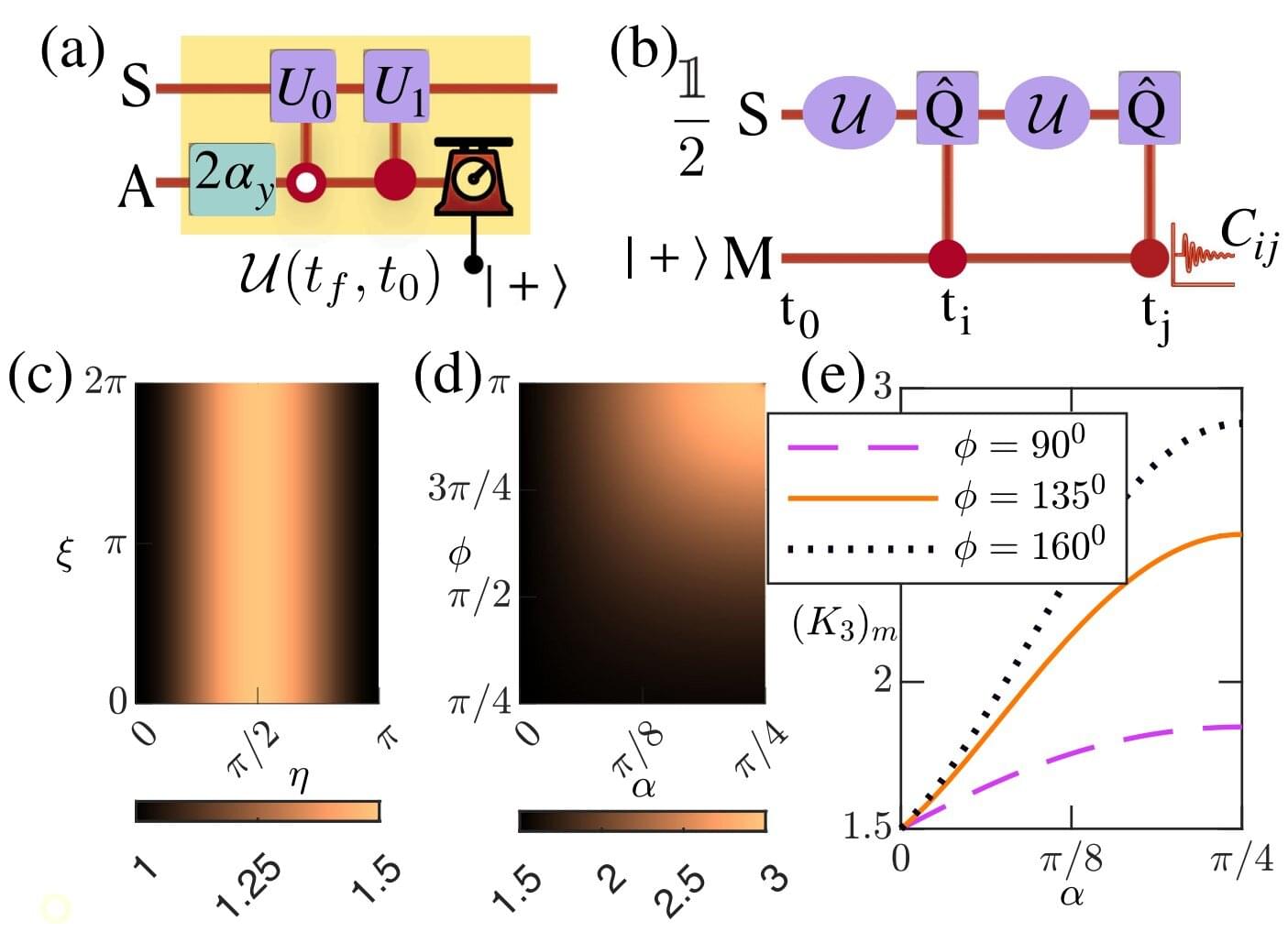
Experimental proof shows quantum world is even stranger than previously thought
The quantum world is famously weird—a single particle can be in two places at once, its properties are undefined until they are measured, and the very act of measuring a quantum system changes everything. But according to new research published in Physical Review Letters, the quantum world is even stranger than previously thought.
What happens at the quantum level is in stark contrast to the classical world (what we see every day), where objects have definite properties whether or not we look at them, and observing them doesn’t change their nature. To see whether any system is behaving classically, scientists use a mathematical test called the Leggett-Garg inequality (LGI). Classical systems always obey the LGI limit while quantum systems violate it, proving they are non-classical.