
Turmeric is everywhere in longevity circles. Here’s what 100+ human trials really say about its anti-aging effects, brain health, and how to use it safely.
Get the latest international news and world events from around the world.
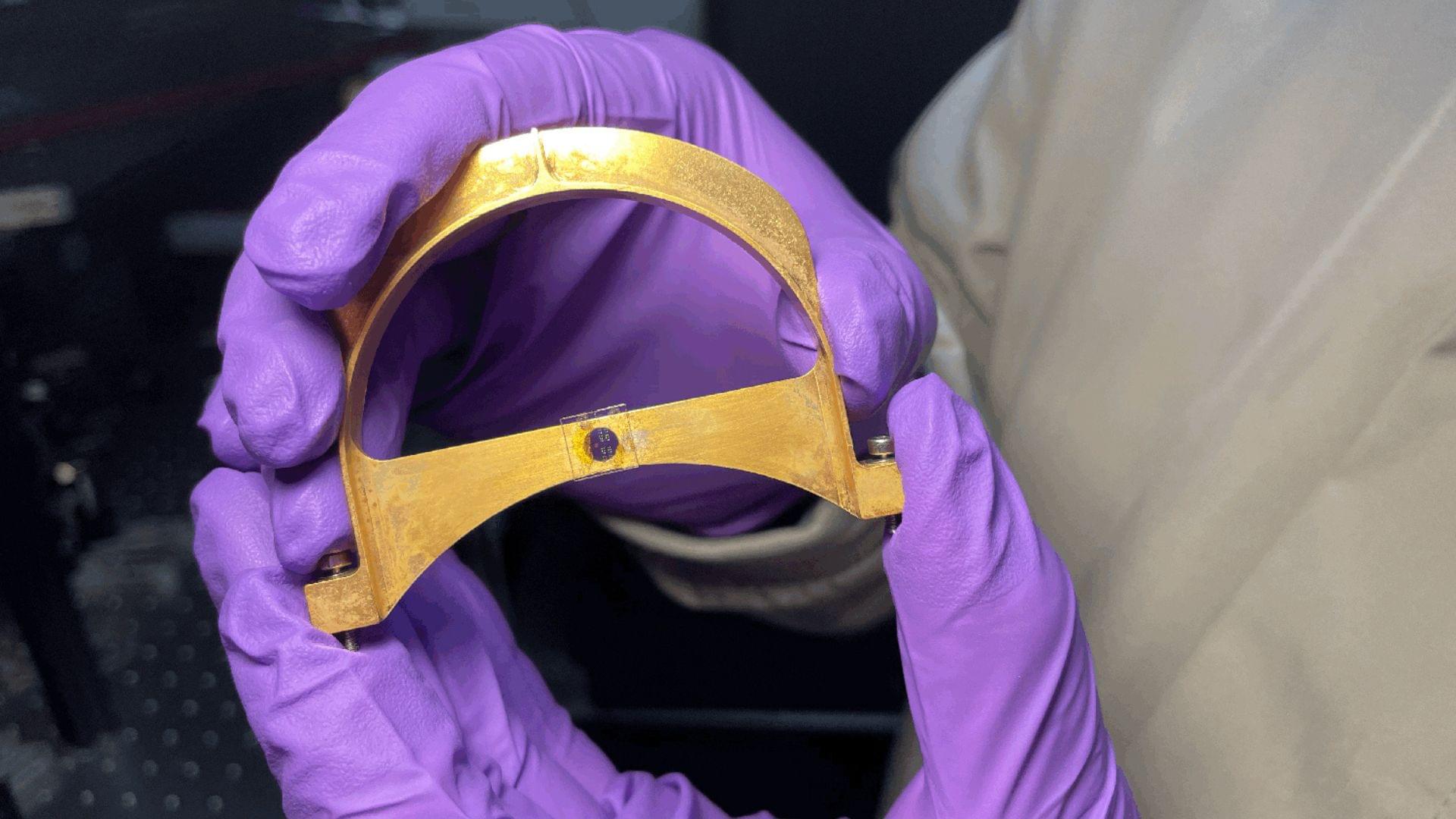
New quantum device operates at room temperature for stable qubits
Stanford University researchers say they have developed a nanoscale optical device that could shift the direction of quantum communication.
Unlike today’s quantum computers that operate near absolute zero, this new approach works at room temperature.
The device entangles the spin of photons and electrons, which is essential for transmitting and processing quantum information.
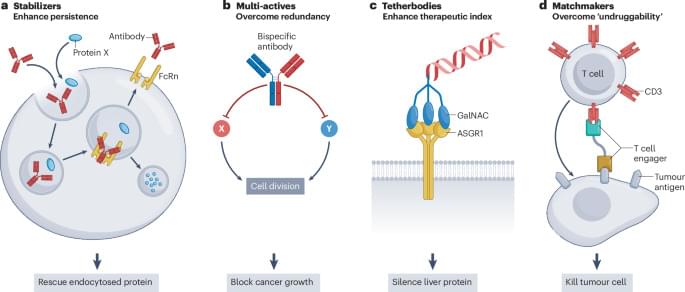
How multispecific molecules are transforming pharmacotherapy
Multispecific drugs are designed to engage two or more entities to exert their pharmacological effect. This Perspective discusses how a new wave of FDA-approved multispecific molecules have been transformative in overcoming barriers to drug development such as toxicity, rapid clearance, undruggable protein features, and functional redundancy.
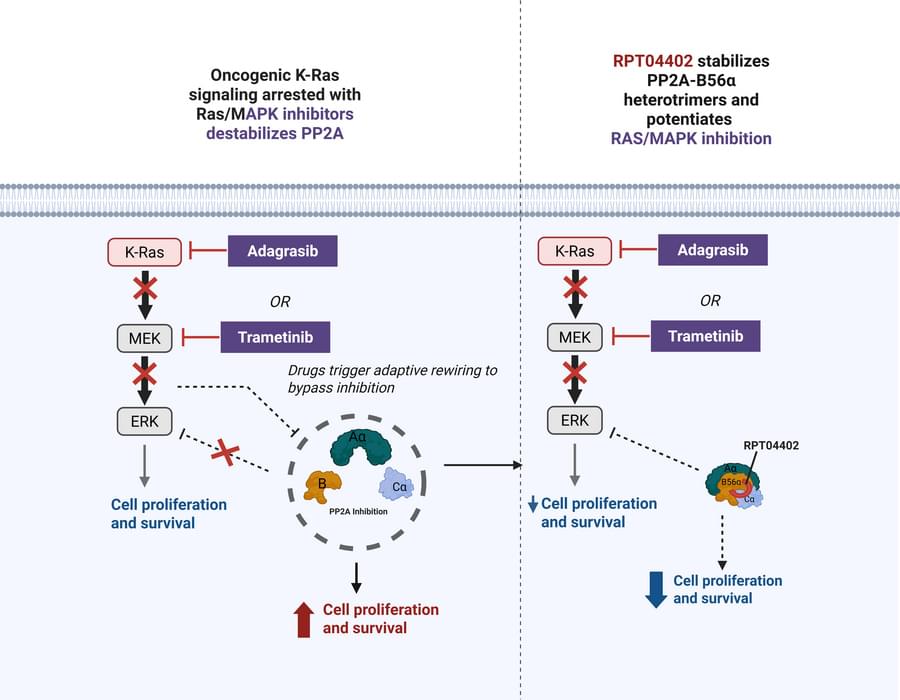
A phenotypic brain organoid atlas and biobank for neurodevelopmental disorders
Wang and colleagues present a phenotypic brain organoid atlas for neurodevelopmental disorders, revealing disease-specific cellular and molecular alterations that illuminate NDD pathogenesis. Integrating patient brain organoids, imaging, and exome sequencing, this resource provides a powerful platform to advance research and therapeutic discovery.

Satellite Startup Set to Quadruple Valuation to $3 Billion
K2 Space, a young satellite manufacturing startup stocked with former SpaceX engineers, is raising hundreds of millions of dollars in a funding round that would roughly quadruple its valuation to about $3 billion, according to people familiar with the matter and a corporate filing. The round…
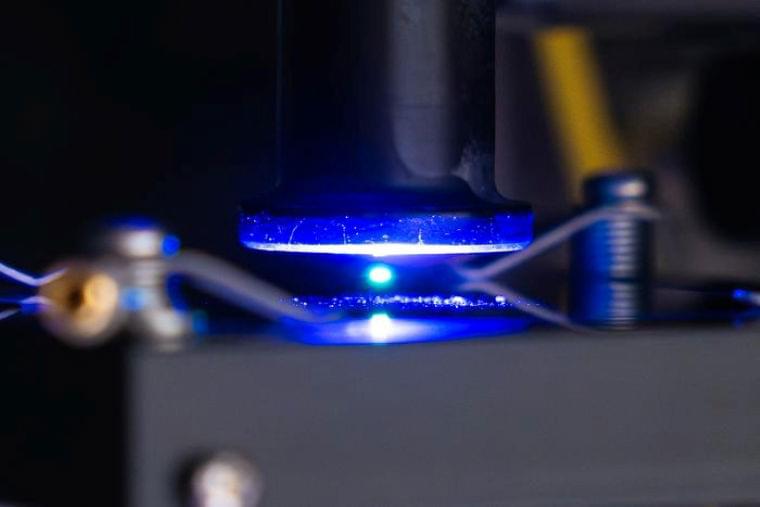
Acoustic Levitation Breakthrough Uses Sound to “Float” Multiple Objects in Midair
Austrian researchers have made an acoustic levitation breakthrough allowing them to levitate and manipulate several objects at once.

Quasiparticles Team Up
The quasiparticles associated with a phenomenon called the fractional quantum Hall effect can bind together into stable clusters.
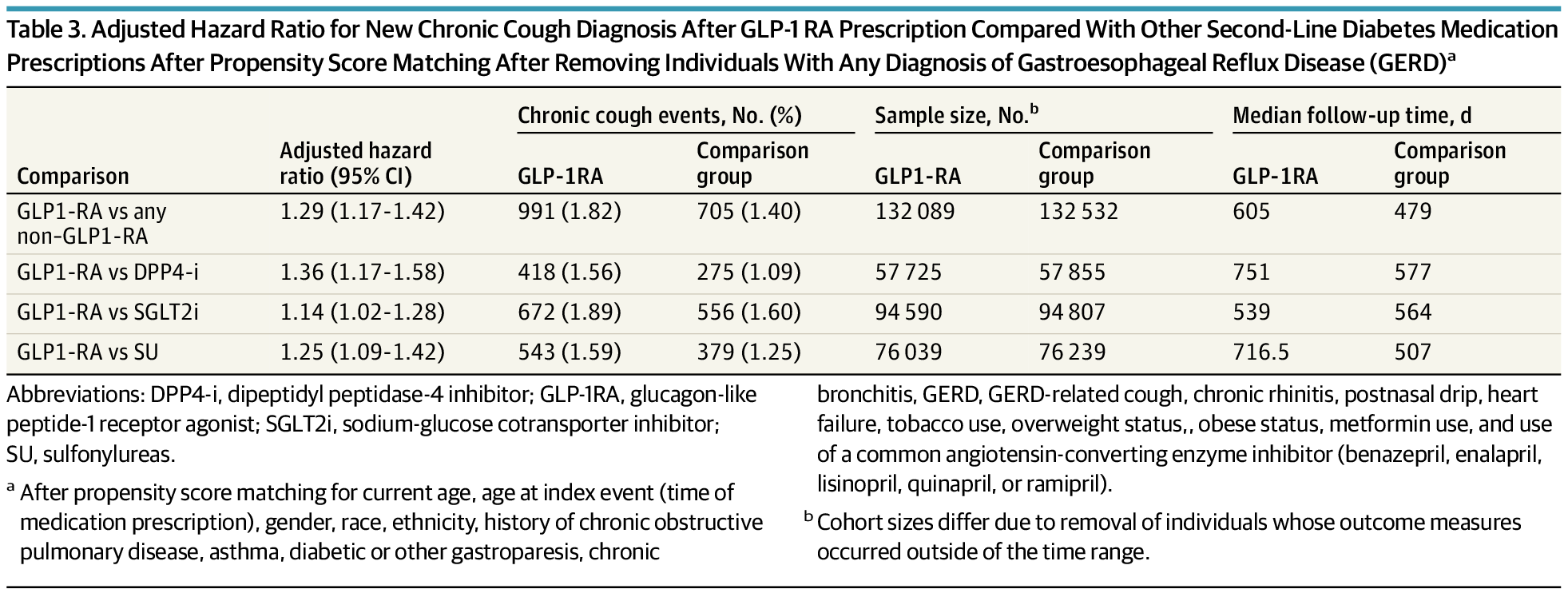
Glucagon-Like Peptide-1 Receptor Agonists and Chronic Cough
Use of glucagon-like peptide-1 receptor agonists (GLP1RA) in adults with type 2 diabetes was associated with an increased risk of new chronic cough compared with other second-line diabetes medications.
Question Is the use of glucagon-like peptide-1 receptor agonists (GLP-1RAs) associated with increased risk of chronic cough?
Findings In this cohort study of 427 555 individuals who were prescribed a GLP-1RA and 1 614 495 matched individuals who were prescribed a different second-line diabetes medication, GLP-1RA treatment was associated with a higher adjusted hazard ratio of new chronic cough. This association was independent of gastroesophageal reflux disease diagnosis.
Meaning The study findings suggest that patients who use GLP-1RAs have an increased risk of chronic cough, suggesting further exploration of the strength of this association and pharmacologic mechanisms.

Total Synthesis and Anticancer Study of (+)-Verticillin AClick to copy article linkArticle link copied!
For the first time, MIT chemists have synthesized a fungal compound known as verticillin A, which was discovered more than 50 years ago and has shown potential as an anticancer agent.
The compound has a complex structure that made it more difficult to synthesize than related compounds, even though it differed by only a couple of atoms.
“We have a much better appreciation for how those subtle structural changes can significantly increase the synthetic challenge,” says Mohammad Movassaghi, an MIT professor of chemistry. “Now we have the technology where we can not only access them for the first time, more than 50 years after they were isolated, but also we can make many designed variants, which can enable further detailed studies.”
In tests in human cancer cells, a derivative of verticillin A showed particular promise against a type of pediatric brain cancer called diffuse midline glioma. More tests will be needed to evaluate its potential for clinical use, the researchers say.
Movassaghi and Jun Qi, an associate professor of medicine at Dana-Farber Cancer Institute/Boston Children’s Cancer and Blood Disorders Center and Harvard Medical School, are the senior authors of the study, which appears today in the Journal of the American Chemical Society. Walker Knauss PhD ’24 is the lead author of the paper. Xiuqi Wang, a medicinal chemist and chemical biologist at Dana-Farber, and Mariella Filbin, research director in the Pediatric Neurology-Oncology Program at Dana-Farber/Boston Children’s Cancer and Blood Disorders Center, are also authors of the study.

Why Autism and ADHD May Share the Same Brain Signature
A study shows that autism symptom severity, rather than diagnostic category, maps onto distinct brain connectivity and gene-expression patterns shared across autism and ADHD. The findings suggest these conditions share biological roots.