Toggle light / dark theme

Get the latest international news and world events from around the world.

Log in for authorized contributors

Mini brain-like structures grown in lab may help scientists treat, diagnose and stage Alzheimer’s disease

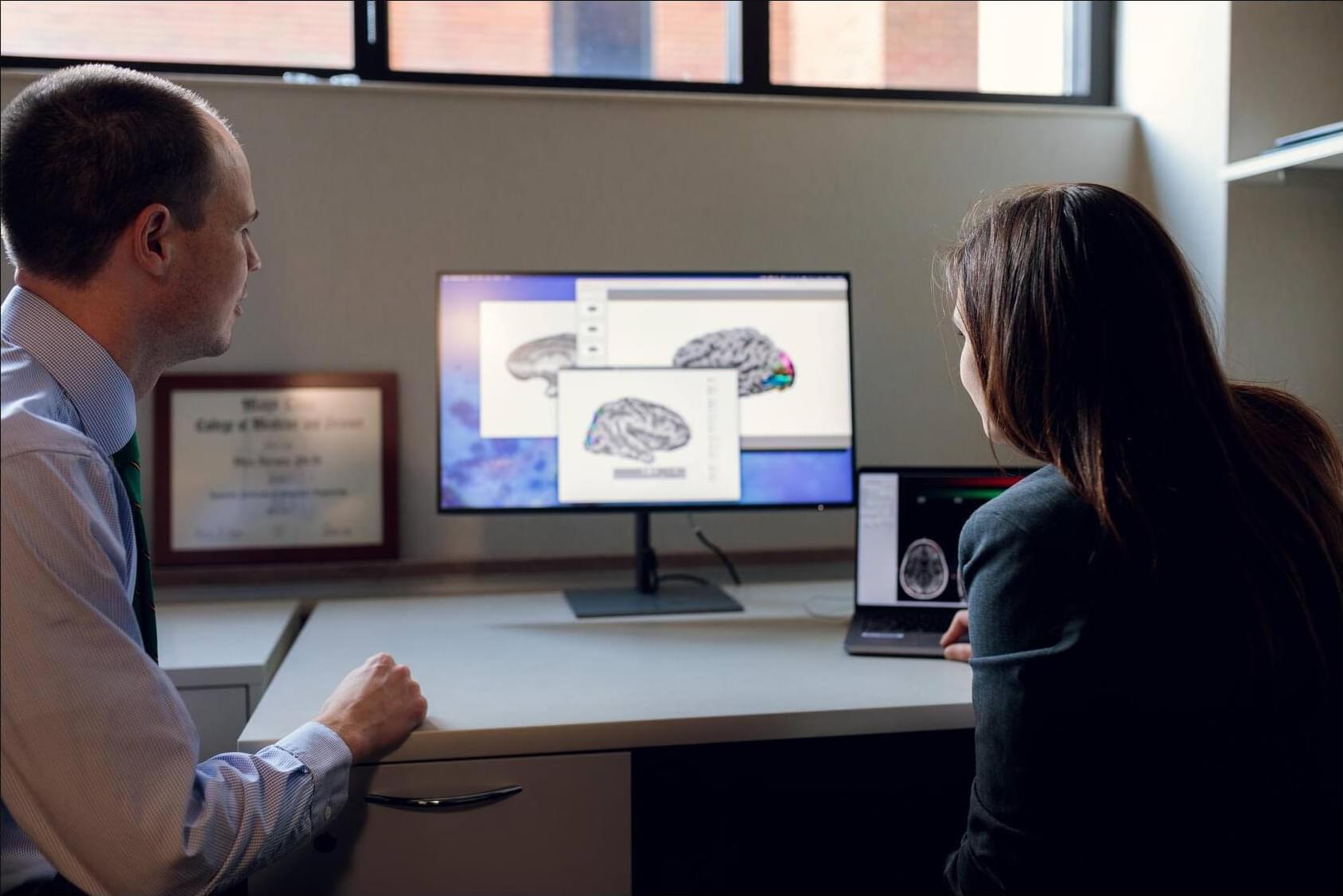
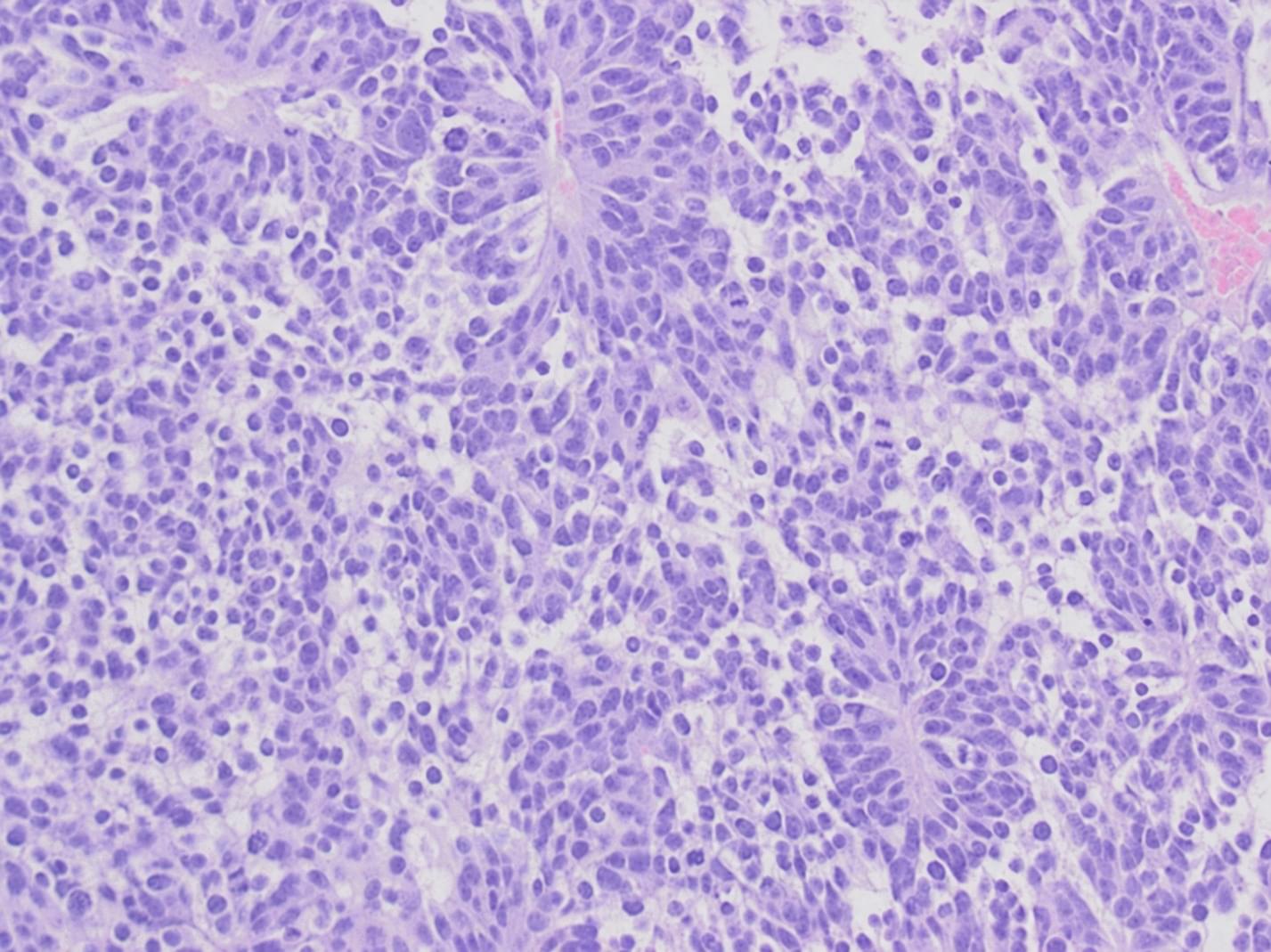
Scientists from Johns Hopkins Medicine report new evidence that clusters of brain tissue derived from the cells of patients with Alzheimer’s disease may be used to evaluate how certain patients with the neurodegenerative condition may respond to drugs commonly prescribed to treat psychiatric symptoms of the disorder. The findings, based on a study of lab-grown brain tissues known as organoids, contribute to a growing body of evidence that brain organoids may also one day be used to more precisely develop and prescribe treatments for subgroups of patients with Alzheimer’s disease, which is the most common form of dementia, and affects more than seven million Americans.

In addition, the researchers found that tiny particles, known as extracellular vesicles, which are secreted by organoids, may contain cellular information that could help scientists find new biomarkers to diagnose and stage Alzheimer’s disease. A report of the findings is published in Alzheimer’s & Dementia.

“Our study suggests that large-scale, patient-derived brain organoids and the vesicles they secrete can help us stage Alzheimer’s disease, investigate the mechanisms that drive it and assess how patient subgroups may respond to different treatments,” says study leader Vasiliki Machairaki, Ph.D., associate professor of genetic medicine at the Johns Hopkins University School of Medicine.

Ancient DNA reveals pervasive directional selection across West Eurasia

The researchers found that natural selection has played a much larger role in determining which traits survived or declined since the Ice Age, identifying 479 genetic variations that were greatly impacted — many more than the 20 previous instances of directional selection.


Analysis of 15,836 ancient West Eurasian genomes reveals hundreds of instances of directional selection, showing that sustained changes in allele frequency were widespread, rather than being rare over this period as previously assumed.

Scientists stunned as bacteria rewire DNA machinery to shape cells

Cyanobacteria—ancient microbes that oxygenated Earth and made complex life possible—are still revealing surprises billions of years later. Scientists have now discovered that a molecular system once used to separate DNA has been repurposed into something entirely different: a structure that shapes the cell itself.

Nvidea CEO Jensen Huang follows just one rule to maximise daily productivity. ‘I do this every single morning, exactly the same way.’

NVIDIA CEO Jensen Huang says his daily success comes from a simple habit, starting each morning by completing his highest priority task first. Speaking at the California Institute of Technology graduation ceremony, he explained that this approach gives him a sense of achievement early in the day and frees up time to focus on others.

/* */