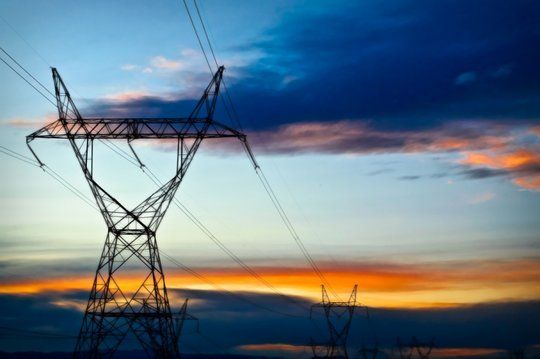
Combination of solar plus storage to be cheaper than grid based power in Australia within the next year, meaning most of the energy use from households will be “hidden” from the networks. Time to think differently about the grid, and help consumers “share” energy.
Get the latest international news and world events from around the world.

Could self-aware cities be the first forms of artificial intelligence? — By Charlie Jane Anders | Gizmodo
“The cities of the future will be huge and super-dense — but will they also be alive?”
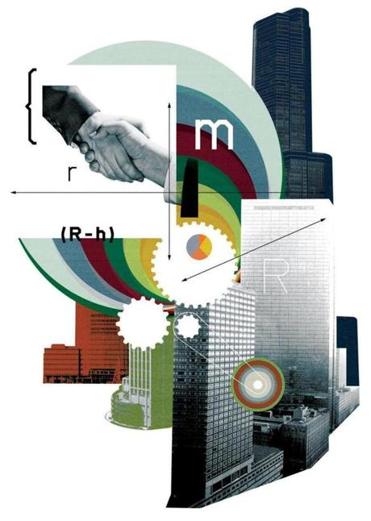
Helping mayors do their job — By Michael R. Bloomberg and Drew Faust | The Boston Globe
“As more and more people around the world live in cities — nearly two in three Americans already do — how well cities are run will affect the future of the planet in profound ways.”

Supercomputer Simulates One Second of Human Brain
Brain is the most complex biological computing system and performs almost every activity with jet speed and precision. Despite the numerous advancements in the interaction of technology and science, there is no machine that functions as swift as a brain. Nevertheless, the recent experiment by the researchers of Okinawa Institute of Science and Technology Graduate University in Japan and Forschungszentrum Jülich in Germany is a milestone in the history of producing human brain simulations by a computer.
The team of researchers from Japan and Germany have managed to produce the most accurate simulation of a human brain in Japan’s computer. The single second worth of activity in the human brain from just one percent of the complex organ was able to be produced in 40 minutes by the world’s fourth largest computer.
The computer used is the K computer in Japan to simulate human brain activity. The computer has 705,024 processor cores and 1.4 million GB of RAM, but still took 40 minutes to crunch the data for just one second of brain activity. The open-source Neural Simulation Technology (NEST) tool is used to replicate a network consisting of 1.73 billion nerve cells connected by 10.4 trillion synapses.
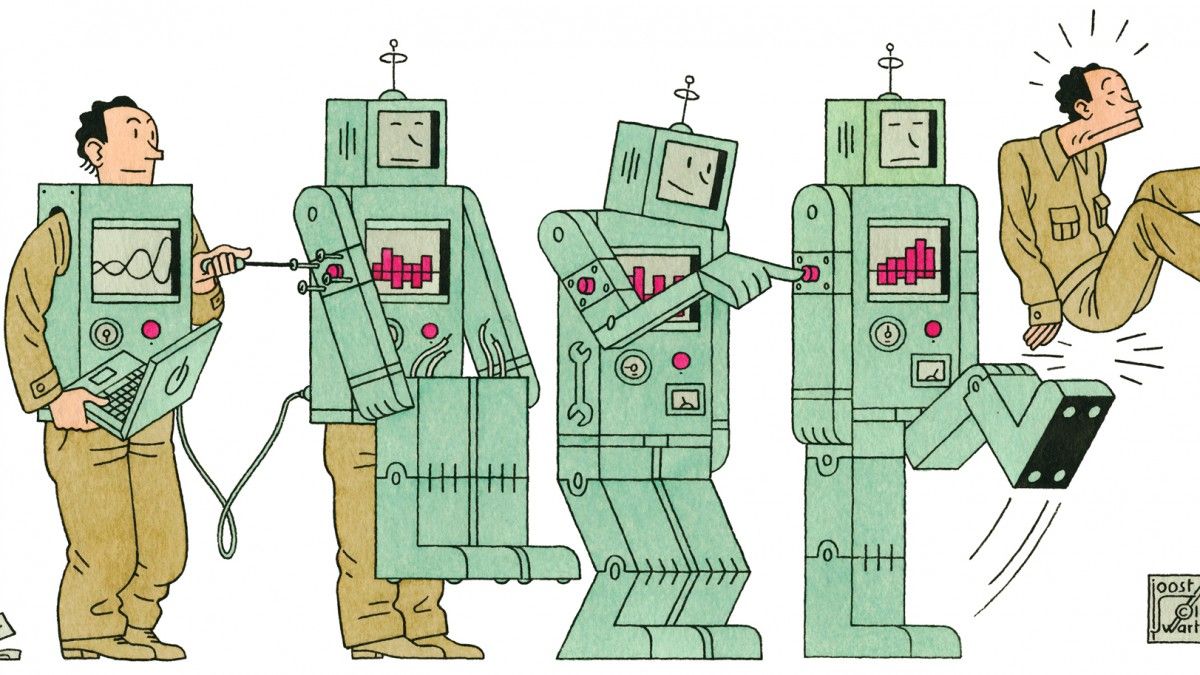
Will Advances in Technology Create a Jobless Future?
We’re in the midst of a jobs crisis, and rapid advances in AI and other technologies may be one culprit. How can we get better at sharing the wealth that technology creates?
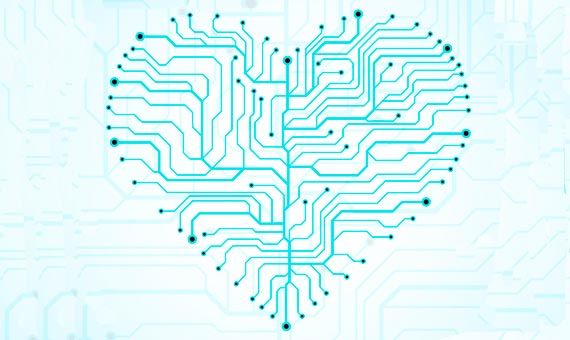
What is Affective Computing?
What is the meaning of affective computing? Are machines able to feel? Find out more about this new concept in this analysis from Ahmed Banafa for OpenMind.
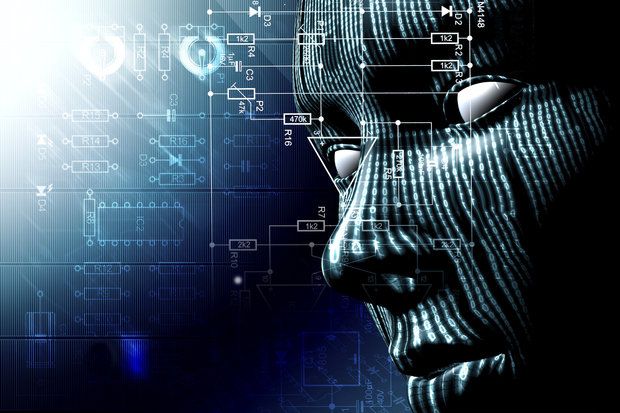
Scientists look at how A.I. will change our lives by 2030
By the year 2030, artificial intelligence (A.I.) will have changed the way we travel to work and to parties, how we take care of our health and how our kids are educated.
That’s the consensus from a panel of academic and technology experts taking part in Stanford University’s One Hundred Year Study on Artificial Intelligence.
Focused on trying to foresee the advances coming to A.I., as well as the ethical challenges they’ll bring, the panel yesterday released its first study.
Who was Alan Turing?
Excellent marathon runner, A.I. pioneer or outstanding scientist: who was Alan Turing? Read more here 👉 http://bit.ly/1USRuOF
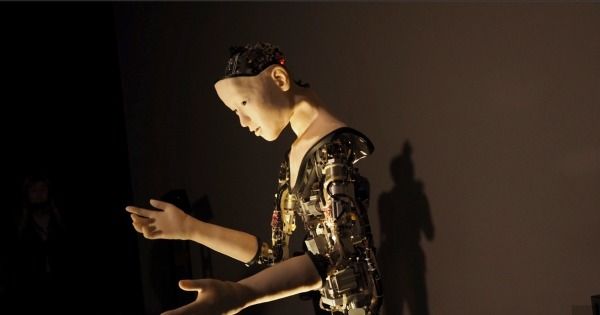
Anthrobotics: Where The Human Ends and the Robot Begins
The Anthrobotics Cluster seeks to start conversations (and answer questions) regarding some of the biggest topics in AI research. Here, Luis de Miranda, one of the founders, discusses anthrobots and the relationship between humans and machines.
Technology is accelerating at an ever increasing rate. Each year, we develop smaller and smarter systems…systems that allow us to interact with information in ways that previous eras only dreamed about. In fact, given their ability to process, identify, and categorize information—and their uncanny ability to synthesize information and make judgments—many of our systems seem to be developing a true form of intelligence. In this respect, it seems that the dawning age of AI is truly upon us.
But what does this mean?
Robot “employees” coming to select Lowe’s this fall
Friday, Sep 2, 2016 4:35 PM UTC
Robot “employees” coming to select Lowe’s this fall.
The “LoweBot” will be able to direct customers around the store, and check up on employees within it VIDEO.