
It may take a drone to hunt a drone in the system that DARPA could begin testing later this year.
Get the latest international news and world events from around the world.

Philip K. Dick and the Fake Humans
Standard utopias and standard dystopias are each perfect after their own particular fashion. We live somewhere queasier—a world in which technology is developing in ways that make it increasingly hard to distinguish human beings from artificial things. The world that the Internet and social media have created is less a system than an ecology, a proliferation of unexpected niches, and entities created and adapted to exploit them in deceptive ways. Vast commercial architectures are being colonized by quasi-autonomous parasites. Scammers have built algorithms to write fake books from scratch to sell on Amazon, compiling and modifying text from other books and online sources such as Wikipedia, to fool buyers or to take advantage of loopholes in Amazon’s compensation structure. Much of the world’s financial system is made out of bots—automated systems designed to continually probe markets for fleeting arbitrage opportunities. Less sophisticated programs plague online commerce systems such as eBay and Amazon, occasionally with extraordinary consequences, as when two warring bots bid the price of a biology book up to $23,698,655.93 (plus $3.99 shipping).
In other words, we live in Philip K. Dick’s future, not George Orwell’s or Aldous Huxley’s. Dick was no better a prophet of technology than any science fiction writer, and was arguably worse than most. His imagined worlds jam together odd bits of fifties’ and sixties’ California with rocket ships, drugs, and social speculation. Dick usually wrote in a hurry and for money, and sometimes under the influence of drugs or a recent and urgent personal religious revelation.
Still, what he captured with genius was the ontological unease of a world in which the human and the abhuman, the real and the fake, blur together. As Dick described his work (in the opening essay to his 1985 collection, I Hope I Shall Arrive Soon):
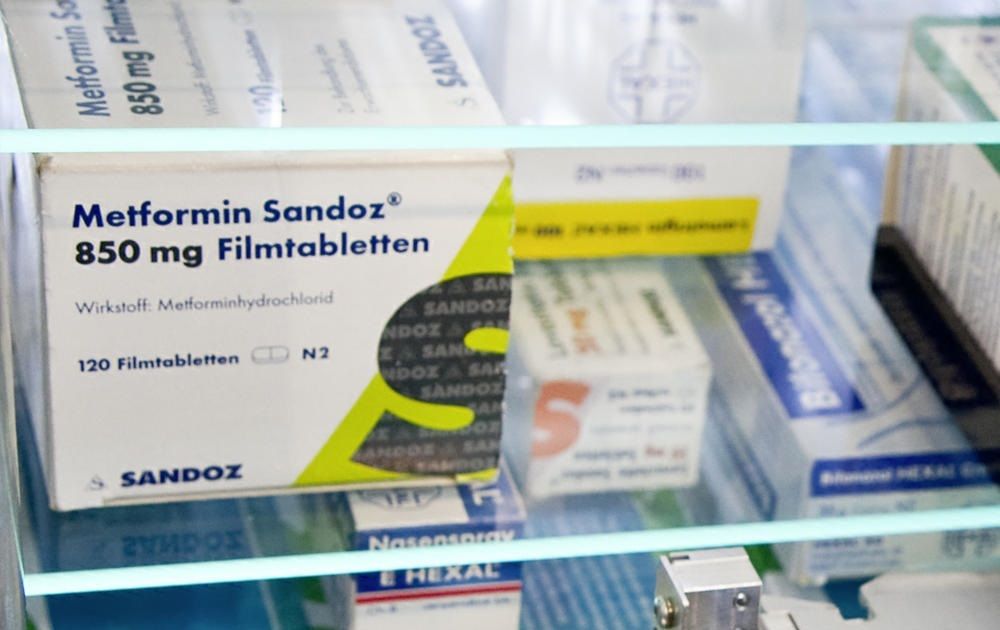
Can We Live to 120 On Metformin?
A look back at the most popular life extension articles of 2017.
Review of metformin and anti-aging medicine. Metformin was shown to be anti-aging in diabetics. The TAME study wants to do same for all of us.
‘Potentially hazardous’ asteroid is headed towards Earth
The asteroid is around 0.7 miles (1.1km) wide — making it longer than the Burj Khalifa in Dubai, which stands at 0.5 miles high (0.8km).
It is set to pass by our planet on the 4th February at a distance of around 2,615,128 miles (4,208,641km) away — which is relatively close in space terms.
For reference, the distance between the Earth and the moon is 238,855 miles (384,400 km).
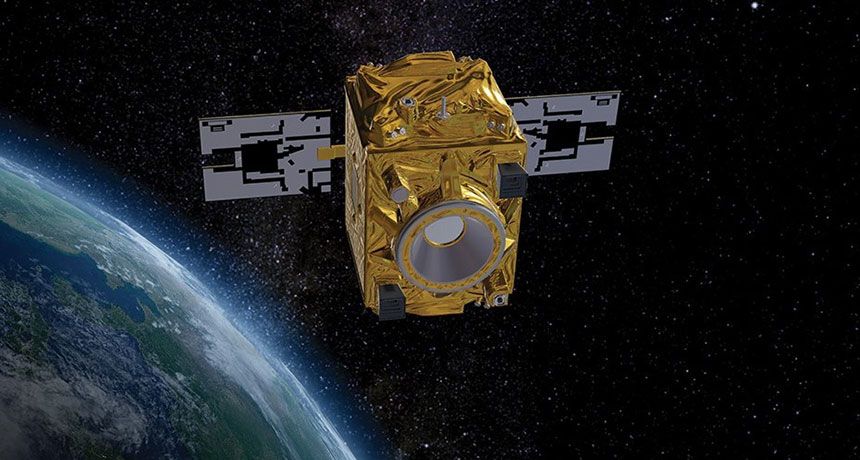
Major gravity experiment recreated aboard a satellite
A spacecraft was used to “drop” two objects and test their rate of fall. The new, super-precise findings confirm objects will fall at the same rate (in the absence of air resistance) — and that when it comes defining the effects of gravity, Einstein got it right.
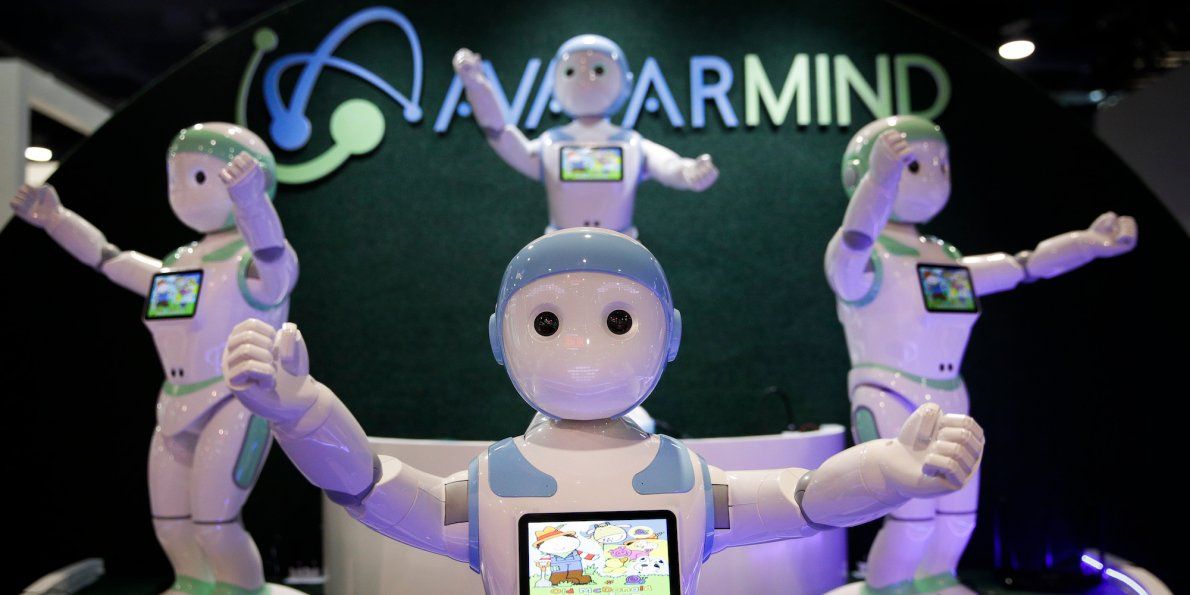
These were the 6 most popular trends I saw at the biggest technology show of 2018
From adorable robots to modular TVs, these were the biggest trends I saw at this year’s Consumer Electronics Show.
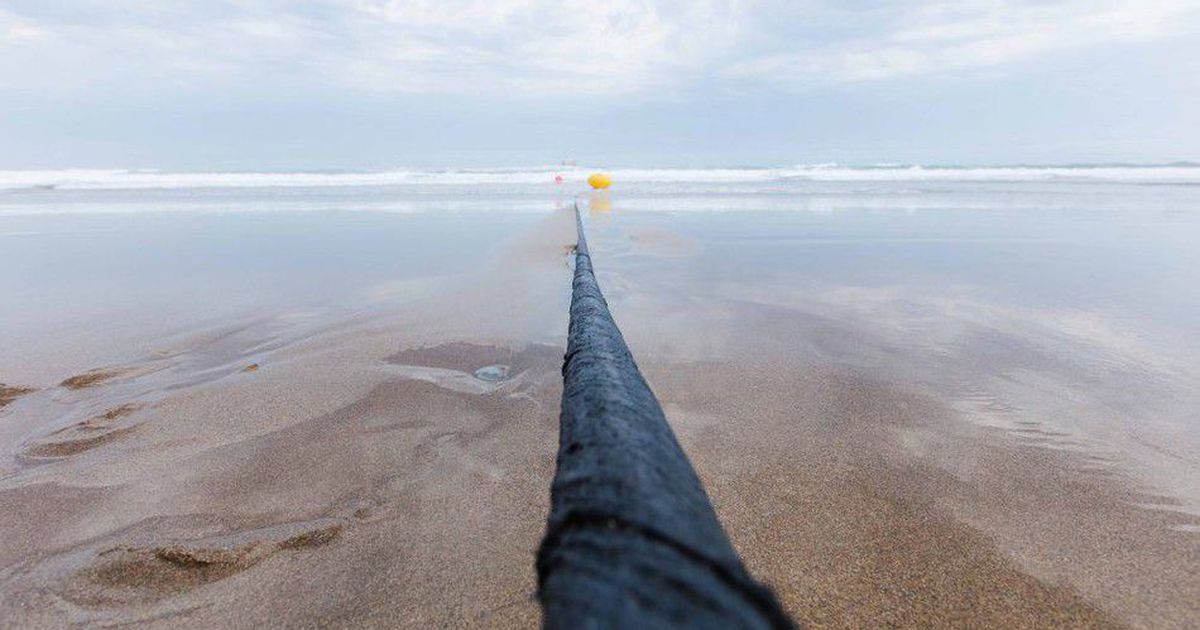
Google will construct three new undersea cables in 2019
Can’t get enough Google? You’re in luck.
The company, a division of Alphabet Inc., has announced that it will expand its Cloud services to five new regions, and build three new submarine cables to service its capacity needs.
SEE ALSO: Google wants your phone screen to double as a speaker.
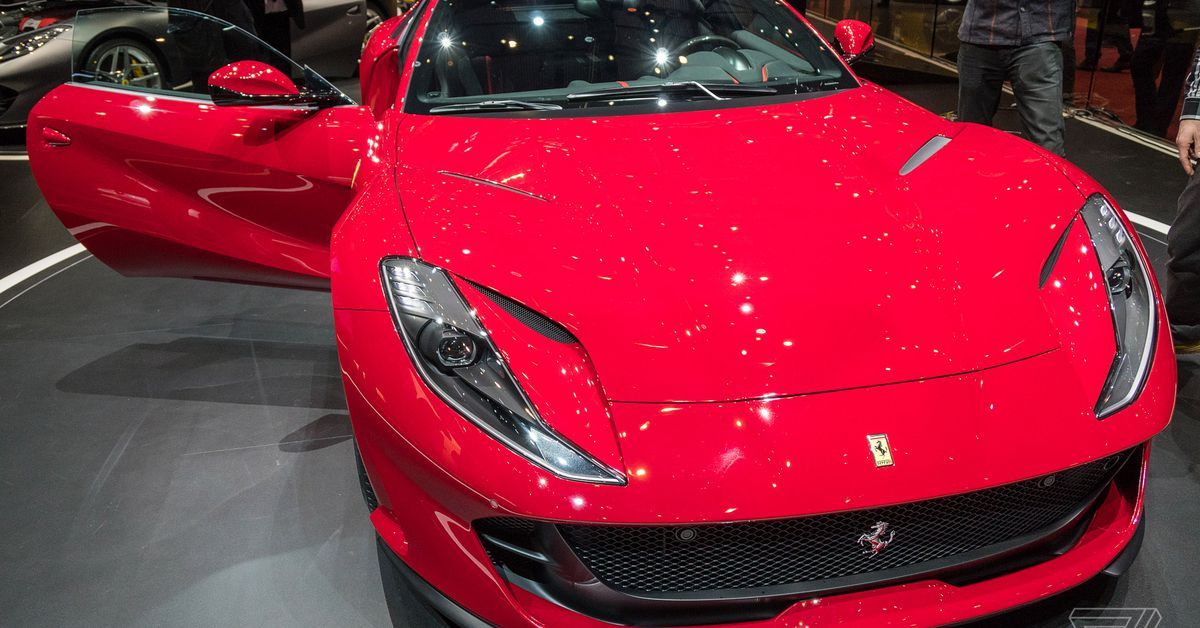
Ferrari will make an electric supercar (and an SUV)
Giving Tesla a run for its money.
Tattoo using live bacterial ink to monitor health
A bacterial tattoo is better for your health than it sounds.