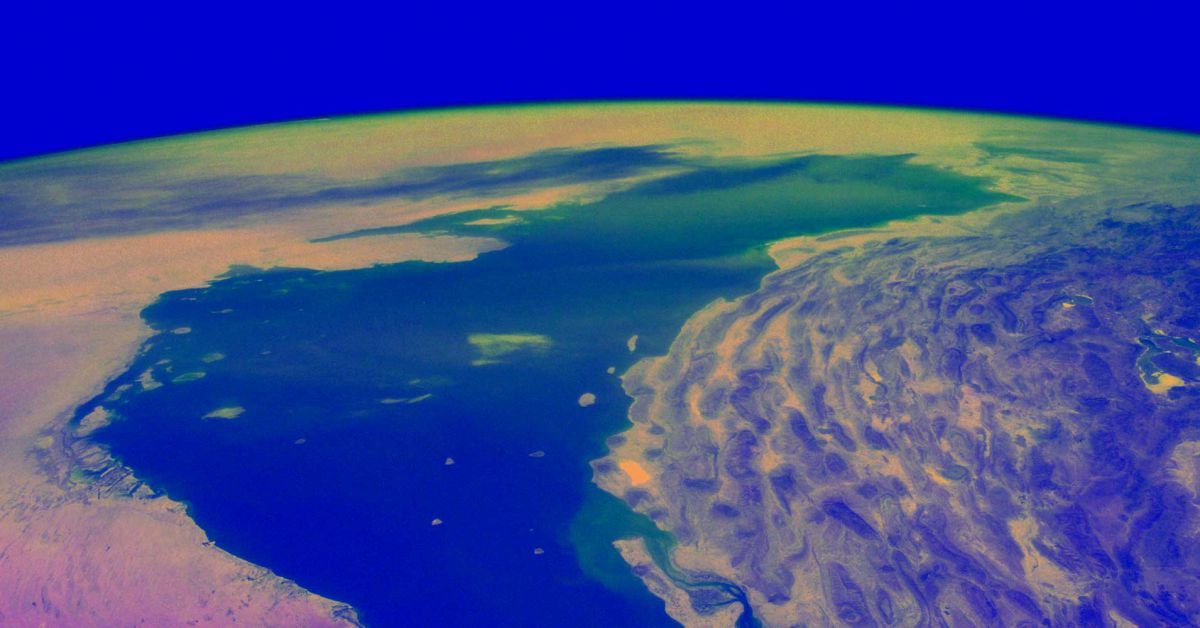
Earth’s continents are (very slowly) headed for a collision.
Get the latest international news and world events from around the world.

Virgin Galactic Will Send People to Space By Christmas. Maybe.
Founder Richard Branson is “pretty confident” it’ll happen.
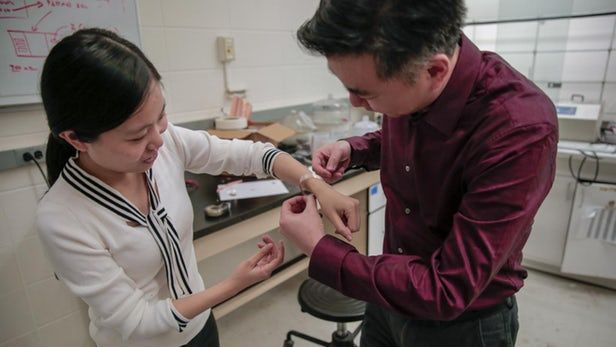
Motion-powered electric bandage speeds healing
For some time now, scientists have known that electrical currents can help heal chronic wounds. And while there are electrotherapy units that are in use, they can be quite bulky and complex. That’s why researchers have created an “electric bandage” that’s powered by the motion of the body.

Off-the-Shelf Drones Are Being Used by Bio-Researchers to Accurately Track Aquatic Life
Ph.D. candidate Ernie Hensel claims UAVs can efficiently track, identify, and monitor various species while remaining nonintrusive.

How an 18th-century priest gave us the tools to make better decisions
The world is a complicated place. Bayes’ theorem can help us navigate it.

I’m beaming!
During my first full day here, I broke my first record by generating more electrical power than any previous robot on the surface of Mars. I’m in a sandy area with few rocks, soaking up the Sun. 🌞 More about where I landed: http://go.nasa.gov/2RvGiMl&h=AT18X8EjCOTXbtitHthnNUzrg5IiHWx…p1W1lBoVnw
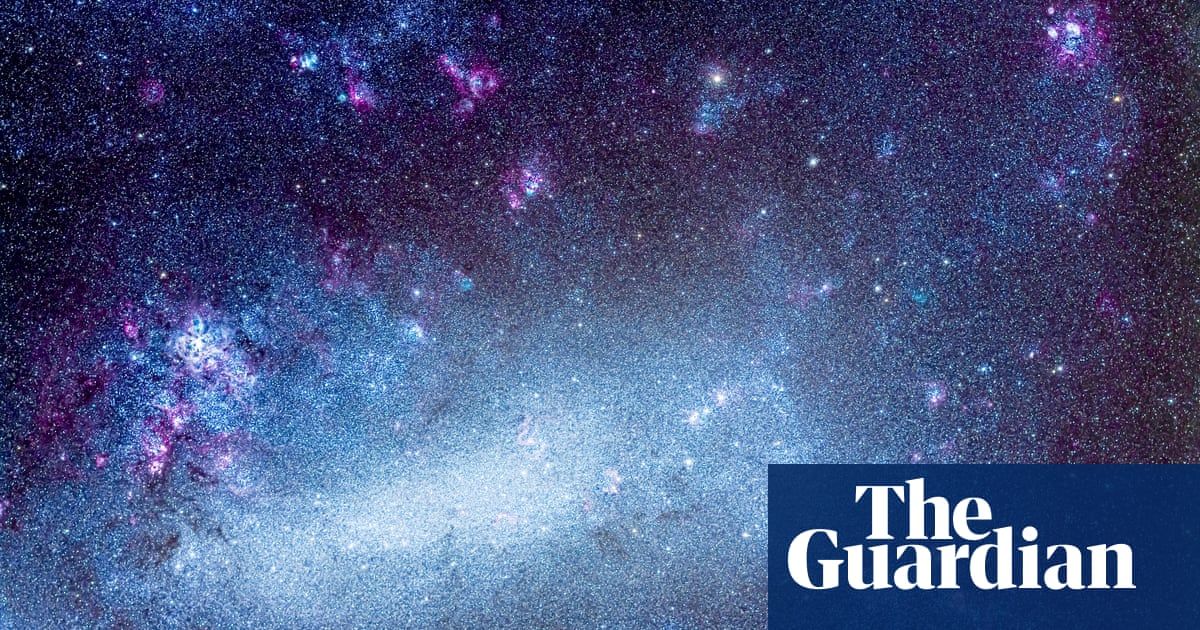
Astronomers measure total starlight emitted over 13.7bn years
The first stars flickered into being a few hundred million years after the big bang. Since then, galaxies have churned out stars at a stupendous rate, and scientists estimate there were now about a trillion trillion.
In total, the astronomers estimate, stars have radiated 4×1084 photons (a photon being the smallest unit of light). Or put another way: 4,000,000,000,000,000,000,000,000,000,000,000,000,000,000,000,000,000,000,000,000,000,000,000,000,000,000,000,000 photons.
The astronomers based their calculation on measurements of the extragalactic background light (EBL), a cosmic fog of radiation that has been accumulating since stars first illuminated the dark, vast expanse of space.
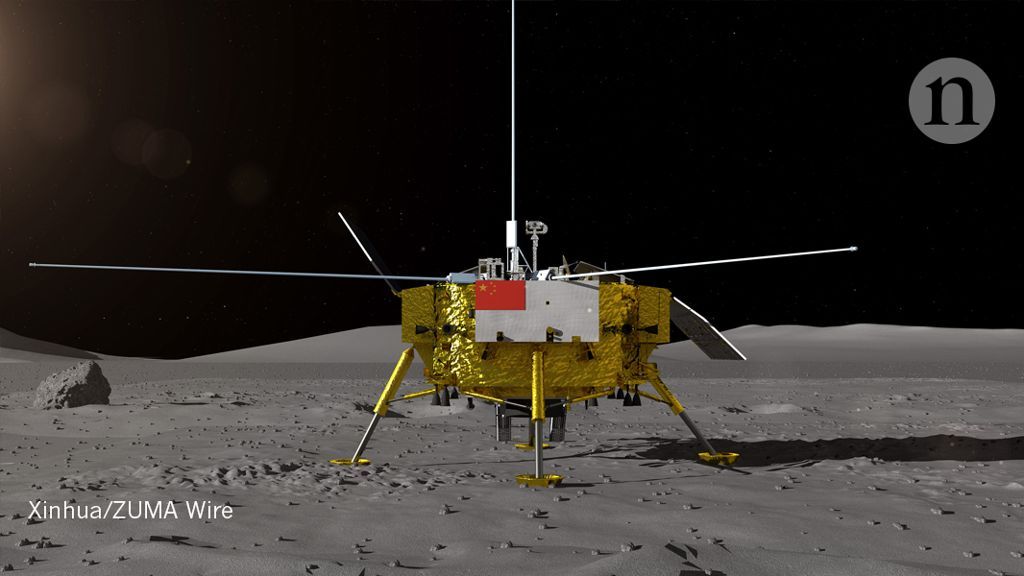
China set to launch first-ever spacecraft to the far side of the Moon
Chang’e-4 mission will test plant growth on the Moon, and listen for radio emissions normally blocked by Earth’s atmosphere. Instruments on board the lander will carry out the first radio astronomy observations from the Moon’s far surface.
This robot cafe in Tokyo is remotely controlled by disabled staff, and it’s incredible
Being waited on by robot is something that we all imagine might be possible in the distant future, but one cafe in Tokyo is already offering just that… with a twist. As Fast Company reports, a visit to the “Dawn ver.β” will put you face-to-face with robot waiters that take orders from customers and deliver food to their tables.
It’s all very futuristic, but the twist here is that the robots aren’t powered by AI or some advanced automation system. Instead, they’re controlled remotely by human staff with severe disabilities working right from their own homes. The cafe, which is the result of a partnership between the Nippon Foundation, Ory Lab Inc, and ANA Holdings, is already a big hit, and its creators have big plans for the future.
Artificial intelligence faithfully recreates paintings with a 3D printer
Replicas of famous paintings are routinely created with printers that use only four inks – cyan, magenta, yellow, and black. RePaint, a new technique developed at MIT, combines artificial intelligence, 3D printing, and a rich 10-ink palette for much more faithful results in any lighting condition.