In the past, early adopters embraced inanimate technology, like smartphones. But what happens when transhumanism stops being sci-fi conjecture and goes mainstream? Will we be so ready to upgrade ourselves?

In the past, early adopters embraced inanimate technology, like smartphones. But what happens when transhumanism stops being sci-fi conjecture and goes mainstream? Will we be so ready to upgrade ourselves?
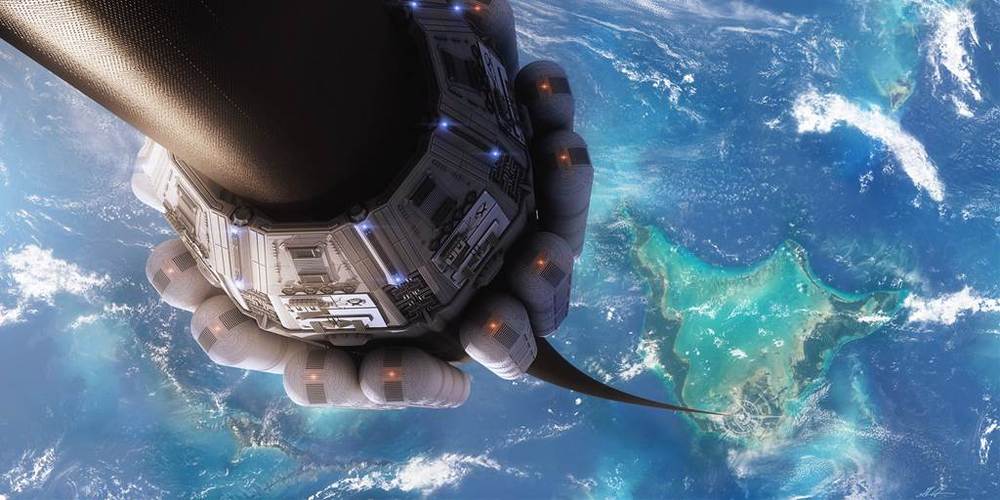
Scientists in China and Japan are working to create a space elevator, and an experiment aboard the International Space Station could help point the way.

DARPA seeks to achieve high levels of brain-system communications without surgery, in its new program, Next-Generation Nonsurgical Neurotechnology (N3).
What trouble could a coin-sized black hole cause?
Two-thirds of all cancers are caused by DNA replication errors, according to Johns Hopkins researchers. But don’t light a celebratory cigarette just yet.
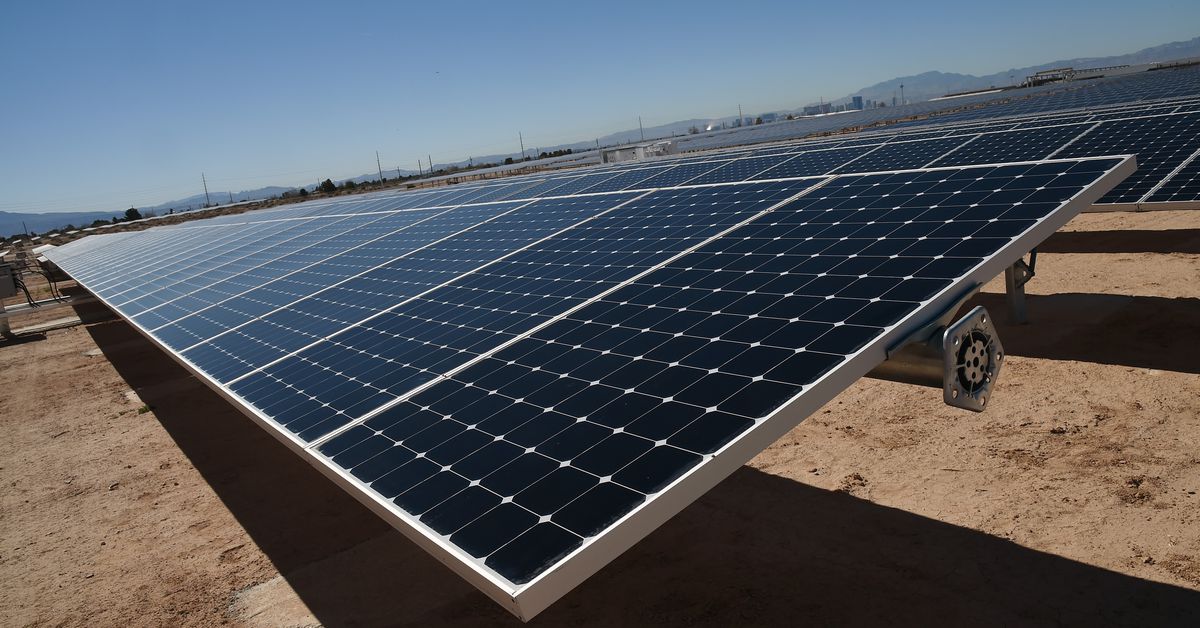
Today’s hottest solar tech is all about supporting old-fashioned silicon panels.
Angus, a 1,000lb robot, rolls about the indoor farm on omnidirectional wheels.
Its main job is to shuttle maturing produce to another, as-yet unnamed robot, which transfers plants from smaller growing pods to larger ones.
To do so, it uses a mechanical arm whose joints are lubricated with ‘food-safe’ grease.

Jeff Bezos, the richest person on Earth, is designing a spacecraft to land on the moon with his rocket company, Blue Origin. The “Blue Moon” robot is expected to deliver several metric tons of supplies to the surface, though Blue Origin is working with others to establish a larger lunar economy.
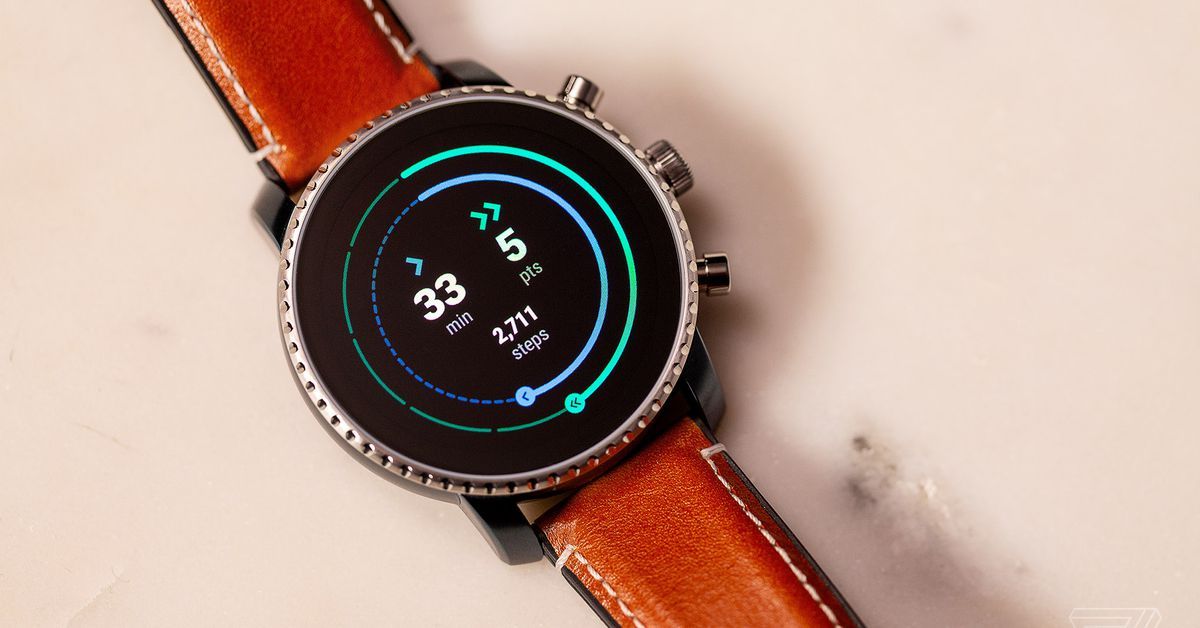
Google’s Wear OS smartwatches recently got a software update, but is it enough? In this video, Dieter Bohn examines what the company needs to do to stay competitive with the Apple Watch.

The newfound “exomoon” is giant — about four times as big as Earth.