A microscopic flaw in the brain’s cellular scaffolding can shape brain size for life.

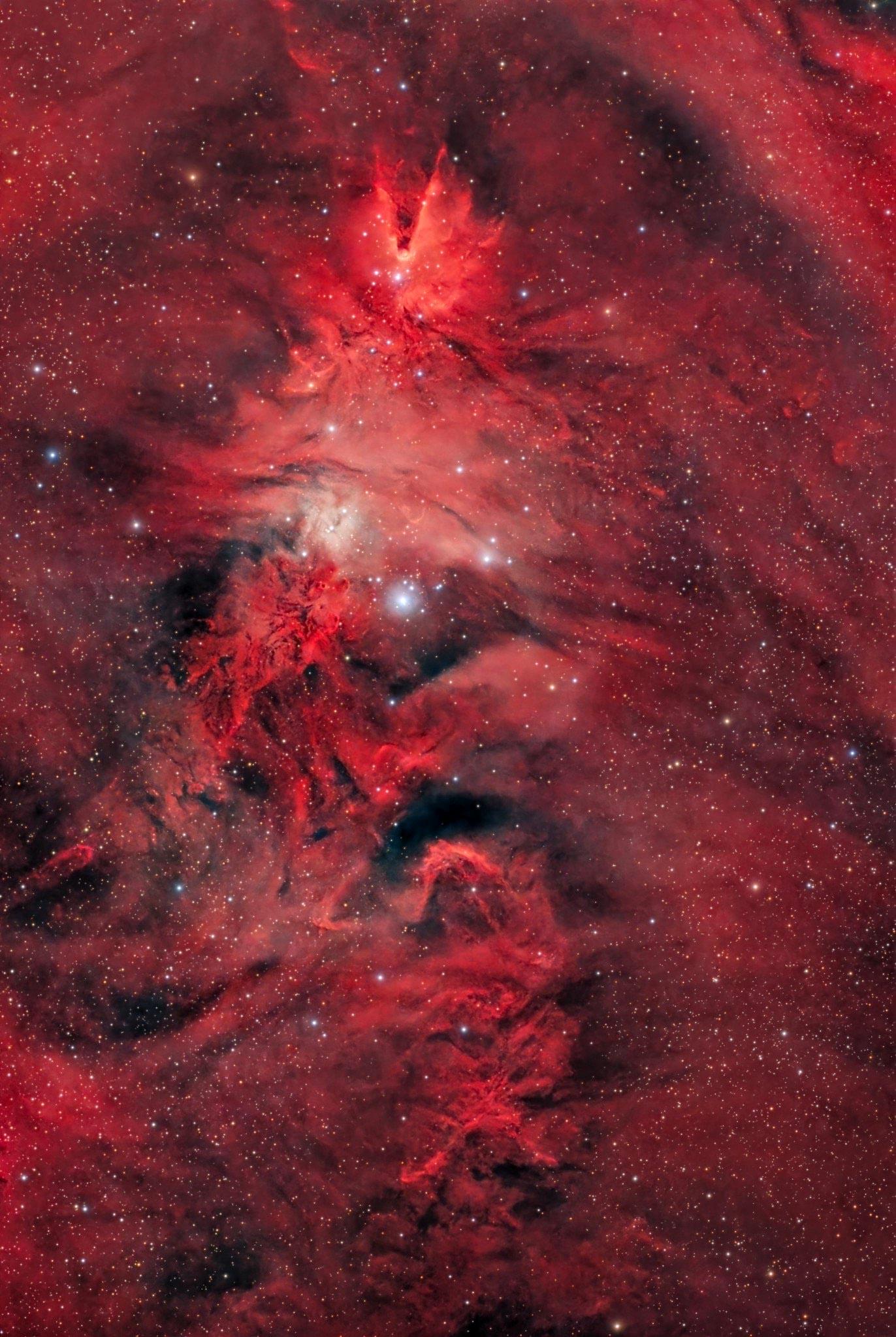
Just in time for Christmas, a vast star-forming region shaped like a Christmas tree is lighting up space 2,700 light-years from Earth.
NGC 2,264 is a vast region of space where new stars are actively forming, located about 2,700 light-years from Earth in the faint constellation Monoceros, also known as the Unicorn. Astronomers use catalog names like NGC 2,264 to identify and track objects beyond our solar system, and this particular one stands out for its intricate mix of glowing clouds and young stars. Positioned near the celestial equator and close to the flat disk of the Milky Way, this region is visible at certain times of year from much of the world.
How young stars light up space


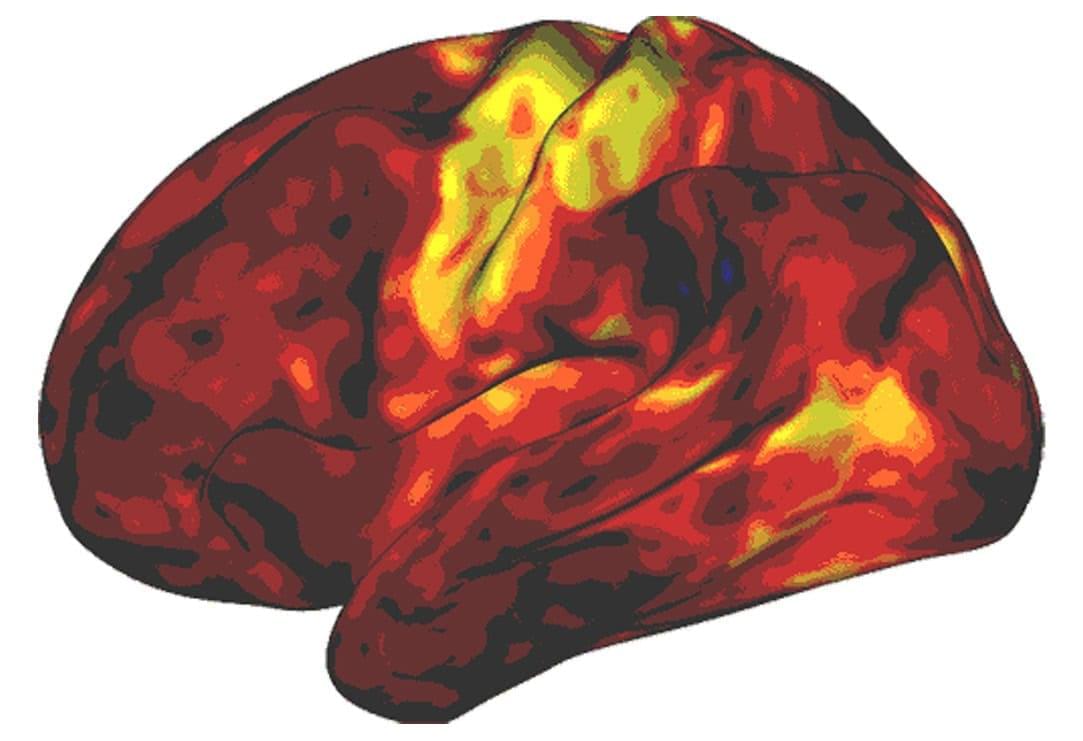


New research suggests that specific personality traits may amplify the way childhood adversity shapes an individual’s approach to life. A study published in the journal Personality and Individual Differences provides evidence that subclinical psychopathy strengthens the link between childhood trauma and “fast” life history strategies. The findings indicate that for those who have experienced severe early difficulties, certain dark personality traits may function as adaptive mechanisms for survival.
Psychologists use a framework called Life History Theory to explain how people allocate their energy. This theory proposes that all living organisms must make trade-offs between investing in their own growth and investing in reproduction. These trade-offs create a spectrum of strategies that range from “fast” to “slow.”
A fast life history strategy typically emerges in environments that are harsh or unpredictable. Individuals with this orientation tend to prioritize immediate rewards and reproduction over long-term planning. They often engage in riskier behaviors and invest less effort in long-term relationships. This approach makes evolutionary sense when the future is uncertain.