Toggle light / dark theme

Get the latest international news and world events from around the world.

Log in for authorized contributors

Universal structure of exceptional points revealed in nonlinear light‑based systems

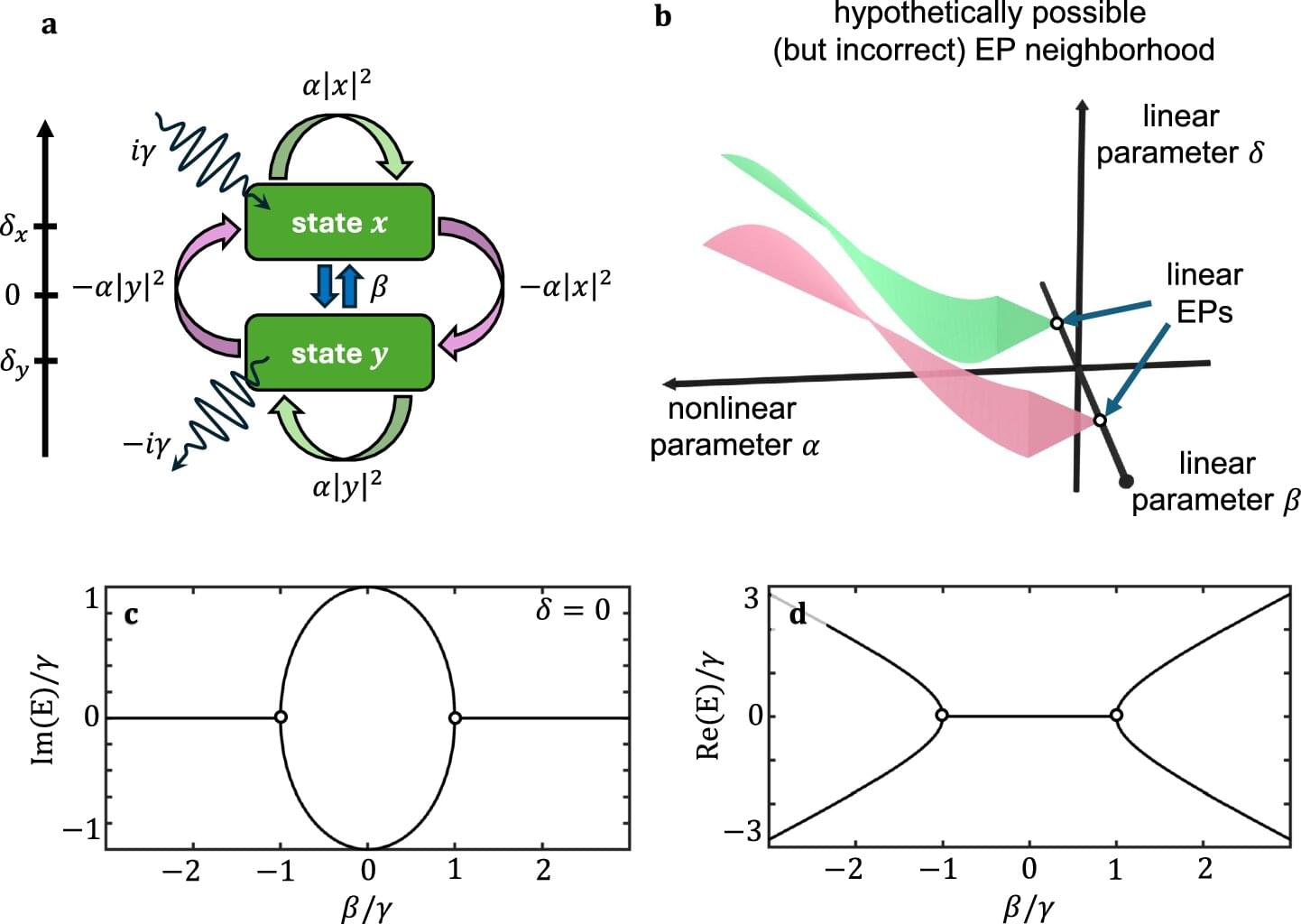
Exceptional points, or EPs for short, are among the phenomena of modern physics. These are special points or locations at which the properties of matter, space or time change. In a new theoretical study, researchers from the Institute for Photonic Quantum Systems (PhoQS) at Paderborn University, in collaboration with researchers from the University of Arizona, have shown that exceptional points in nonlinear systems follow a universal geometric order—something that was previously unclear. Their findings have been published in the journal Nature Communications.

Exceptional points are points in physical systems at which not only two eigenvalues but also the corresponding states merge. Such phenomena occur in so-called non-Hermitian systems, which are characterized, for example, by amplification, loss or interactions with their environment. They are the subject of intensive research in fields including optics, lasers, quantum systems and polariton condensates.

Until now, EPs have mainly been studied in linear systems. In such systems, they can often be described as isolated points in parameter space. However, many real physical systems are nonlinear: Their properties depend on the intensity, occupation or state of the system itself.
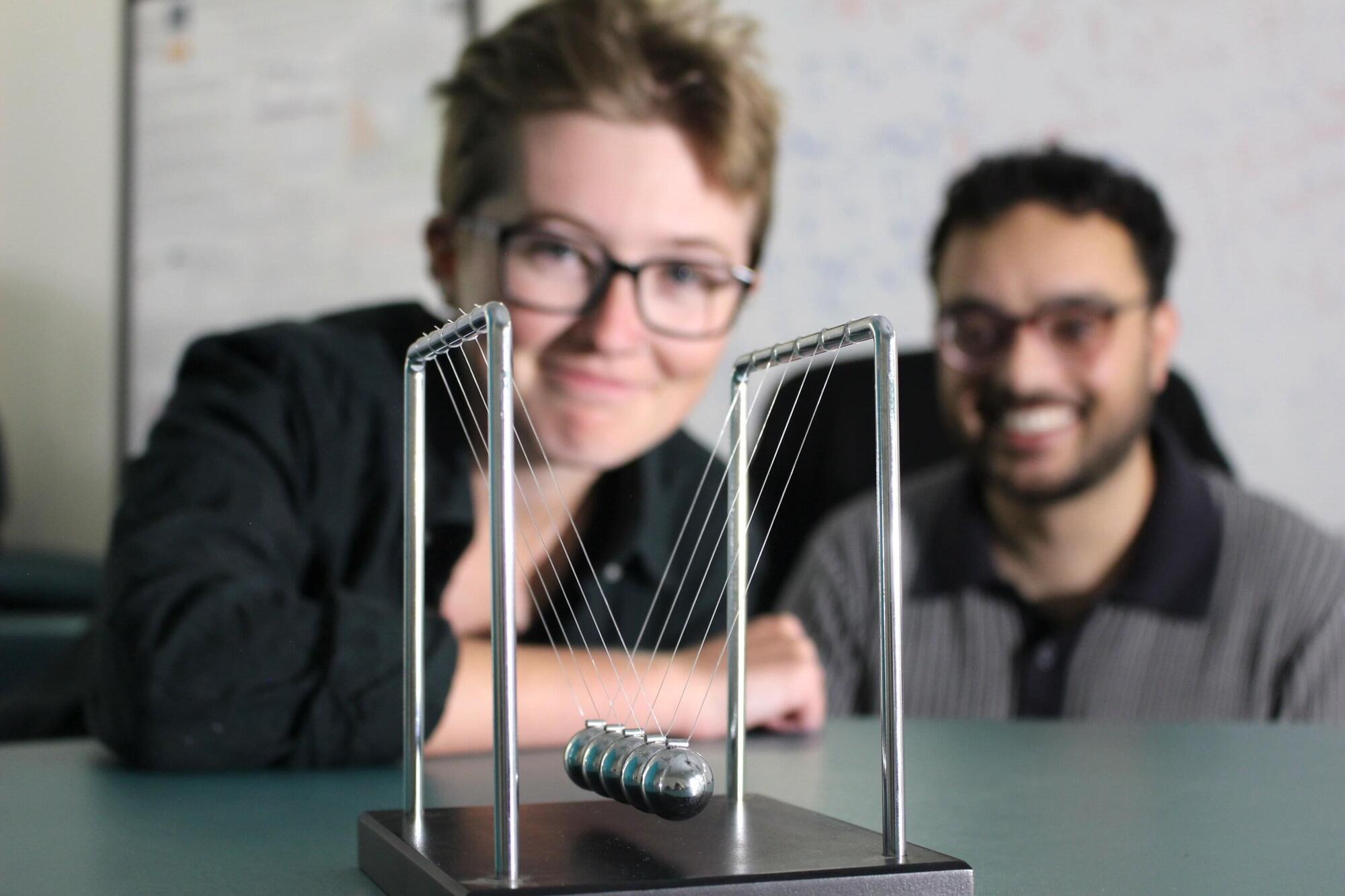

Quantum Newton’s cradle set to level up computing

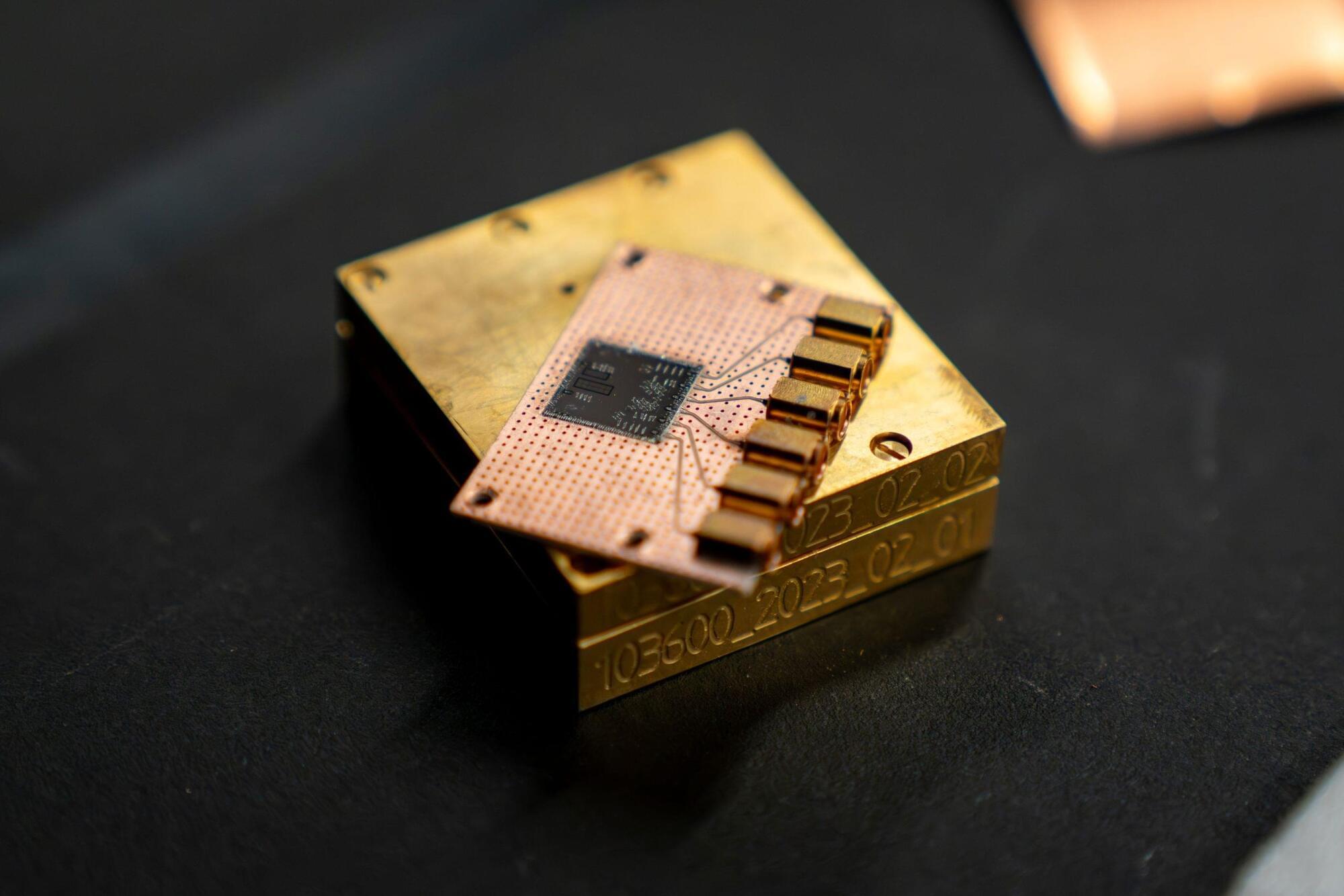
Sending quantum information through a chain of qubits, like energy through a Newton’s cradle, could be the key to faster operations and take quantum computing to the next level.

The quantum Newton’s cradle design shows how a laser can be used to give a precisely designed kick of energy to a row of trapped ions, quickly preparing them for quantum calculations known as gates.

The superpower of the new algorithm is its ability to rapidly entangle any two ions in the row without affecting the ones in between: Like a Newton’s cradle, the energy travels through the ions, leaving them untouched.

Shaking atoms to bring black-hole quantum chaos into the lab

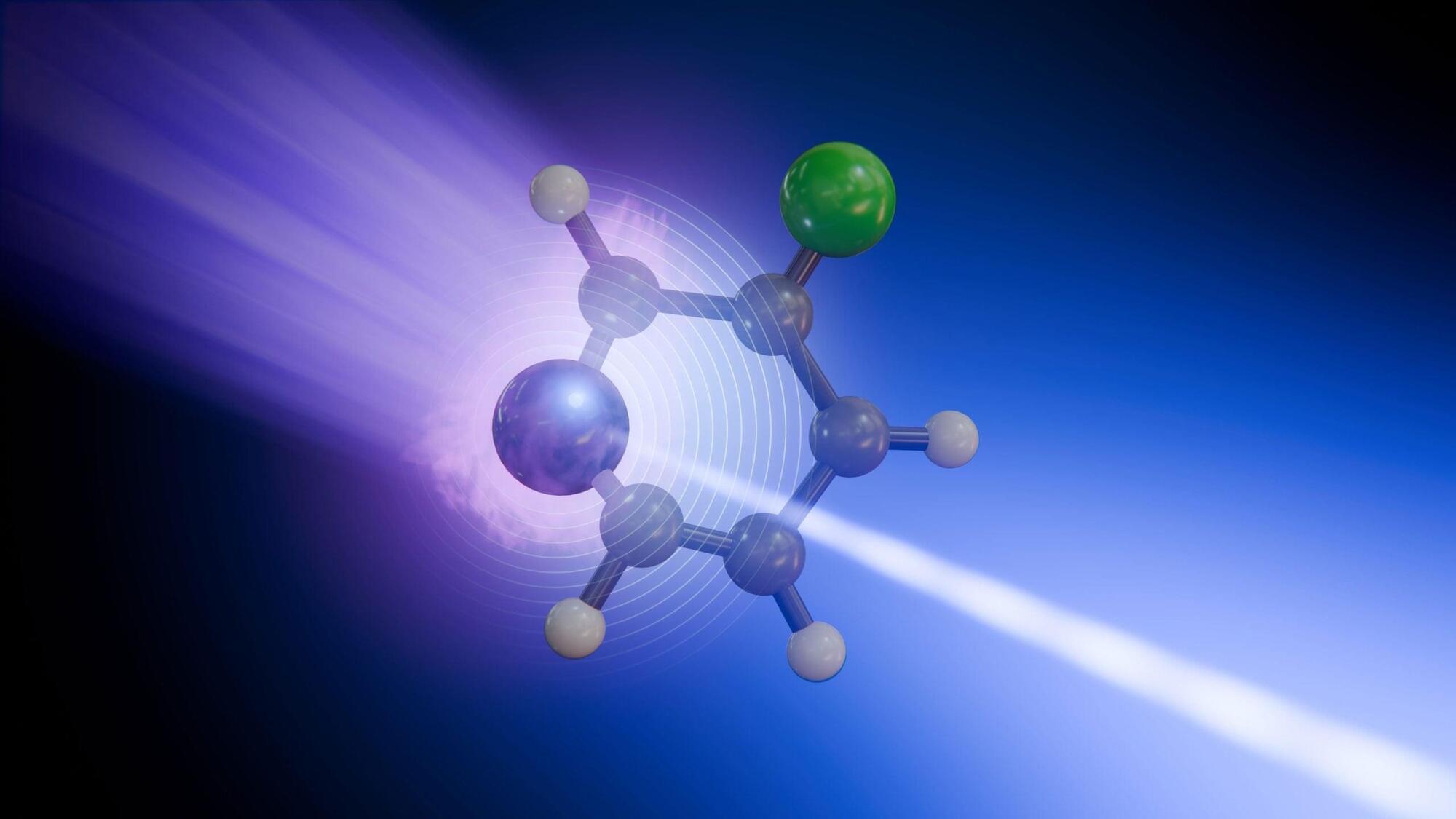
Physicists have discovered a surprisingly simple way to reproduce one of the most fascinating models in modern physics—linked to black holes, quantum chaos and exotic electronic materials—using ultracold atoms trapped in light.

Instead of trying to build a highly complex system from scratch, the researchers show that gently “shaking” a standard optical lattice can transform it into an accurate simulator of the Sachdev–Ye–Kitaev (SYK) model, a theoretical model known for its extreme and unusual quantum behavior.

The findings are published in the journal Physical Review Letters.

Black Hole Collisions May Follow a Surprisingly Simple Rule

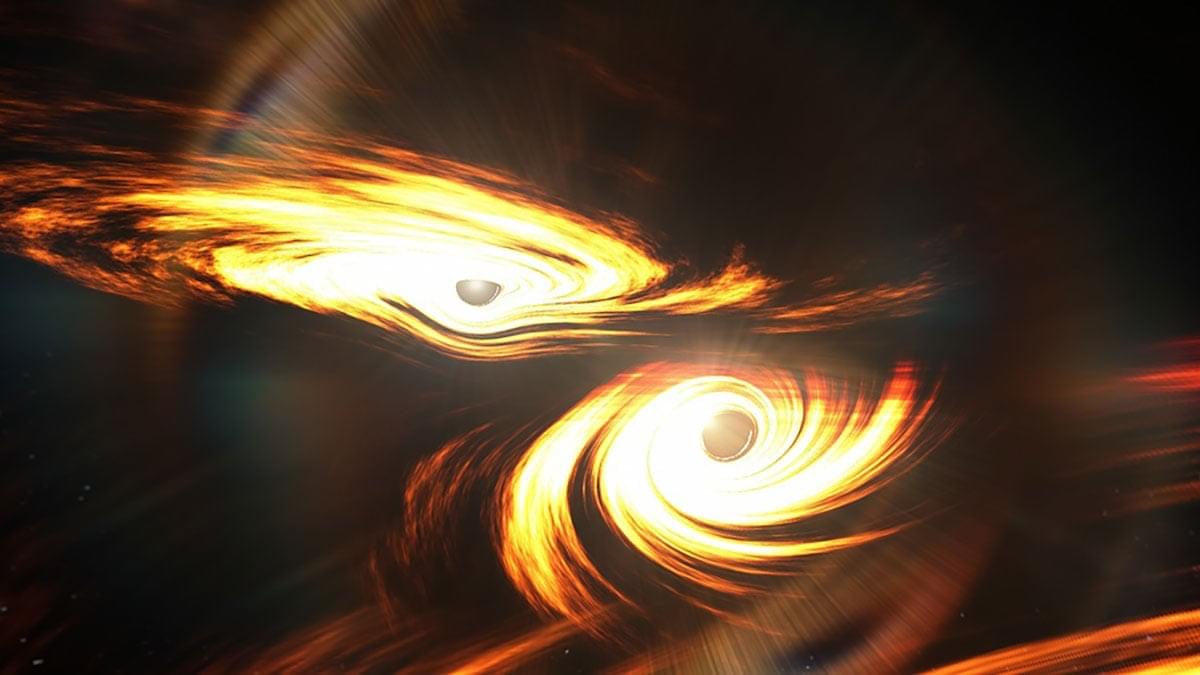
The size of a black hole formed by the merger of two orbiting black holes can be predicted using simple thermodynamics. Two black holes locked in orbit do not remain apart forever. As they spiral closer, they eventually collide in an extraordinarily energetic event that warps the surrounding univ

/* */