Stellantis was the last major automaker to commit.
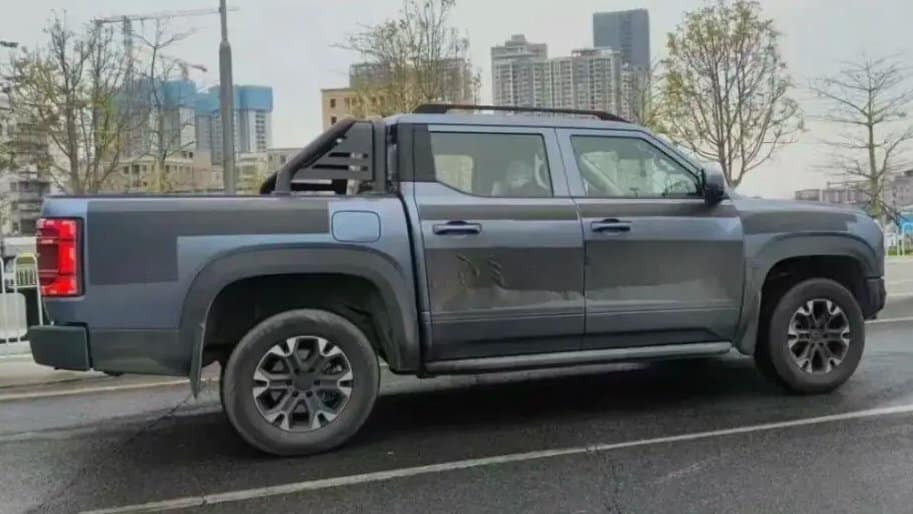
More spy pictures are emerging of the as yet unnamed BYD pickup truck. Most importantly there are pictures indicating that right-hand drive models are already being tested. This means that it will almost certainly be heading to the Australian market and possibly the South African market soon.
Chinese media has been keen on talking about the RHD version of this car being spied but as you will see none of the pictures clearly show the steering wheel on the right. However, if you look at the windscreen wipers, on the near head on spy shot, these appear to be positioned for a car driven from a seat on the right.
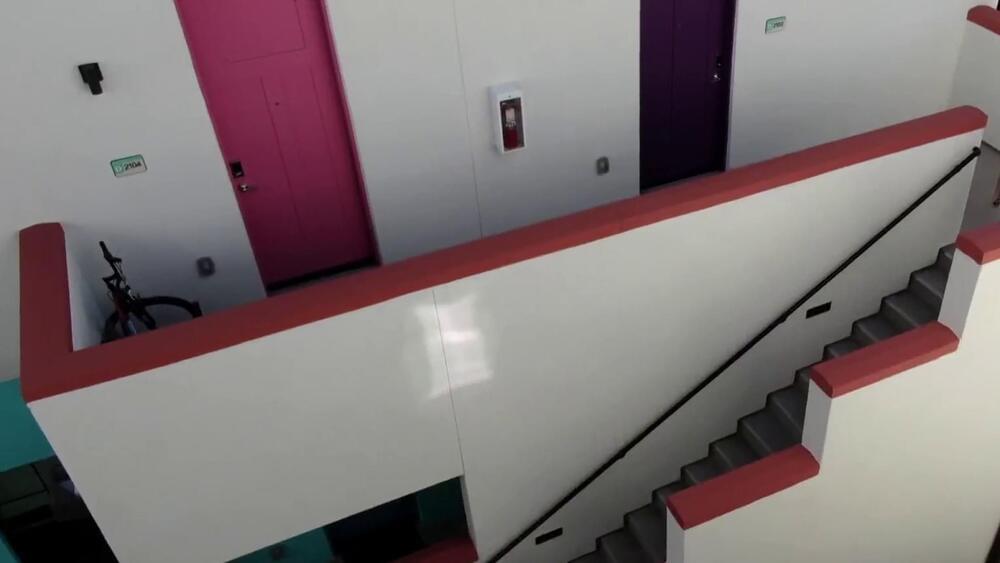
There’s a bold real estate experiment underway in Tempe, Arizona. Culdesac is the nation’s first rental community designed and built specifically for car-free living. Residents say it has helped them get to know there neighbors better. But the real test will be when temperatures climb this summer. CNBC Senior Real Estate Correspondent Diana Olick reports.
YangWang U9 might be BYD’s most expensive car yet.
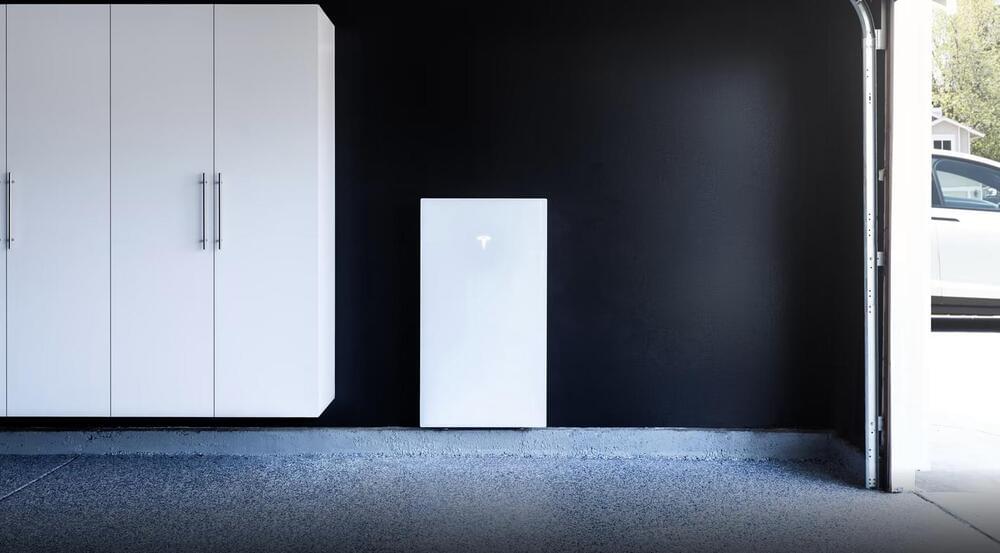
Tesla has officially opened orders for its next-generation Powerwall 3 battery on its website, after the company spent much of last year quietly deploying the new hardware.
You can now order a Powerwall 3 from Tesla directly through its website in the U.S., offering updated specs from the previous generation Powerwall 2. Tesla listed the specs for the updated energy storage hardware on its website in September, and it also caught the attention of CEO Elon Musk, who commented on the generation’s improvements after some Powerwall 3 installations had already been spotted.
At the time of writing, the Powerwall 3 doesn’t appear to be available in other North American markets, Canada and Mexico, nor does it appear to be available in Europe or Asia.
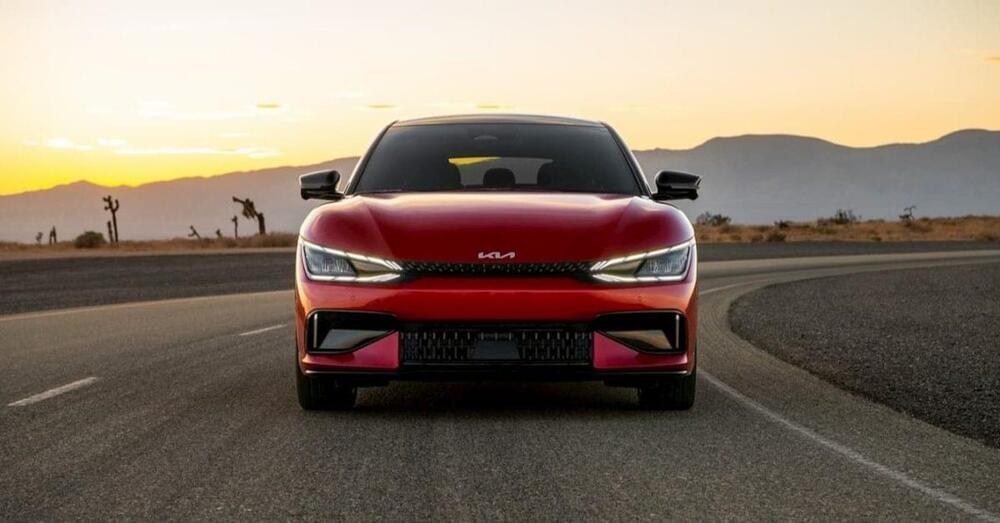
Kia plans to replace the Stinger with an incredibly powerful all-electric sedan called the EV8. The high-performance EV is expected to pack over 600 hp and 500 miles range as Kia’s most powerful car yet.
The Kia EV8 will be the first electric vehicle based on Hyundai’s next-gen “eM” platform. Hyundai’s eM platform is one of two new platforms to be built under its new Integrated Modular Architecture. (IMA).
After revealing the platform last year, Hyundai claimed it would improve EV driving range by 50% compared to current models.
1 year ago.
#HoverBike #XTURISMO #FirstHoverBike #US #Detroit The hoverbike was tried and tested by none other than the Co-Chairman of the Detroit Motor Show himself. His reaction after the flight… just like that of a 15-year-old child fulfilling a dream. The hoverbike is already on sale in the country. Watch this report to know more. ———————– About the channel Watch us for the best news and views on business, stock markets, crypto currencies, consumer technology, the world of real estate, bullion, automobiles, start-ups and unicorns and personal finance. Business Today TV will also bring you all you need to know about mutual funds, insurance, loans and pension plans among others. Follow us at: Website: https://www.businesstoday.in Facebook: / businesstoday twitter:
/ business_today Instagram:
/ business_today.
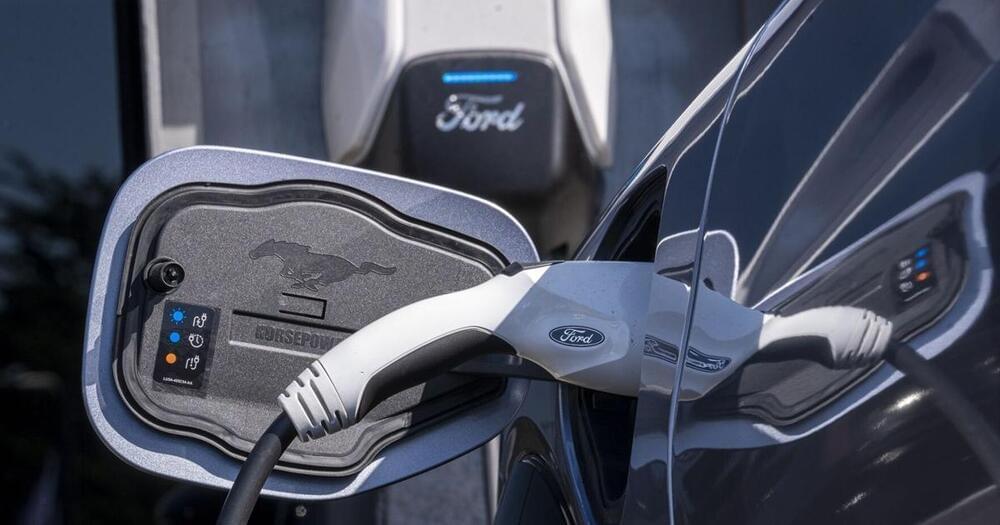
Ford says it has a top-secret, high-powered team working to design its future electric vehicles. It’s part of a quest to compete profitably against Tesla and lower cost EV makers from China.
People in the market for an electric luxury vehicle can find plenty of options to choose from. That’s because EV technology, particularly batteries, is expensive so it’s easier for automakers to earn a profit on an Audi, Mercedes or Cadillac because people are used to paying more for those luxury car brands.
Even among mainstream auto brands, like Ford, EVs tend to cost more. Take the Mustang Mach-E, for instance, with prices starting around $45,000.