Geez; not good. 1st thought is our friends in Beijing.
Signup for our newsletter, we will respect your inbox and privacy.



In Brief
When you imagine what the cities of the future will look like, it’s hard to think that we can do more than what some nations have already achieved. For instance, Dubai, Japan, and Singapore feature some of the world’s most impressive modern architectural marvels; Helsinki is pioneering a future in data transparency; Brazil is setting the standard for efficient and sustainable mass transportation and eco-consciousness; and Korea is defining an urban landscape anchored on digital connectivity.
But architects and urban planners are letting their imaginations run wild — after all, where else can we go but toward our most outlandish, exciting, and sometimes even dystopian imaginings of the future?
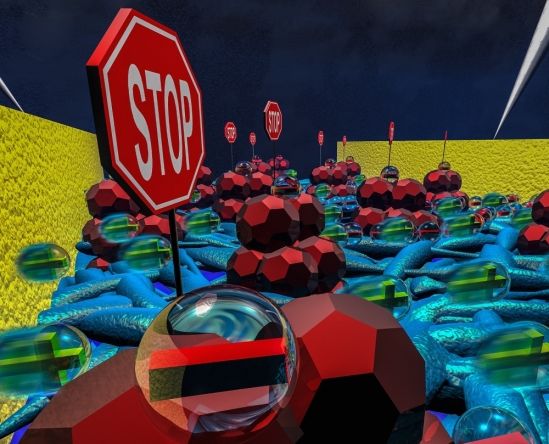
In what could be called a classic “Eureka” moment, UC Santa Barbara materials researchers have discovered a simple yet effective method for mastering the electrical properties of polymer semiconductors. The elegant technique allows for the efficient design and manufacture of organic circuitry (the type found in flexible displays and solar cells, for instance) of varying complexity while using the same semiconductor material throughout.
“It’s a different strategy by which you can take a material and change its properties,” said Guillermo Bazan, a professor of chemistry and materials at UCSB. With the addition of fullerene or copper tetrabenzoporphyrin (CuBP) molecules in strategic places, the charge carriers in semiconducting materials—negative electrons and positive “holes”—may be controlled and inverted for better device performance as well as economical manufacture. The discovery is published in a pair of papers that appear in the journals Advanced Functional Materials and Advanced Electronic Materials.
In the realm of polymer semiconductors, device functionality depends on the movement of the appropriate charge carriers across the material. There have been many advances in the synthesis of high-mobility, high-performance materials, said lead author Michael Ford, graduate student in materials, but the fine control of the electrons and holes is what will allow these sophisticated polymers to reach their full potential.
Graphene cooking oil?
In Brief
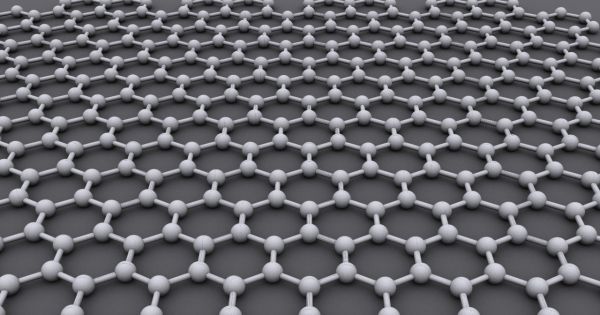
Researchers have found a way to turn cheap, everyday cooking oil into the wonder material graphene – a technique that could greatly reduce the cost of making the much-touted nanomaterial.
Graphene is a single sheet of carbon atoms with incredible properties – it’s 200 times stronger than steel, harder than diamond, and incredibly flexible. Under certain conditions, it can even be turned into a superconductor that carries electricity with zero resistance.
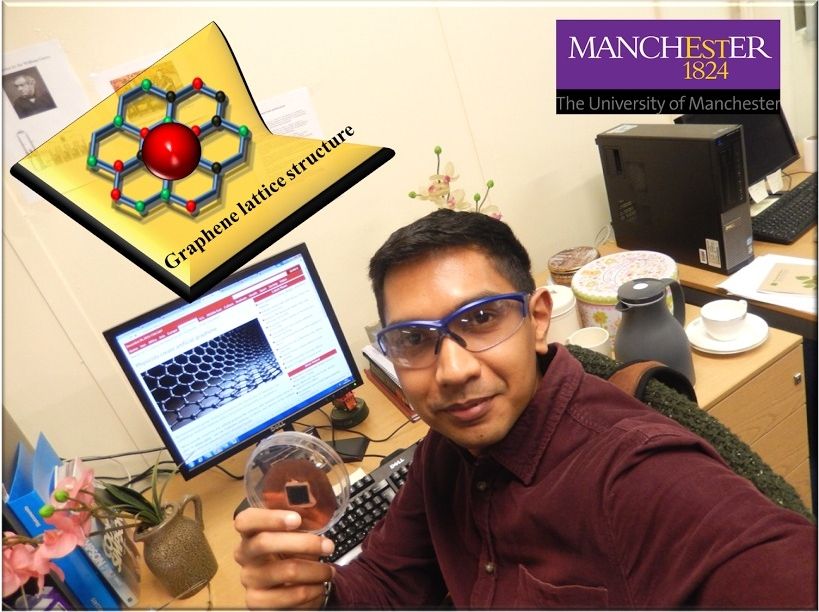
Prabhuraj Balakrishnan, a PhD student researcher at the University of Manchester, talks about his recent discovery that could see a major leap in sustainable energy production, realised using graphene and other 2D materials in fuel cell systems.
1st February 2017 in News, Science & Technology
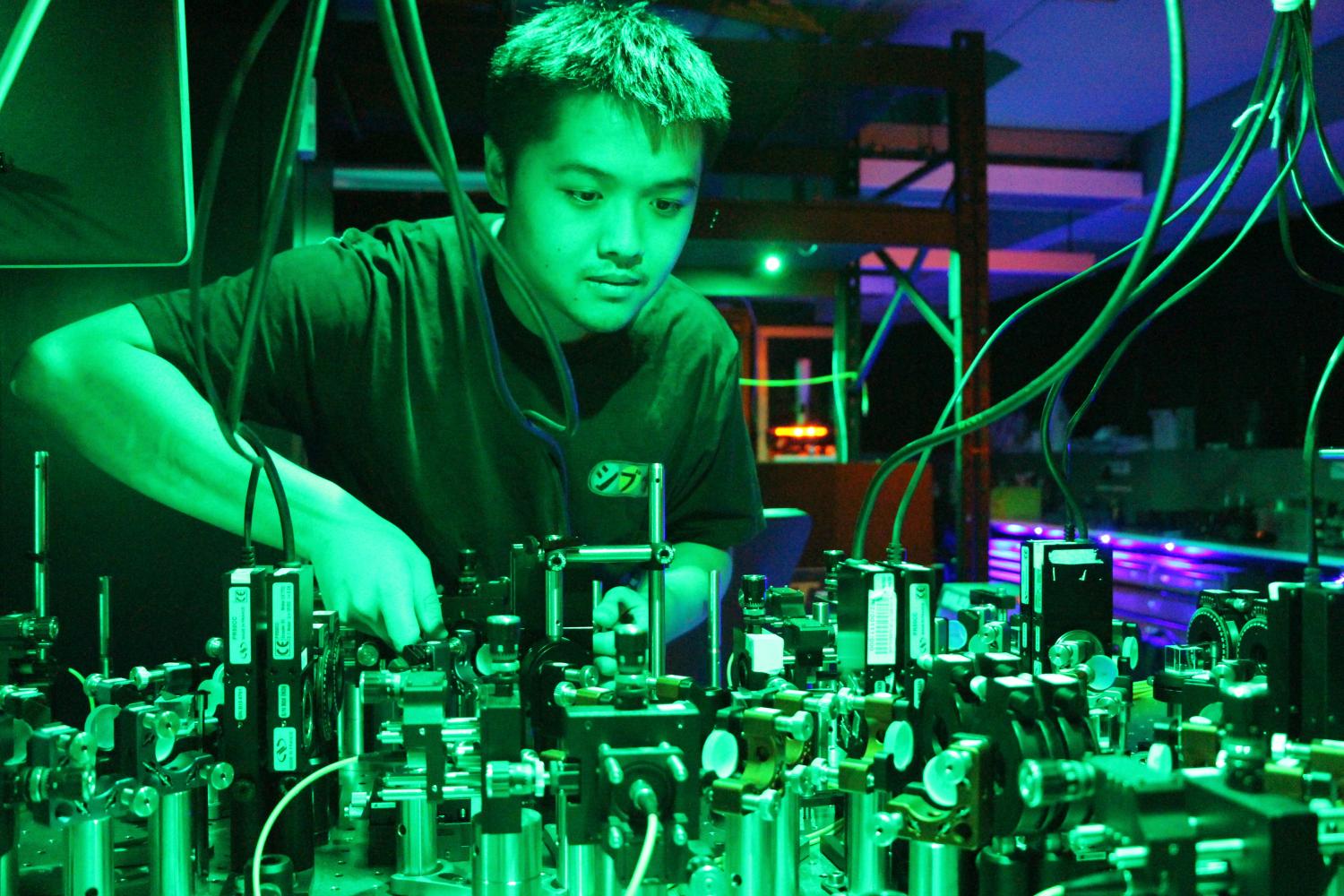
Nice write up. What is interesting is that most folks still have not fully understood the magnitude of quantum and how as well as why we will see it as the fundamental ingredient to all things and will be key in our efforts around singularity.
When it comes to studying transportation systems, stock markets and the weather, quantum mechanics is probably the last thing to come to mind. However, scientists at Australia’s Griffith University and Singapore’s Nanyang Technological University have just performed a ‘proof of principle’ experiment showing that when it comes to simulating such complex processes in the macroscopic world quantum mechanics can provide an unexpected advantage.
Griffith’s Professor Geoff Pryde, who led the project, says that such processes could be simulated using a “quantum hard drive”, much smaller than the memory required for conventional simulations.
“Stephen Hawking once stated that the 21st century is the ‘century of complexity’, as many of today’s most pressing problems, such as understanding climate change or designing transportation system, involve huge networks of interacting components,” he says.
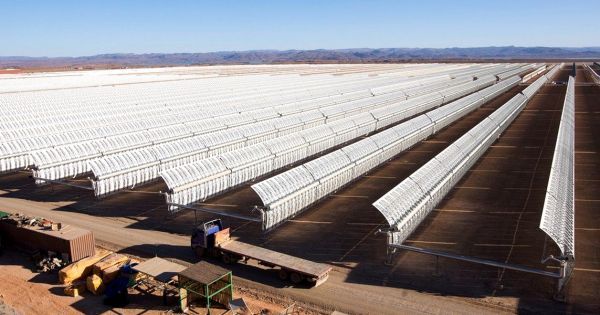
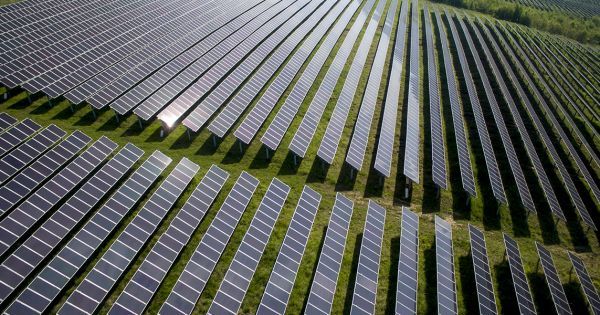
When it comes to obtaining new energy, solar energy now costs less than fossil fuels, according to a report by the World Economic Forum (WEF). Data from Bloomberg New Energy Finance (BNEF) also show decreased prices, with the mean price of solar power in about 60 countries dropping to $1.65 million per megawatt, closely followed by wind at $1.66 million per megawatt.
Michael Drexler, Head of Long Term Investing, Infrastructure and Development at the World Economic Forum, found the downturn in prices to be an encouraging sign.
“Renewable energy has reached a tipping point—it now constitutes the best chance to reverse global warming. Solar and wind have just become very competitive, and costs continue to fall. It is not only a commercially viable option, but an outright compelling investment opportunity with long-term, stable, inflation-protected returns.”
Most of us probably don’t think too much about the foodstuffs we buy in the supermarket. But behind the scenes, today’s food production system relies on a centralized, industrial-scale supply chain that’s still dependent upon soil-based agriculture for the majority of our food crops.
In many instances, that means that food has to travel long distances from farm to table, meaning that food has lost much of its freshness and nutritional value by the time it reaches your table. There’s also a growing awareness that this model isn’t sustainable: the pressures of increasing urbanization and loss of arable land, rising populations and the increased frequency of extreme weather events like droughts and floods — brought on by climate change — means that slowly but surely, we are going to have to change the way we grow our food.
There are some indications of this shift: the appearance of urban rooftop farms, an explosion of interest in automated hydroponic systems. The problem with all these systems is that their platforms are proprietary, and the lack of a common platform between them means these won’t necessarily scale up.