The move is aimed to curb the toxic air quality where India has 13 of the most air polluted cities out of the global 20.
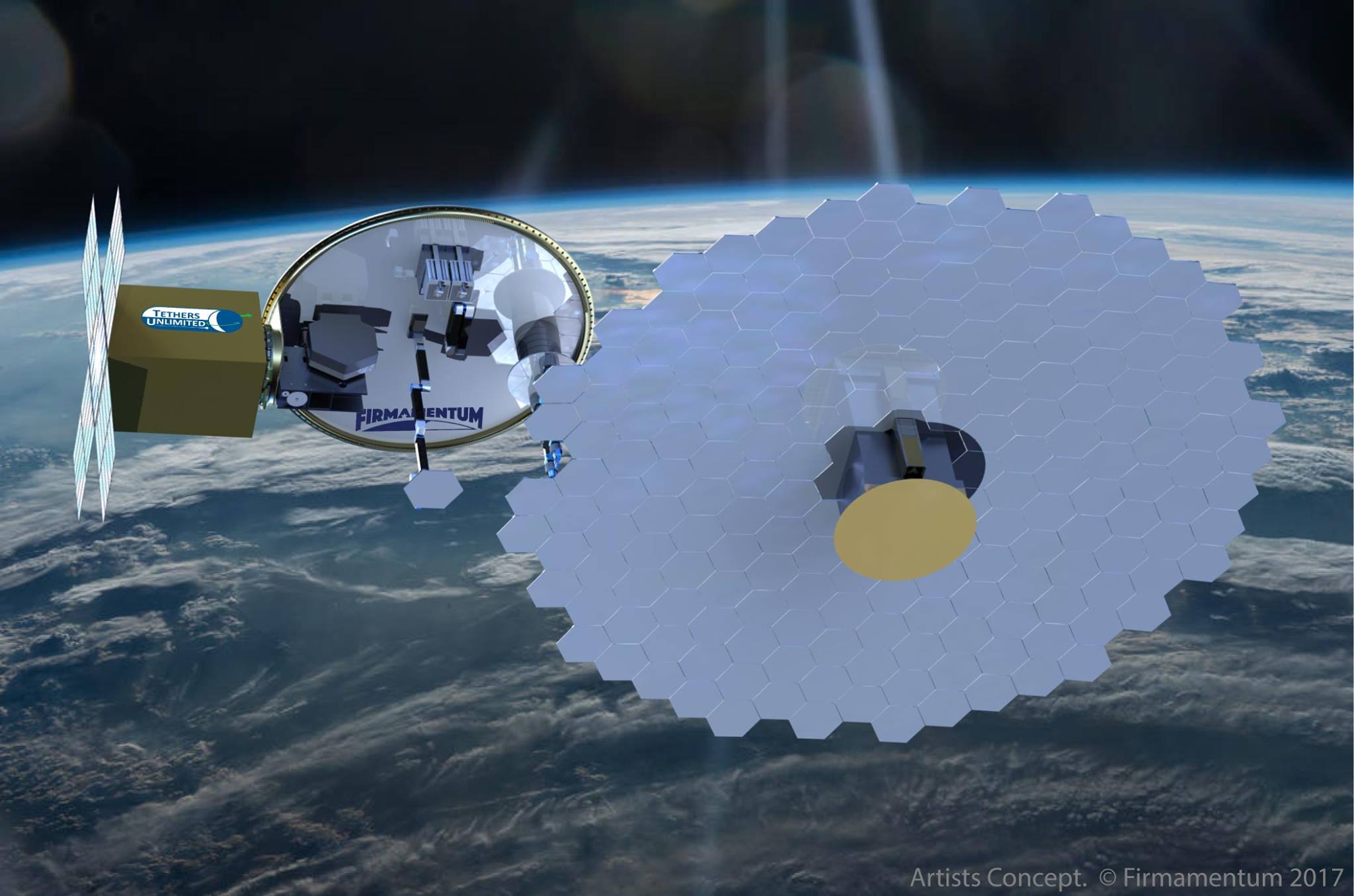
We are incredibly excited to announce that Firmamentum, a division of Tethers Unlimited, Inc. (TUI), has signed a contract with the Defense Advanced Research Projects Agency (DARPA) to develop a system that will use in-space manufacturing and robotic assembly technologies to construct on orbit a small satellite able to provide high-bandwidth satellite communications (SATCOM) services to mobile receivers on the ground.
Under the OrbWeaver Direct-to-Phase-II Small Business Innovation Research (SBIR) effort, Firmamentum aims to combine its technologies for in-space recycling, in-space manufacturing, and robotic assembly to create a system that could launch as a secondary payload on an Evolved Expendable Launch Vehicle (EELV). This system would recycle a structural element of that rocket, known as an EELV Secondary Payload Adapter (ESPA) ring, by converting the ring’s aluminum material into a very large, high-precision antenna reflector. The OrbWeaver™ payload would then attach this large antenna to an array of TUI’s SWIFT® software defined radios launched with the OrbWeaver payload to create a small satellite capable of delivering up to 12 gigabits per second of data to K-band very small aperture terminals (VSAT) on the ground.
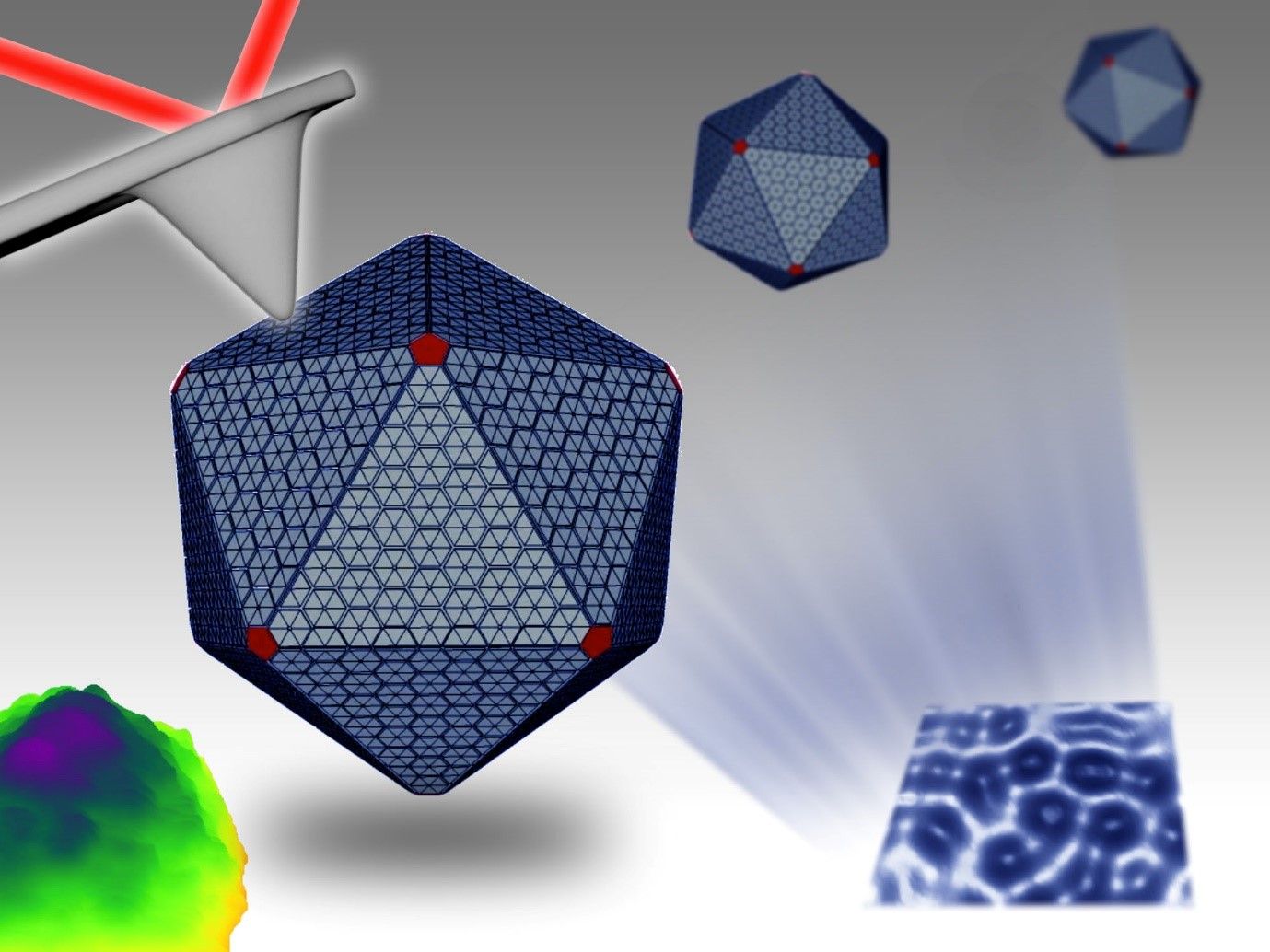
New research from the University of Liverpool, published in the journal Nanoscale, has probed the structure and material properties of protein machines in bacteria, which have the capacity to convert carbon dioxide into sugar through photosynthesis.
Cyanobacteria are a phylum of bacteria that produce oxygen and energy during photosynthesis, similar to green plants. They are among the most abundant organisms in oceans and fresh water. Unique internal ‘machines’ in cyanobacteria, called carboxysomes, allow the organisms to convert carbon dioxide to sugar and provide impacts on global biomass production and our environment.
Carboxysomes are nanoscale polyhedral structures that are made of several types of proteins and enzymes. So far, little is known about how these ‘machines’ are constructed and maintain their organisation to perform carbon fixation activity.

Increasing autophagy in macrophages is a promising avenue of research aiming at heart disease and other age-related diseaeses.
Today we thought it was a good time to take a look at a new study that demonstrates that increasing autophagy is a good approach to slowing aging and could be the foundation for a variety of therapies to treat age-related diseases.
What is Autophagy?
Autophagy is an intracellular degradation system that delivers unwanted cell components to a type of cellular garbage disposal system, known as the lysosome. The lysosome uses powerful enzymes that break down the unwanted material for recycling. However, as we age the lysosomes become clogged up with materials that are so fused together not even the potent enzymes can destroy them and this causes the lysosomes to become dysfunctional and eventually the cell dies. This is a particular problem for long lived cells with a very low rate of replacement such as the heart, the back of the eye, nerve cells and other cells that rarely divide if at all. Ultimately as more and more cells become dysfunctional over time due to lysosome dysfunction, tissue function become impaired and age-related disease sets in.
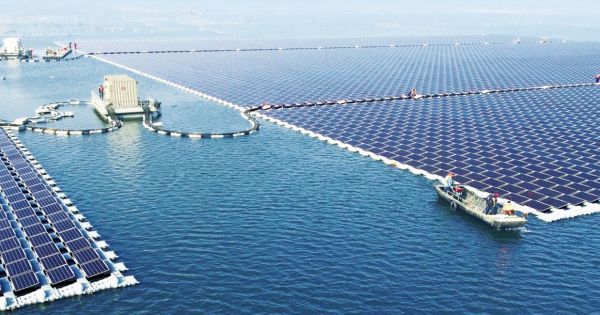
The largest floating solar power plant in the world is now online in China. Floating where coal used to be mined, the installation is helping China transition toward renewables and making the most of its surroundings.
The world’s largest floating solar power plant is now online in China. Built by Sungrow, a supplier of PV inverter systems, the 40MW plant is now afloat in water four to 10 meters deep, and successfully linked to Huainan, China’s grid. The placement was chosen in large part because the area was previously the location of coal mining operations; and, as a result, the water there is now mineralized and mostly useless. The lake itself was only formed after years of mining operations, the surrounding land collapsed and created a cavity that was filled with rainwater.

These guys better get hazard pay!  😳.
😳.
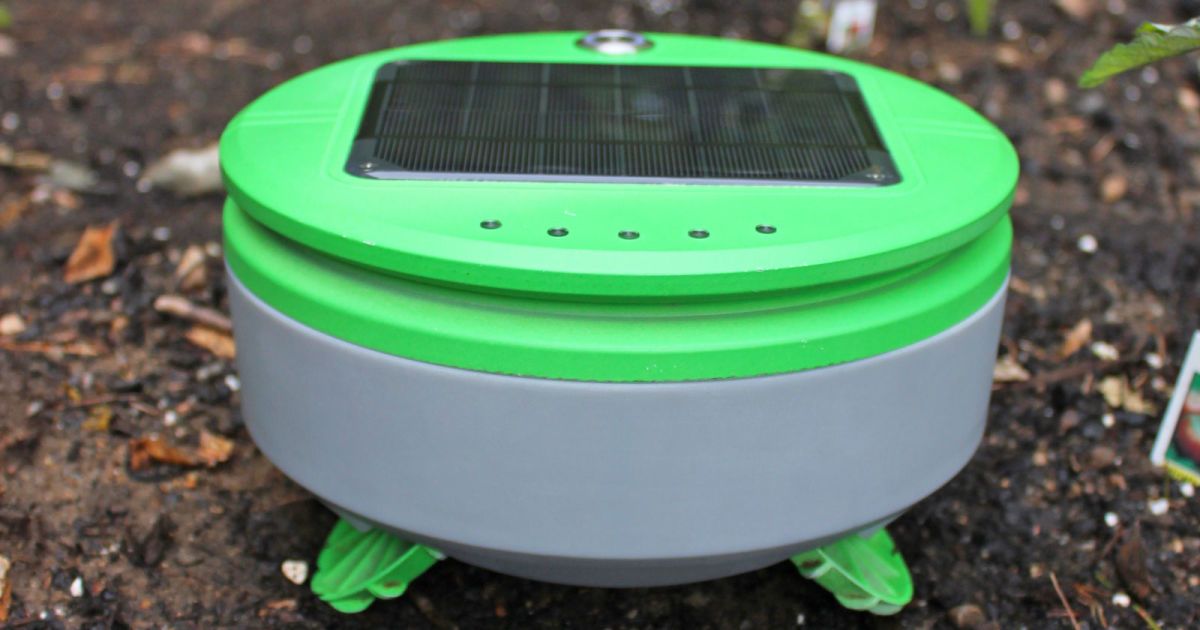
Let’s be honest: while planting your garden can be fun, weeding it usually isn’t. Not unless you enjoy crouching down for long stretches, anyway. You might not have to endure the drudgery for too much longer, though. Roomba co-creator Joe Jones and Franklin Robotics are launching Tertill, a robot that weeds your garden all by itself. The machine automatically roams the soil, using sensors to identify small plants (you use collars to protect young crops) and chop them down. It’s solar-powered, so you don’t have to dock it — you can even leave it out in the rain.
In addition to pairing with your phone through Bluetooth, the machine has a USB port to charge during particularly gloomy weeks.
The design does require some careful planning to work properly. You need to space your crops loosely so that the robot can kill weeds in between, and you’ll want to avoid any steep inclines so Tertill doesn’t stuck. There will have to be some kind of basic barrier to prevent the vehicle from wandering away, too. You may also have to rethink how you kill weeds. While you’re probably used to pulling weeds out by the roots, Franklin is counting on its bot repeatedly cutting down weeds until they wither and die.
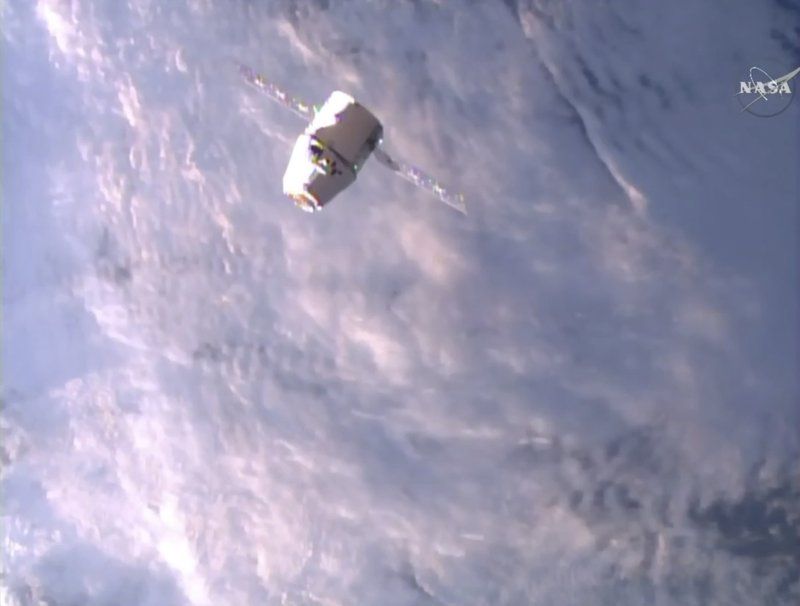
CAPE CANAVERAL, Fla. (AP) — The International Space Station welcomed its first returning vehicle in years Monday — a SpaceX Dragon capsule making its second delivery.
Space shuttle Atlantis was the last repeat visitor six years ago. It’s now a museum relic at NASA’s Kennedy Space Center.
NASA astronaut Jack Fischer noted “the special significance” of SpaceX’s recycling effort as soon as he caught the Dragon supply ship with the station’s big robot arm.