Elon Musk said that he would like for Tesla, the electric car maker, to be able to produce a supersonic plane.

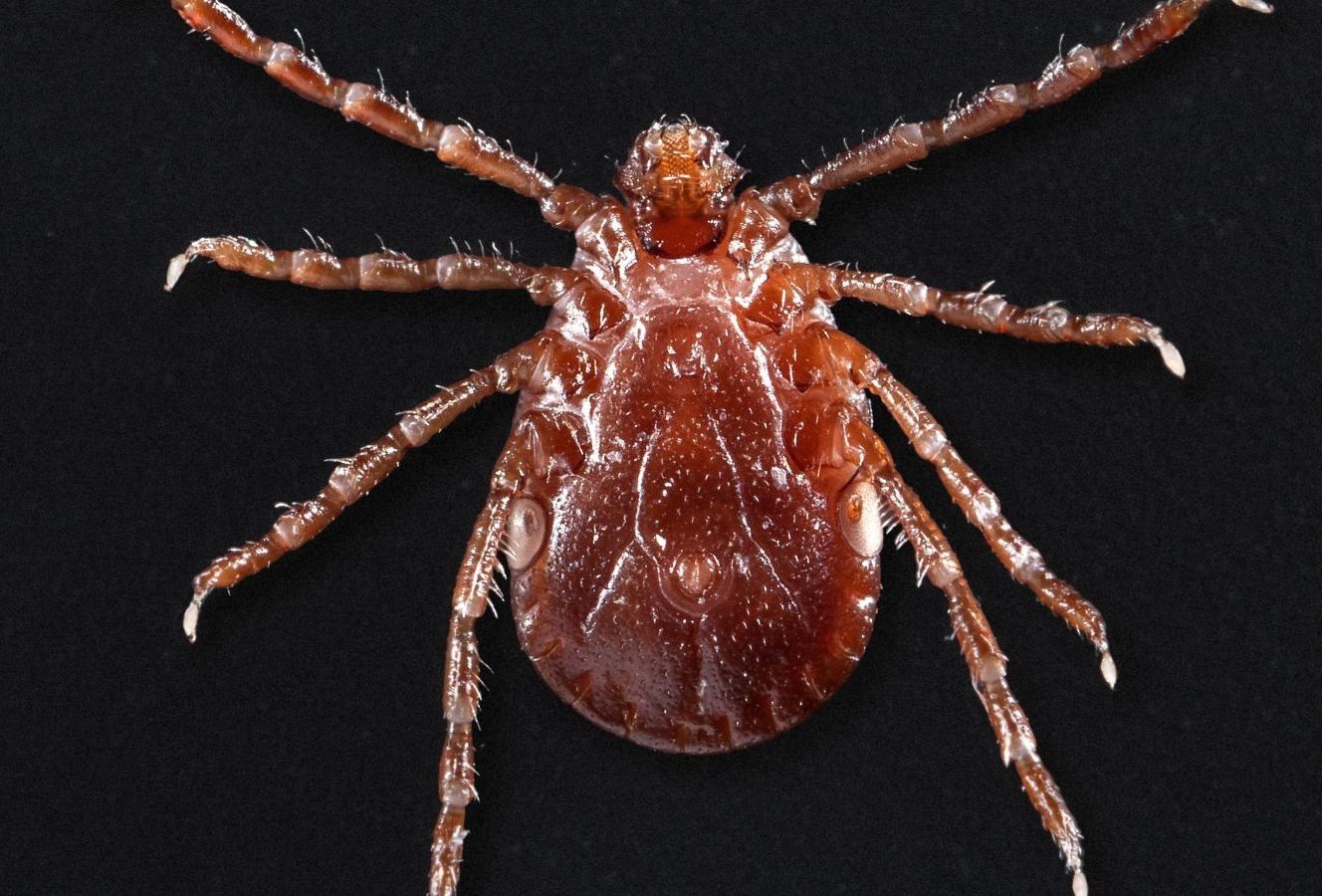
A disease-carrying, newly invasive tick to the United States, the Asian longhorned tick, is poised to spread across much of North America, suggests a new study published Thursday in the Journal of Medical Entomology. According to the study, the tick might be able to live anywhere from Southeastern Canada to most of the eastern half of the U.S. and even parts of the West Coast.
The Asian longhorned tick, or Haemaphysalis longicornis, made an unwelcome splash last year, when researchers and health officials discovered it on a pet sheep in New Jersey. Any hopes that the discovery was an isolated incident faded away this year, with sightings of the tick popping up again in New Jersey and eight other states this past spring and summer (Arkansas, Connecticut, Maryland, New York, North Carolina, Pennsylvania, Virginia, and West Virginia). Since 2017, the tick has been found on pets, farm animals, and at least two people in the U.S., and it’s possible that it might have made its way here at least as early as 2010.
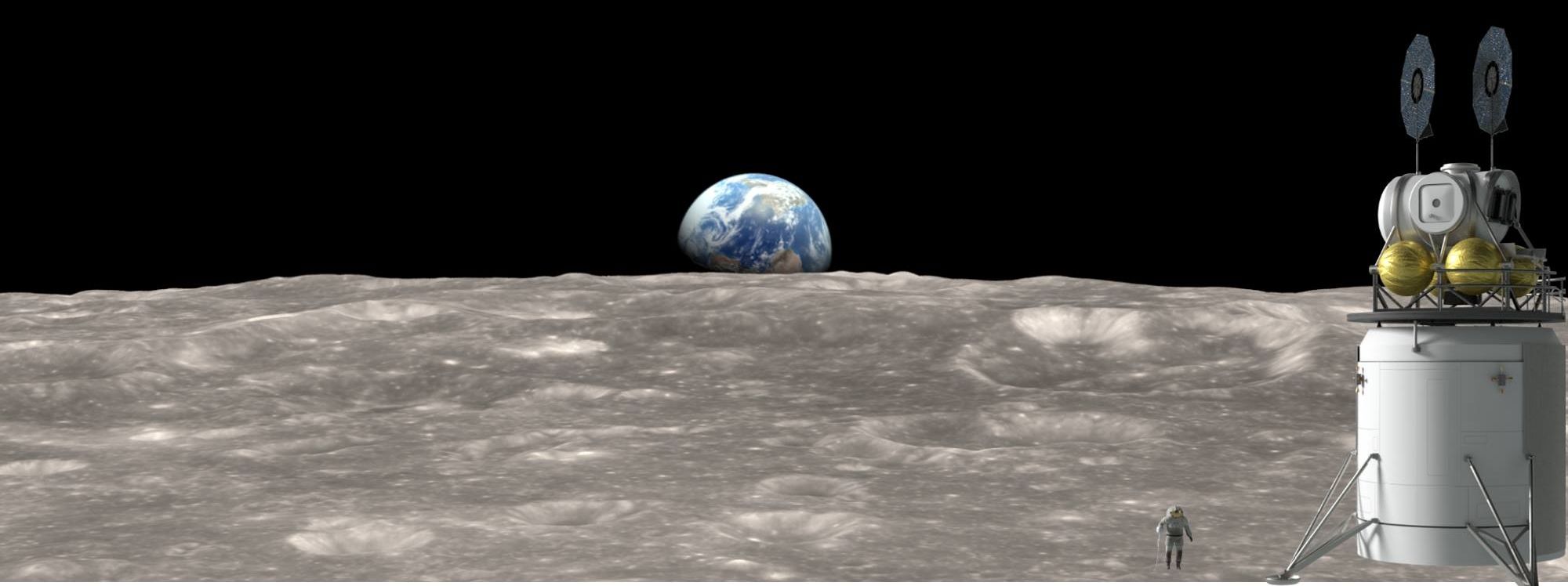
“When we send astronauts to the surface of the Moon in the next decade, it will be in a sustainable fashion,” says NASA Administrator Jim Bridenstinee. Learn how we’ll expand partnerships with industry and other nations to explore the Moon and advance our exploration missions to even farther destinations, such as Mars: https://go.nasa.gov/2GeqhZL

Electric vehicles, especially Tesla’s vehicles, are not being left out when it comes to armored vehicles.
After a Model S earlier this year, we’ve now got a look at what could be the first Tesla Model X armored vehicle.
We heard a rumor that Tesla’s showroom in Mexico City was displaying a bulletproof Model X.
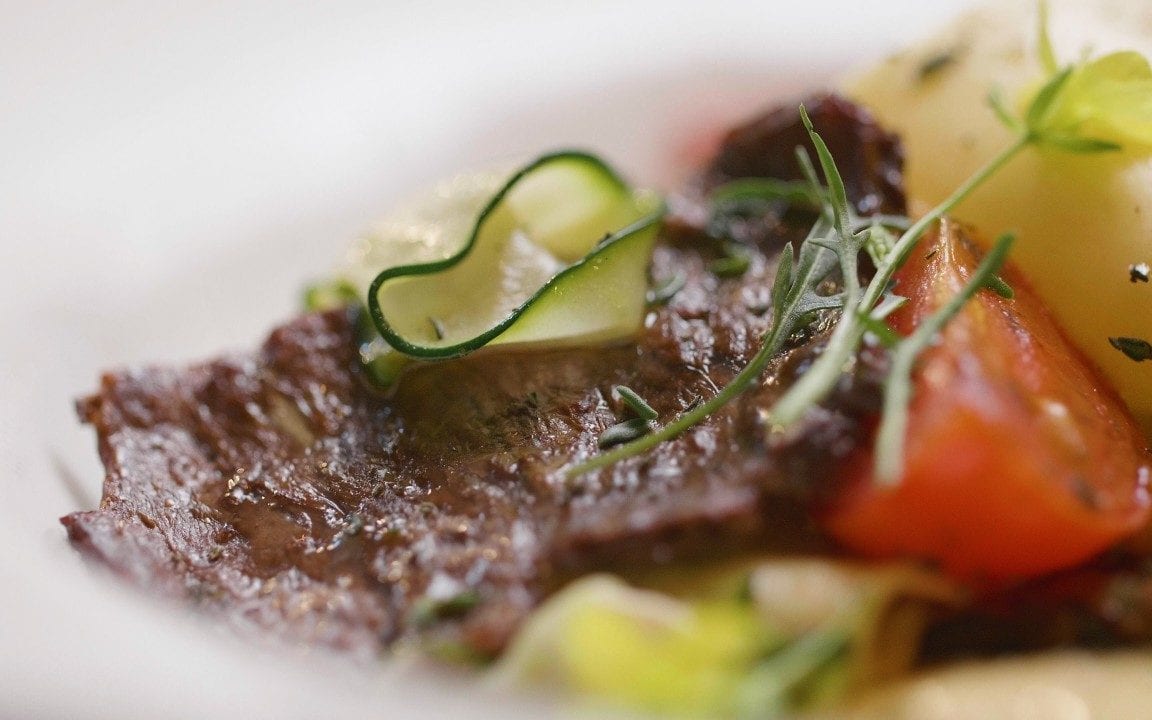
The first lab-grown steak will be available to buy in two years after scientists finally produced meat with the correct appearance, shape and texture of a real slice of beef.
Up to now, researchers have produced small amounts of cell-grown meat, which have been mixed together to create hamburger patties and sausages, but making an entire steak has proved elusive.
Now Israeli food technology company Aleph Farms has announced it has succeeded in using natural beef cells to grow the three dimensional structure of a minute steak which mimics the muscle and tissue of real meat.

Researchers from Scripps Research have discovered how the proteasome, which is made of protein complexes in the cell that breaks down damaged and unwanted proteins, converts energy into motion to unfold target proteins for recycling.
What is the proteasome?
The proteasome is a protein complex whose job is to break down and recycle proteins that have become damaged or are no longer required. It achieves this via a process called proteolysis, a chemical reaction that breaks the peptide bonds, thus allowing the target protein to be destroyed and broken down into its constituent parts, which become ready to be reused to make new proteins. The enzymes that facilitate this recycling process are known as proteases.

By Luke Miller
A fungus that can “eat” plastic has been discovered in Pakistan. This discovery could tackle the growing plastic problem the planet is currently facing, by cutting the lifespan of plastic from up to 1000 years, to just weeks.
One of the largest environmental problems we are currently facing is plastic. Taken from sas.org pollution facts and figures:

STOREY COUNTY — The need for more infrastructure and housing is constraining Tesla Motors’ desire to grow its footprint in Northern Nevada, Tesla CEO Elon Musk said Tuesday.
Musk’s comment came during a technology and innovation summit hosted by Gov. Brian Sandoval at Tesla’s Gigafactory 1 located just outside of Sparks.
Musk said he envisions growing the number of employees at the Nevada factory from roughly 7,000 currently to upward of 20,000 in the future, and more than doubling the physical footprint of the 5.8 million-square-foot lithium-ion battery factory.
A massive, previously unexplored cave discovered by accident in Canada has been named “Sarlacc’s Pit,” after the multi-tentacled alien beast that first made an appearance in Star Wars: Return of the Jedi.
Officials from Canada’s Ministry of Environment and Climate Change first came across the huge cavern in Wells Gray Provincial Park in British Columbia while conducting a caribou count by helicopter in March.
The sinkhole was later discovered to be the entrance to a cave, and is 328 feet long, 196 feet broad and 600 feet deep. Officials believe it may be Canada’s largest cave.