And-at a time of growing global warming, the excessive carbon footprint of modern military weaponry is wholly unacceptable.
Mar 27, 2019 — “Mankind must put an end to war — or war will put an end to mankind.” John F. Kennedy (2202836)

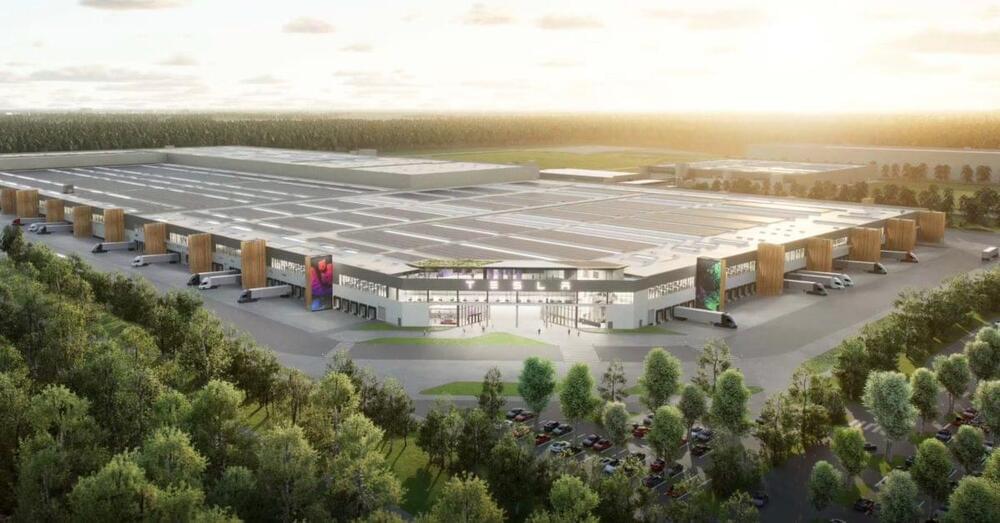
Tesla is reportedly finally going to receive final approval to start production at Gigafactory Berlin this week after months of delays.
Gigafactory Berlin, a critical new factory for Tesla’s plans to expand in Europe and improve its manufacturing and distribution efficiency, has been in limbo for months.
The automaker has yet to secure the needed environmental permit to start producing vehicles for customer deliveries.
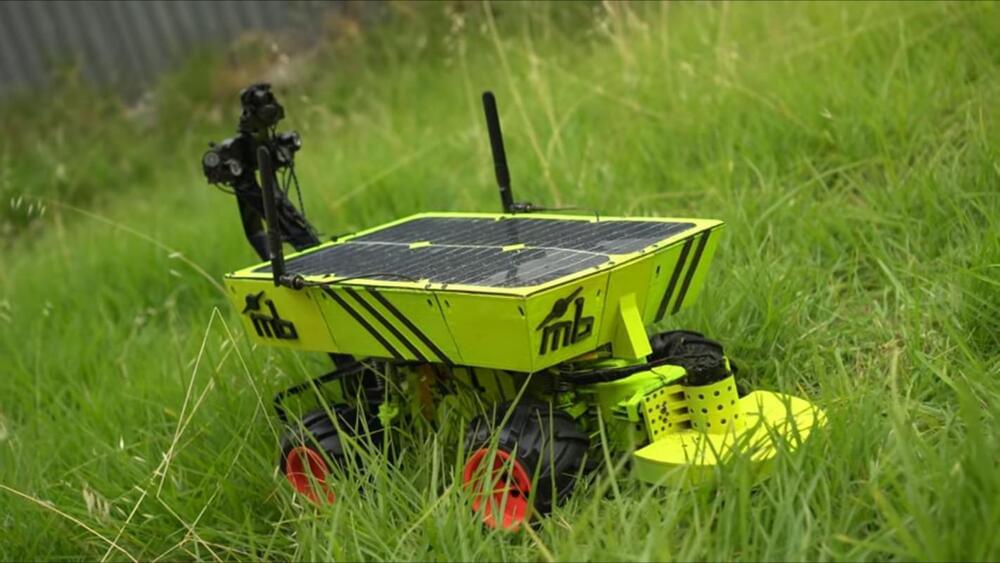
Interfacing technology and electronics with the real world is often fairly tricky. Complexity and edge cases work their way in to every corner of a project like this; just ask anyone who has ever tried to operate a rover on Mars, make a hydroponics garden, or build almost any robotics project. Even those of us who simply own a consumer-grade printer are flummoxed by the ways in which they can fail when manipulating single sheets of paper. This robotic lawnmower is no exception, driving its creator [TK] to extremes to get it to mow his lawn.
[TK] actually had a platform for his autonomous mower ready to go thanks to a previous build using this solar-powered robot to explore the Australian outback. Adding another motor to handle the grass trimming seemed simple at first and he set about wiring it all up and interfacing it to the robot. After the first iteration he found the robot was moving too fast to effectively cut the grass, so he added a more powerful cutting motor and a gearbox to help the mower crawl more slowly over the lawn. Disaster struck when his 3D printed mount for the steel cutting blades shattered, but with [TK] uninjured he pushed on with more improvements.
As it stands right now, the mower can effectively cut the grass moving forward even with the plastic-only cutting blades that [TK] is using now for safety reasons. The mower stripped its reverse gear so there still are some improvements to make before this robot is autonomously cutting the lawn without supervision. Normally we see lawnmowers retrofitted with robotics rather than robotics retrofitted with a lawnmower, but we’re excited to see any approach that lets us worry about one less household chore.
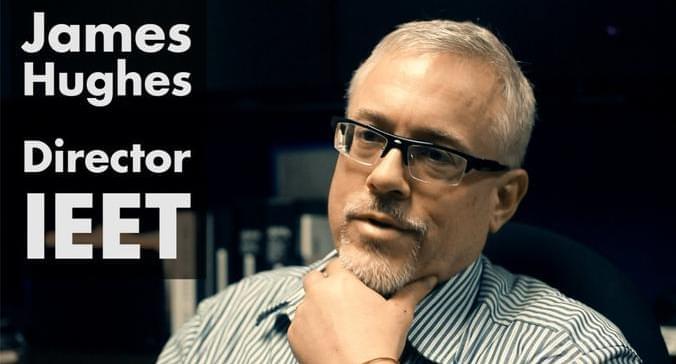
Topic: James Hughes — The Future of Work (Future Day Talk) Time: Mar 1, 2022 08:00 AM Canberra, Melbourne, Sydney Join Zoom Meeting https://us02web.zoom.us/j/81306102463?pwd=eDBldno3cUdZZGcxVHoxNEJ1RkgrUT09 Meeting ID: 813 0610 2,463 Passcode: Q6VzpF
As part of the annual Future Day celebration, James Hughes will join us that may concern you — ‘The Future of Work’. Zoom details coming soon!
Abstract: The pandemic has launched a debate about the future of work around the world. Those who can work remotely have often found they prefer remote or flexible, hybrid options. The Great Resignation has put upward pressure on wages and benefits in the service sector, encouraging the implementation of automation. Climate change mitigation is encouraging a shift towards “green jobs.” Rapid changes in the labor market have made the payoffs of higher education uncertain for young people, while many societies are entering an old-age dependency crisis with too few workers paying taxes for growing numbers of pensioners. Before the pandemic proposals for universal basic income (UBI) were seen as necessary adaptations to imminent technological unemployment, and the during the pandemic many countries provided temporary UBI to keep people safe. We are now poised for a global discussion about whether we need to work at all, and what kinds of jobs are desirable.
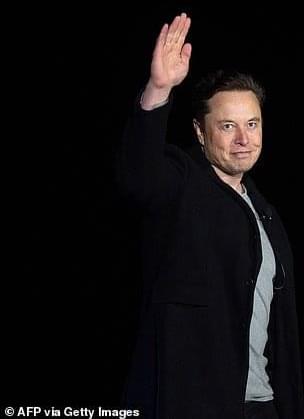
Elon Musk is pushing to build a massive 6.2-mile underground tunnel to ferry Tesla vehicles and their passengers in the traffic-clogged area of North Miami Beach.
Musk’s Boring Company are currently considering the Hard Rock Stadium and Florida International University’s Biscayne campus as hosts for the proposed transit tunnel, which will run underneath Miami-Dade, according to the Miami Herald.
The tunnel, which would initially see Tesla vehicles carrying as many as 7,500 passengers per hour with an eventualy goal of as many as 15,000 per hour, would have drivers passing underneath State Road 826 East from Northwest 2nd Avenue to Northeast 35th Avenue.
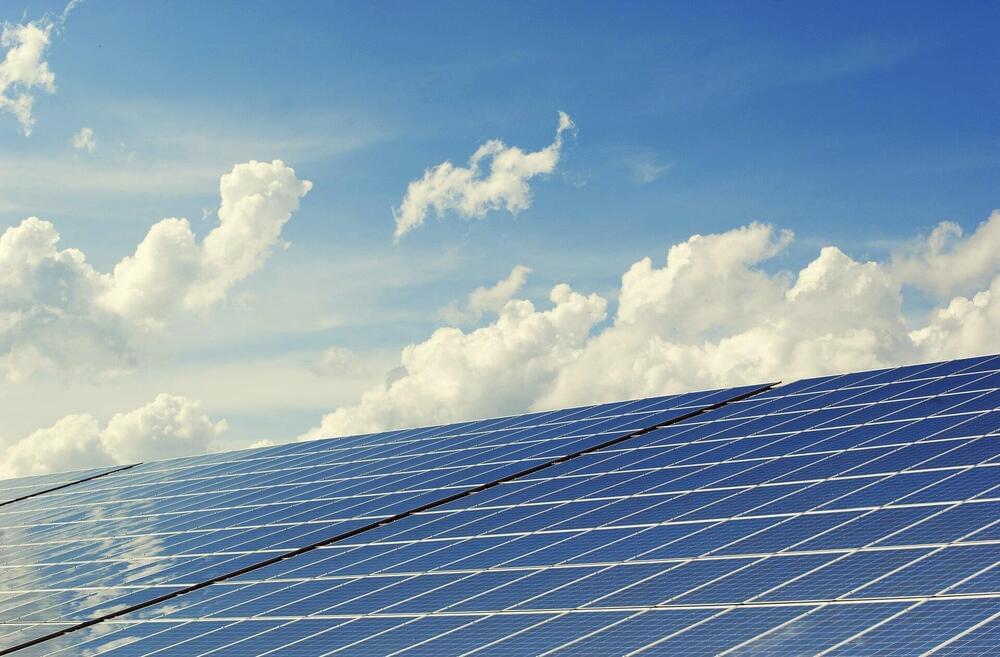
Fred Closter doesn’t like Florida Power & Light.
When the Boynton Beach retiree spent $24,000 to install solar panels on the roof of his Boynton Beach home a year ago, he decided not to rely on the utility to power his home when the panels weren’t generating electricity at night and when it rains.
So he dropped another $16,000 on two large lithium ion batteries made by Tesla that can power the home for up to a day and a half if his panels aren’t producing. If a hurricane or other severe storm with the potential to create power outages approaches, the Closters’ solar provider, SunPower, will remotely direct the system to charge their batteries so their power won’t be interrupted.
Mobileye is an an Israeli subsidiary of chipmaker Intel (who knew?) that develops self-driving cars and advanced driver-assistance systems. This week at CES the company announced a new chip called EyeQ Ultra, part of its system-on-a-chip line, saying the chip will be able to do 176 trillion operations per second and is purpose-built for autonomous driving.
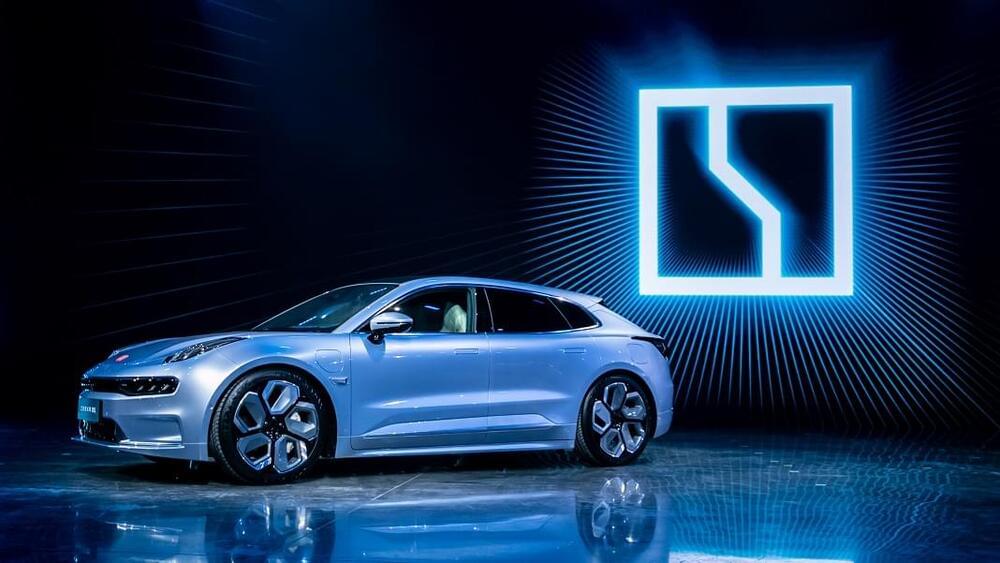
Geely, meanwhile, is a carmaker based in Hangzhou, China. Founded in 1997, the company’s full name is Zhejiang Geely Holding Group; they’re the largest private automaker in China, and reportedly sold over 1.3 million cars in 2020. Among Geely’s holdings is Swedish carmaker Volvo, as well as an electric vehicle brand called Zeekr that was launched in March of 2021.
The new self-driving car will be a collaboration between Geely and Mobileye, and will be produced under the Zeekr brand. To be clear, the car still won’t quite approach the put-your-feet-up driverless vision. There are five levels of automation in driving, with Level 5 being full autonomy, in which the vehicle can drive itself anywhere (around cities, on highways, on rural roads, etc.) in any conditions (rain, sun, fog, etc.) without human intervention. The Zeekr car will supposedly be Level 4, which means it will be able to operate without a safety driver under certain conditions (namely, good weather), and will still have a steering wheel.
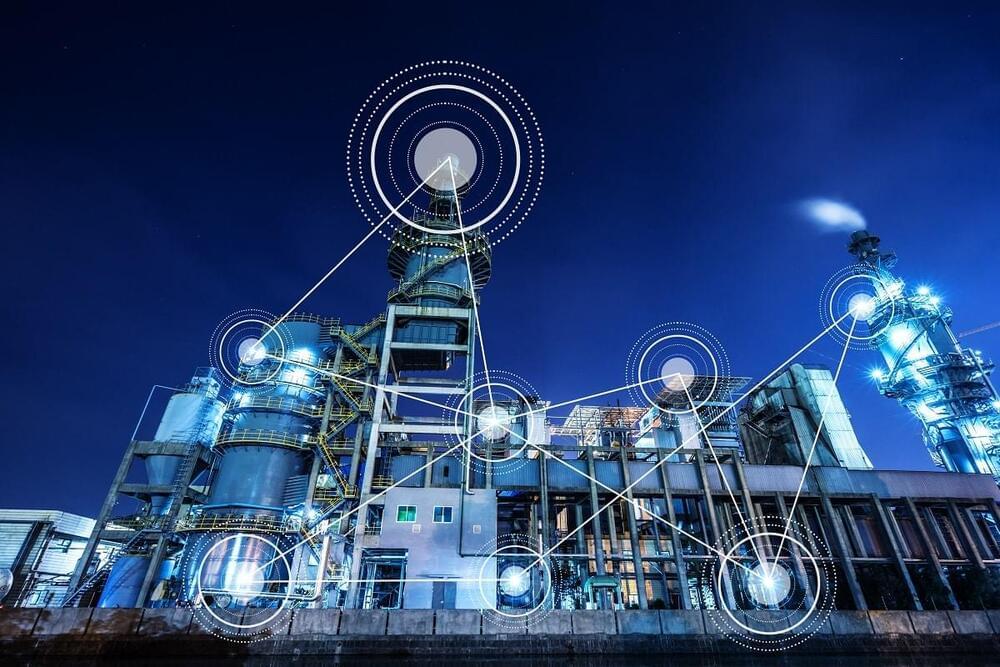
What is a smart factory? It is a shop floor that adopts smart manufacturing, manufacturing that uses technologies and solutions—like AI and IoT—arising from Industry 4.0 to optimize the production process…
Industrial revolutions then, and now
To fully grasp what smart factory is and where it’s headed, we must first understand the history of manufacturing.
It all began with the First Industrial Revolution, which introduced machines to factories and farms in the mid-18th century. In the past 250 or so years, manufacturing has evolved from handwork to machines like the spinning jenny, from the rise of machines to automobiles which were first introduced to the general public by Henry Ford in 1908, and from new inventions to digital technologies that made semiconductors, computers and the Internet possible.