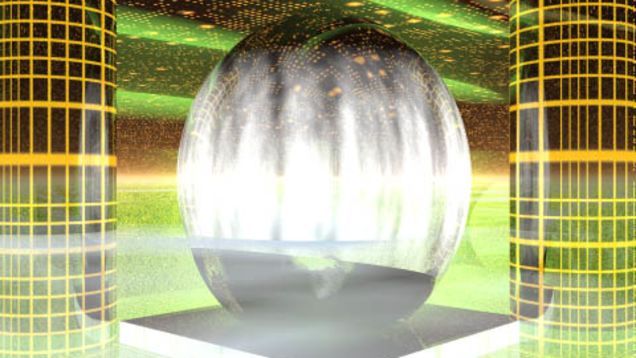
Computronium is defined by some as a substance which approaches the theoretical limit of computational power that we can achieve through engineering of the matter around us. It would mean that every atom of a piece of matter would be put to useful work doing computation. Such a system would reside at the ultimate limits of efficiency, and the smallest amount of energy possible would be wasted through the generation of heat. Computronium crops up in science fiction a lot, usually as something that advanced civilizations have created, occasionally causing conflicts due to intensive harvesting of matter from their galaxy to further their processing power. The idea is also also linked with advanced machine intelligence: A block of matter which does nothing other than compute could presumably would be incredibly sought after by any artificial intelligence looking to get the most compact and powerful brain for its money!
Category: space – Page 1,181
Humans and Supernova-Born Neutron Stars Have Similar Structures, Discover Scientists
As atoms in our bodies were made in stars millions of years ago, it’s been common to propose that we are, in fact, made of stars. Now comes news of another mind-blowing cosmic relationship as physicists conclude that human cells and neutron stars share structural similarities, which look like multi-story parking garages.
Neutron stars are quite strange space objects. They come to life as a result of supernova explosions of massive stars and are incredibly dense. While they are the smallest stars, they can pack as much mass as two Suns into a star with the radius of just 10 kilometers.
What the scientists found is that material inside human cell cytoplasms (fluid around a cell nucleus) looks like helices connecting stacks of evenly spaced sheets, dubbed “Terasaki ramps”.
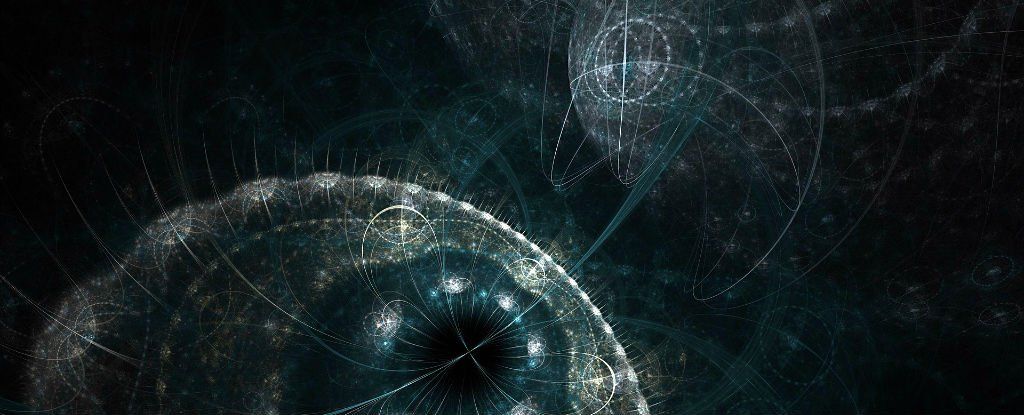
Physicists might have found a way to break the Second Law of Thermodynamics
The laws of thermodynamics are some of the most important principles in modern physics, because they define how three fundamental physical quantities — temperature, energy, and entropy — behave under various circumstances.
But now physicists say they’ve found a loophole in one of these laws, and it could create scenarios in which entropy — or disorder — actually decreases with time.
Thanks to modern physics, almost everything in the Universe can be explained according to two theories: general relativity for the big stuff like stars, galaxies, and the Universe itself; and quantum mechanics, for behaviours on the atomic scale.
Could We Turn Other Planets and Moons Into a Second Earth?
This planet of ours, it ain’t gonna last forever. And though who the heck knows what’s going to happen to the world that far off into the future (or even after November 8th), Life Noggin decided to conduct a little brain exercise about how we could convert a planet like Mars or Venus, or a moon like Europa, into a second Earth.
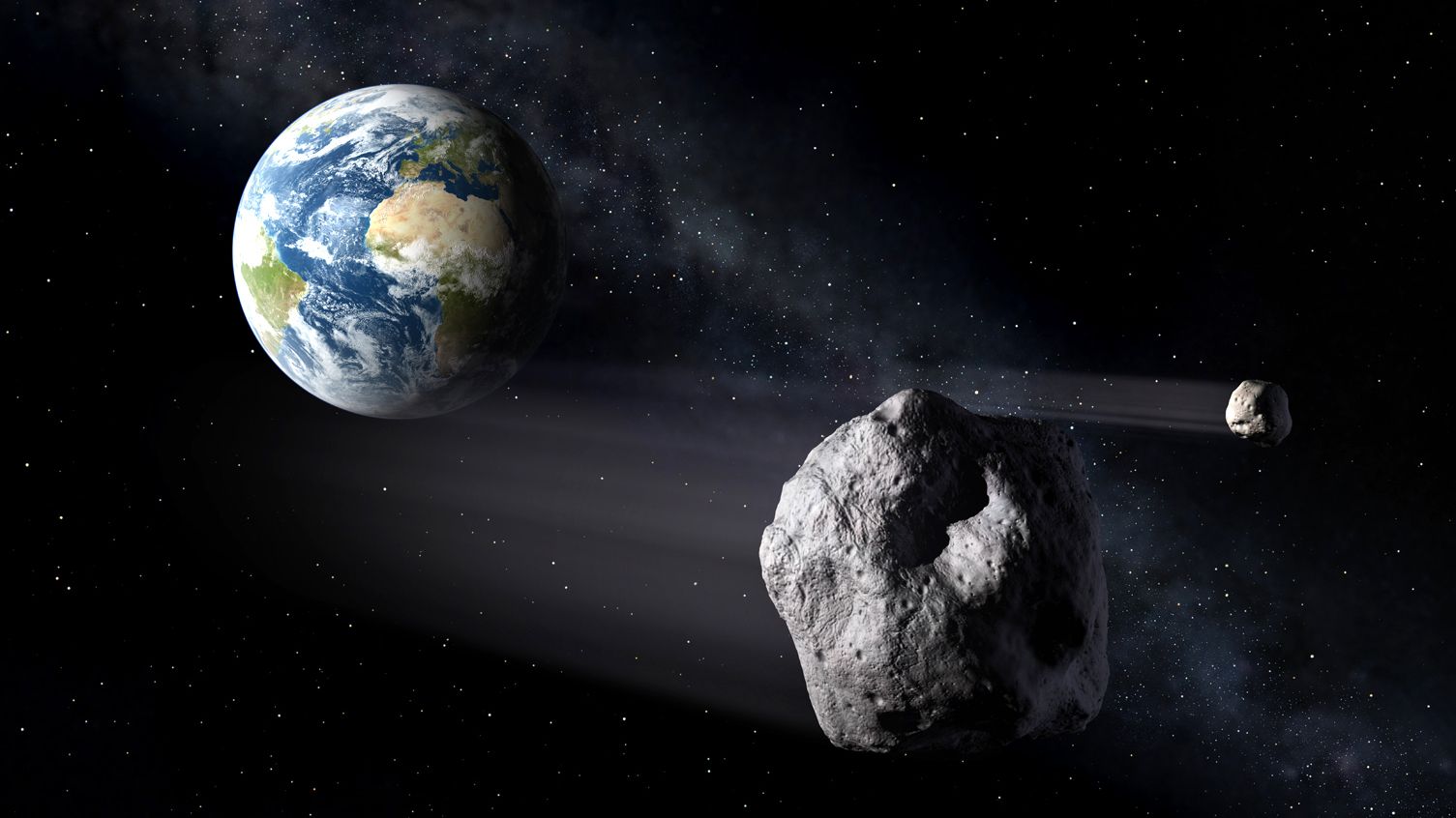
NASA’s New ‘Intruder Alert’ System Spots An Incoming Asteroid
A space rock zips by earth Sunday night. Astronomers know it doesn’t pose a threat, in part thanks to a new automated warning program called Scout.
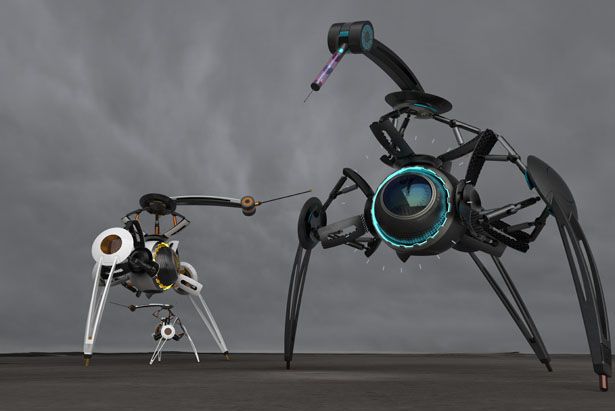
Multipurpose Robot Named Leonardo is Your Mars Companion of the Future
As we continue moving forward in the colonization of Mars, how might we get along with our future Martian robot companions? — B.J. Murphy for Serious Wonder.
Space, the Final Frontier for Cybersecurity? | Chatham House
“A radical review of cybersecurity in space is needed to avoid potentially catastrophic attacks.”

George Lucas Presents Two New Designs For His Beleaguered Museum — By Mark Wilson | Fast Company
“After being spurned in Chicago, Lucas’s Museum of Narrative Art is looking for a West Coast home.”
Future Asteroid Miners Seek Solid Space Rock Plan
Once thought of as a pipe-dream, exploitation of the solar system’s asteroids is being planned by a growing community of asteroid mining companies and scientists.
NASA.

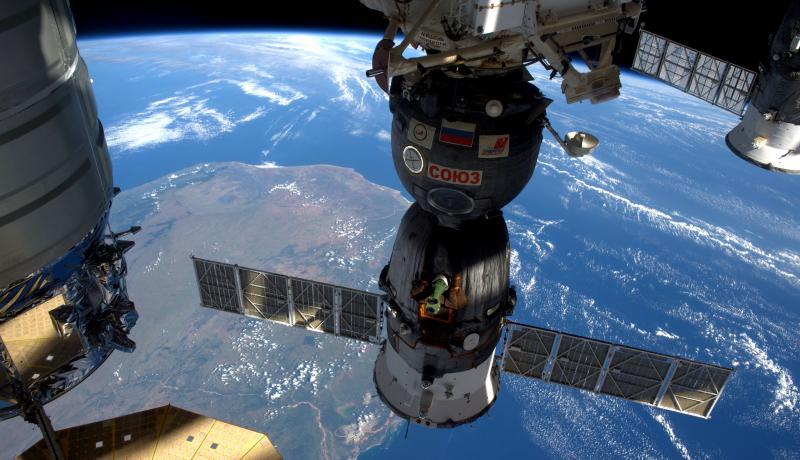
Super-Cool Quantum Research Lab Heads to Space
Just WOW!
PULLMAN, Wash., Oct. 26 — Washington State University and NASA scientists are set to begin an investigation into the strange world of quantum physics on the International Space Station.
WSU physicists Peter Engels and Maren Mossman are part of a team studying the behavior of atoms laser-cooled to temperatures just a few billionths of a degree above absolute zero, the point where they behave like one wave of discrete particles.
On Earth, the unavoidable presence of gravity makes it difficult to conduct unperturbed observations of this this super-cooled substance – called a Bose-Einstein condensate – and the laws of quantum physics that govern its wave-like behavior.