Now for something pretty wild and cool.
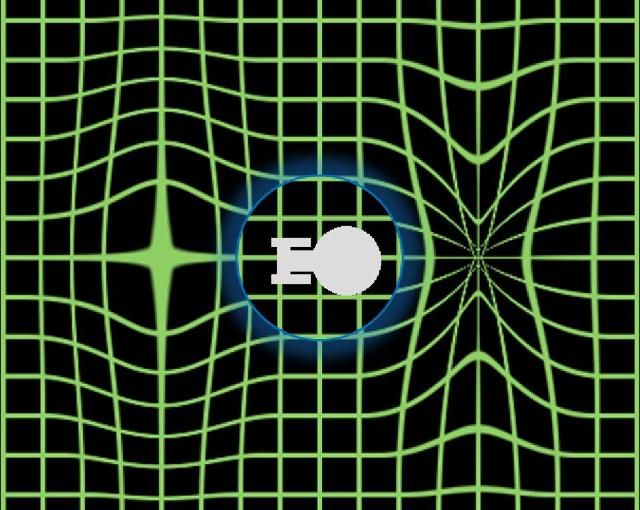
A decades-old method called the “bootstrap” is enabling new discoveries about the geometry underlying all quantum theories.


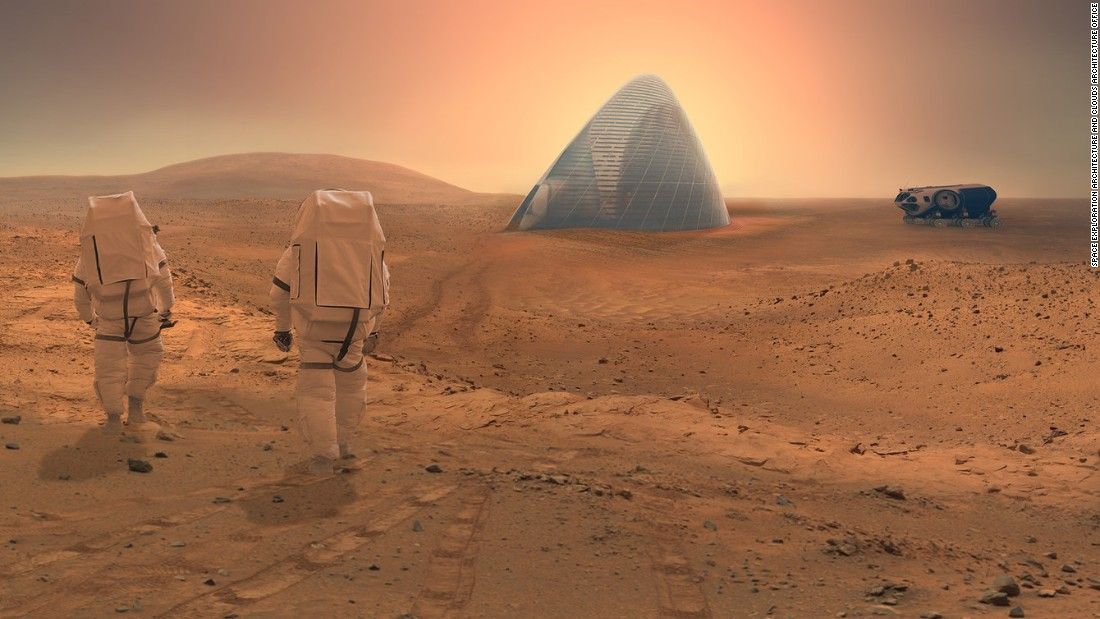
Forget the moon. The next giant leap for mankind could be building a habitat on Mars.
The fourth planet from the sun may be cold — Martian winters can reach -190 degrees Fahrenheit (−87 degrees Celsius) — full of deserts and lacking in oxygen, but for Behrokh Khoshnevis it’s humans’ next destination.
The pioneering professor in engineering at the University of Southern California has been working with NASA on the possibility of building a colony on Mars since 2011.


Congrats Dr. Happer.
I’ve been waiting to find out who will be Pres. Trump’s science adviser. It appears to be physicist Dr. William Happer, a physicist currently teaching at Princeont University, and former Director of the U.S. Department of Energy’s Office of Science from 1991–1993. He’s no slouch as a scientist. His work for the Air Force on the sodium guidestar laser platform for the military’s missile defense program provided information on the tropopause layer in the upper atmosphere, which is where atmospheric wave fronts distort both starlight and laser emissions, and where heat either begins to leak into space or does not, depending on how much and what kind of gas is blocking heat radiation.
The tropopause is the boundary between the troposphere, where we live and where weather takes place, and the stratosphere. The layers above that are the stratosphere, where stratocirrus clouds form as floating clouds of ice, the mesosphere, the thermosphere and the top, very thin layer, the exosphere. Beyond that is space.
Dr. Happer’s view of the whole climate thing clashes badly with the PC crowd’s notions about it, mostly because during the development of the sodium guidestar, he had to learn the physics and chemistry of the troposphere and the tropopause, and the layers above the troposphere.
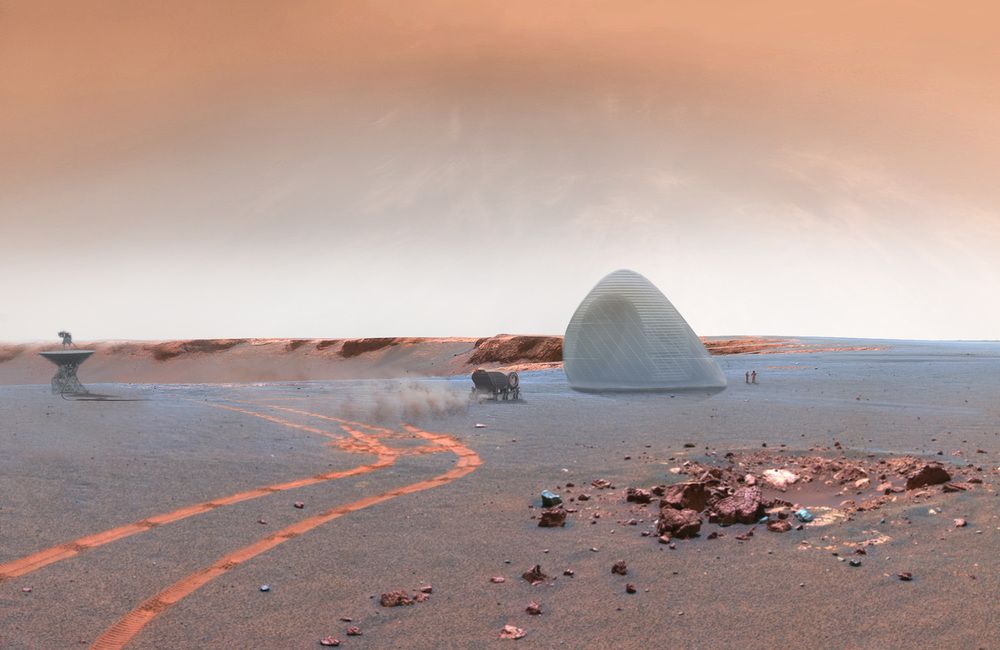
NASA has enlisted a professor from the University of Central Florida (UCF) in order to find a way of 3D printing structures on Mars.
Pegasus Professor Sudipta Seal, interim chair of UCF’s Materials Science and Engineering program is looking at how metals can be extracted from Martian soil. Speaking about the project, Seal said,
It’s essentially using additive-manufacturing techniques to make constructible blocks. UCF is collaborating with NASA to understand the science behind it.
Organic matter was discovered on a distant dwarf planet.