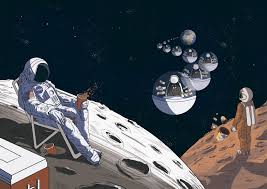
“The recent launch of the SpaceX rocket Falcon Heavy is a good illustration of the entry of efficient and innovative private players into an arena long considered the preserve of national governments. But this does not mean that national competition in outer space is disappearing. If anything, it is actually accelerating in Asia. China’s growing space prowess is leading to a space race with India and Japan, which are beginning to pool their resources to better match Beijing.”
Category: space – Page 1,132
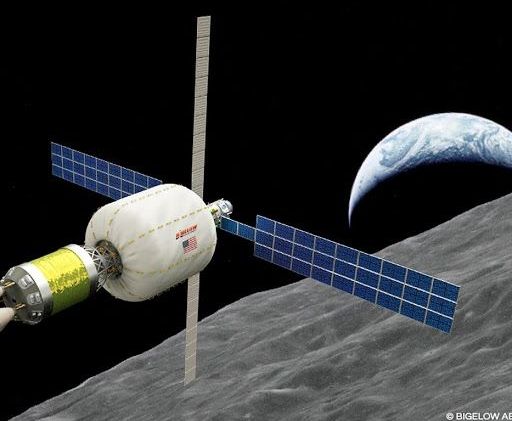
How the private space industry could take over lower Earth orbit — and make money off it
What will happen when the International Space Station ends?
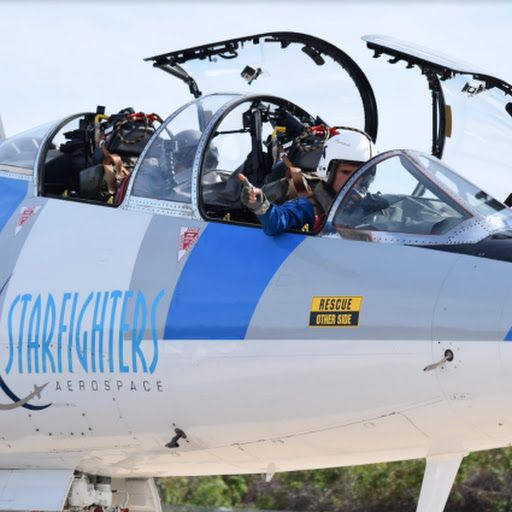
Amateur Astronauts Flock to The Starfighters as Space Travel Becomes Reality
The Starfighters are lobbying to become the first certified astronaut training fleet endorsed by NASA.

Hubble sees Neptune’s mysterious shrinking storm
Three billion miles away on the farthest known major planet in our solar system, an ominous, dark storm — once big enough to stretch across the Atlantic Ocean from Boston to Portugal — is shrinking out of existence as seen in pictures of Neptune taken by NASA’s Hubble Space Telescope.
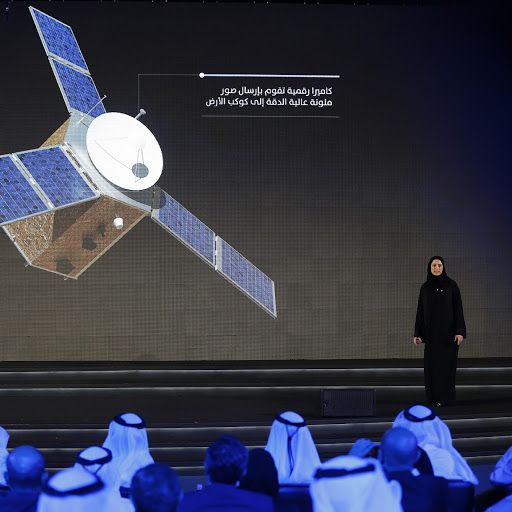
UAE seeks ‘brilliant minds’ for latest space project
The United Arab Emirates is seeking ideas from around the world that explore the possibilities of space settlement and habitation.
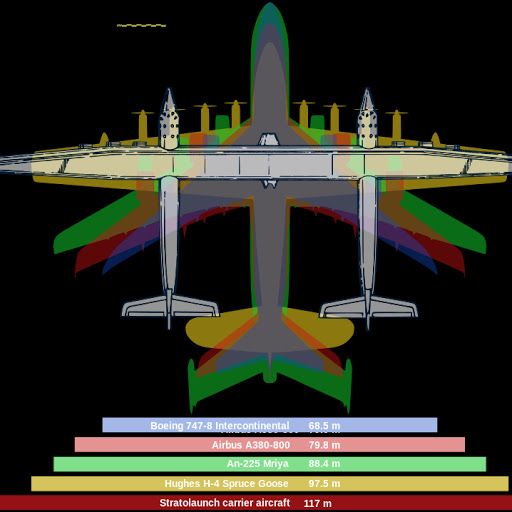
World’s Largest Plane Could Give Elon Musk The Space Race He’s Craving
Image: Stratolaunch Billionaires are taking to space the way wistful young men take to the sea in 19th Century novels. Last week, Elon Musk launched his Tesla Roadster at the astroid belt using the world’s most powerful rocket currently in operation. Not to be outdone, Microsoft’s co-founder Paul Allen also has a big plan (and a big plane) for going to space. In December of last year, the Stratolaunch performed its first taxi at the Mojave Air & Space Port in Mojave, CA. While that doesn’t seem terribly exciting, it’s the first step to getting the Stratolaunch, the world’s largest plane eve…

We can finally map the spiral arm on the far side of the galaxy
Using a jet of radio waves, astronomers have begun to map the other side of the Milky Way. Within 10 years we could have a complete map of the entire galaxy.

Astrophysicists settle cosmic debate on magnetism of planets and stars
The universe is highly magnetic, with everything from stars to planets to galaxies producing their own magnetic fields. Astrophysicists have long puzzled over these surprisingly strong and long-lived fields, with theories and simulations seeking a mechanism that explains their generation.
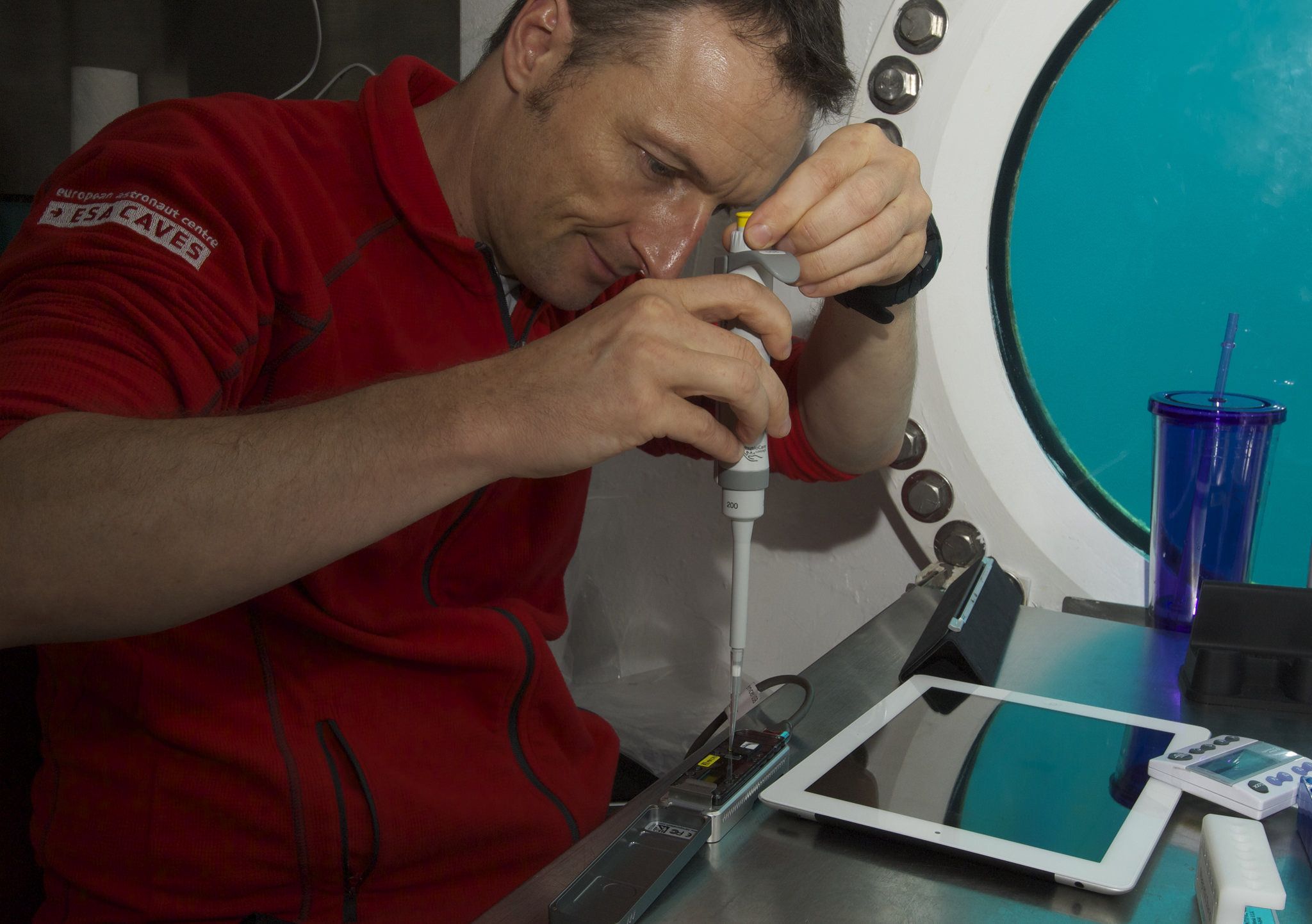
3D printable tools to study astronaut health
If humans are destined for deep space, they need to understand the space environment changes health, including aging and antibiotic resistance.
A new NASA project could help. It aims to develop technology used to study “omics”—fields of microbiology that are important to human health. Omics includes research into genomes, microbiomes and proteomes.
The Omics in Space project is being led by NASA’s Jet Propulsion Laboratory in Pasadena, California. The project was recently funded by NASA’s Translational Research Institute for Space Health four years of study. Over that time, NASA hopes to develop 3D printable designs for instruments on the International Space Station (ISS), that can handle liquids like blood samples without spilling in microgravity. These tools could enable astronauts to analyze biological samples without sending them back to Earth.
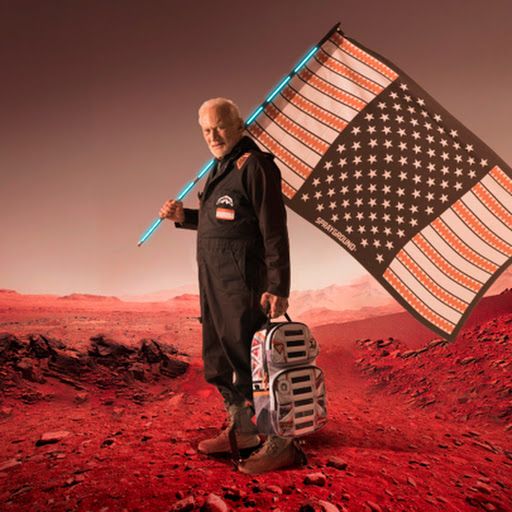
Buzz Aldrin wants you to buy this $150 solar backpack
Style meets substance in space.