Wayward space station finally set to re-enter atmosphere, with debris landing anywhere between New Zealand and midwest US
Agence France-Presse and Reuters
Sun 1 Apr 2018 02.48 EDT Last modified on Sun 1 Apr 2018 03.11 EDT.
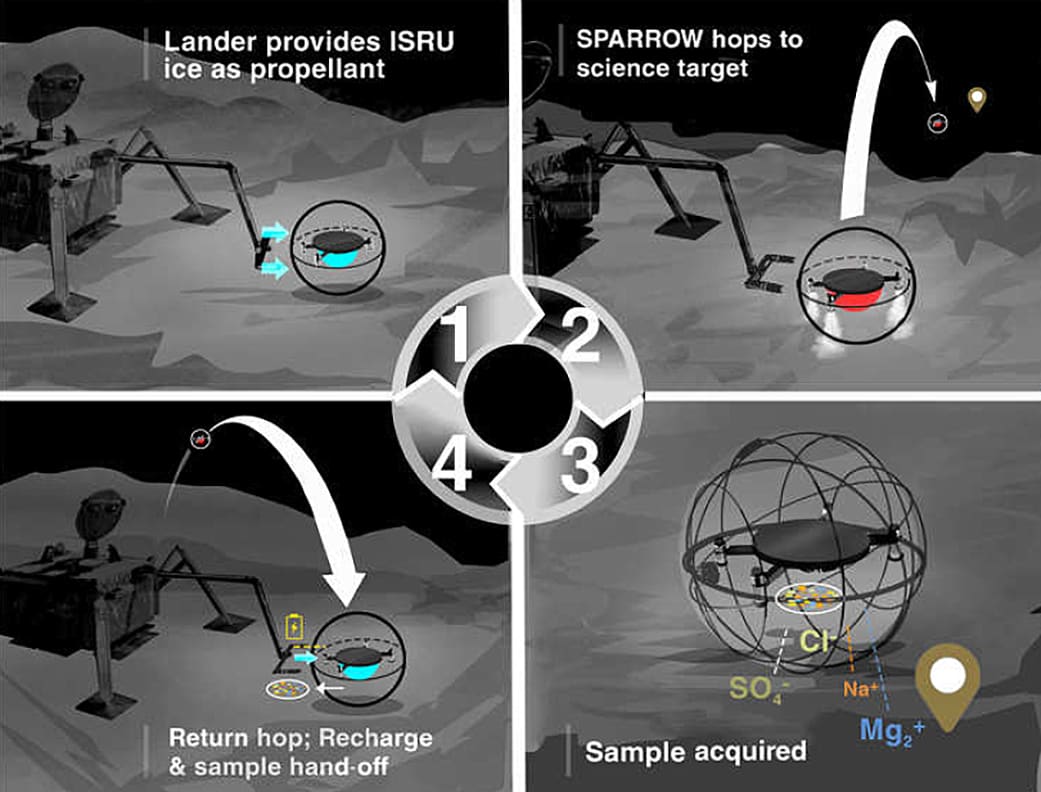
A swarm of robotic bees, nimble enough to fly across the surface of Mars and explore the Red Planet’s nooks and crannies, is being funded by NASA.
The cyber-insects, dubbed Marsbees, are the size of bumblebees but have giant wings to generate sufficient lift to hover in the Martian atmosphere, which is around 100 times thinner than Earth’s.
Developed by US and Japanese scientists, the bees would be fitted with sensors and wireless communication devices so they could map terrain, take samples, or even look for signs of life, such as methane emissions.
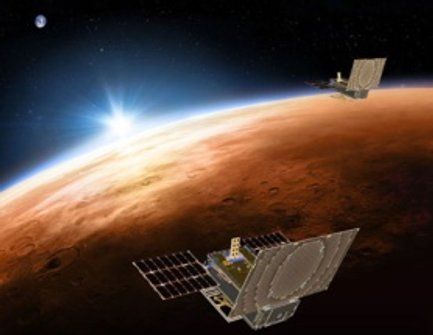
NASA’s latest Mars probe has a couple of very special hitchhikers.
The space agency held a news conference today at its Jet Propulsion Laboratory in Pasadena, California, detailing the next mission to the Red Planet.
There actually was a top-secret plan to do this.
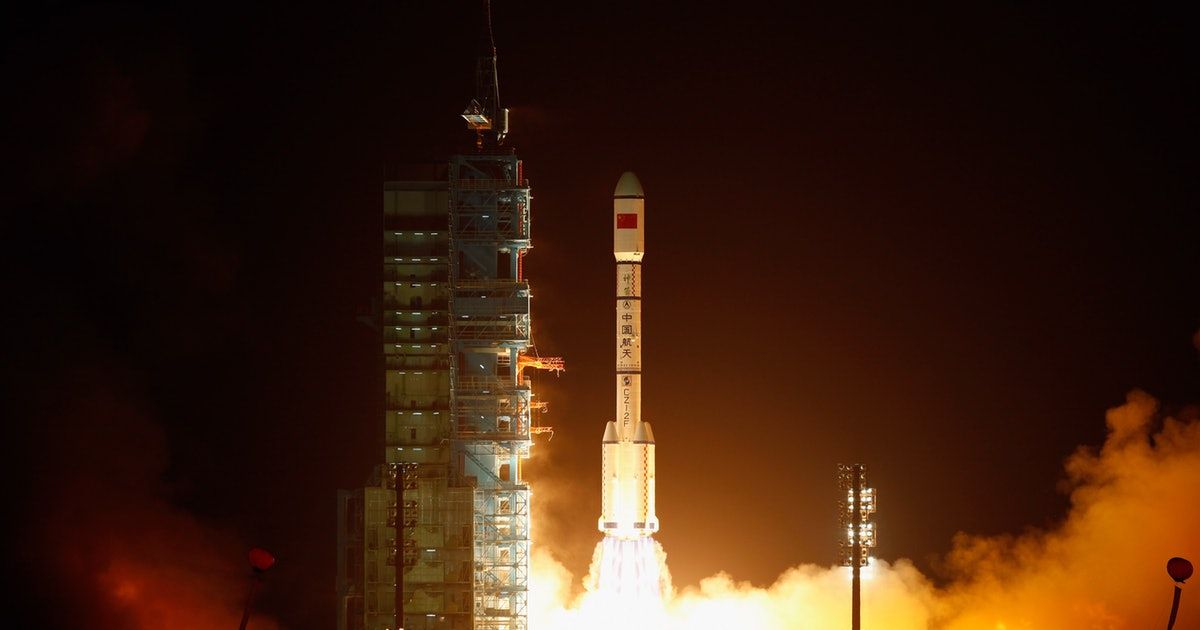
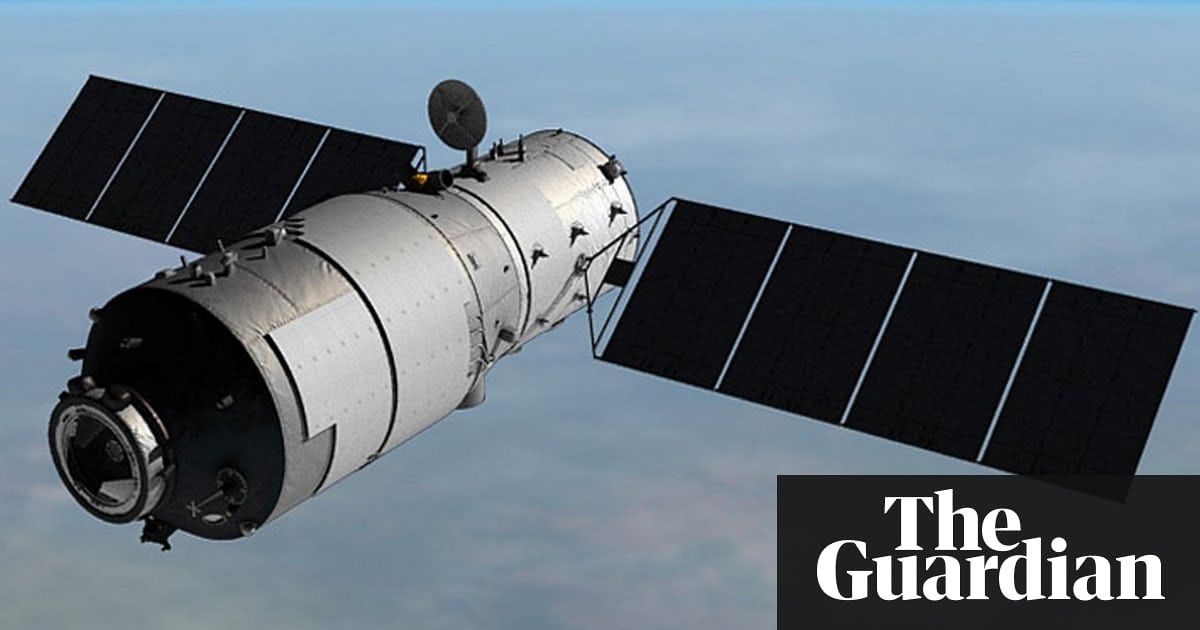
Well, here’s some terrifying news: There’s a Chinese space station out in the galaxy that is hurtling towards Earth, and it is expected to hit the planet on or around Apr. 1, 2018. There’s no stopping it, and scientists have stated that they really don’t have much control over it either. On top of that, it could either cause a lot of damage or it could do almost nothing. In other words, it’s a very unclear situation! The question on everyone’s mind is an important one: where is the Chinese space station going to crash? Do you need to be worried about being destroyed by a flying space station on Easter Sunday?
Here’s the deal: in 2016, China lost control of their first space station, called Tiangong-1, which is about the size of a school bus (so, yes, it’s very large). According to Vox, China had once been planning on trying to give the space station a controlled descent to Earth so that we didn’t all have to worry about having large pieces of it fall on or around our homes. That’s when things got more out of control: the space station malfunctioned, for reasons we still don’t really know. Due to “orbital decay” (which is defined as “the process of prolonged reduction in the altitude of a satellite’s orbit.” So, essentially, it’s when objects enter the Earth’s atmosphere and burn up), the space station has been heading towards Earth since it went off on its own.
The time has now come for that space station to hit Earth. It is said to be about 124 miles above the Earth, and is expected to crash through the atmosphere on or around Apr. 1, according to the European Space Agency. The good news is that a lot of it will burn up in the atmosphere. The bad news is that there will still be some heavy pieces that get through and hit the ground. Also bad news: we can’t control any of it. Oh, and no one knows where it will land.
With the space station likely to fall on April Fool’s Day, it’s important to know whom to follow for reliable information.
New research suggests that the moon-forming impact of another body and Earth, early in the solar system’s history, fully scrambled the two objects, and that water was already present before the smash-up.
Scientists are no strangers to healthy debate. You need criticism to strengthen your ideas, and when debate is done right, both parties leave knowing more than they did when they started. But there are some things that will just make a scientist mad. One of those things? Saying their scientific theory isn’t scientific. That’s what a trio of physicists did in a 2017 article they published in Scientific American, which stated that the idea of an expanding universe simply isn’t testable. The response from other physicists? Oh, it’s on.
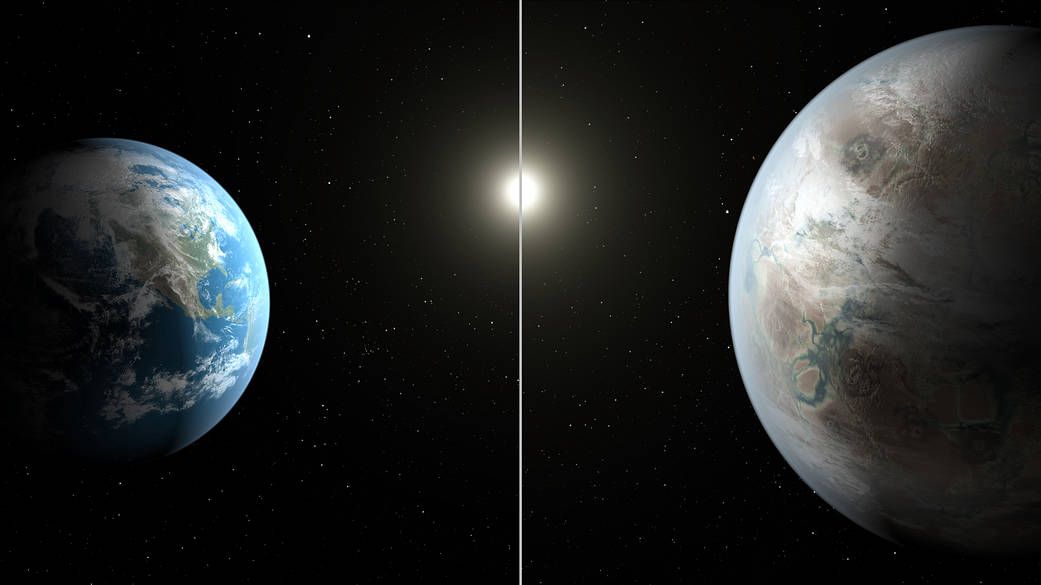
Situated at about 340 million light-years away from Earth, it finds itself very close to its host star (around a hundredth of the distance between the Earth and the Sun), which itself is a medium-sized active K dwarf in the Virgo Constellation.
K2-229b orbits this star every fourteen hours, according to the study published in the journal Nature Astronomy. “Interestingly K2-229b is also the innermost planet in a system of at least three planets, though all three orbit much closer to their star than Mercury. More discoveries like this will help us shed light on the formation of these unusual planets, as well as Mercury itself,” Armstrong added.
Using the K2 telescope, Armstrong and colleagues employed the Doppler spectroscopy technique — also known as the ‘wobble method’ to discover and characterise this faraway planet.