Toggle light / dark theme

Elon Musk: SpaceX to make trip to Mars

In less than 9 yrs.


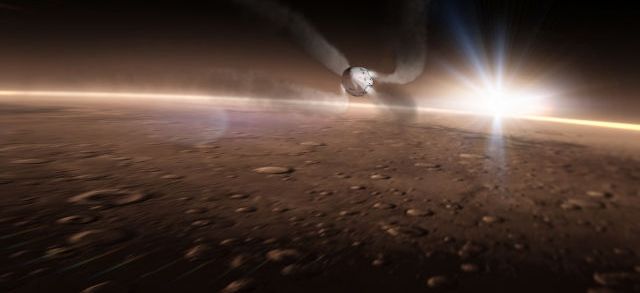
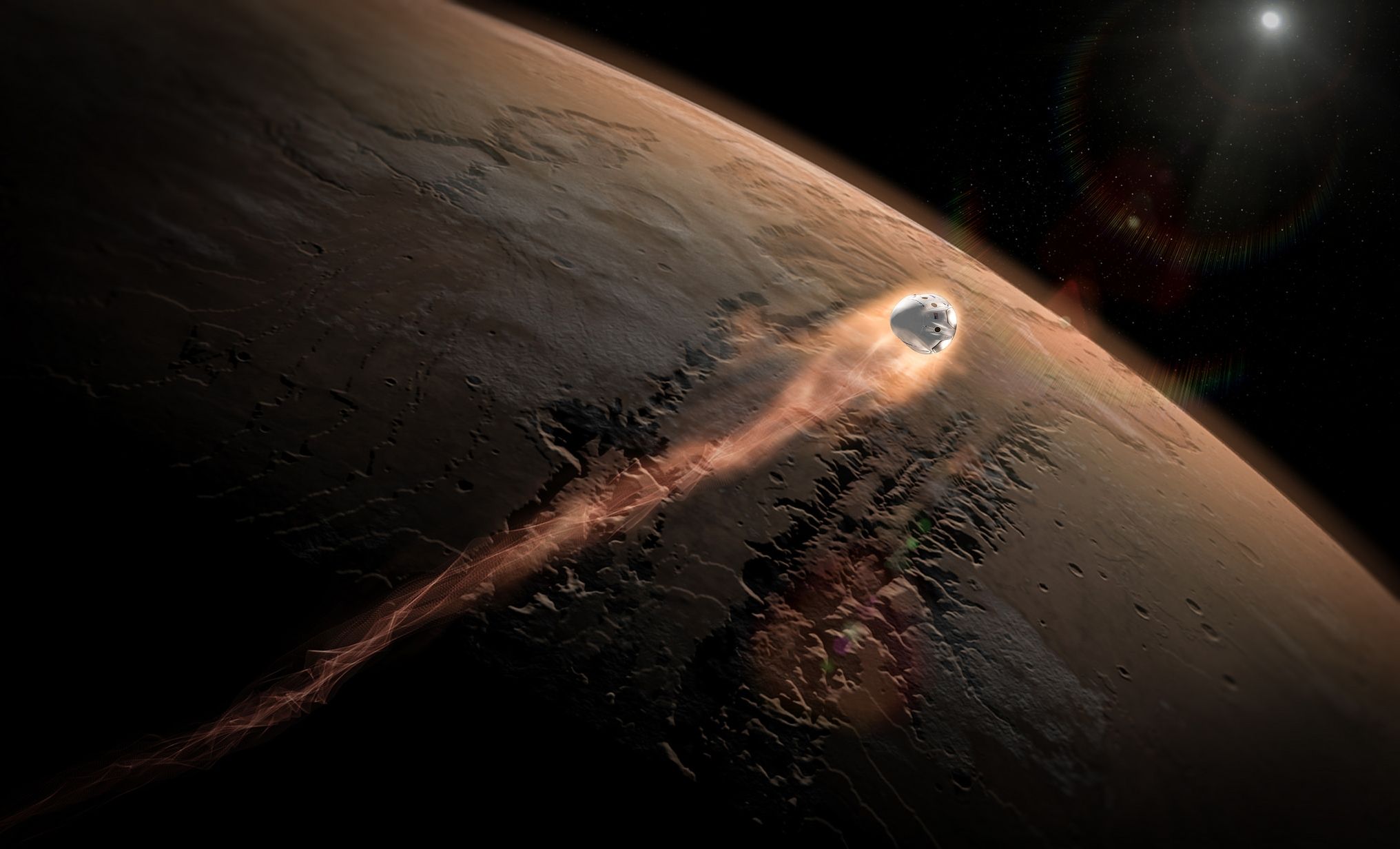
HONG KONG, Jan. 30 (UPI) — SpaceX and Tesla CEO Elon Musk said he plans to send humans to Mars by 2025.

Musk expressed his plans for the future of space travel at the StartmeupHK Festival in Hong Kong and said he plans to reach the International Space Station himself in four or five years.

“I don’t think it’s that hard, honestly,” he said. “It’s not that hard to float around.”

Read more

Biotechnology, synthetic biology keys to humans colonizing other planets

Over the last 12,000 years or so, human civilization has noticeably reshaped the Earth’s surface. But changes on our own planet will likely pale in comparison when humans settle on other celestial bodies. While many of the changes on Earth over the centuries have been related to food production, by way of agriculture, changes on other worlds will result, not only from the need for on-site production of food, but also for all other consumables, including air.

As vital as synthetic biology will be to the early piloted missions to Mars and voyages of exploration, it will become indispensable to establish a long-term human presence off-Earth, namely colonization. That’s because we’ve evolved over billions of years to thrive specifically in the environments provides by our home planet.

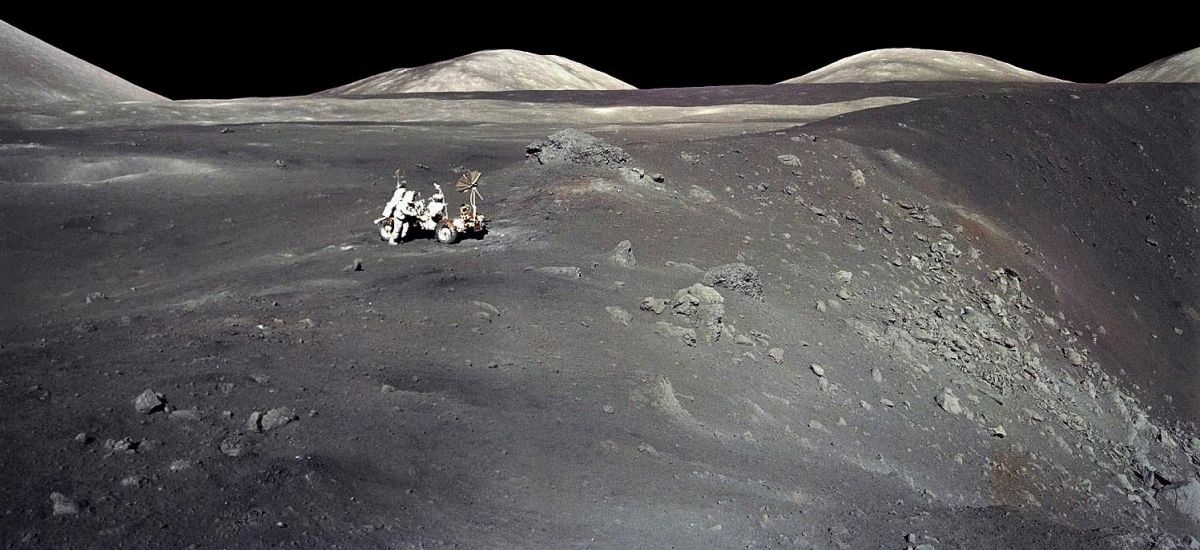
Our physiology is well-suited to Earth’s gravity and its oxygen-rich atmosphere. We also depend on Earth’s magnetic field to shield us from intense space radiation in the form of charged particles. In comparison, Mars currently has no magnetic field to trap particle radiation and an atmosphere that is so thin that any shielding against other types of space radiation is negligible compared with the protection that Earth’s atmosphere affords. At the Martian surface, atmospheric pressure never gets above 7 millibars. That’s like Earth at an altitude of about 27,000 m (89,000 ft), which is almost the edge of space. And it’s not like the moon is a better option for us since it has no atmosphere at all.

Read more

How to Build a Starship — and Why We Should Start Thinking About It Now

With a growing number of Earth-like exoplanets discovered in recent years, it is becoming increasingly frustrating that we can’t visit them. After all, our knowledge of the planets in our own solar system would be pretty limited if it weren’t for the space probes we’d sent to explore them.

The problem is that even the nearest stars are a very long way away, and enormous engineering efforts will be required to reach them on timescales that are relevant to us. But with research in areas such as nuclear fusion and nanotechnology advancing rapidly, we may not be as far away from constructing small, fast interstellar space probes as we think.

There’s a lot at stake. If we ever found evidence suggesting that life might exist on a planet orbiting a nearby star, we would most likely need to go there to get definitive proof and learn more about its underlying biochemistry and evolutionary history. This would require transporting sophisticated scientific instruments across interstellar space.

Read more

The Race to Build Teeny Tiny Satellite Thrusters

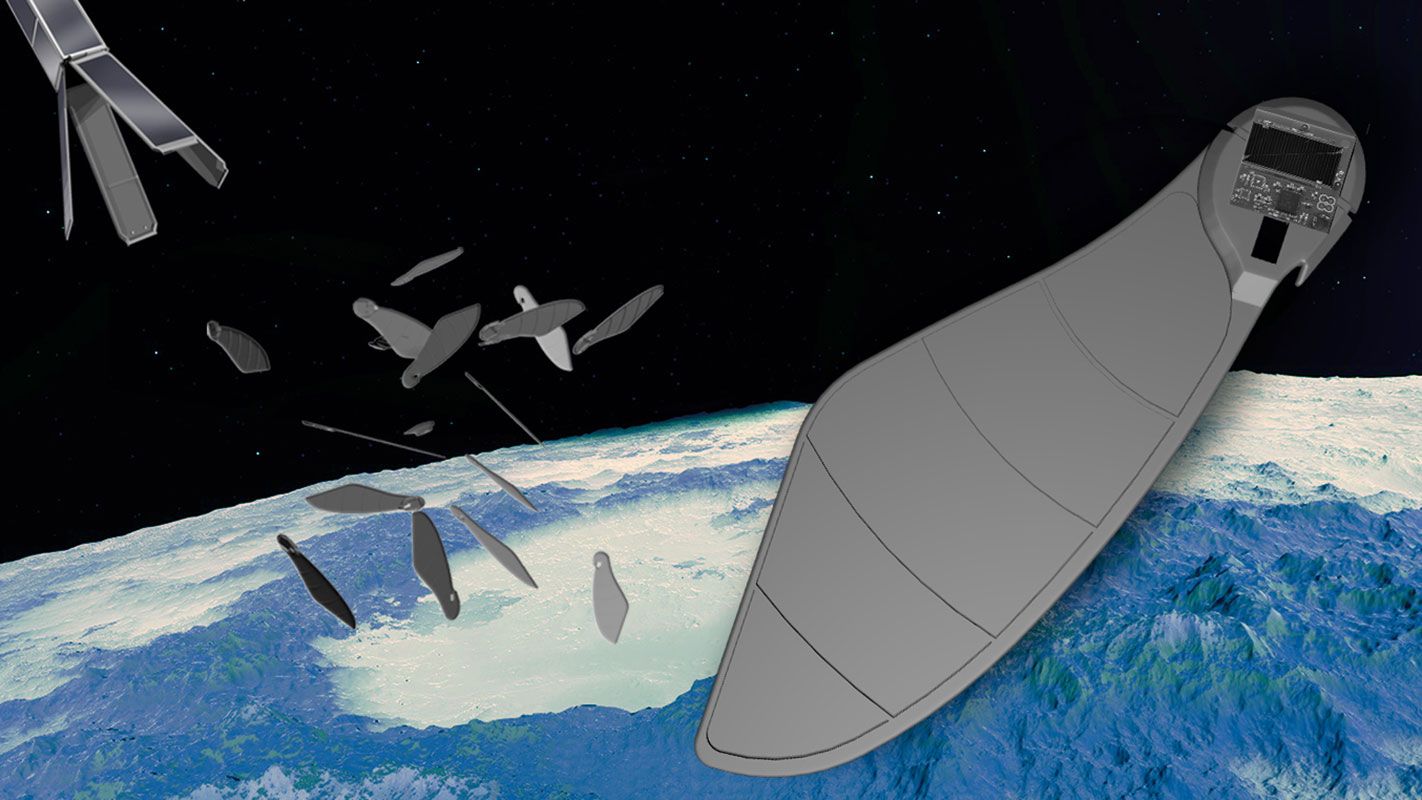
You might not know it, but you’re really just one Kickstarter away from launching your own satellite. CubeSats and other small, cheap spacecraft platforms have reduced the cost of getting to orbit by a huge margin, allowing for a more democratized age of space exploration.

As exciting as this populist spaceflight movement is, there is still one major technological hurdle it has to clear before it will meet its full potential: Propulsion.

Take CubeSats—cubic nanosatellites that typically weigh around three pounds. These modules are extremely popular with both professionals and hobbyists, and hundreds of them have been launched since 2003.

Read more

/* */