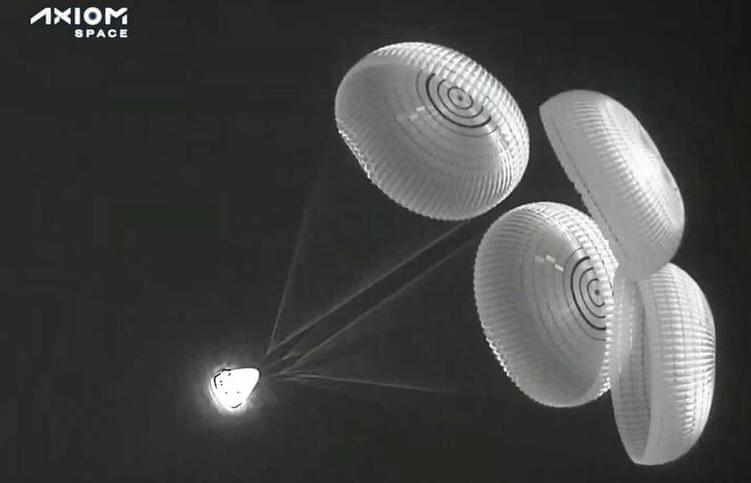
SpaceX’s Crew Dragon capsule Endeavour splashed down in the Atlantic Ocean, off the coast of Jacksonville, Florida, with the Ax-1 crew onboard.

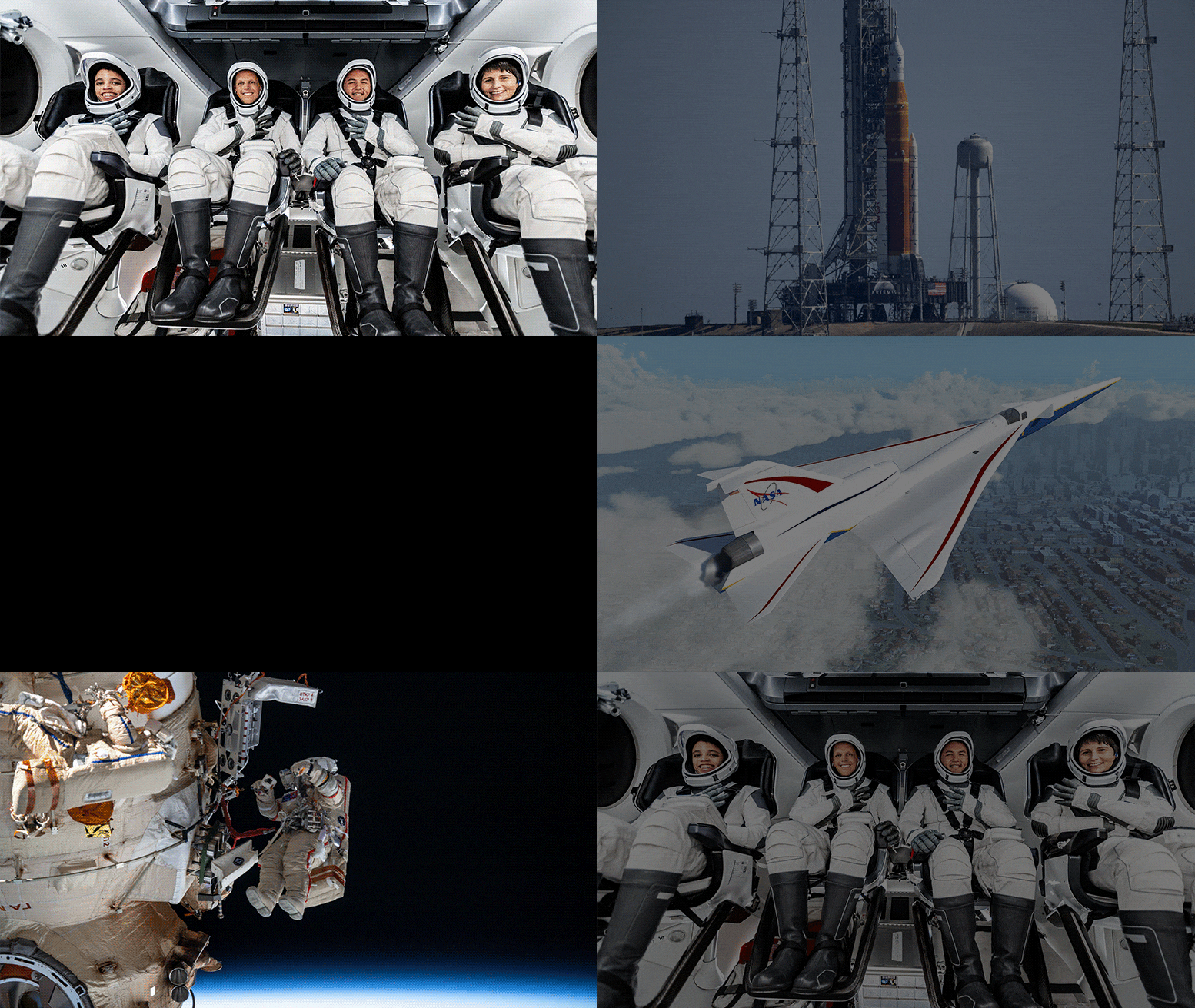
NASA’s SpaceX Crew-4 Mission to the Space Station
On April 18, the astronauts of our SpaceX Crew-4 mission arrived at our Kennedy Space Center to prepare for their launch to the International Space Station. NASA’s Kjell Lindgren, Bob Hines, and Jessica Watkins, along with Samantha Cristoforetti of the European Space Agency (ESA) are excited about their scientific expedition to the station.

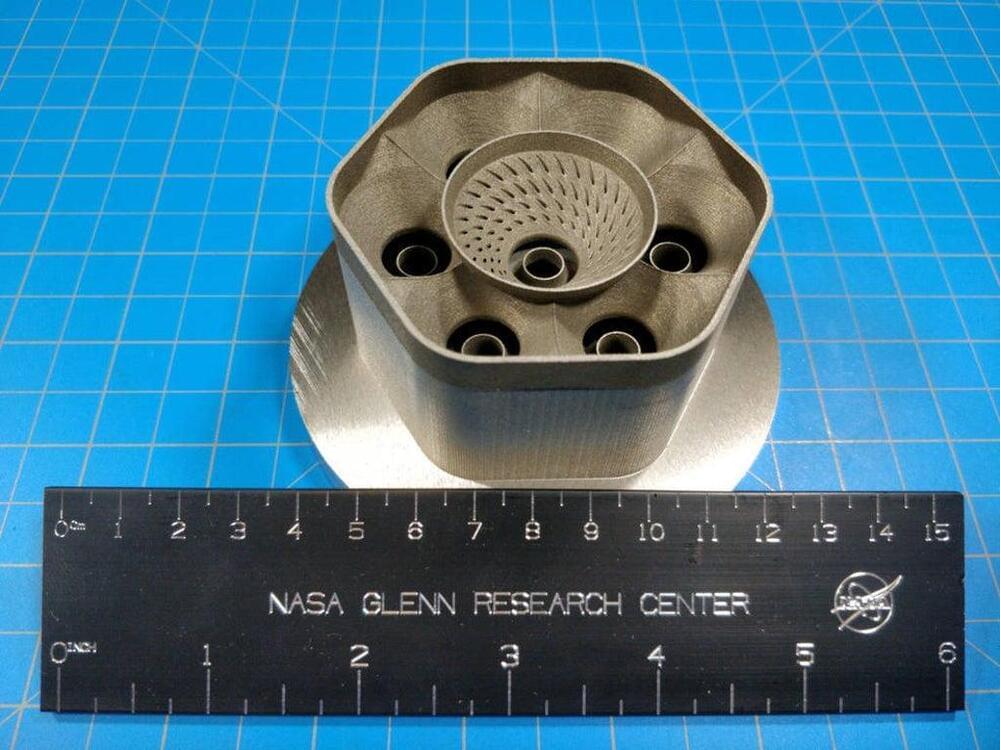
NASA scientists have invented a new metal alloy that is 1,000 times more durable than current state-of-the-art materials used in aviation and space exploration.
The US space agency believes that Alloy GRX-810 could revolutionise space travel, as it can withstand far harsher conditions than existing materials used within rocket engines.
The material has twice the strength, three-and-a-half times the flexibility and more than 1,000 times the durability under stress at high temperatures.
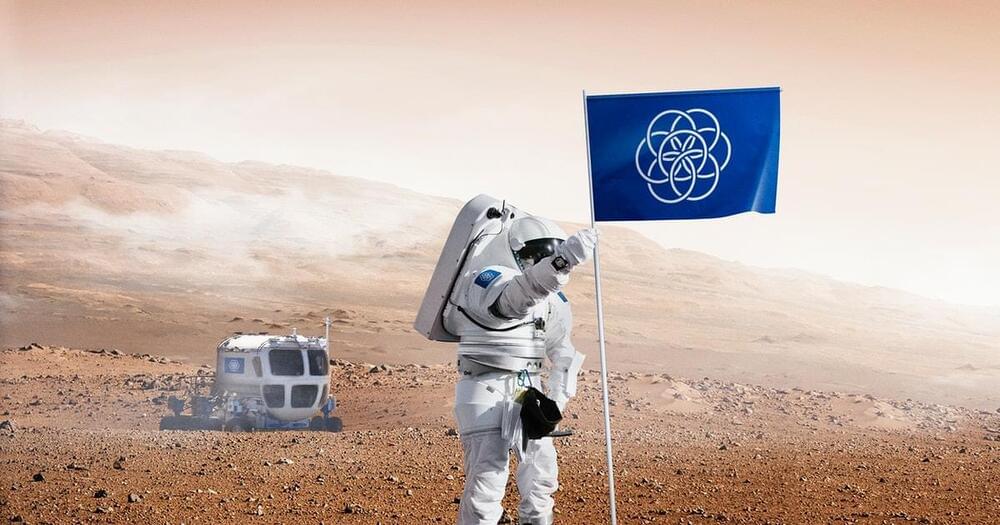
We are approaching the point when humans make the leap off Earth and onto other planets. When we get there, how will we represent ourselves?
In this opinion essay, Earth Flag designer Oskar Pernefeldt explains why humans need a symbol if they are to succeed as an interplanetary species — on and off Earth.

Alan DeRossettPutin propaganda is dividing opinions on Elon Musk for helping Ukraine and standing up to the Fossil fuel industry.
Walter LynsdaleI’m all for people making billions through technical advancement (teslas, space X rockets, the dojo chip are all pretty cool), but he comes out with a fair amount of double speak:
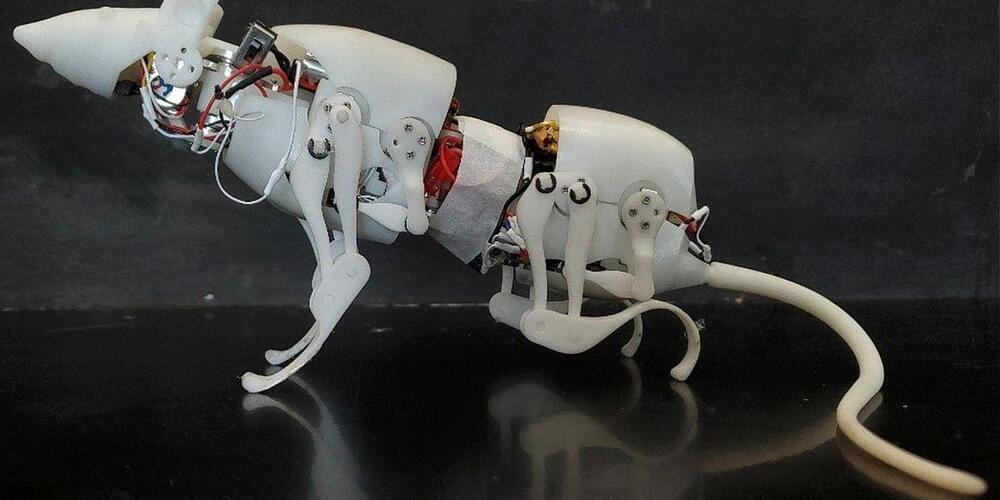
“people aren’t having enough babies” vs “we can make a humanoid robot”… See more.
2 Replies.
View 8 more comments.
Shubham Ghosh Roy shared a link.