Category: space travel – Page 206


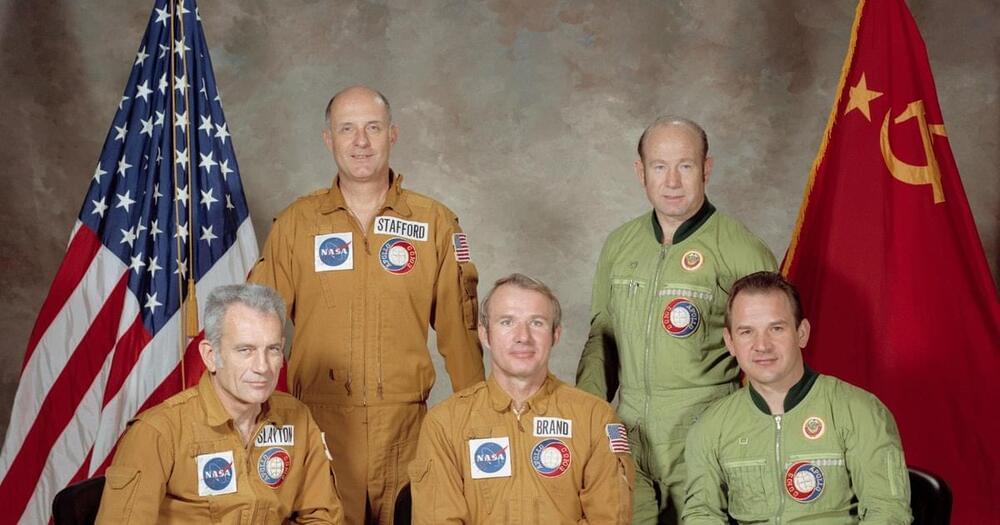
50 years ago, the U.S. and U.S.S.R. joined forces to ensure astronauts could survive in space
Could this happen today?
This document laid the foundation for modern space exploration and research. It is also a testament to a fading world order where nations worked together in space toward shared scientific goals despite their political differences.
Signed by President Richard Nixon and Premier Alexie Kosygin in the U.S.S.R on May 24, 1972, the agreement led to the first international crewed space mission, 1975’s Apollo-Soyuz Test Project.
John Logsdon, an expert in space policy and professor emeritus at George Washington University, explains that Nixon’s actions were informed by the ideas of his then-Secretary of State Henry Kissinger had grand ideas for the future of international relations and, together with Nixon, he believed an agreement toward mutual assistance between the U.S. and the U.S.S.R. would ultimately help the U.S. hold greater influence over world politics.

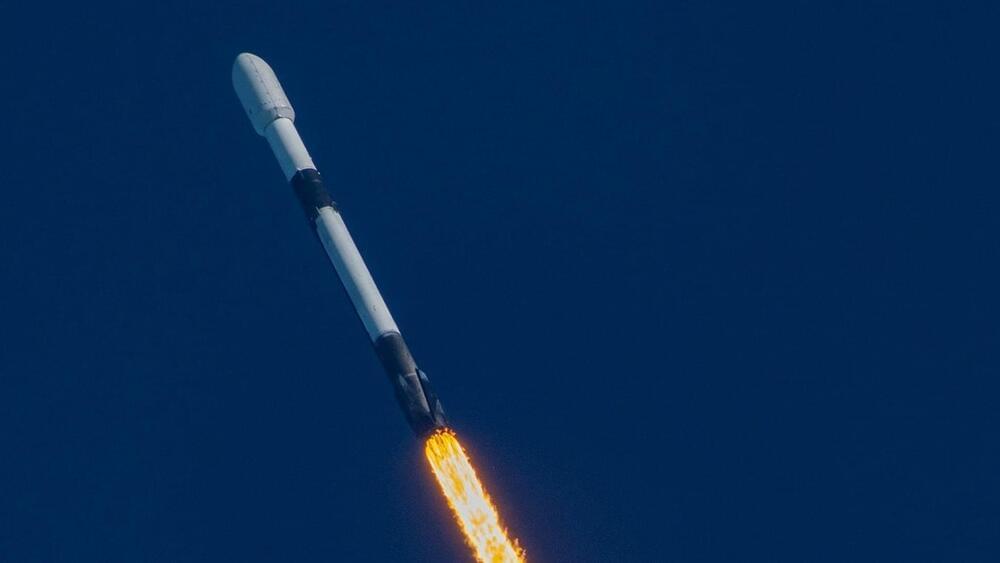
10 years ago, one SpaceX launch showed NASA they could work with Elon Musk
“This mission heralds the dawn of a new era of space exploration.”
Ten years ago on May 22, 2012, Elon Musk’s SpaceX made history. The company became the fourth entity, after the United States, Russia, and China, to launch a spacecraft into orbit and, on May 31 of that year, return it back to Earth. The achievement fundamentally altered the course of the next decade of space exploration.
That mission, the Dragon C2/3, was also the first commercial spacecraft to dock with another spacecraft in orbit — the International Space Station, in SpaceX’s case, on May 24, 2012. It was also the first commercial spaceship to return cargo back to Earth.
At the time, Musk reportedly stated in a press conference: “This mission heralds the dawn of a new era of space exploration, one in which there is a significant commercial space element.”

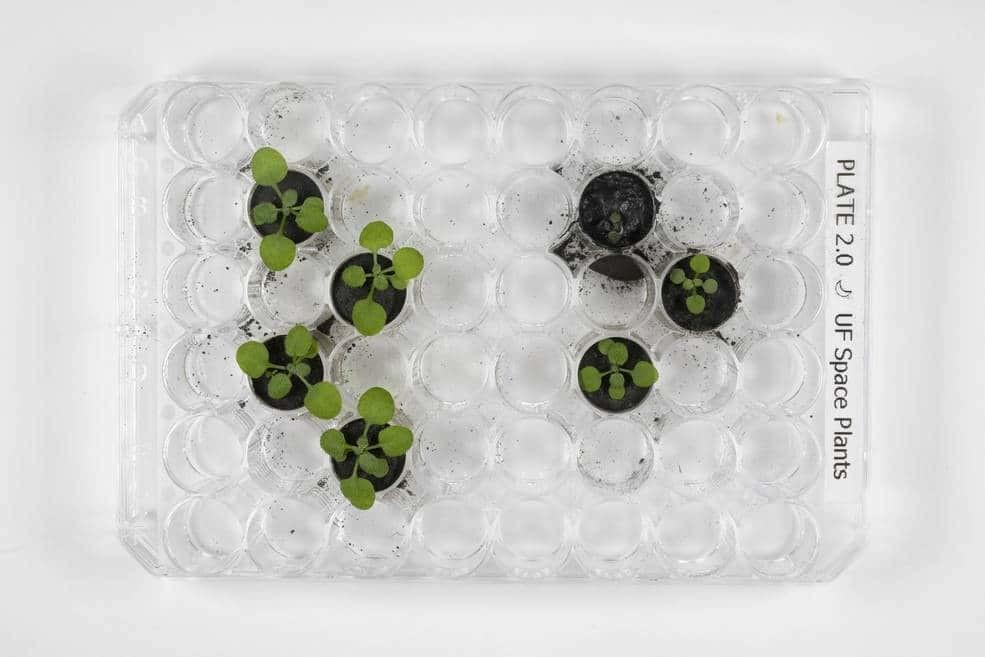
Scientists grow plants in lunar soil for the first time
For the first time ever, scientists have grown plants in soil samples collected from the Moon fifty years ago, a feat that could have implications not only for prolonged space exploration, but for plants trying to thrive in harsh conditions on our planet.
The views expressed in this article are those of the author alone and not the World Economic Forum.