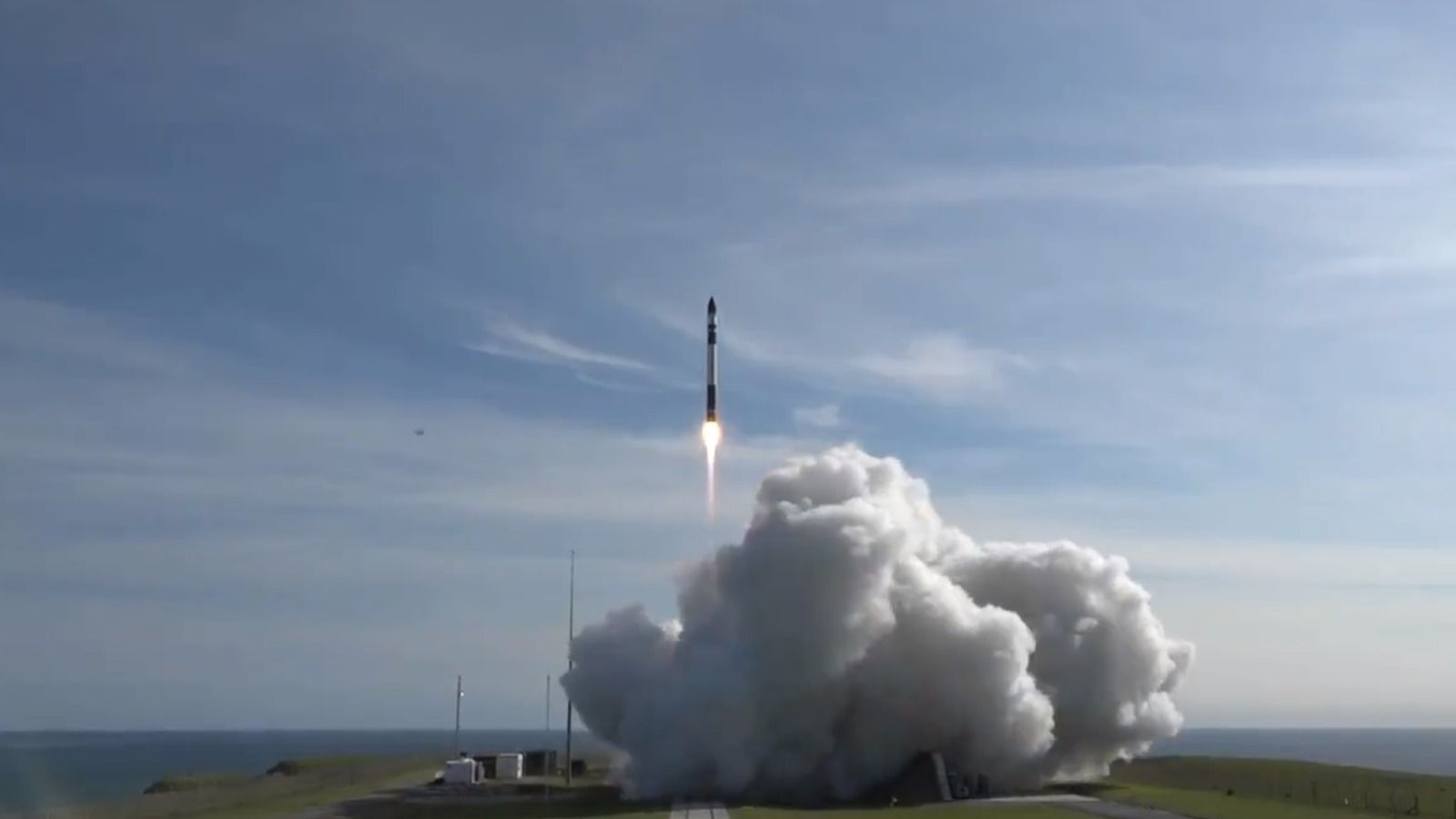
U.S.-based aerospace manufacturer Rocket Lab completed its first successful commercial launch on Saturday, sending seven spacecraft including “six tiny satellites and a drag sail demonstrator” into orbit aboard a relatively small Electron rocket designed primarily for smallsats and cubesats, Spaceflight Now reported.
Category: satellites – Page 186
Quantum ‘compass’ could allow navigation without relying on satellites
The UK’s first quantum accelerometer for navigation has been demonstrated by a team from Imperial College London and M Squared.
Most navigation today relies on a global navigation satellite system (GNSS), such as GPS, which sends and receives signals from satellites orbiting the Earth. The quantum accelerometer is a self-contained system that does not rely on any external signals.
This is particularly important because satellite signals can become unavailable due to blockages such as tall buildings, or can be jammed, imitated or denied – preventing accurate navigation. One day of denial of the satellite service would cost the UK £1 billion.
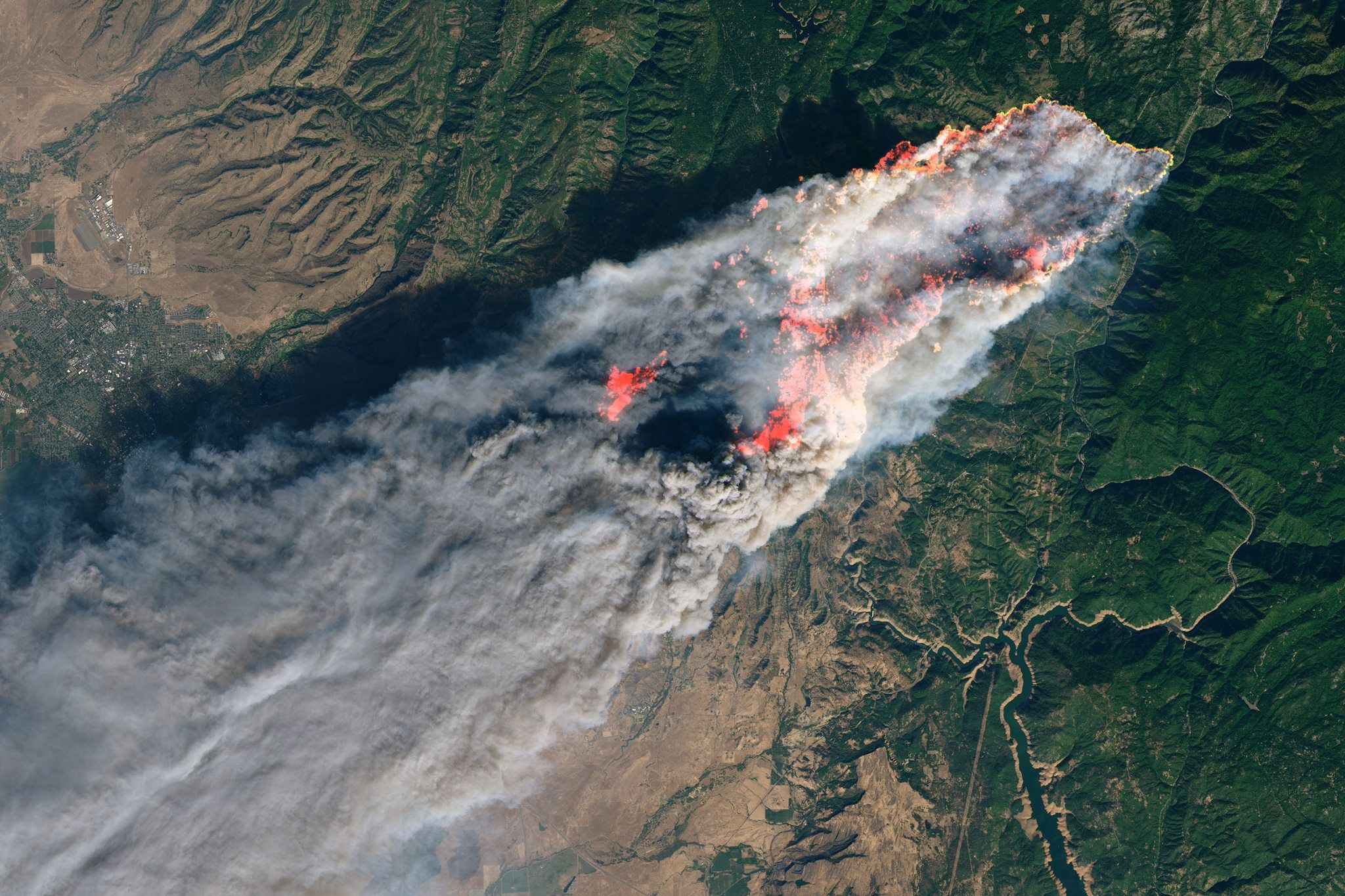
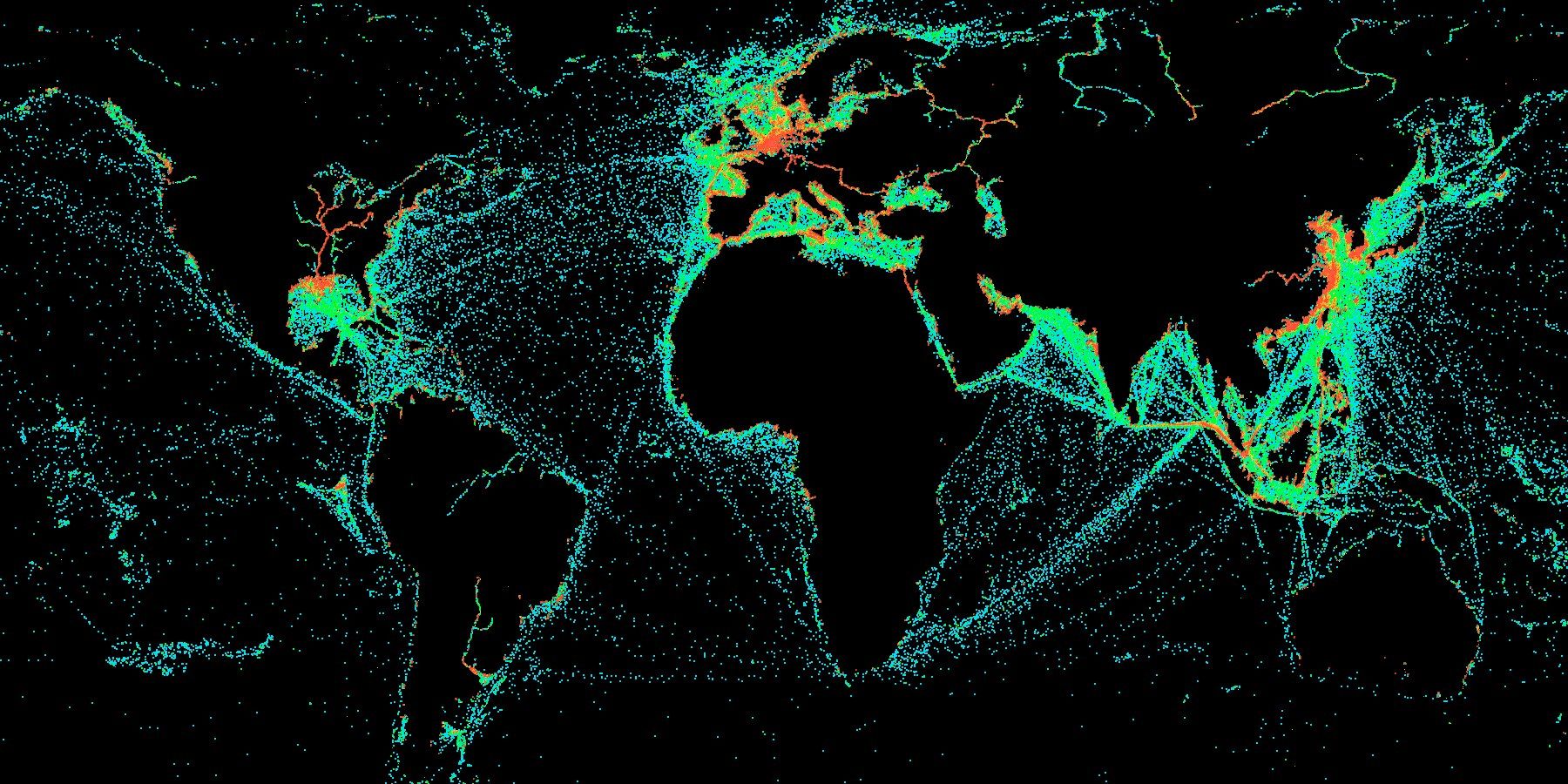
New Satellites Will Use Radio Waves to Spy on Ships and Planes
This month, HawkEye 360 will send up satellites that track the radio transmissions of ships, planes and other things on Earth, allowing them to be tracked by their communications.
Airglow in Earth’s upper atmosphere shines in red, green, purple and yellow in this view from the International Space Station
Turbulence in this sea of charged particles can interfere with satellites 🛰 as well as communication 📡 and navigation 📶 signals. When it launches tomorrow, our #NASAICON mission will watch and image airglow, helping scientists better understand the extreme variability of the region where Earth meets space.
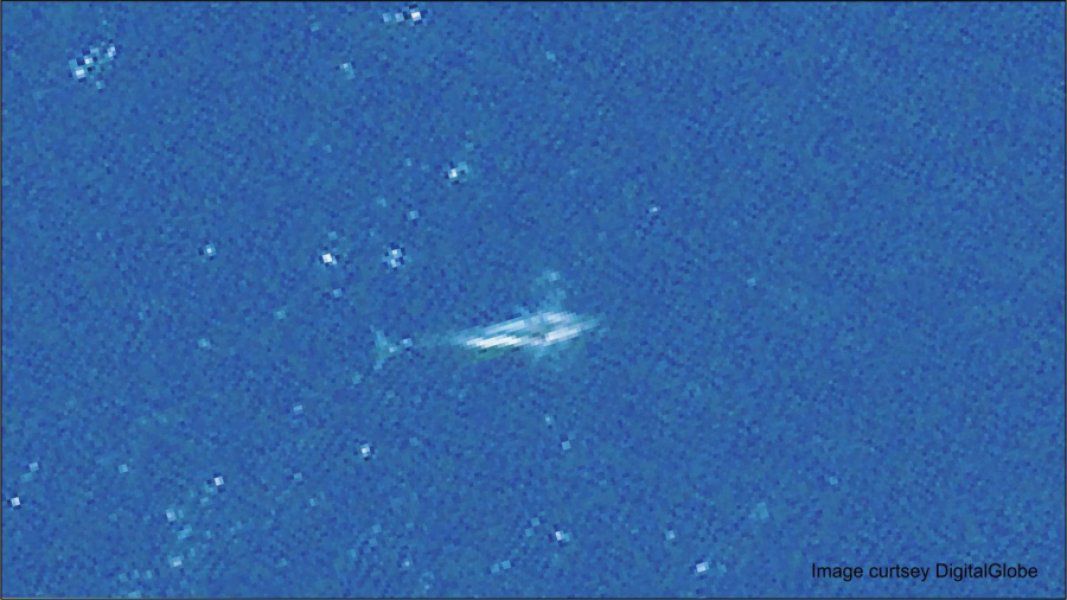
Researchers Can Now Monitor Whales Via Satellite
The latest high resolution satellites can pick out whales surfacing in huge swaths of ocean, which will aid in conservation.
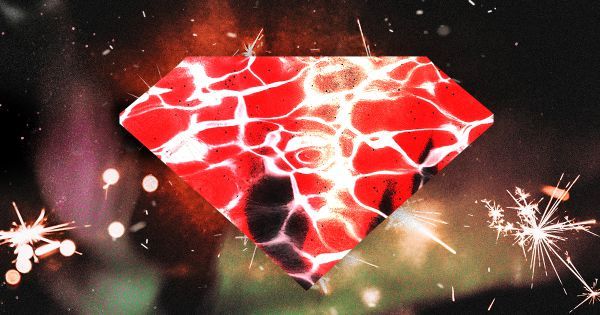
Quantum Navigation Could be as Accurate as GPS, Without Satellites
Where in the world is Quantum Sandiego?
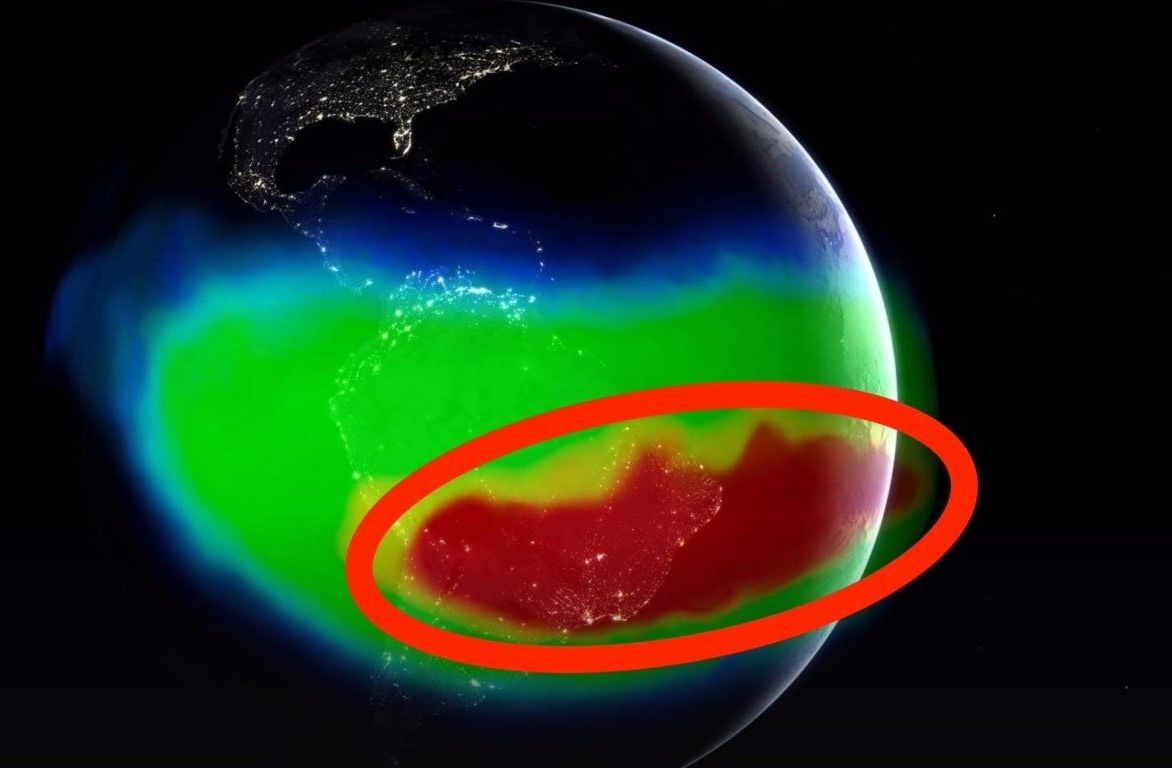
There’s a region over South America where NASA shuts down its satellites
It’s called the South Atlantic Anomaly.
The closest radiation belt to Earth roams above South America. It is called the South Atlantic Anomaly and gives off high levels of radiation that has been known to destroy satellites.
Follow Tech Insider:On Facebook
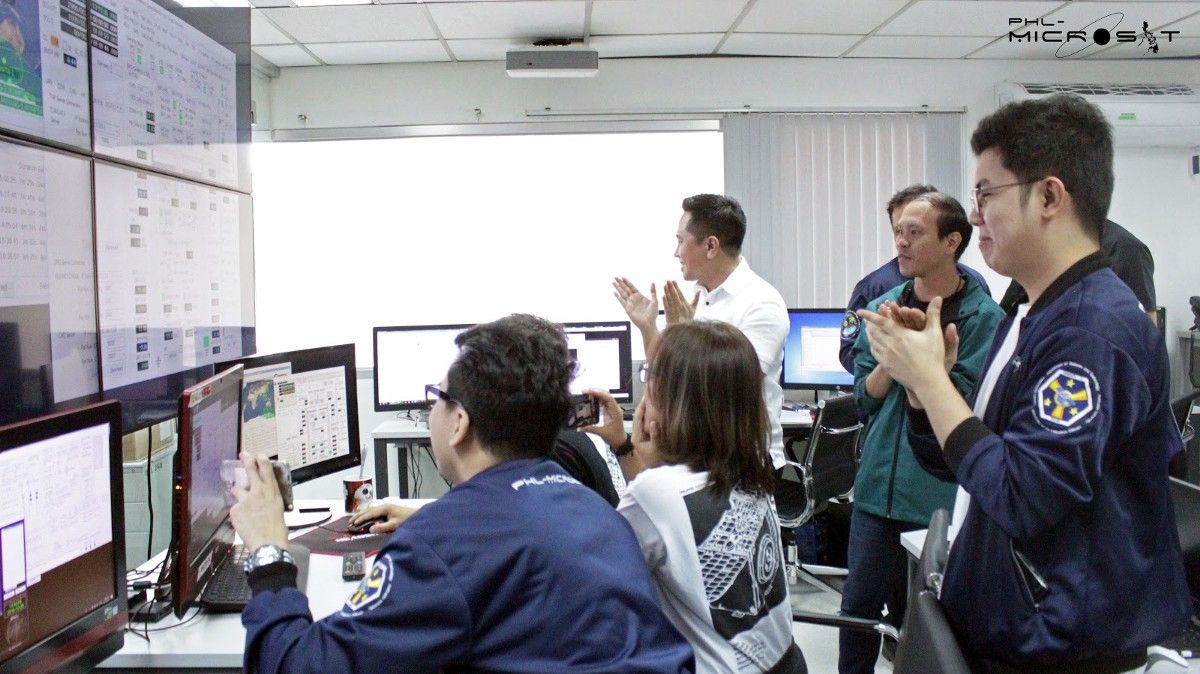
Diwata-2 successfully launched to space, makes first contact
Contact successful!
Diwata-2 was successfully launched to space on October 29, 2018 at 12:08 GMT+08 from the Tanegashima Space Center in Japan via H-IIA F40 rocket. It is one of the small satellites piggybacked with the main payloads IBUKI-2, also known as GOSAT-2 (JAXA’s Second Greenhouse Gases Observing Satellite), and KhalifaSat, a remote sensing Earth observation satellite developed by the Mohammed bin Rashid Space Centre (MBRSC) in the United Arab Emirates. The other small satellites are the Japanese-made Tenkou, PROITERES-2, Stars-AO, and AUTcube-2. Diwata-2 was inserted into the Sun-Synchronous Orbit at an altitude of 621 km, 43 minutes and 20 seconds after rocket lift-off.
On Oct 29, 2018 at 13:52 GMT+08, initial contact was established between Diwata-2 and the Ground Receiving Station (GRS) located at the Department of Science and Technology Advanced Science and Technology Institute (DOST-ASTI). Short telemetry data was received from the satellite on that day. Diwata-2 was initially tracked using pre-launch orbital parameters. As of 12:40 PM yesterday, October 31, 2018, the GRS can now read the satellite’s status, including vital signs such as fully charged batteries, normal power consumption, and good communication link. Commands were successfully sent and initial check procedures will continue throughout the first week from launch. Initial image captures from the cameras can be expected in the coming days.
Another milestone for Philippine space initiatives
The team, program collaborators and stakeholders celebrated in two major simultaneous events: one at the Tanegashima Space Center together with the Japanese partners, and one at the GT Toyota Auditorium in Quezon City with the public. Pocket viewing sessions were also held at the DOST Region VI office in Iloilo, Bicol State University, Cebu Technological University, and Caraga State University. Simultaneously, Japanese professors Dr. Tetsuro Ishida (from Hokkaido University) and Dr. Yuji Sakamoto (from Tohoku University) and Filipino scholars Gerwin Guba, Leur Labrador, Julie Banatao, Leonard Paet, and Paolo Violan who were part of the team who built the Diwata-2 in Tohoku University, were also tuned in.

The Air Force Wants Your Help Guarding Satellites From Space Junk
Up for it?
The Pentagon will line your pockets if you lend a hand.