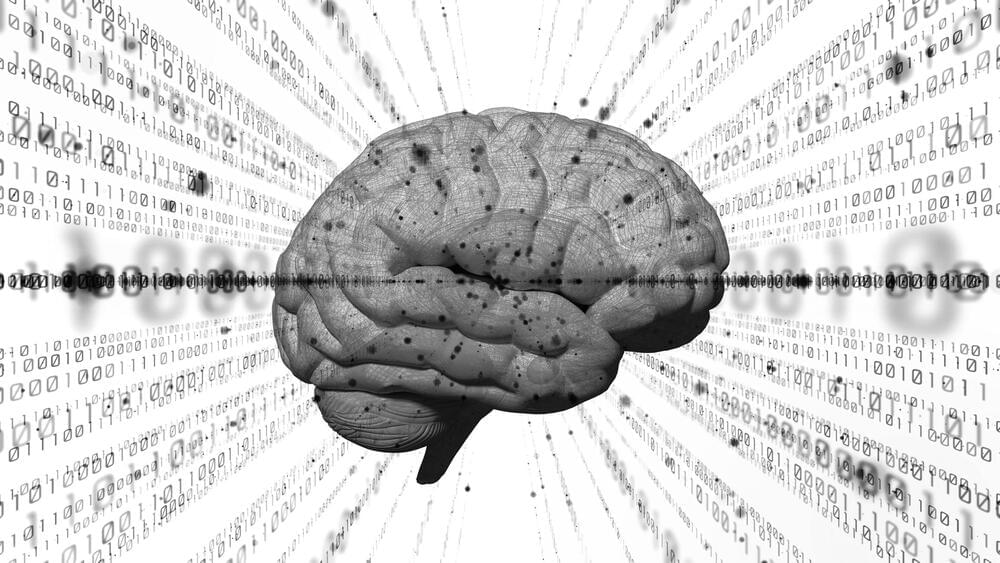
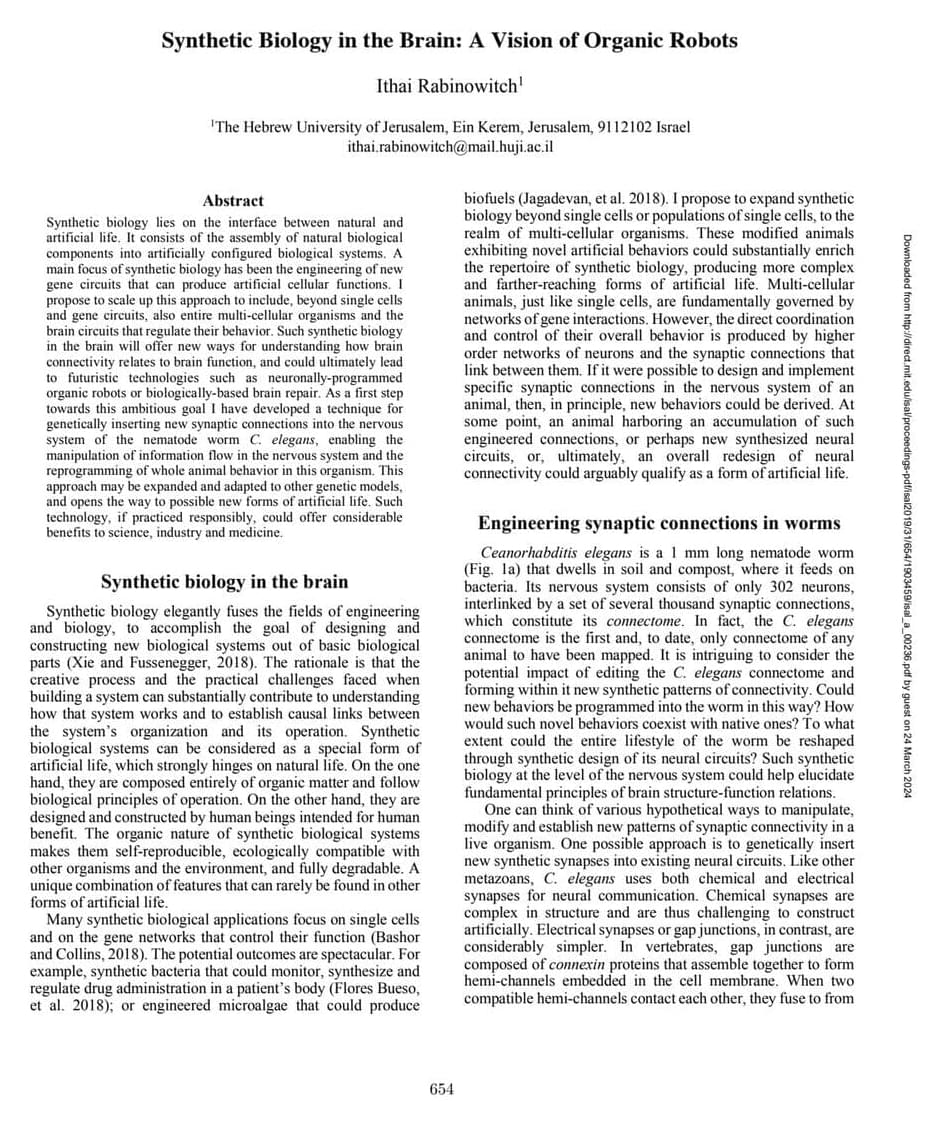
A GlobalData analyst suggests there are “limitless possibilities” when AI is modelled after the human brain via neuromorphic computing.

Something like this could help me take care of my mom! She’s 80!

THIS week news broke that declining fertility rates could affect most countries in a quarter of a century.
The U.S. Sun spoke with one scientist who thinks humanoids will fill this gap in future populations.
According to The Financial Times, 75 percent of nations are predicted to fall beneath population replacement birthrates by 2050.

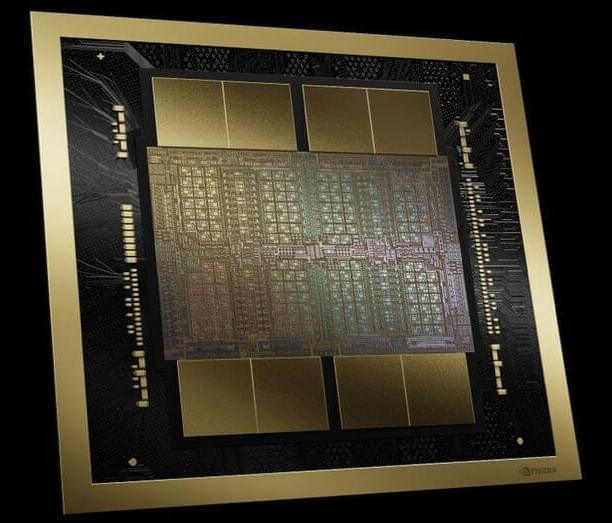
Neuromorphic computing is an emerging solution for companies specializing in small, energy-efficient edge computing devices and robotics, striving to improve their products. There has been a paradigm shift in computing since the advent of neuromorphic chips. With the potential to unlock new levels of processing speed, energy efficiency, and adaptability, neuromorphic chips are here to stay. Industries from robotics to healthcare are exploring the potential of neuromorphic chips in various applications.
What is Neuromorphic Computing?
Neuromorphic computing is a field within computer science and engineering that draws inspiration from the structure and operation of the human brain. Its goal is to create computational systems, including custom hardware replicating the neural networks and synapses in biological brains. These custom computational systems are commonly known as neuromorphic chips or neuromorphic hardware.
Ok, that was an unexpected turn on my feed. Just had to share. Cool, portable robot that fits in a backpack.
Conquer the Wild | LimX Dynamics’ Biped Robot P1 ventured into Tanglang Mountain Based on Reinforcement Learning ⛰️
⛳️ With Zero-shot Learning, non-protected and fully open testing conditions, P1 successfully navigated the completely strange wilderness of the forest, demonstrating exceptional control and stability post reinforcement learning by dynamically locomoting over various complex terrains.
⛳️ P1 is LimX Dynamics’ innovative point-foot biped robot, serving as an important platform for the systematic development and modular testing of reinforcement learning. It is utilized to advance the research and iteration of basic biped locomotion abilities. The success of P1 in conquering forest terrain is a testament to LimX Dynamics’ systematic R\&D in reinforcement learning.
⛳️ Beyond locomotion, LimX Dynamics continues to make breakthroughs in manipulation and loco-manipulation on humanoid robots, with more developments to be shared in the future.

The use of artificial intelligence in the development of video games has been met with both excitement and dread.
According to a recent industry report by game engine developer Unity, studios are already using AI to save time and boost productivity by whipping up assets and code.
But given enough time, the video games of the future could soon be entirely created with the use of AI — maybe even within just ten years, according to Nvidia CEO Jensen Huang, the man behind a company that’s greatly benefitting from selling thousands of graphics processing units (GPUs) to some of the biggest players in the AI industry.

Using artificial intelligence, researchers have discovered mysterious “fairy circles” in hundreds of locations across the globe.
These unusual round vegetation patterns have long puzzled experts, dotting the landscapes in the Namib Desert and the Australian outback.
But according to a new study published in the journal Proceedings of the National Academy of Sciences, the unusual phenomenon could be far more widespread than previously thought, cracking the case wide open and raising plenty more questions than answers.