Artificial neural nets, called spiking neural networks (SNNs), could be used to create intelligent robots, or to better understand the underpinnings of the brain itself. Now researchers in India have achieved ultra-low energy artificial neurons that allow the SNNs to be more compactly arranged.
In this video I explore how Sam Altman’s hints about GPT-4.5 and GPT-5 are reshaping the AI landscape. You’ll discover the key differences between GPT-4.5 and GPT-5, learn why OpenAI’s next release could unify “fast” and “thoughtful” AI models, and find out how chain-of-thought reasoning could change everything from creative writing to complex problem-solving. I also discuss the biggest challenges OpenAI has faced during GPT-5’s development—from massive data requirements to persistent engineering snags—and why this model might feel closer to AGI than any chatbot yet.
“Surgery means extensive recovery time and can significantly impact patient health. Our system doesn’t require surgery because we use a conventional stent, the catheter, as a delivery vehicle,” said W. Hong Yeo, the Harris Saunders Jr. Endowed Professor and an associate professor in the George W. Woodruff School of Mechanical Engineering.
Made from ultra-thin, flexible silicone, these nanosensors can be embedded in almost anything, from pacifiers to catheters. But size was just one element the researchers needed to consider when developing this device; accuracy was just as important.
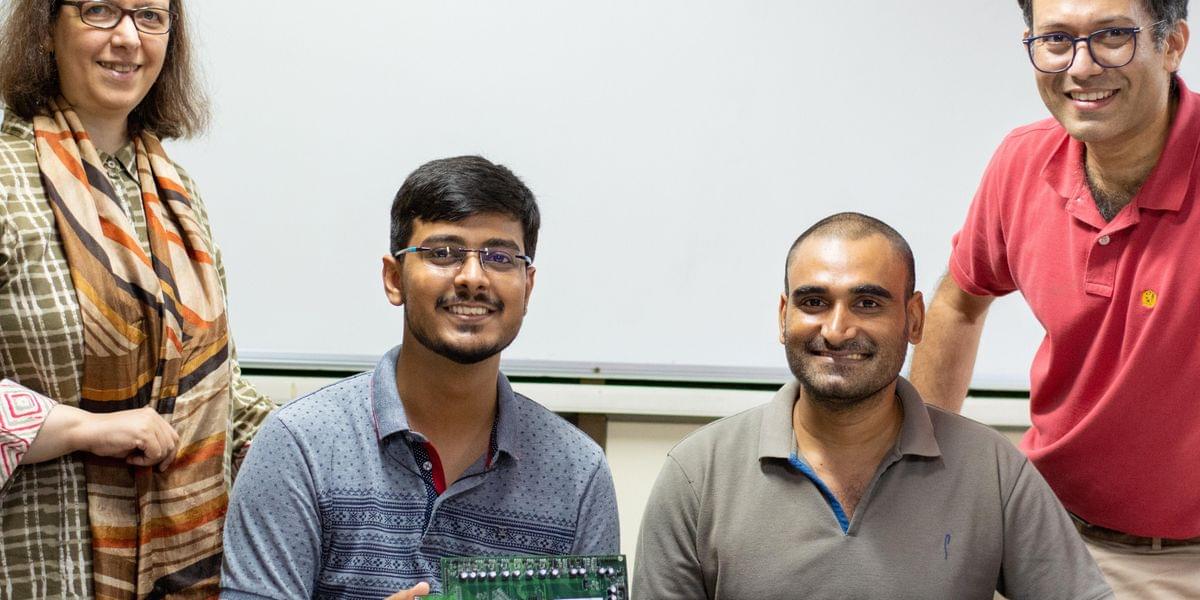
Hong Yeo holds an in-stent nanomembrane sensor that can detect intracranial pressure.
A car accident, football game, or even a bad fall can lead to a serious or fatal head injury. Annually, traumatic brain injuries (TBI) cause half a million permanent disabilities and 50,000 deaths. Monitoring pressure inside the skull is key to treating TBI and preventing long-lasting complications.
Most of these monitoring devices are large and invasive, requiring surgical emplacement. But Georgia Tech researchers have recently created a sensor smaller than a dime. The miniature size offers huge benefits.
A new AI framework inspired by human memory could make machines more efficient, adaptive, and capable of reasoning. A recent paper published in the journal Engineering presents a novel approach to artificial intelligence by modeling it after how human memory functions. The research aims to overco
When exploring their surroundings, communicating with others and expressing themselves, humans can perform a wide range of body motions. The ability to realistically replicate these motions, applying them to human and humanoid characters, could be highly valuable for the development of video games and the creation of animations, content that can be viewed using virtual reality (VR) headsets and training videos for professionals.
Researchers at Peking University’s Institute for Artificial Intelligence (AI) and the State Key Laboratory of General AI recently introduced new models that could simplify the generation of realistic motions for human characters or avatars. The work is published on the arXiv preprint server.
Their proposed approach for the generation of human motions, outlined in a paper presented at CVPR 2025, relies on a data augmentation technique called MotionCutMix and a diffusion model called MotionReFit.
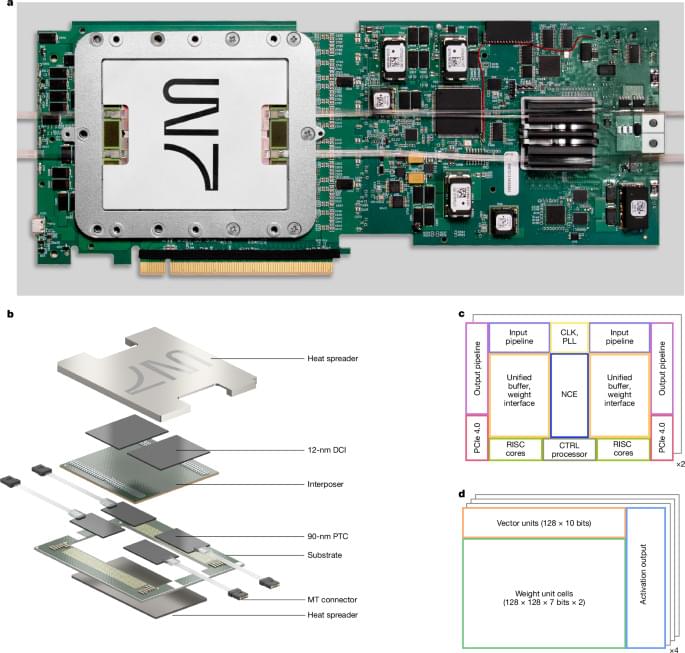
A photonic processor capable of running advanced artificial intelligence models with near-electronic precision is introduced, marking a substantial step towards post-transistor computing technologies.
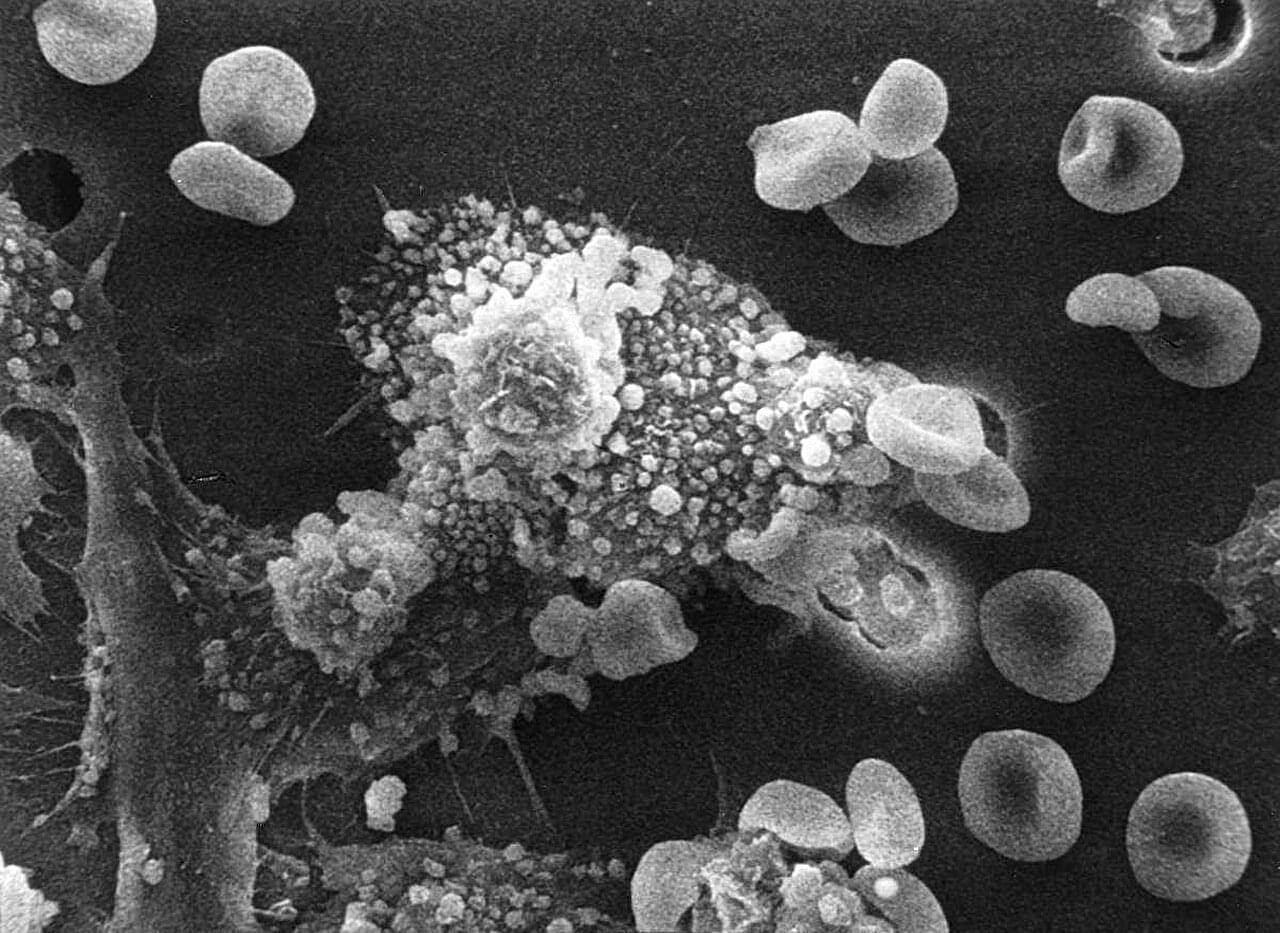
To grow, cancer tumors must hijack the immune system for their needs. One of the main tricks that most tumors use is to manipulate a type of immune cell called a macrophage, causing it to protect the tumor from the rest of the immune system, recruit blood vessels and help the cancer spread to other tissues.
Now researchers in Prof. Ido Amit’s lab at the Weizmann Institute of Science have used state-of-the-art gene editing and single-cell and AI technologies to identify a master switch that turns macrophages into cancer helpers.
Based on this discovery, the team developed a new therapy that was shown to be effective in mice with bladder tumors, one of the most common types of cancer in humans and one for which only limited therapeutic innovations are currently available. The discovery is presented in a paper published in the journal Cancer Cell.
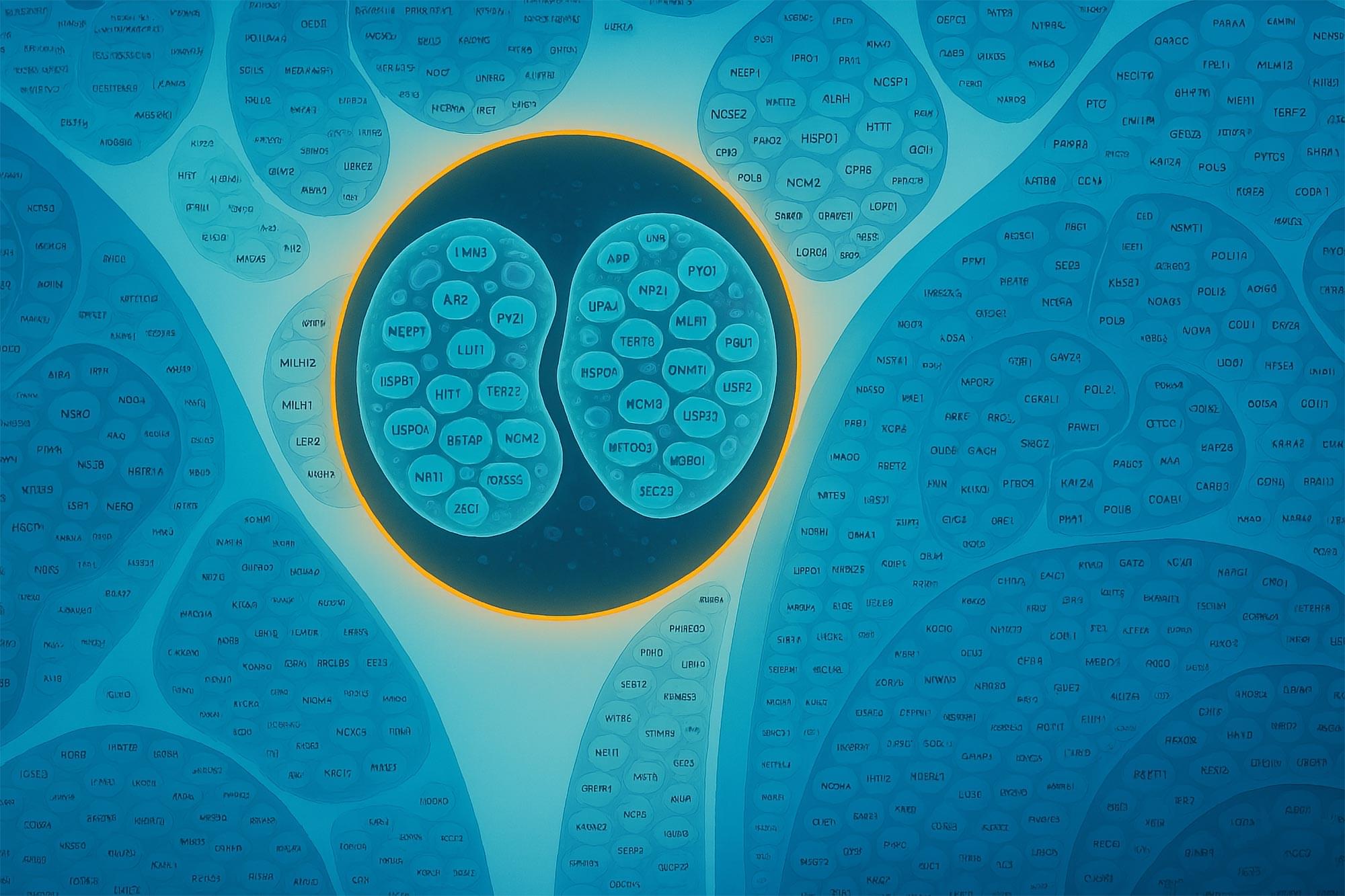
For the first time, scientists have built a detailed, interactive map of a human cell, revealing how thousands of proteins organize and work together.
Using advanced imaging and AI tools like GPT-4, they uncovered hundreds of previously unknown protein functions and identified key cellular assemblies tied to childhood cancers. This map not only changes how we study cell biology but could also transform our understanding of disease at the molecular level.
AI Vs AI: Hackers use Artificial Intelligence for deepfakes and smart malware, while defenders counter with AI threat detection and predictive security.