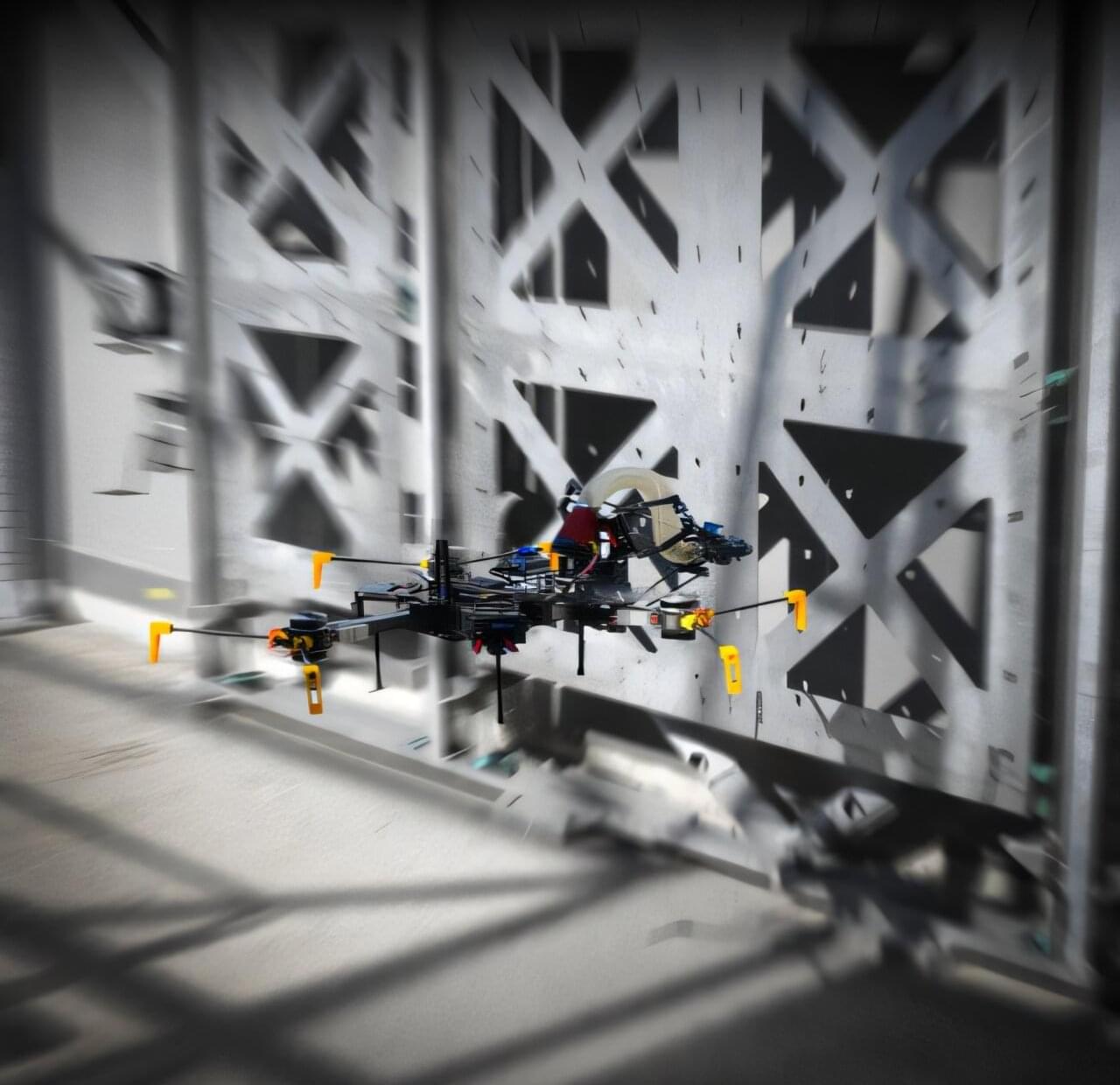
New research led by Imperial College London and co-authored by the University of Bristol, has revealed that aerial robotics could provide wide-ranging benefits to the safety, sustainability and scale of construction.
The research examines the emerging field of using drones for mid-air material deposition in the construction industry —a process known as Aerial Additive Manufacturing (Aerial AM).
This technology addresses pressing global housing and infrastructure challenges using aerial robots equipped with advanced manipulators that can overcome the limitations of traditional construction methods and ground-based robotic systems.
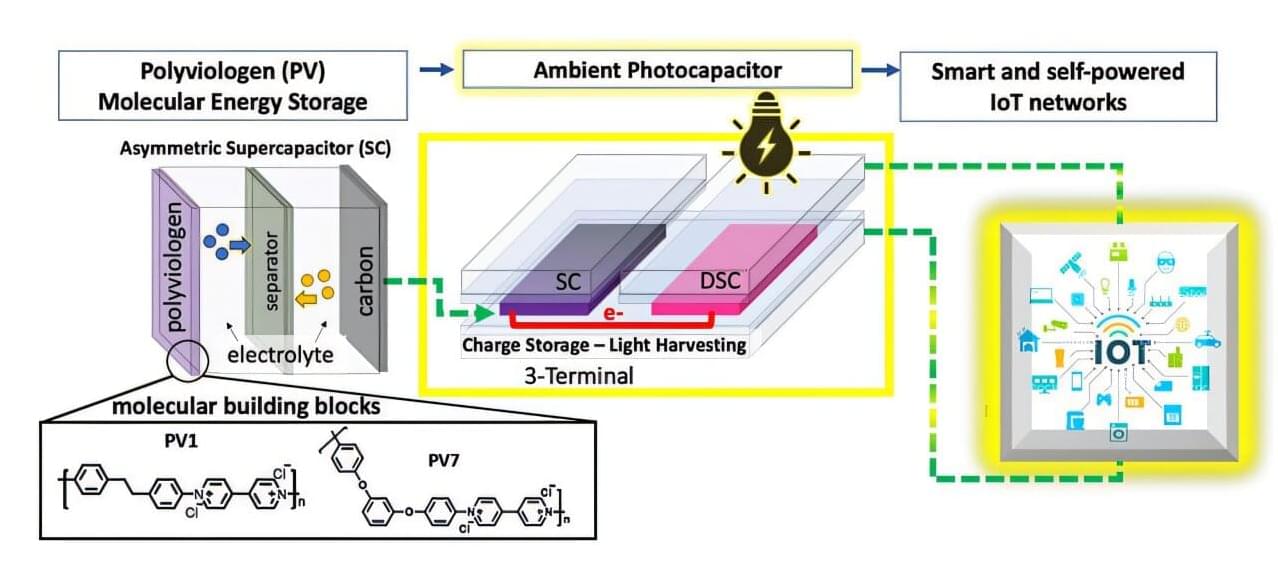
A landmark international collaboration led by Newcastle University has developed the world’s most efficient integrated light-harvesting and storage system for powering autonomous Artificial Intelligence (AI) at the edge of the Internet of Things (IoT).
Huawei has approached some Chinese tech companies about testing a new chip, called the Ascend 910D, which it hopes will be more powerful than Nvidia’s H100, The Wall Street Journal reported.
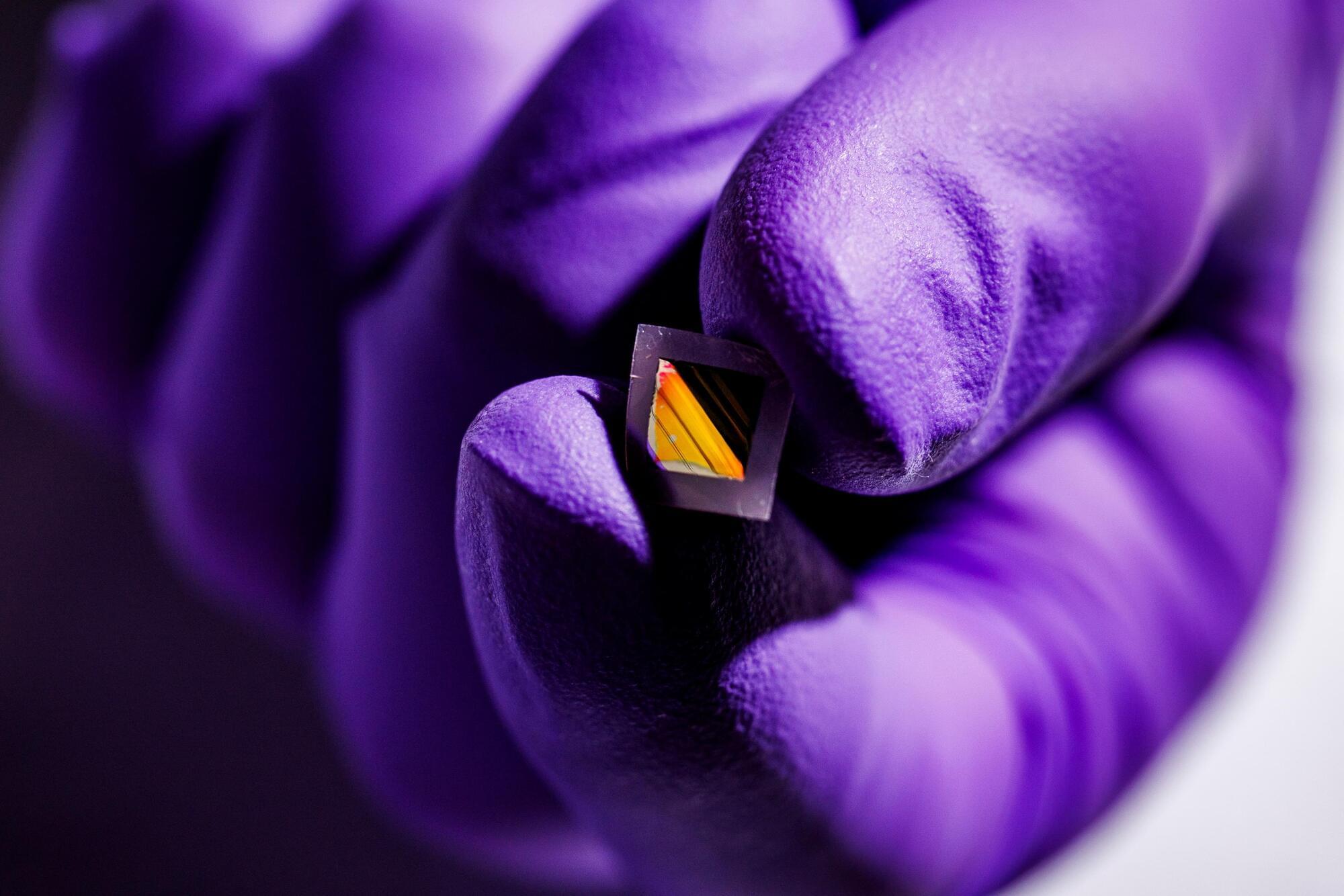
MIT engineers developed a technique to grow and peel ultrathin “skins” of electronic material that could be used in applications such as night-vision eyewear and autonomous driving in foggy conditions.
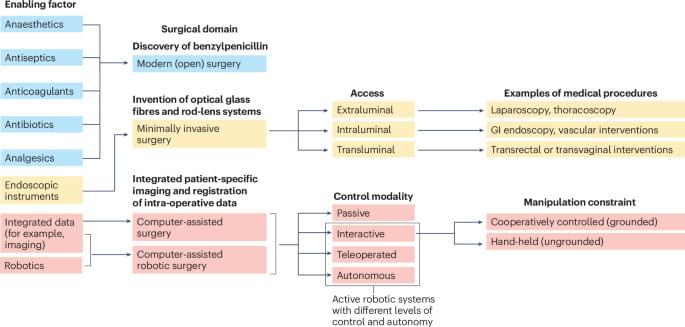
Surgical robots can assist in medical procedures or autonomously perform surgical tasks. This Review explores the design and application of passive, interactive, teleoperated and autonomous surgical robots within the framework of computer-assisted and integrated surgical workflows.
Today’s high-end processors, especially those powering data centers and AI workloads, already rely on multi-chiplet designs to meet soaring demands for performance and memory bandwidth. TSMC’s current CoWoS solutions can accommodate interposers up to 2,831 mm², more than three times the size of a standard photomask reticle, which is limited to 830 – 858 mm² by EUV lithography constraints.
This week, major AI breakthroughs were announced, including Microsoft’s new Copilot agents, Sand AI’s long video generation, and Baidu’s faster, cheaper ERNIE models. Perplexity launched a voice assistant for iPhone, ByteDance introduced screen-controlling AI, and UC San Diego showed GPT-4.5 passing a real Turing Test. DeepMind warned about AI hallucinations caused by rare words, while YouTube started testing AI-generated video clips in search results.
Join our free AI content course here 👉 https://www.skool.com/ai-content-acce… the best AI news without the noise 👉 https://airevolutionx.beehiiv.com/ 🔍 What’s Inside: • Microsoft’s Copilot Wave Two introduces powerful AI agents like Researcher and Analyst • Sand AI and Sky Reels revolutionize video generation with long-form and infinite content breakthroughs • Baidu’s ERNIE Turbo models offer faster performance at lower costs, challenging OpenAI’s dominance 🎥 What You’ll See: • How AI now creates live sports commentary, animates 3D faces, and controls computers from screenshots • Why DeepMind warns about hidden risks in AI training and how UC San Diego’s research changes Turing tests • How YouTube’s AI-generated video clips and Perplexity’s new iPhone assistant could reshape online content 📊 Why It Matters: This wave of AI advancements shows how fast technology is evolving, with smarter agents, endless video creation, cheaper high-end models, and new challenges in AI reliability, content creation, and human-like behavior. DISCLAIMER: This video covers major AI updates from Microsoft, Sand AI, Baidu, Perplexity, DeepMind, and others, highlighting the rapid shifts in AI capabilities, risks, and opportunities across real-world applications. #ai #microsoft #deepmind. Get the best AI news without the noise 👉 https://airevolutionx.beehiiv.com/
🔍 What’s Inside: • Microsoft’s Copilot Wave Two introduces powerful AI agents like Researcher and Analyst. • Sand AI and Sky Reels revolutionize video generation with long-form and infinite content breakthroughs. • Baidu’s ERNIE Turbo models offer faster performance at lower costs, challenging OpenAI’s dominance.
🎥 What You’ll See: • How AI now creates live sports commentary, animates 3D faces, and controls computers from screenshots. • Why DeepMind warns about hidden risks in AI training and how UC San Diego’s research changes Turing tests. • How YouTube’s AI-generated video clips and Perplexity’s new iPhone assistant could reshape online content.
📊 Why It Matters: This wave of AI advancements shows how fast technology is evolving, with smarter agents, endless video creation, cheaper high-end models, and new challenges in AI reliability, content creation, and human-like behavior.
AIs can outperform humans easily on short tasks, but longer ones are the true hurdle to overcome before we can deem them to be truly intelligent systems.