
Some researchers believe that machine-learning techniques can revolutionize how materials science is done.
Category: robotics/AI – Page 3,048

China’s Deadly Advantage in Driverless Cars
Wonder what kind of insurance they have?
http://www.bloomberg.com/gadfly/art…ads-give-china-a-grim-edge-in-driverless-cars
Transport safety advances the same way physicist Max Planck saw science progressing: one funeral at a time.
That’s bad news for the people of China, whose roads are some of the world’s most dangerous. But it’s an advantage for the slew of Chinese companies racing to overtake Silicon Valley and Detroit in developing self-driving vehicles.

End of slow PCs? IBM creates super-fast quantum computer which brings AI closer
I have already been trying to access; guess we will see.
ENGINEERS have created lightning-quick quantum computers which will be freely available to everyone to use online.
Rich and powerful warn robots are coming for your jobs
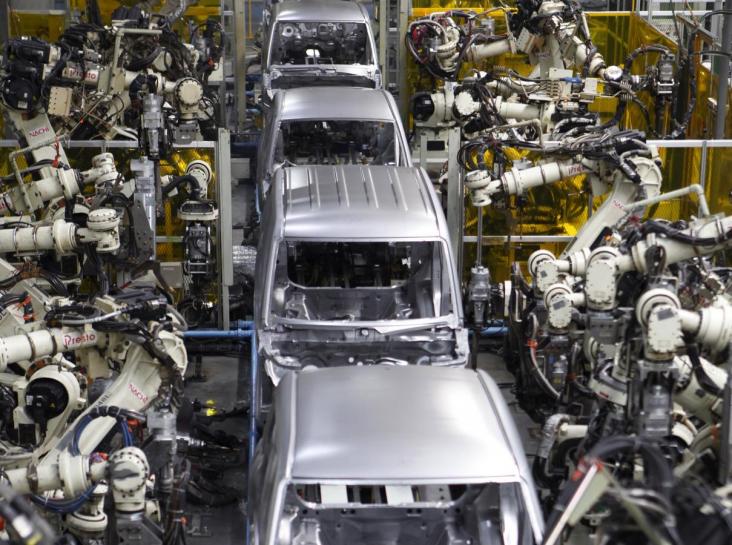
LOS ANGELES Some of the richest, smartest and most powerful humans have an important message for the rest of us as they convened this week to discuss pressing global issues: the robots are coming.
At the Milken Institute’s Global Conference in Beverly Hills, California, at least four panels so far have focused on technology taking over markets to mining — and most importantly, jobs.
“Most of the benefits we see from automation is about higher quality and fewer errors, but in many cases it does reduce labor,” Michael Chui, a partner at the McKinsey Global Institute, said on Tuesday during a panel on “Is Any Job Truly Safe?”
Preparing for the Future of Artificial Intelligence
Today, we’re announcing a new series of workshops and an interagency working group to learn more about the benefits and risks of artificial intelligence.
There is a lot of excitement about artificial intelligence (AI) and how to create computers capable of intelligent behavior. After years of steady but slow progress on making computers “smarter” at everyday tasks, a series of breakthroughs in the research community and industry have recently spurred momentum and investment in the development of this field.
Today’s AI is confined to narrow, specific tasks, and isn’t anything like the general, adaptable intelligence that humans exhibit. Despite this, AI’s influence on the world is growing. The rate of progress we have seen will have broad implications for fields ranging from healthcare to image- and voice-recognition. In healthcare, the President’s Precision Medicine Initiative and the Cancer Moonshot will rely on AI to find patterns in medical data and, ultimately, to help doctors diagnose diseases and suggest treatments to improve patient care and health outcomes.
Why Machine Vision Is Flawed in the Same Way as Human Vision
AI you’re only as good as the eye of your creator.
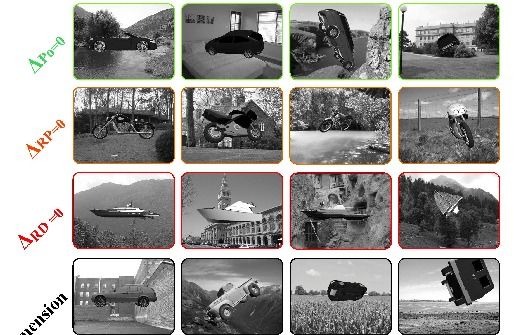
Humans and machines both use neural networks for object and face recognition. Now evidence is emerging that both types of vision are flawed in the same way.

A Computer Was Programmed to Write a Novel, This Is What It Wrote
I had thought my job was safe from automation—a computer couldn’t possibly replicate the complex creativity of human language in writing or piece together a coherent story. I may have been wrong. Authors beware, because an AI-written novel just made it past the first round of screening for a national literary prize in Japan.
The novel this program co-authored is titled, The Day A Computer Writes A Novel. It was entered into a writing contest for the Hoshi Shinichi Literary Award. The contest has been open to non-human applicants in years prior, however, this was the first year the award committee received submissions from an AI. Out of the 1,450 submissions, 11 were at least partially written by a program.
Here’s a except from the novel to give you an idea as to what human contestants were up against:
SuperFlex’s lightweight exosuit will put a spring in your step
Cool. I run and walk everyday and each time, I tear up my left shin and ankle. I am ready for this technology.
The SuperFlex exosuit is made from a lightweight flexigrip material that keeps robotic muscles, sensors and processors in place.

A Tesla Model S equipped with a robotic arm for your wheelchair [Video]
A Germany-based company, Paravan, is a leader in the electric wheelchair market and related accessories to adapt vehicles for people with disabilities. While they mostly work with vans and trucks, their latest product makes almost any car with enough trunk space extremely practical for someone using a wheelchair.
They installed it in a Tesla Model S to illustrate the functionalities of the product and the range of vehicles it can be installed on.
A robotic arm, called Robot 3000, can automatically lift a wheelchair (up to 25 kg – 55 lbs) from the trunk of a vehicle, then it moves the chair to the driver’s side and extends it all the way to the driver’s door.
School’s in session — Nvidia’s driverless system learns
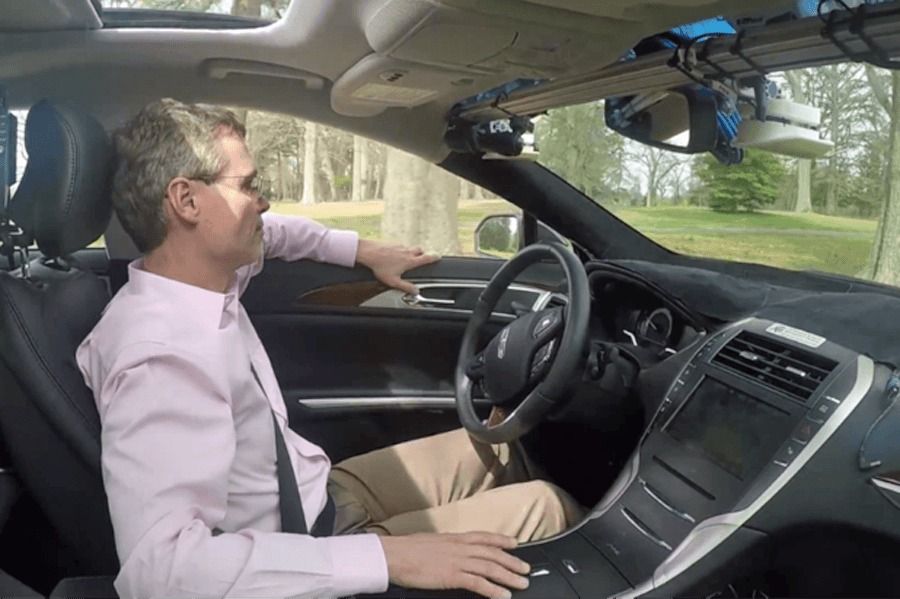
After spending 72 hours watching human drivers, Nvidia’s GPU-based computers were able to construct a road-worthy driverless car system.