Deep Learning and Machine Learning: Get the most out of your training and scoring, and algorithms and frameworks on Intel® architecture.

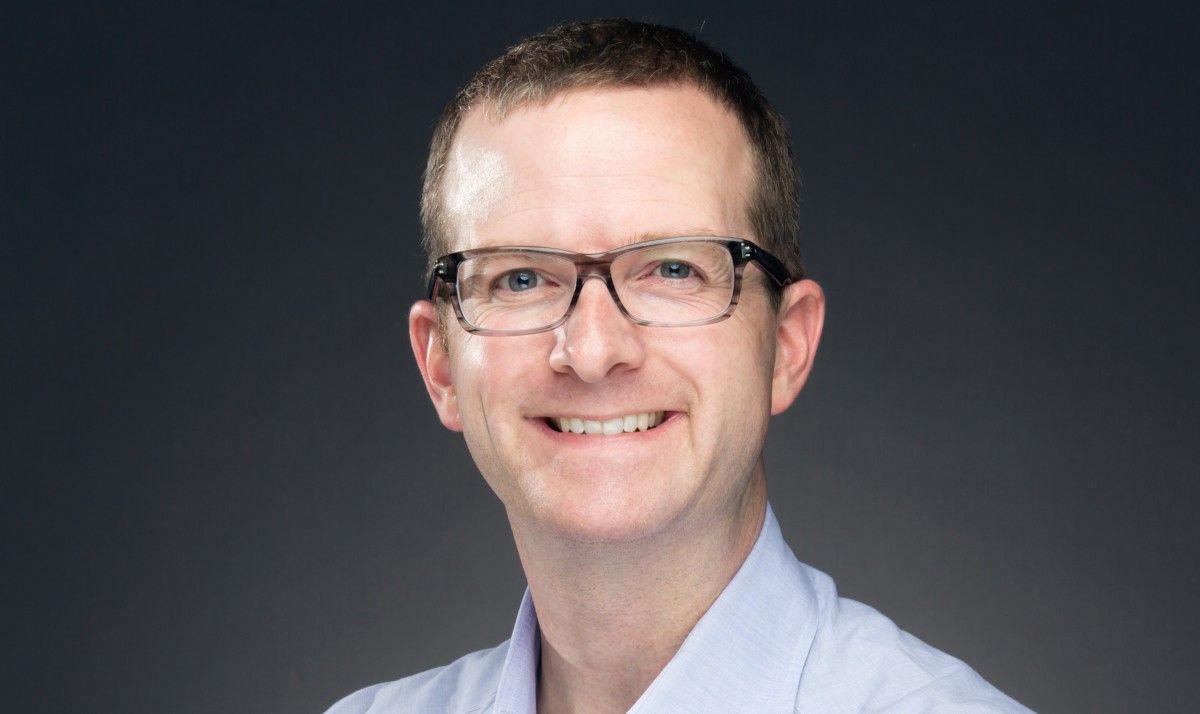
Earlier this year at Facebook’s F8 conference, the company revealed three innovation pillars that make up the company’s ten-year vision: connectivity, artificial intelligence (AI), and virtual reality (VR). Facebook’s Chief Technology Officer Mike Schroepfer is responsible for leading each of them. Despite the fact that the vision is ten-years in duration, the company has made significant progress in each.
Facebook’s progress in AI can been seen in everything from the company’s news feed to the way in which people are tagged. The virtual reality innovations are best demonstrated through the Oculus Rift, which I demo’d last Thursday. More recently, the company made a great flight forward on the connectivity pillar as Acquila, a long-endurance plane that will fly above commercial aircraft and the weather, took flight in Arizona. The goal is for this v-shaped aircraft that has a wingspan longer than a Boeing 737, but weighs under 1,o00 pounds to bring basic internet access to the developing world.
I met with Schroepfer at Facebook’s headquarters in Menlo Park, and we discussed these three pillars and a variety of other topics, including the company’s recruiting methods, how the company maintains its innovative edge, and the logic behind its headquarters — one of the largest open-space offices in the world.

One more of these; we may see government step in at the consumer’s urging.
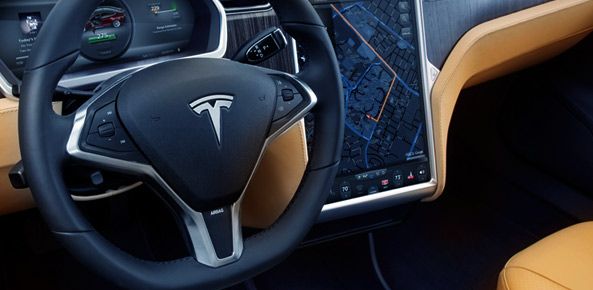
Nobody was killed or even injured. But a minor accident involving a Tesla Model S running on Autopilot in China is again raising questions about exactly how the feature works.
The electric car company said Wednesday that it is investigating the Aug. 2 incident. The driver’s Tesla sideswiped a Volkswagen that was parked halfway in the lane of a busy Beijing highway. The company said Autopilot was engaged and the driver was not holding the steering wheel.
But the driver, Luo Zhen, claimed he was misled by Tesla. He told the Reuters news agency that Tesla salespeople described Autopilot as a “self-driving” system. On a test drive, he said “the demonstrator took his hands off the steering wheel and took his feet off the accelerator and the brake.”
Video games. The last i heard AI had been up to playing and Mastering Atari 2600 games, and that was a few years ago. Figured it was only a matter of time til they started playing around with current gen stuff.
Neural net driving in GTAV — View all crizcraig’s Rockstar Editor videos at http://socialclub.rockstargames.com/member/crizcraig
Hey Boston Dynamics why don’t you team up with D-Wave and/ or Google’s QC work in building your advance robot because everyone knows that the real magic in robotics and other AI isn’t going to be realized until QC is implemented as part of the under lying technology.
Boston Dynamics is an engineering company that specializes in building dynamic robots and software for human simulation. You know doubt know of them from the many videos they produce. One of the more recent ones is below:
Currently a wholly owned subsidiary of Google, Inc. Began as a spin-off from the Massachusetts Institute of Technology, where National Academy of Engineering member Marc Raibert and his colleagues first developed robots that ran and maneuvered like animals. They founded the company in 1992, and their ground-breaking work continues to inspire the work.
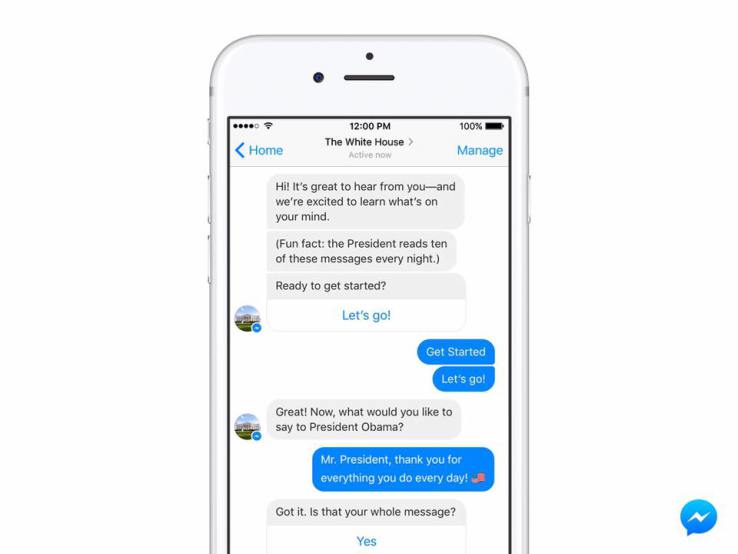
“Sending a letter to the White House is getting a digital upgrade … In addition to accepting hand-written missives by postal mail and emails, the public can now send a note to President Obama via Facebook.”