New algorithms show how very simple robots can be made to work together as a group.
- By Ben Rollins, Quanta Magazine on February 18, 2018

New algorithms show how very simple robots can be made to work together as a group.

Intel and Researchers from Heidelberg and Dresden present three new neuromorphic chips.
Researchers from Heidelberg University and TU Dresden, together with Intel Corporation, will reveal three new neuromorphic chips during the NICE Workshop 2018 in the USA. These chips have an extraordinary ability: They are able to mimic important aspects of biological brains by being energy efficient, resilient and able to learn. These chips promise to have a major impact on the future of artificial intelligence. Computers are many times faster than humans in solving arithmetical problems, yet they have thus far been no match when it comes to the analytic ability of the brain. Up until now, computers have not been able to continually learn and can therefore not improve themselves. The two European chips were developed in close collaboration with neuroscientists as part of the Human Brain Project of the European Union. NICE 2018 will be held from 27 February until 1 March on the Intel Campus in Hillsboro/Oregon.
Dr Johannes Schlemmel from the Kirchhoff Institute for Physics at Heidelberg University will present prototypes of the new BrainScaleS chip. BrainScaleS has a mixed analogue and digital design and works 1,000 to 10,000 times faster than real time. The second generation neuromorphic BrainScaleS chip has freely programmable on-chip learning functions as well as an analogue hardware model of complex neurons with active dendritic trees, which – based on nerve cells – are especially valuable for reproducing the continual process of learning.
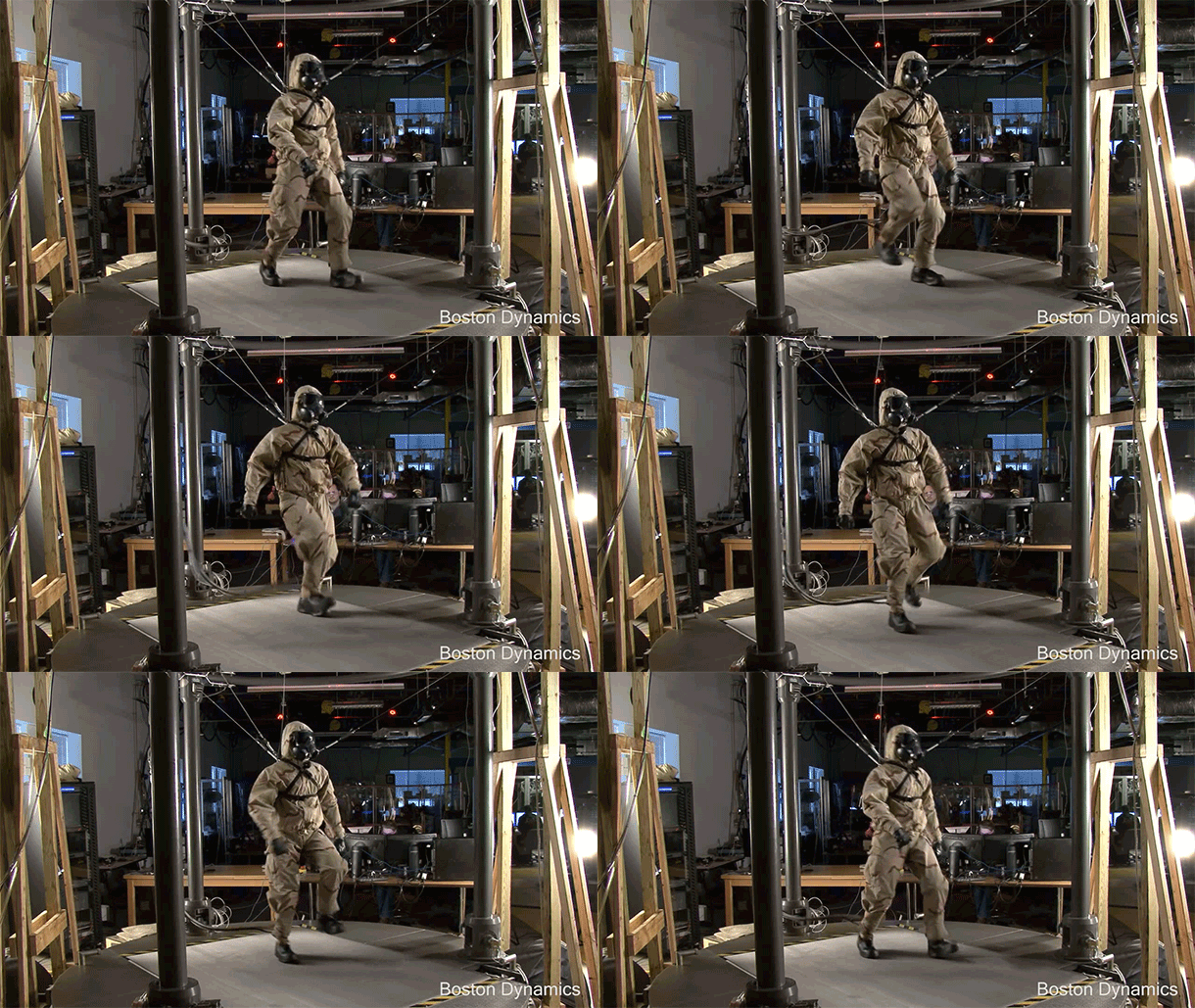
Dr Ian Pearson, a leading futurologist from Ipswich, claims that if people can survive until 2050 they could live forever thanks to advances in AI, android bodies and genetic engineering.

AI and blockchain, the main innovations in #Longevity, are united in DAYS.exchange platform.
DAYS tokens are to be sort of guarrantee for longevity services effectiveness.
DAYS.exchange partner supported Longevity Impact Forum.
The first step to rhe most effective healthcare, based on blockchain consensus regarding health span technologies.
Thanks omar fogliadini, ondřej pilný, ben kraus, alex lightman, avi roy, liz parrish, george kyriakos sergei sevriugin edgar kampers kirill zhukov philippe van nedervelde anton dziatkovskii darr aita.

“Of the ten most valuable quoted companies in the world, seven say they have plans to put deep-learning-based AI at the heart of their operations.”

“The last few years have seen a wide range of reports from governments, think tanks, consultancies and academics exploring how the future of work might look. Many of these have revolved around the impact technology, and especially AI, might have on how (and indeed whether) we work.
The latest effort, from Bain’s Macro Trends Group, takes a slightly broader view and examines not just the technological landscape but also demographic and economic forces.”
Last year saw a historic first: an exercise in which an unmanned vehicle provided live covering fire for American troops.
In a historic first, the Army conducted a live fire exercise with a remote-controlled ground combat vehicle armed with a .50-caliber machine gun. It plans to conduct more exercises with more heavily armed ground robots within the next couple of years.
The demonstration was part of the annual Northern Strike exercise, which took place last July and August at Michigan’s Camp Grayling. Primarily geared toward reserve units, this year’s event debuted an unmanned, heavily armed M113 armored personnel carrier. The driver and the weapons operator followed behind in a slightly larger M577 command post vehicle.
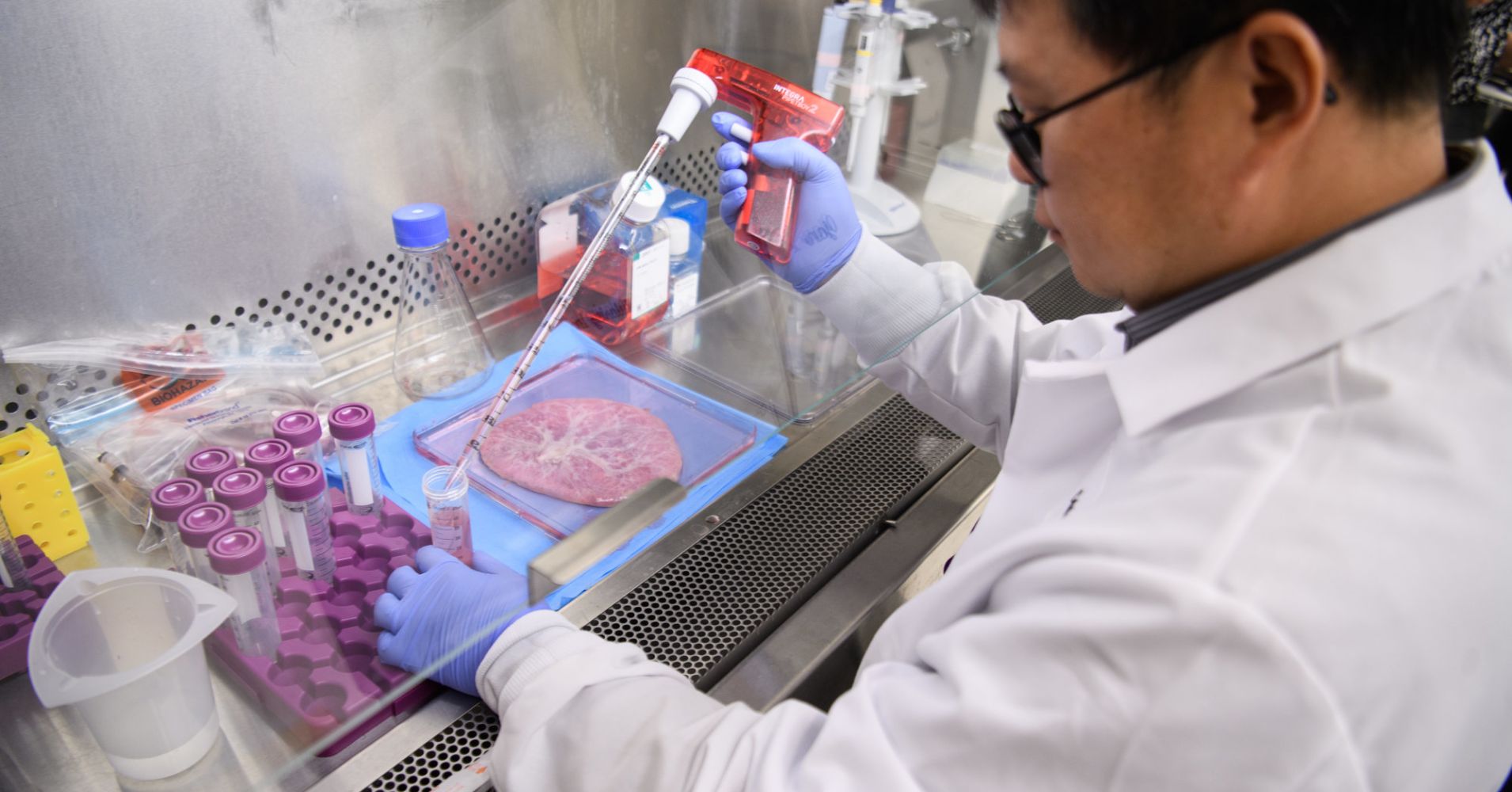
Longevity become hottest object for investments;
Startup founded 5 moths ago just raised $250 million.
The start-up, which launched in September and is headquartered in Warren, N.J., announced Thursday it has raised $250 million in venture capital from global biopharmaceutical company Celgene, biotechnology company United Therapeutics Corporation, biopharmaceutical company Sorrento Therapeutics, DNA sequencing and machine learning company Human Longevity, Inc.
Its biological “Band-Aids” are used to accelerate the treatment of wounds and burns resulting from injury or any manner of reconstructive surgery, and its injectable stem cell products can accelerate the repair of a tissue or organ. These restorative products cost from a few hundred to a few thousand dollars per unit, according to Hariri. Celularity bought its stem cell bandage business earlier in January when it acquired Alliqua BioMedical for $29 million.
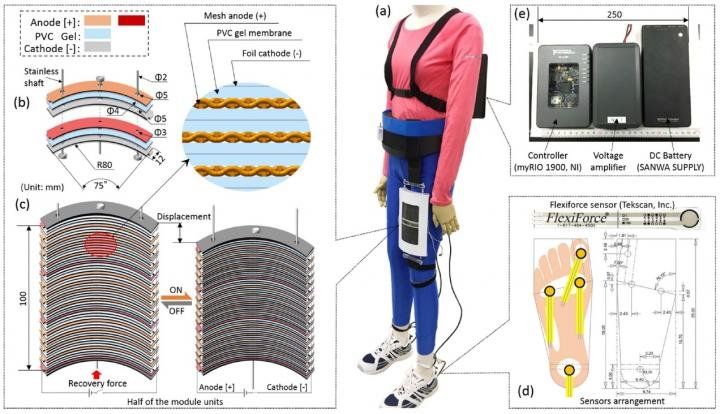
A collaborative research team has designed a wearable robot to support a person’s hip joint while walking. The team, led by Minoru Hashimoto, a professor of textile science and technology at Shinshu University in Japan, published the details of their prototype in Smart Materials and Structures, a journal published by the Institute of Physics.
“With a rapidly aging society, an increasing number of elderly people require care after suffering from stroke, and other-age related disabilities. Various technologies, devices, and robots are emerging to aid caretakers,” wrote Hashimoto, noting that several technologies meant to assist a person with walking are often cumbersome to the user. “[In our] current study, [we] sought to develop a lightweight, soft, wearable assist wear for supporting activities of daily life for older people with weakened muscles and those with mobility issues.”
The wearable system consists of plasticized polyvinyl chloride (PVC) gel, mesh electrodes, and applied voltage. The mesh electrodes sandwich the gel, and when voltage is applied, the gel flexes and contracts, like a muscle. It’s a wearable actuator, the mechanism that causes movement.