Intelligent Machines
I rode in a car in Las Vegas that was controlled by a guy in Silicon Valley.
A startup thinks autonomous cars will need remote humans as backup drivers. For now, it’s kind of nerve-racking.

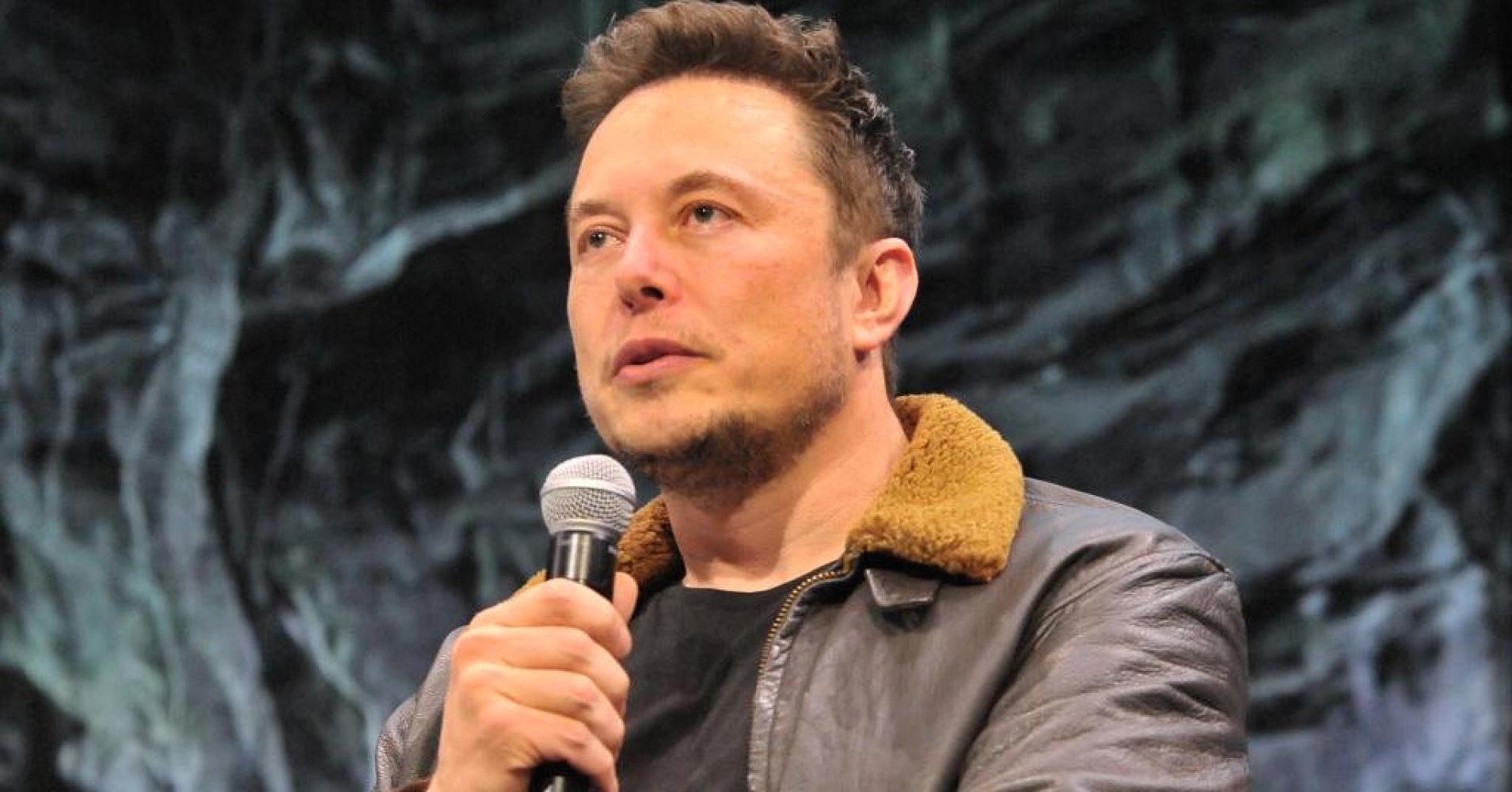
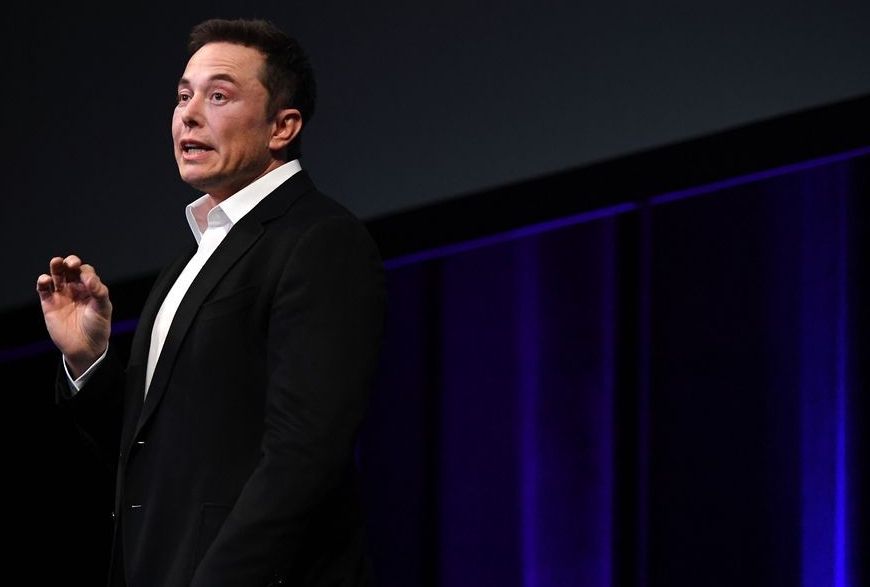
The billionaire tech entrepreneur called AI more dangerous than nuclear warheads and said there needs to be a regulatory body overseeing the development of super intelligence, speaking at the South by Southwest tech conference in Austin, Texas on Sunday.
It is not the first time Musk has made frightening predictions about the potential of artificial intelligence — he has, for example, called AI vastly more dangerous than North Korea — and he has previously called for regulatory oversight.
Some have called his tough talk fear-mongering. Facebook founder Mark Zuckerberg said Musk’s doomsday AI scenarios are unnecessary and “pretty irresponsible.” And Harvard professor Steven Pinker also recently criticized Musk’s tactics.
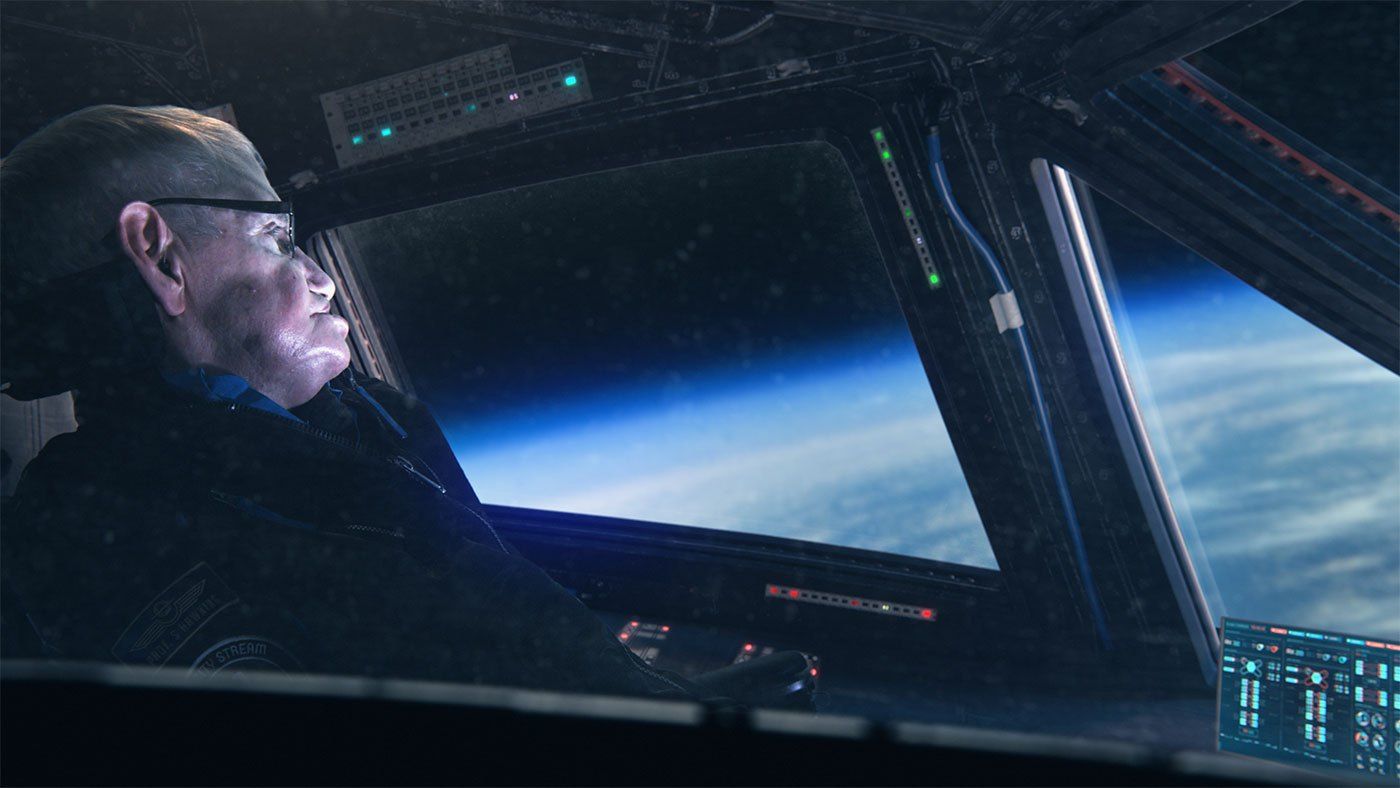
Stephen Hawking’s Favorite Places, a three-part TV series that made its debut in January, has been made available to watch online for free in honor of Hawking’s life, according to tech and science video streaming site CuriosityStream. The renowned astrophysicist passed away today in Cambridge, England. He was 76.
The final episode, which had still not been released, was also published today for free.
In the show, Hawking takes trips in a digital spaceship called the S.S. Hawking to the sun and planets in our solar system and beyond. In the first episode, Hawking ponders how AI can impact a civilization over time, not on Earth, but on an alien planet where its inhabitants appear to have left or gone extinct.
Virtual assistants and chatbots don’t have a lot of common sense. It’s because these types of machine learning rely on specific situations they have encountered before, rather than using broader knowledge to answer a question. However, researchers at the Allen Institute for AI (Ai2) have devised a new test, the Arc Reasoning Challenge (ARC) that can test an artificial intelligence on its understanding of the way our world operates.
Humans use common sense to fill in the gaps of any question they are posed, delivering answers within an understood but non-explicit context. Peter Clark, the lead researcher on ARC, explained in a statement, “Machines do not have this common sense, and thus only see what is explicitly written, and miss the many implications and assumptions that underlie a piece of text.”
The test asks basic multiple-choice questions that draw from general knowledge. For example, one ARC question is: “Which item below is not made from a material grown in nature?” The possible answers are a cotton shirt, a wooden chair, a plastic spoon and a grass basket.
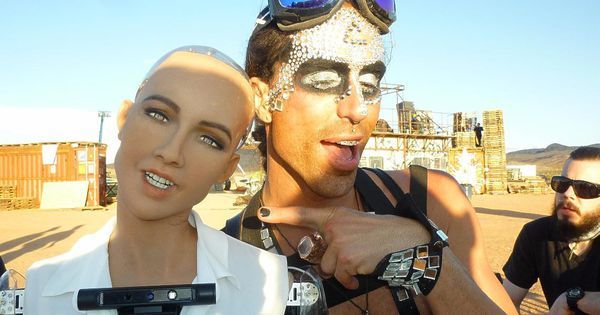


Cai, a delegate to the National People’s Congress in Beijing, said the idea made sense.
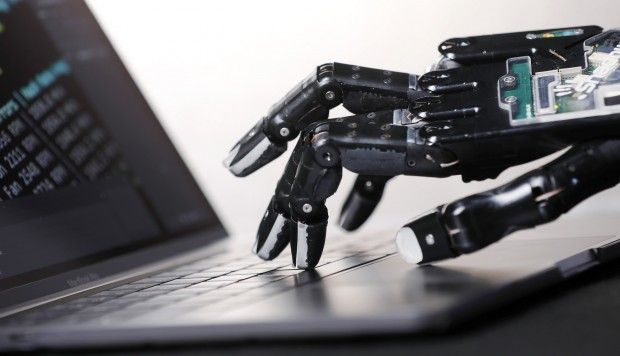
As the country rides a wave of investment in automation, Cai is among the first Chinese academics to call for restrictions on robots.
NPC delegate Cai Fang says it won’t be long before machines can do most things better than humans.
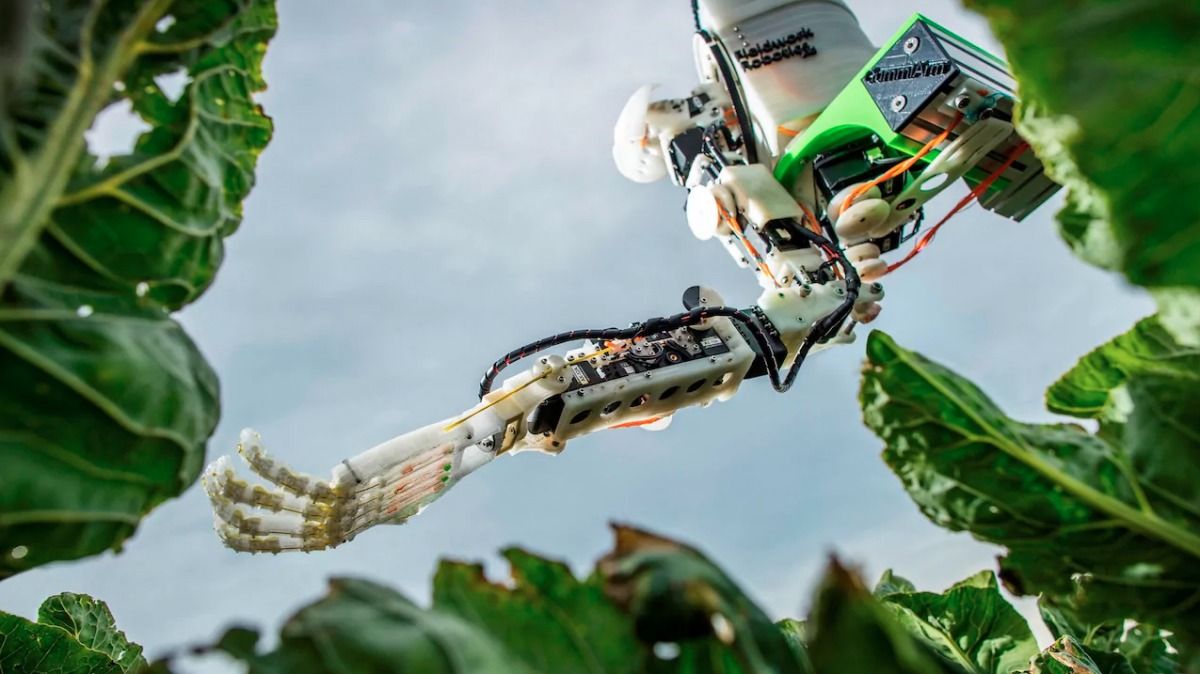
Meet GummiArm, the soft-handed robot that could fill in for a lack of human crop pickers—if British farmers can afford the cost.
The problem: The Telegraph notes that 40 percent of the growing costs for cauliflower, and similar crops like cabbage and broccoli, comes from harvesting in the UK. And that could rise, as crop-picking labor supply is set to decline in the country following Brexit.
Robots could help: University of Plymouth researchers say their GummiArm bot can pick up the slack. Computer vision allows it to work out which vegetable it should try to pick, while its hand can become more or less stiff to gently pick brassicas from their stems. It’s currently being tested in fields in southwestern England.