
NFIs could be the next step in the evolution of NFTs and Altered State Machine’s Artificial Intelligence Football Association could be P2E gaming’s next breakout project in 2022.
Category: robotics/AI – Page 2,012
Neuralink: Bridging The Gap Between Human & Machine
Neuralink! Also known as, Elon Musk’s other (other) project.
You’ve probably heard of Elon Musk’s plan to insert brain chips into the human brain, finally bridging the gap between human and machine. Academically, this is known as a brain-machine interface and it’s actually not that novel an idea!
In this video, I’ll refer to two key scientific studies, discuss the threat of AI technology, why Elon Musk wants to put a chip in your brain and whether or not it’s feasible.
Once you’re done watching the video, feel free to tell me in the comments whether you would ever consider getting the N1 (or whatever future iteration) chip.
Could this be the future of humanity?
Video Of The Rats & References On Substack.

Pushing The Boundaries Of AI Ethics Into The Topsy-Turvy World Of Radical Ethical AI, Potentially Exemplified Via The Use Case Of Vaunted AI-Based Self-Driving Cars
The rising visibility of Ethical AI or AI Ethics is doing great good, meanwhile some believe it isn’t enough and a semblance of embracing Radical Ethical AI is appearing. This is closely examined, including for AI-based self-driving cars.
Has the prevailing tenor and attention of today’s widely emerging semblance of AI Ethics gotten into a veritable rut? Some seem to decidedly think so.
Let’s unpack this. You might generally be aware that there has been a rising tide of interest in the ethical ramifications of AI. This is often referred to as either AI Ethics or Ethical AI, which we’ll consider herein those two monikers as predominantly equivalent and interchangeable (I suppose some might quibble about that assumption, but I’d like to suggest that we not get distracted by the potential differences, if any, for the purposes of this discussion).
AI Is Helping Scientists Explain the Brain
But what if it’s telling them a false story?
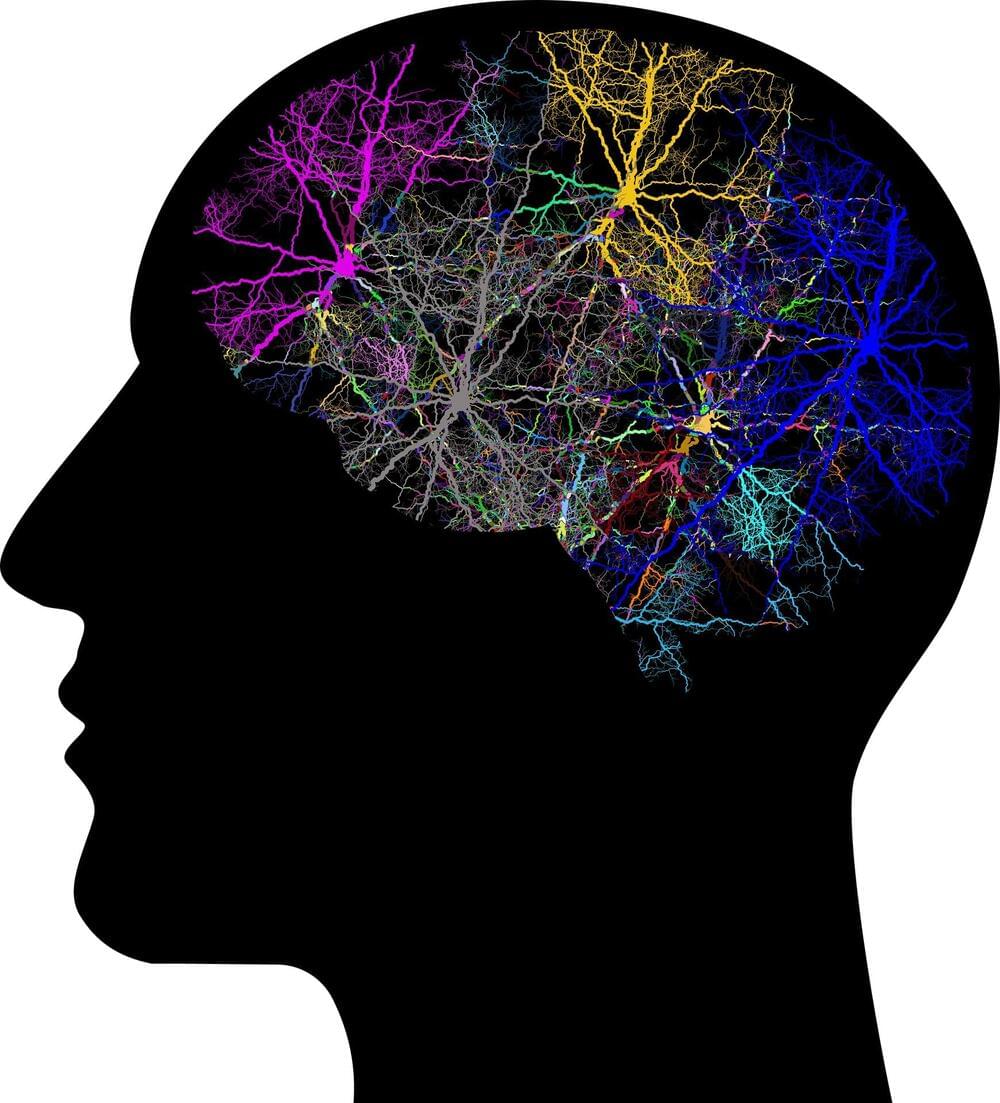
Using machine learning to understand how brain cells work
For something so small, neurons can be quite complex—not only because there are billions of them in a brain, but because their function can be influenced by many factors, like their shape and genetic makeup.
A research team led by Daifeng Wang, a Waisman Center professor of biostatistics and medical informatics and computer sciences at the University of Wisconsin–Madison, is adapting machine learning and artificial intelligence techniques to better understand how a variety of traits together affect the way neurons work and behave.
Called manifold learning, the approach may help researchers better understand and even predict brain disorders by looking at specific neuronal properties. The Wang lab recently published its findings in two studies.

Low-cost self-healing material for robotic hands and arms
Soft sensing technologies have the potential to revolutionize wearable devices, haptic interfaces, and robotic systems. However, most soft sensing technologies aren’t durable and consume high amounts of energy.
Now, researchers at the University of Cambridge have developed self-healing, biodegradable, 3D-printed materials that could be used in the development of realistic artificial hands and other soft robotics applications. The low-cost jelly-like materials can sense strain, temperature, and humidity. And unlike earlier self-healing robots, they can also partially repair themselves at room temperature.
“Incorporating soft sensors into robotics allows us to get a lot more information from them, like how strain on our muscles allows our brains to get information about the state of our bodies,” said David Hardman from Cambridge’s Department of Engineering the paper’s first author.
Robot dogs could patrol the US-Mexico border
The photos look like a scene out of science fiction: Robot dogs patrolling the US-Mexico border, climbing over harsh terrain to search for threats and contraband.
But these images are real.
The Department of Homeland Security recently released them as it revealed details about how it’s testing the technology.
DeepMind Has Trained an AI to Control Nuclear Fusion
The Google-backed AI firm taught a reinforcement learning algorithm to control the fiery plasma inside a tokamak nuclear fusion reactor.