Toggle light / dark theme

Tesla finally begins shipping ‘Full Self-Driving’ beta version 9 after a long delay

Tesla began sending out over-the-air software updates for its long-awaited “Full Self-Driving” beta version 9, the definitely-not-autonomous-but-certainly-advanced driver assist system.

As promised by Elon Musk, the software update (2021.4.18.12) began uploading after midnight on Friday, giving thousands of Tesla owners who have purchased the FSD option access to the feature, which enables drivers to use many of Autopilot’s advanced driver-assist features on local, non-highway streets.

New AI strategy enables robots to rapidly adapt to real world environments

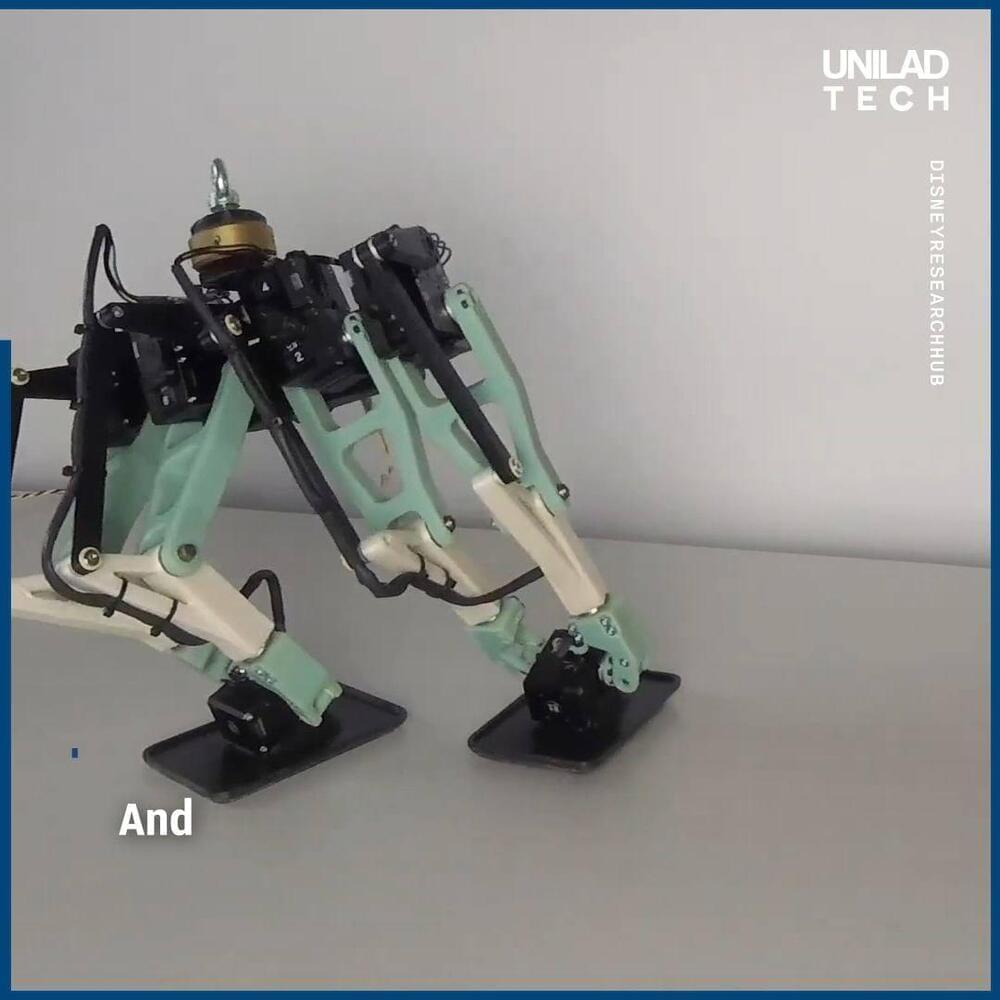
Rapid Motor Adaptation-enabled test robot traverses various types of terrain. (Images courtesy Berkeley AI Research, Facebook AI Research and Carnegie Mellon University)

Not only could the robot adjust to novel circumstances, but it could also do so in fractions of a second rather than in minutes or more. This is critical for practical deployment in the real world.

The research team will present the new AI system, called Rapid Motor Adaptation (RMA), next week at the 2021 Robotics: Science and Systems (RSS) Conference.

Researchers have taught a drone to recognize and hunt down meteorites autonomously

Planetary scientists estimate that each year, about 500 meteorites survive the fiery trip through Earth’s atmosphere and fall to our planet’s surface. Most are quite small, and less than 2% of them are ever recovered. While the majority of rocks from space may not be recoverable due to ending up in oceans or remote, inaccessible areas, other meteorite falls are just not witnessed or known about.

But new technology has upped the number known falls in recent years. Doppler radar has detected meteorite falls, as well as all-sky camera networks specifically on the lookout for meteors. Additionally, increased use of dashcams and security cameras have allowed for more serendipitous sightings and data on fireballs and potential meteorite falls.

A team of researchers is now taking advantage of additional technology advances by testing out drones and machine learning for automated searches for small meteorites. The drones are programmed to fly a grid search pattern in a projected “strewn field” for a recent meteorite fall, taking systematic pictures of the ground over a large survey area. Artificial intelligence is then used to search through the pictures to identify potential meteorites.

Dating AI Robots, with Elon Musk & Boston Dynamics

A Dangerous AI and Robot Dance, with Elon Musk, Tom Scott & Pissbot (aka Boston Dynamics’ Spot).

We’re new to youtube, so comments and subs are really helpful.

Tom Scott’s video about grocery store robots: https://youtu.be/ssZ_8cqfBlE

Michael Reeves teaches Boston Dynamics’ robot dog spot to pee beer: https://youtu.be/tqsy9Wtr1qE

Microscopic robots, Itai Cohen, Cornell University: https://youtu.be/Wl6uw8dRrPA

Robot chair dance, Mattias Lindström (Swebounce): https://youtu.be/m7NxnPbOZFE

Harnessing AI to Discover New Drugs: Rewriting the Rulebook for Pharmaceutical Research

Artificial intelligence (AI) is able to recognize the biological activity of natural products in a targeted manner, as researchers at ETH Zurich have demonstrated. Moreover, AI helps to find molecules that have the same effect as a natural substance but are easier to manufacture. This opens up huge possibilities for drug discovery, which also has potential to rewrite the rulebook for pharmaceutical research.

Nature has a vast store of medicinal substances. “Over 50 percent of all drugs today are inspired by nature,” says Gisbert Schneider, Professor of Computer-Assisted Drug Design at ETH Zurich. Nevertheless, he is convinced that we have tapped only a fraction of the potential of natural products. Together with his team, he has successfully demonstrated how artificial intelligence (AI) methods can be used in a targeted manner to find new pharmaceutical applications for natural products. Furthermore, AI methods are capable of helping to find alternatives to these compounds that have the same effect but are much easier and therefore cheaper to manufacture.

And so the ETH researchers are paving the way for an important medical advance: we currently have only about 4000 basically different medicines in total. In contrast, estimates of the number of human proteins reach up to 400000, each of which could be a target for a drug. There are good reasons for Schneider’s focus on nature in the search for new pharmaceutical agents. “Most natural products are by definition potential active ingredients that have been selected via evolutionary mechanisms,” he says.

Stumble-proof robot adapts to challenging terrain in real time

Robots have a hard time improvising, and encountering an unusual surface or obstacle usually means an abrupt stop or hard fall. But researchers have created a new model for robotic locomotion that adapts in real time to any terrain it encounters, changing its gait on the fly to keep trucking when it hits sand, rocks, stairs and other sudden changes.

Although robotic movement can be versatile and exact, and robots can “learn” to climb steps, cross broken terrain and so on, these behaviors are more like individual trained skills that the robot switches between. Although robots like Spot famously can spring back from being pushed or kicked, the system is really just working to correct a physical anomaly while pursuing an unchanged policy of walking. There are some adaptive movement models, but some are very specific (for instance this one based on real insect movements) and others take long enough to work that the robot will certainly have fallen by the time they take effect.

The team, from Facebook AI, UC Berkeley and Carnegie Mellon University, call it Rapid Motor Adaptation. It came from the fact that humans and other animals are able to quickly, effectively and unconsciously change the way they walk to fit different circumstances.

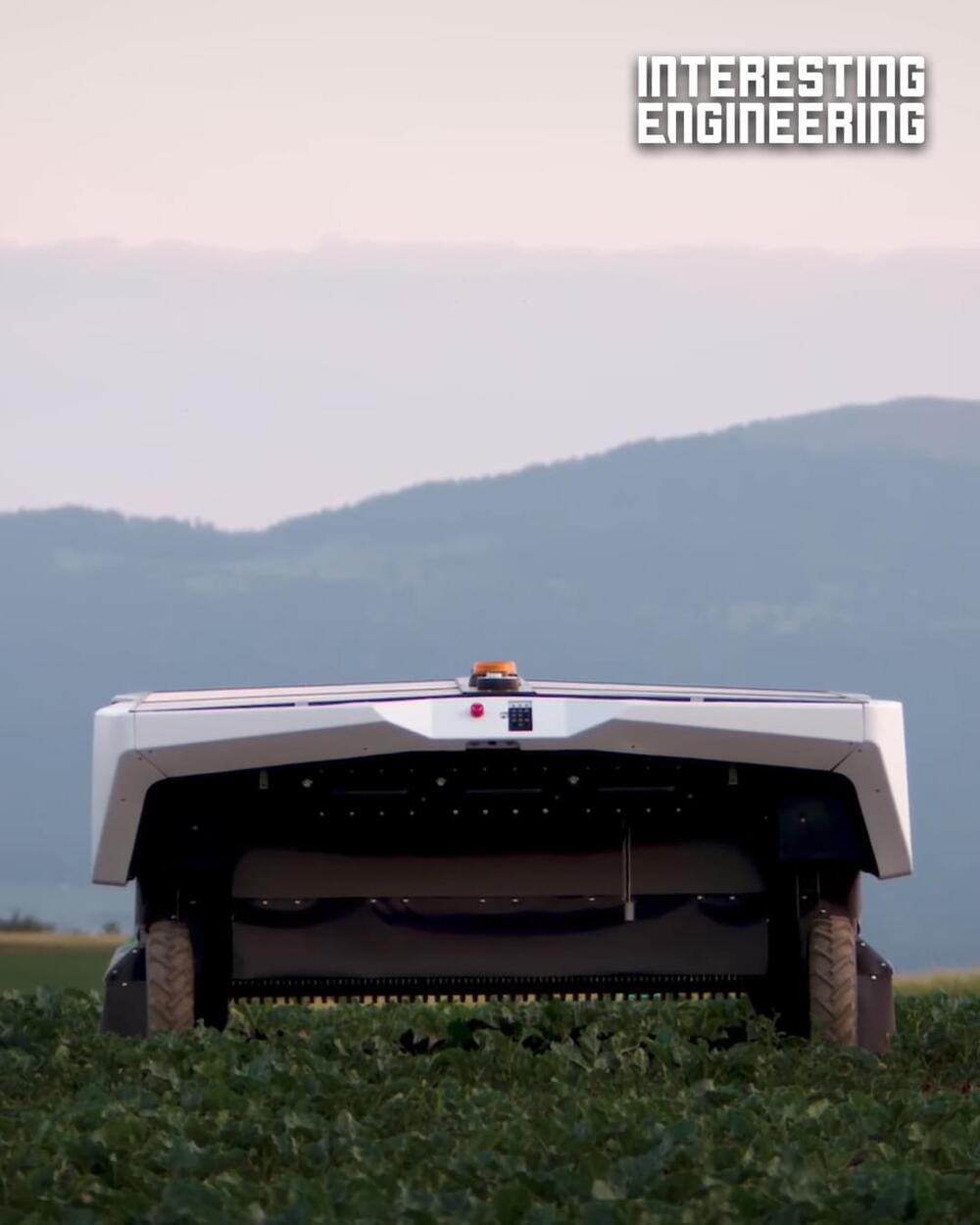
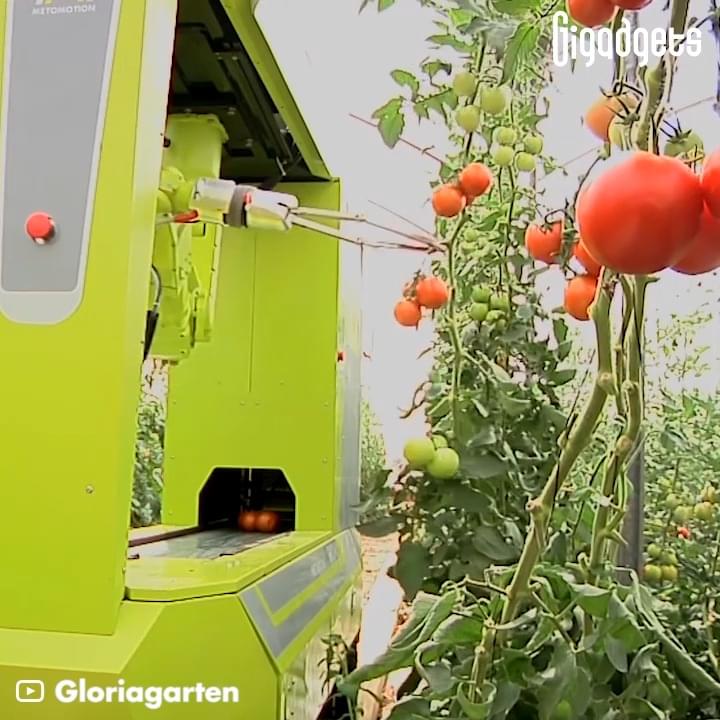
Australia’s First Fully Automated Smart Farm Will Use Only Robots For Field Work

The smart farm: To show just how much these technologies could help farmers, CSU and Food Agility have partnered to create the Global Digital Farm (GDF).

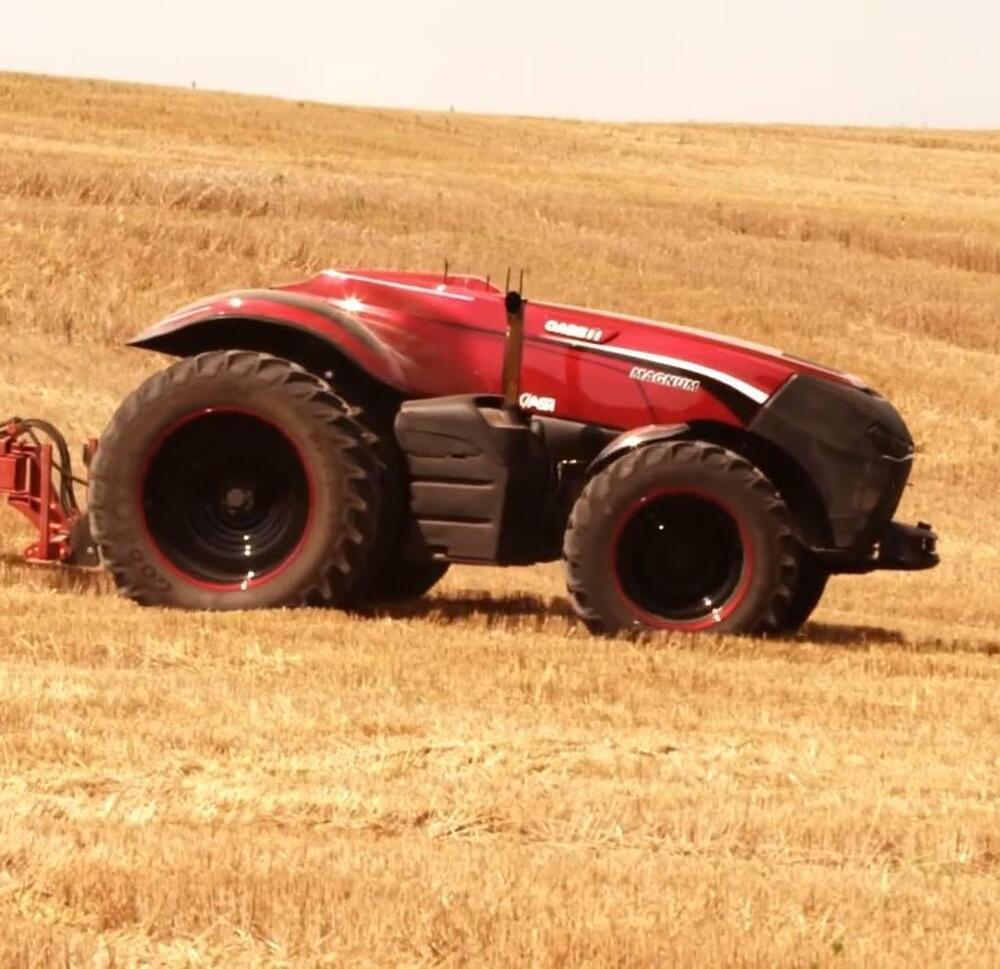
The smart farm will be built at CSU’s Wagga Wagga campus, and it will feature autonomous tractors, harvesters, and other farming robots, as well as AI programs designed to help with farm management and more.

Teachable moments: The plan isn’t for the GDF to simply demonstrate what a smart farm can look like — CSU and Food Agility want to use it to teach Australia’s farmers how to take advantage of all the tech that will be on display.

/* */