
Scientists used stem cells to grow a miniature model of a Neanderthal’s brain for the first time. The tiny blob of neurons reveals what makes us different.
Category: neuroscience – Page 1,389
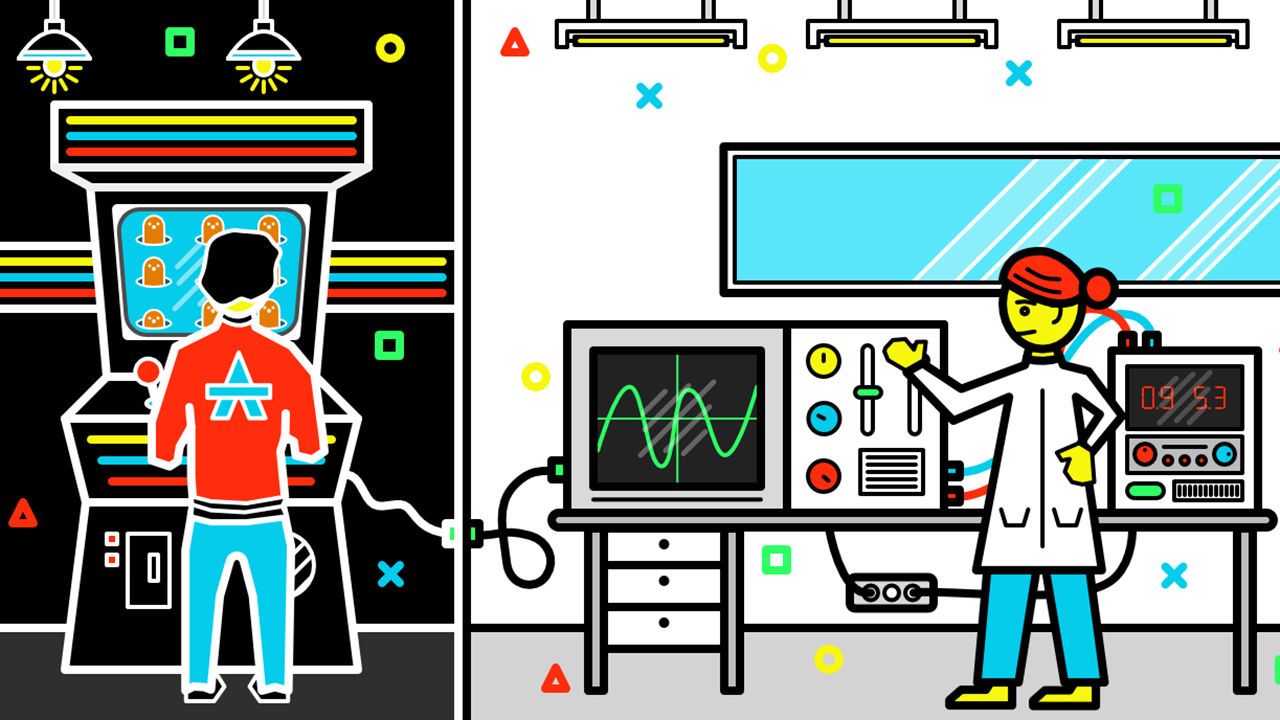
Can science-based video games help kids with autism?
An expanding arcade of video games takes aim at easing autism traits, from poor visual attention to problems with motor skills, but the evidence of the games’ effectiveness remains limited.

Report finds only 35% of Canadian youth get the physical activity recommended for brain health
Only 35 per cent of five- to 17-year-olds and 62 per cent of children ages 3 and 4 are getting the recommended physical-activity levels for their age group (Editor’s note: around 60 minutes of moderate-to-vigorous physical activity daily, including vigorous-intensity activity on at least 3 days per week) and that this may be having an impact on the health of their brains.
___ Getting kids outside and active could help with brain health: Participaction report (The Globe and Mail): The physical benefits of kids leading an active lifestyle, including better heart heal…
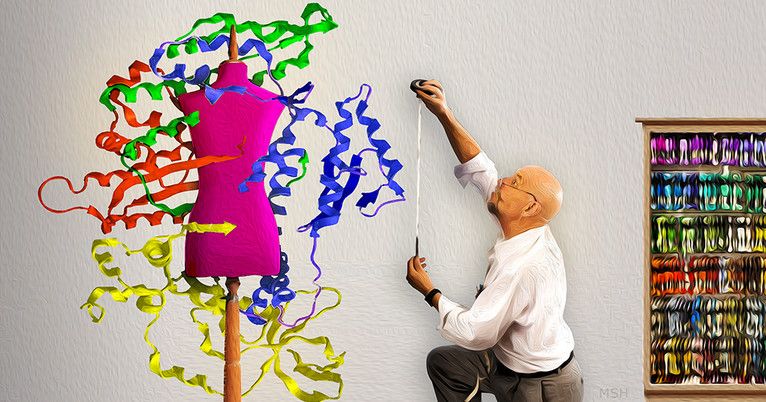
New platform will help create designer human proteins in the lab
A group of researchers from Yale University and Agilent Technologies have developed a #syntheticbiology technique that turns bacterium E. Coli into a phosphorylated protein factory capable of churning out every known instance of this modification in human proteins.
Proteins, the end product of genes, carry out life functions. Most human proteins are modified by a process called serine phosphorylation — a chemical switch that can alter their structure and function. Malfunctions in this process have been implicated in diseases such as cancer and Alzheimer’s yet are difficult to detect and study. A group of researchers from Yale University and Agilent Technologies have developed a synthetic biology technique that turns bacterium E. Coli into a phosphorylated protein factory capable of churning out every known instance of this modification in human proteins.
“We synthesized over 110,000 phosphoproteins from scratch and we can now study how they all function together,” said Jesse Rinehart, associate professor of cellular and molecular physiology at the Systems Biology Institute and senior author of the research. “This is the future of scientific research — we can build everything we study.”
Previously, researchers were only able to create a single phosphoprotein at a time. The new platform will help scientists create designer proteins by studying the impact of phosphorylation on all potential protein interactions, the authors say. “Biologists want to know which proteins interact with each other because diseases can arise when these interactions go wrong,” said Karl Barber, a Yale graduate student who is the first author on the study and a recently named Schmidt Science Fellow.

Keystone Virus Makes Jump From Mosquitoes To Human For First Time
The first known human case of the virus was identified in a Florida teen after a year of tests. Known symptoms include fever and a severe rash, but it’s unclear if it causes brain inflammation.
Electronic Skin Lets Amputees Feel Pain Through Their Prosthetics
I felt my hand, as if a hollow shell, got filled with life again.”
Researchers have created e-dermis, an electronic skin that transmits sensations of pain from an amputee’s prosthetic hand to their brain.
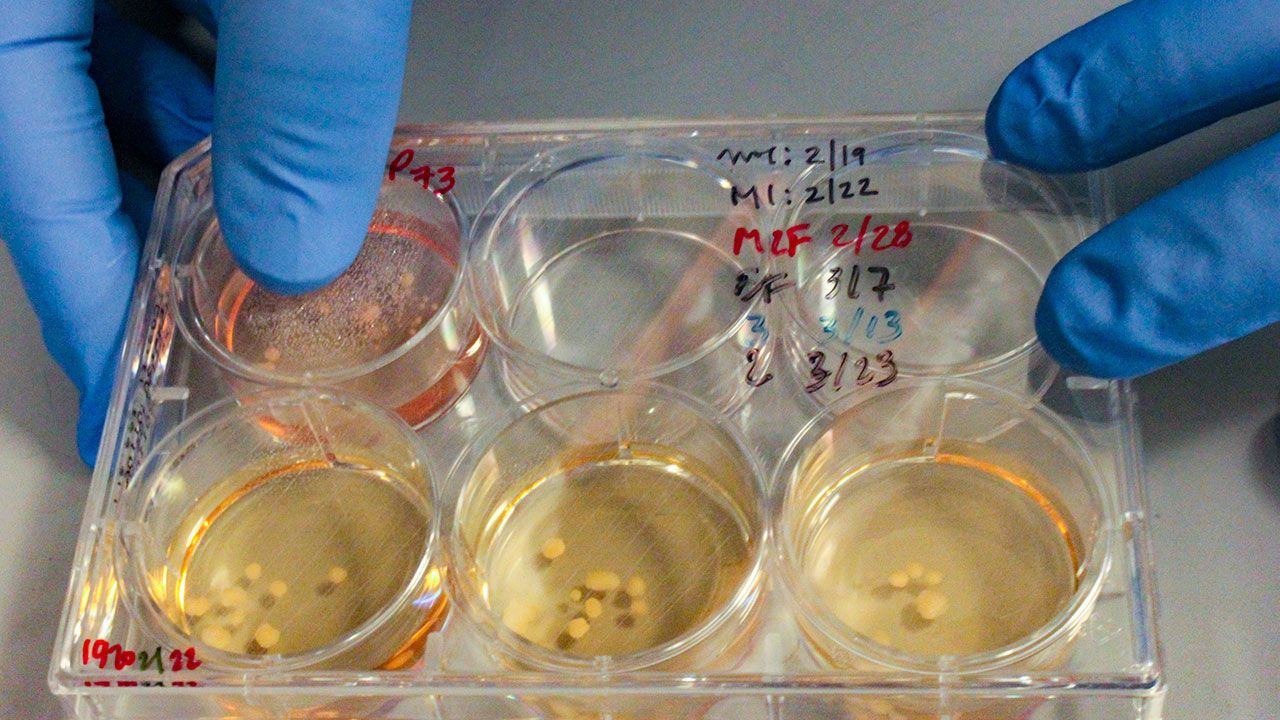
Exclusive: Neanderthal ‘minibrains’ grown in dish
Compared with brain organoids grown from ordinary human cells (top), those with a Neanderthal gene variant (bottom) differ in appearance and behavior.
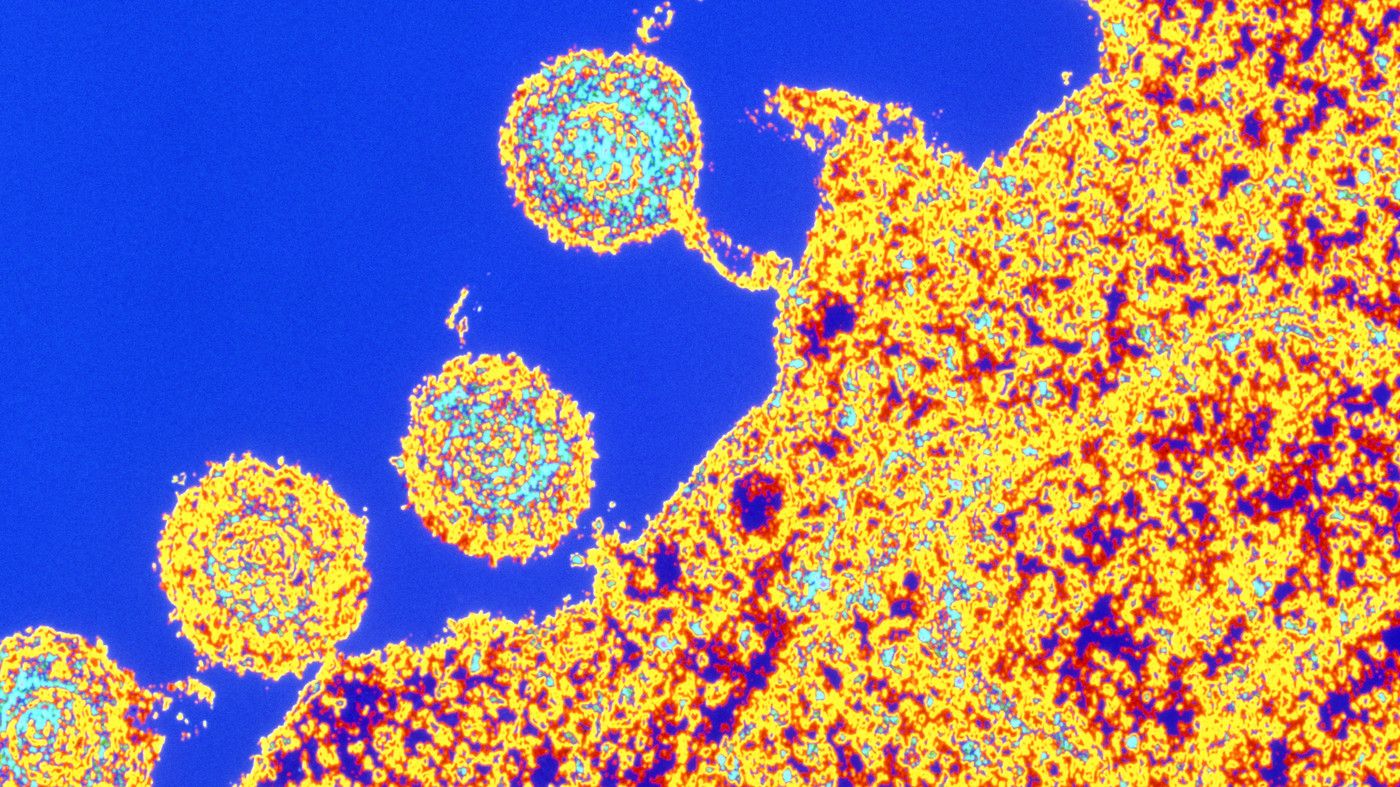
Researchers Find Herpes Viruses In Brains Marked By Alzheimer’s Disease
Herpes Viruses And Alzheimer’s: A Possible Link : Shots — Health News Two herpes viruses that cause skin rashes in toddlers may accelerate Alzheimer’s disease when they infect brain cells. The finding suggests antiviral drugs might help protect the brain.
What If We Could Communicate Directly From Brain to Brain?
Would you share your thoughts if we could communicate directly from brain to brain?
Prosthetic Memory Enhancement Is Here
This brain implant gives users prosthetic memory that can boost the brain’s short-term recall.