The research paves the way for brain implants that would translate the thoughts of people who have lost power of speech.
Ian Sample, science correspondent.

The research paves the way for brain implants that would translate the thoughts of people who have lost power of speech.
Ian Sample, science correspondent.

New research from the University of Southern California has shed light on how the decline of the brain’s vascular system precedes the build-up of the plaques and tau tangles associated with Alzheimer’s disease.
A leaky blood-brain barrier sets the scene for dementia
Traditionally, many researchers have focused their efforts on the amyloid and tau proteins that accumulate in the brain and are typical of Alzheimer’s disease progression. However, the researchers in this new study suggest that the problem begins before this due to a leaking blood-brain barrier [1].
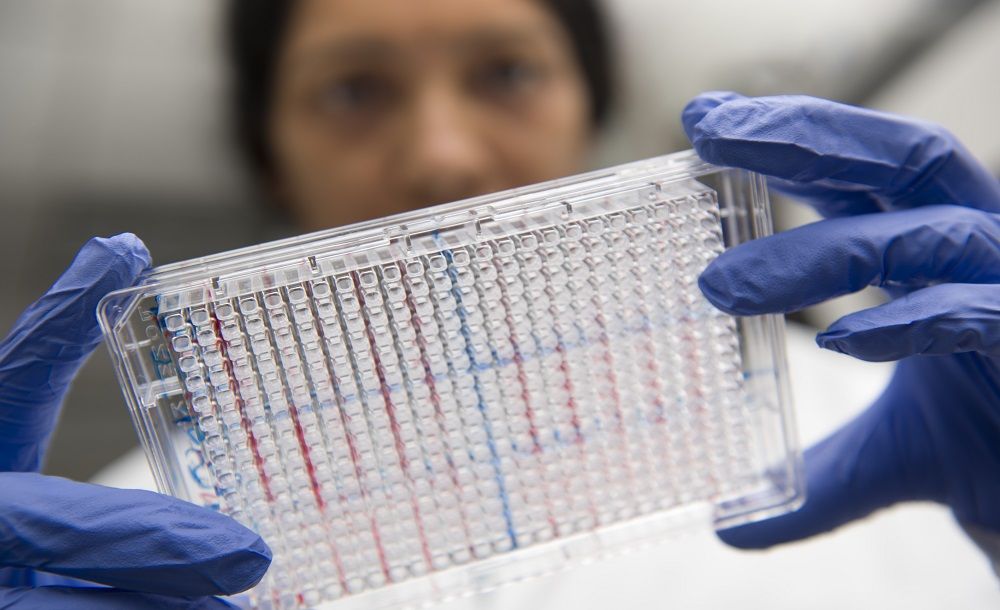
It’s been a fruitful month in the fields of life extension and medical science. Here’s an executive summary of the January reports on longevity science, life-extension treatments, telomeres, Alzheimer’s disease and various medical advances.
In brief: An executive summary of the January reports on longevity science, life-extension treatments, telomeres, Alzheimer’s disease and various medical advances. [This article first appeared on the website LongevityFacts.com. Author: Brady Hartman. ]
It’s been a fruitful month, with advancements in life-extension treatments, longevity science, telomere dynamics, dementia and various medical advances.
Here’s a look back at the 23 reports of the past month.
Part II of the Bioquark Inc. show on Grognostics — https://www.stitcher.com/podcast/grognostics/e/53166919?autoplay=true
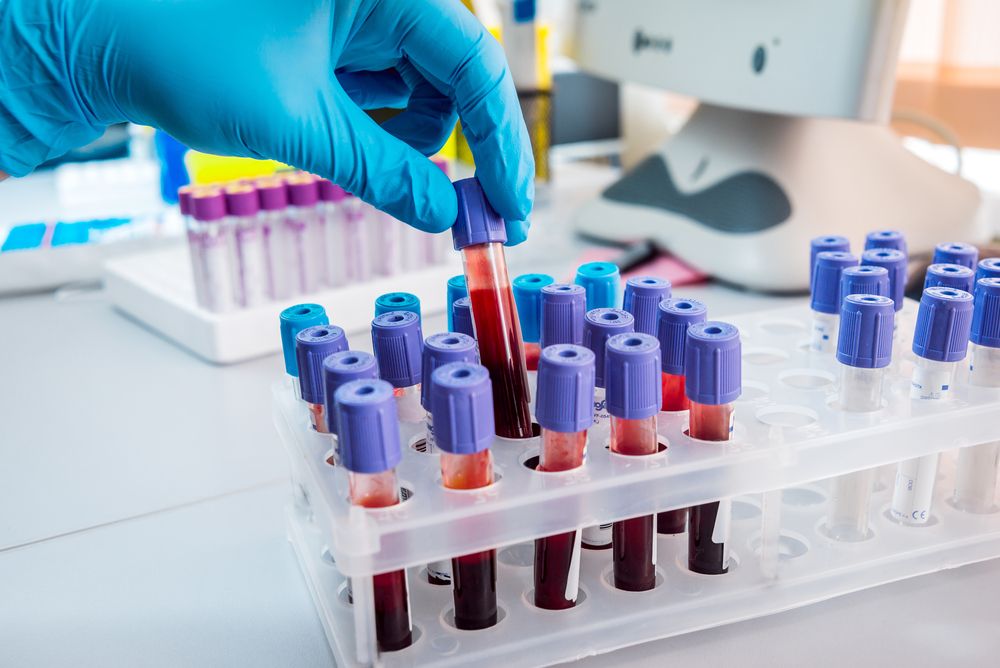
A simple technique to measure the amount of amyloid beta in the brain could improve diagnosis and drug trials for Alzheimer’s disease, according to the results of new research.
A simple blood test
Japanese researchers led by Dr. Katsuhiko Yanagisawa have published a new study suggesting that a screening test could help to boost the success rate of Alzheimer’s drug research. The research team has shown that a simple blood test can accurately measure the amount of amyloid beta, a protein that appears in the early stages of Alzheimer’s disease.
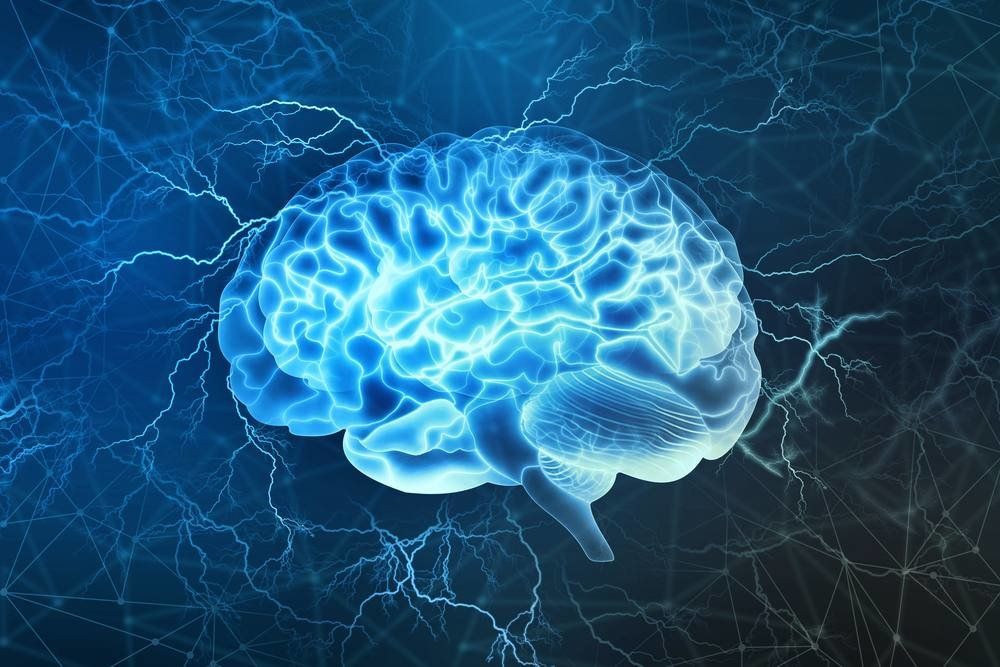
Tickling the brain with low-intensity electrical stimulation in a specific area can improve verbal short-term memory. Mayo Clinic researchers report their findings in Brain.
The researchers found word recall was enhanced with stimulation of the brain’s lateral temporal cortex, the regions on the sides of the head by the temples and ears. Patients recalled more words from a previously viewed list when low-amplitude electrical stimulation was delivered to the brain. One patient reported that it was easier to picture the words in his mind for remembering.
“The most exciting finding of this research is that our memory for language information can be improved by directly stimulating this underexplored brain area,” says Michal Kucewicz, Ph.D., a Mayo Clinic researcher in the Department of Neurology and co-first author. Dr. Kucewicz compares the stimulation to “tickling” the brain.

Researcher Dr. Dena Dubal, from the University of California San Francisco, is considering a new approach to combat neurodegenerative diseases, such as Alzheimer’s disease and dementia, using a protein known as klotho.
Aging is the foundation of age-related diseases
Instead of trying to understand each of these diseases and the complex mechanisms unique to both, she considered what all these conditions have in common; the answer, of course, is aging.