
Using computational models of individual brains could shed light on how brain stucture affects how we perform language-related tasks.
Category: neuroscience – Page 1,355

RbAp48 And Osteocalcin Play A Crucial Role In Age-related Memory Loss
Protein RbAp48 works with osteocalcin to preserve memory in old age.
In a recent open-access study, scientists at Columbia University have demonstrated that a protein known as RbAp48 crucially interacts with osteocalcin to help preserve memory. The protein, which is present in mice as well as people, declines with age, contributing to age-related memory loss [1].
Abstract
Precisely deciphering the molecular mechanisms of age-related memory loss is crucial to create appropriate therapeutic interventions. We have previously shown that the histone-binding protein RbAp48/Rbbp4 is a molecular determinant of Age-Related Memory Loss. By exploring how this protein regulates the genomic landscape of the hippocampal circuit, we find that RbAp48 controls the expression of BDNF and GPR158 proteins, both critical components of osteocalcin (OCN) signaling in the mouse hippocampus. We show that inhibition of RbAp48 in the hippocampal formation inhibits OCN’s beneficial functions in cognition and causes deficits in discrimination memory. In turn, disruption of OCN/GPR158 signaling leads to the downregulation of RbAp48 protein, mimicking the discrimination memory deficits observed in the aged hippocampus. We also show that activation of the OCN/GPR158 pathway increases the expression of RbAp48 in the aged dentate gyrus and rescues age-related memory loss.
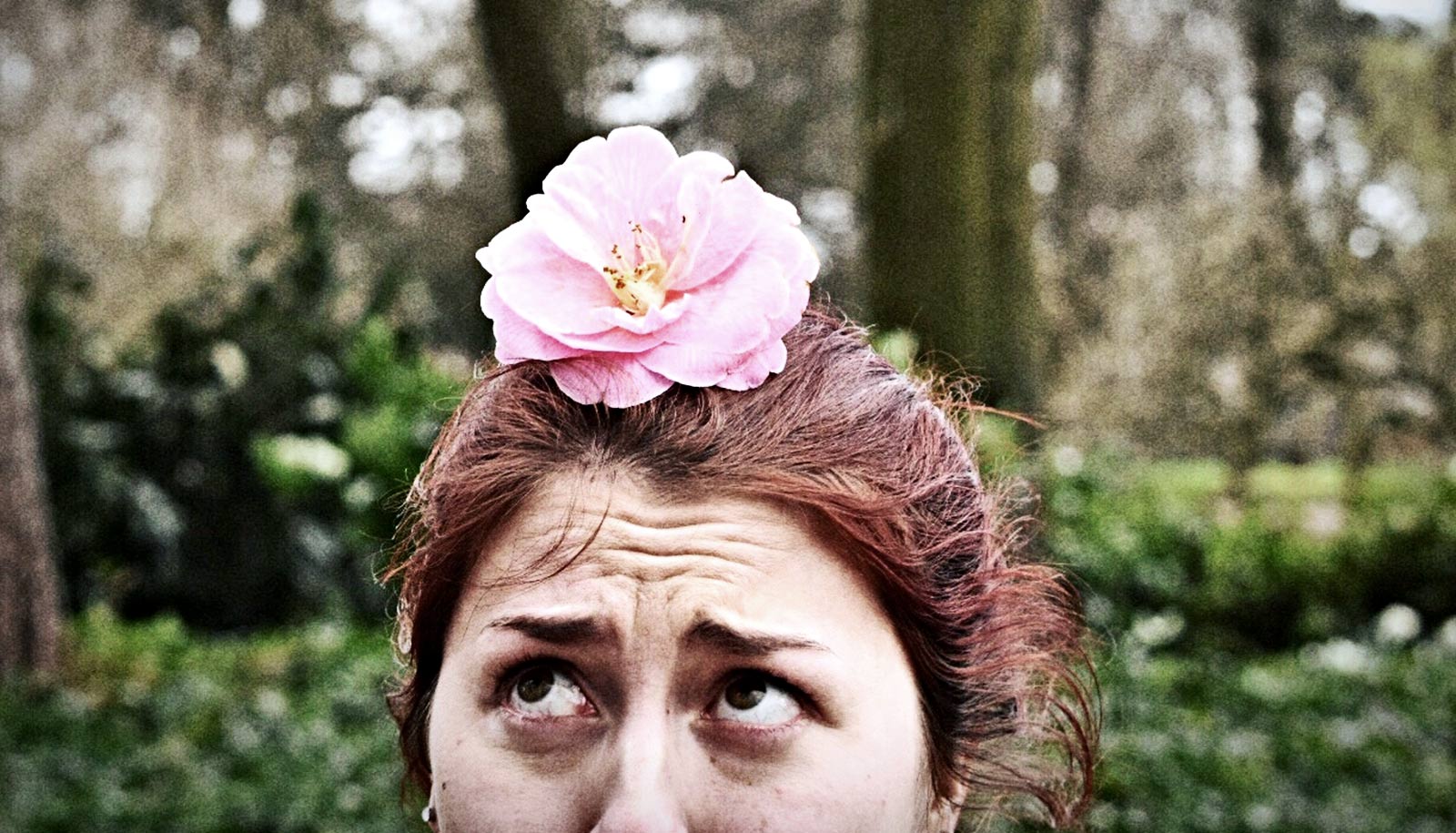
Brain’s ‘gatekeeper’ decides which details need attention
Neuroscientists know a lot about how our brains learn new things, but not much about how they choose what to focus on while they learn. Now, researchers have traced that ability to an unexpected place in the brain.
In order to learn about the world, an animal needs to do more than just pay attention to its surroundings. It also needs to learn which sights, sounds, and sensations in its environment are the most important and monitor how the importance of those details change over time. Yet how humans and other animals track those details has remained a mystery.
Scientists think they’ve figured out how animals sort through the details. A part of the brain called the paraventricular thalamus, or PVT, serves as a kind of gatekeeper, making sure that the brain identifies and tracks the most salient details of a situation. The findings appear in the journal Science.
This 3D ‘organ on a chip’ can monitor cells in real-time to develop new treatments
Researchers plan to use the device to develop a ‘gut on a chip’ and attach it to a ‘brain on a chip.’
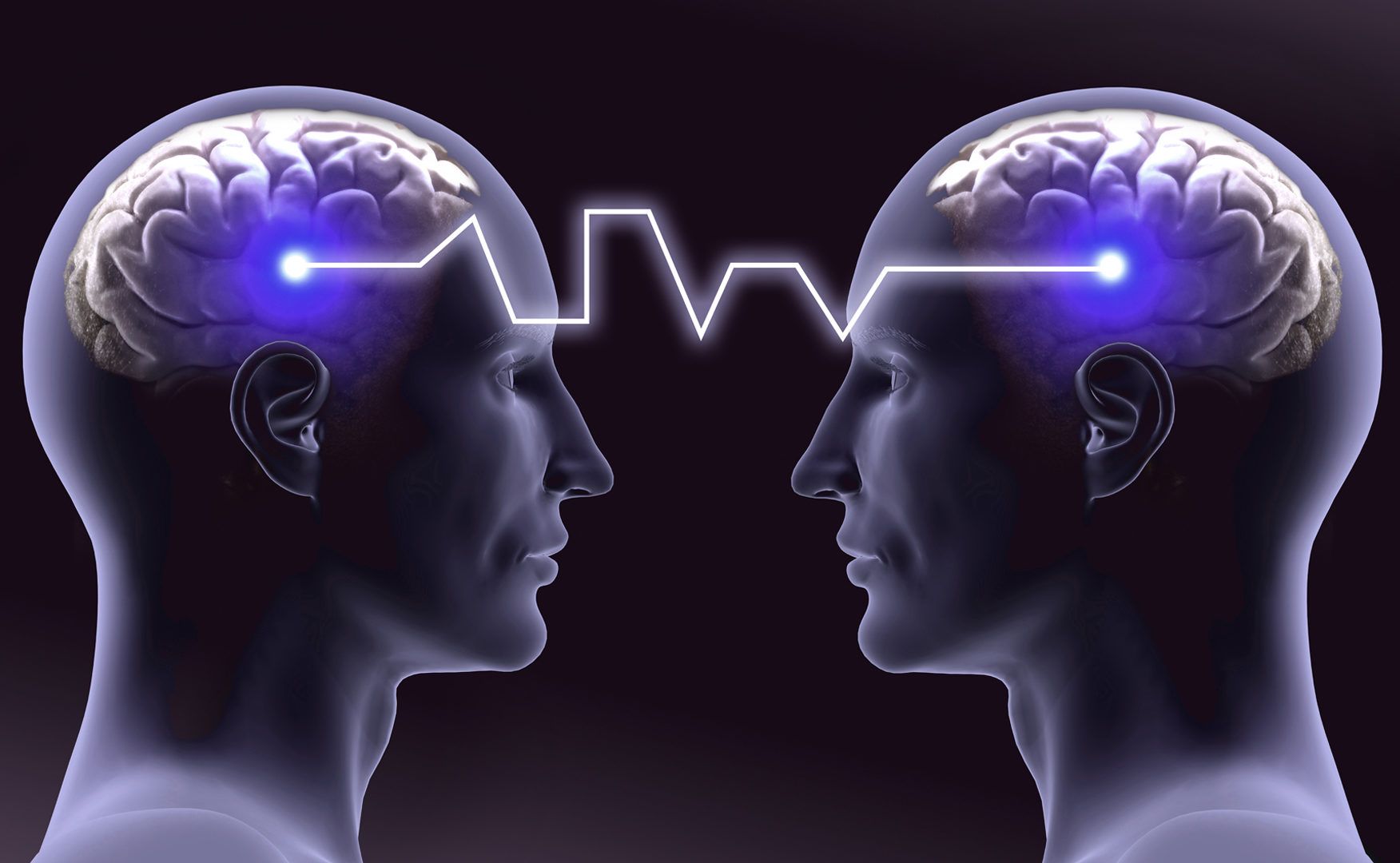
How BrainNet Enabled 3 People to Directly Transmit Thoughts
For a remarkably social species, we’re not particularly effective communicators.
Finding the right words to clearly, efficient transmit our thoughts to another consciousness—even something as simple as driving directions—can be a challenge, especially in-the-moment and under pressure.
What if we could do away with words altogether? What if, rather than relying on an intermediary, we could directly transmit our thoughts through a digital, internet-like space into another mind?


Zero Gravity Causes Worrisome Changes In Astronauts’ Brains
It might just be a weird quirk of microgravity.
One more challenge to surviving in outer space.
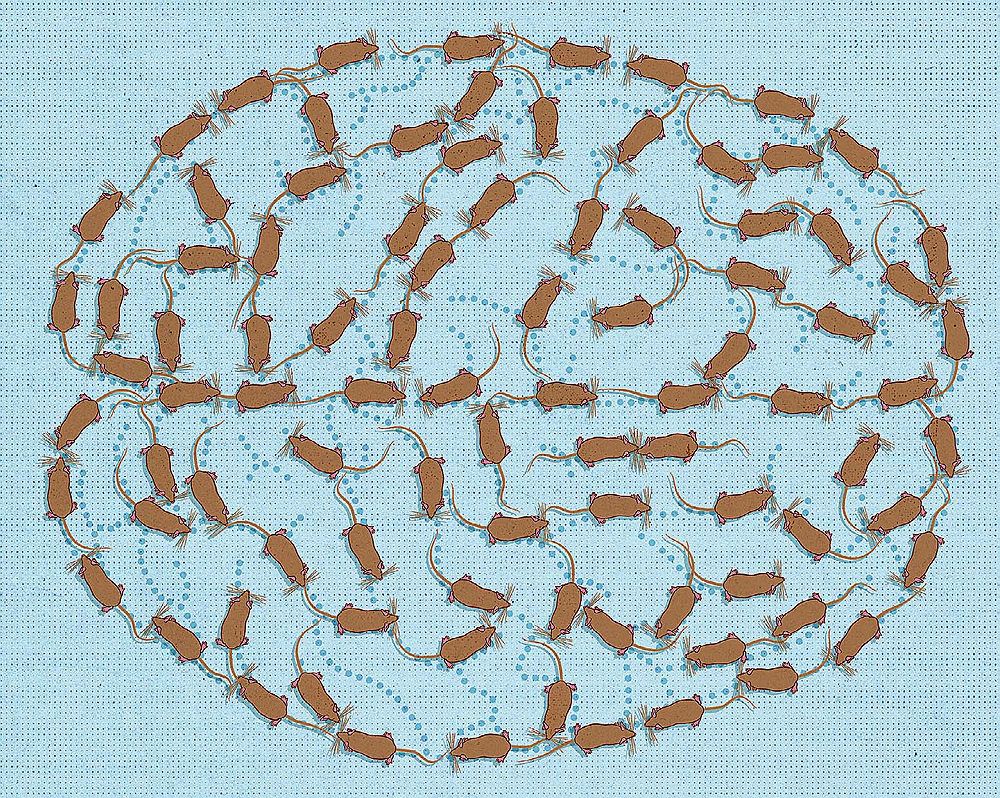
A Language of Behavior?
Sandeep Datta says the brain composes behavior from pre-existing “syllables.”
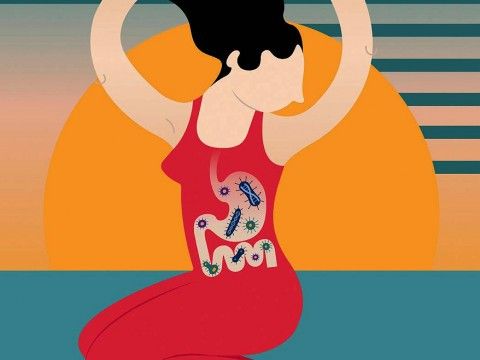
Illustration by Chiara Zarmati/Salzman Art
The ‘Best Illusion of the Year’ Will Make You Mistrust Your Brain
Every year, various members of the illusion community—which is made up of scientists, neurologists, researchers, and even artists—get together to decide which of their recently created mind-melters deserves the honor of Best Illusion of the Year. This year, Japan’s Kokichi Sugihara claimed the top prize with a deceptively simple illusion that plays with how our mind perceives 3D objects.
This isn’t the first time Kokichi Sugihara, a mathematician at Meiji University in Japan, has won the Best Illusion of the Year honor. Nor is it the first time his fantastic illusions have shown up on Gizmodo. Triply Ambiguous Object, his latest award-winning creation, appears to be a simple 3D structure, with a tiny flag mounted on one of its many corners.
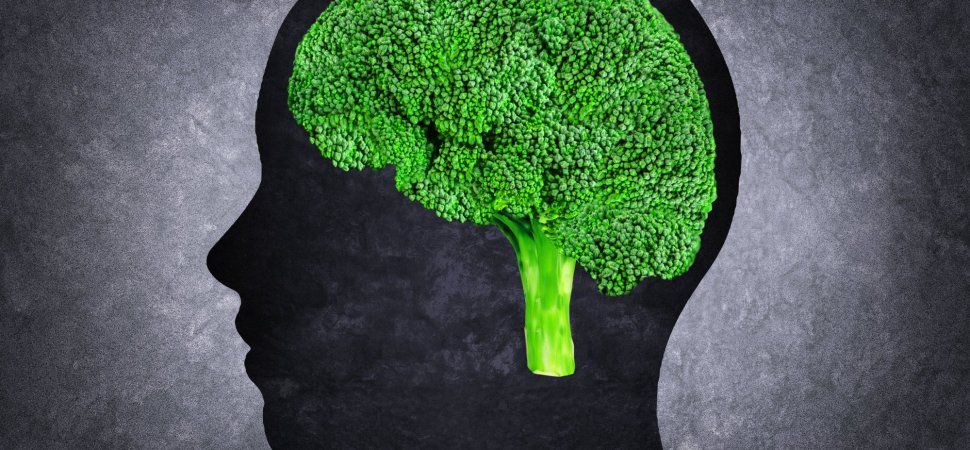
The Best 3 Plants for Keeping Your Brain Young, According to Science
They pack a powerful health wallop, but they’re tasty, too.