Toggle light / dark theme

First 3D-Printed Drug Ushers in Era of Downloadable Medicine — Singularity HUB

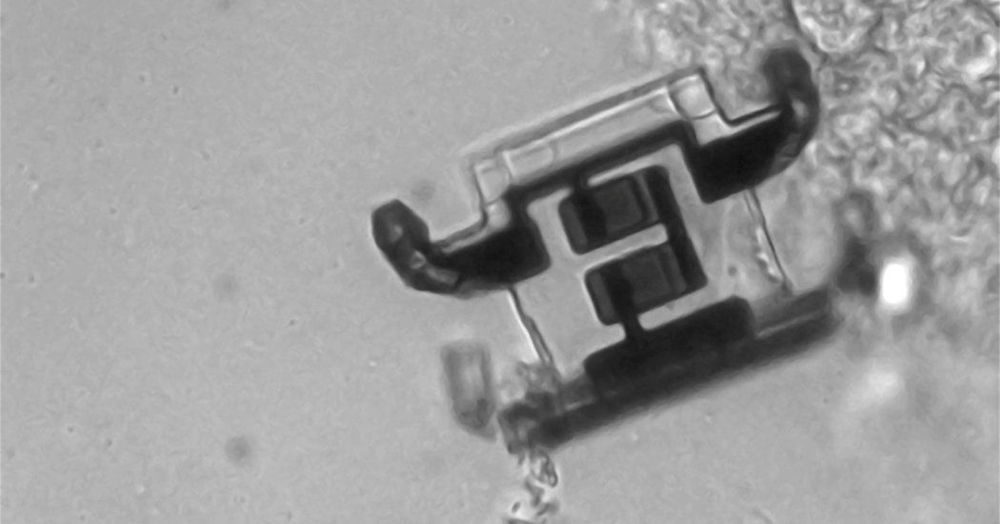
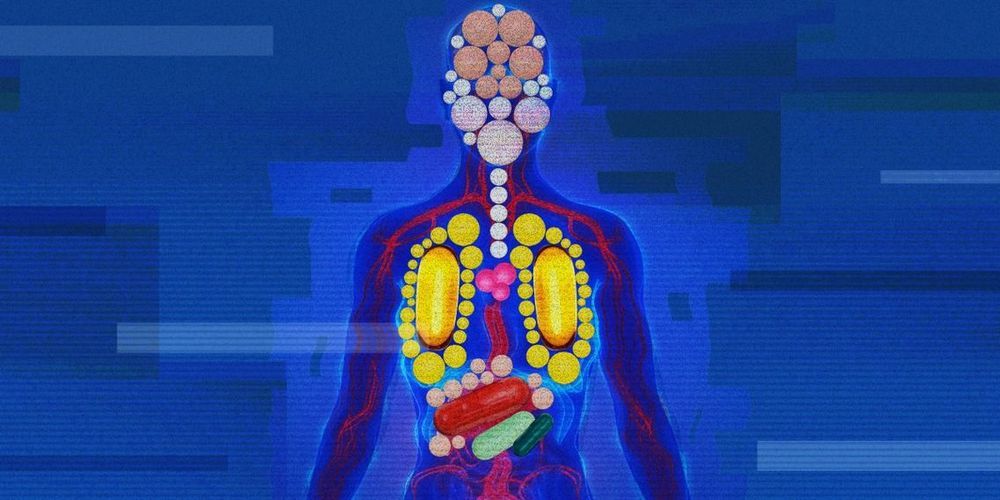
Last week, the FDA approved the first 3D-printed prescription drug, essentially validating the technology as a new heavyweight player in big pharma. “This may be the first truly mass manufactured product made by 3D printing,” said Dr. Michael Cima, a professor at MIT who helped invent the pill-printing technology back in 1997, in an email to Singularity Hub. “It’s revolutionary.”

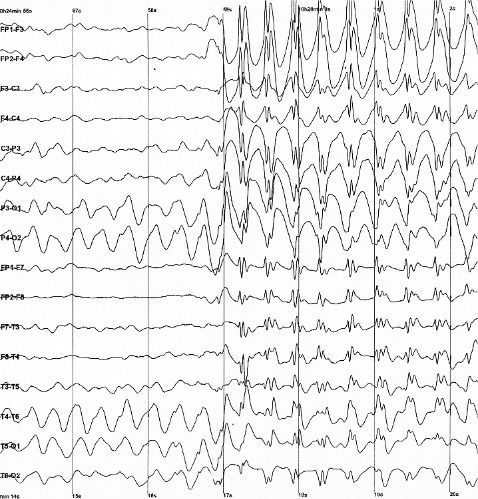
The printed pill, SPRITAM levetiracetam, is a drug that fights many kinds of epileptic seizures. The brainchild of a little-known Ohio-based company Aprecia, SPRITAM is essentially an old drug ingredient packaged into a brand new, more effective delivery system. Unlike current formulations of the same drug, SPRITAM immediately dissolves upon contact with water and bursts into effect — a property obviously beneficial when trying to curtail sudden-onset seizure episodes.

Read more

Report: Human Age Reversal Research

“A protein found in the blood of young animals called GDF-11 is inducing systemic rejuvenation effects on bone, muscle, heart, blood vessels, and brains of older animals.

“GDF” stands for growth differentiating factor. It functions to turn “on” senescent stem cells, which results in a restoration of youthful structure and function to senile tissues. This same protein (GDF-11) is found in young humans as well as animals.

Harvard, Stanford, and other universities are conducting remarkable studies showing age reversal in animal models. Researchers from these centers of medical innovation are optimistic that this approach might be applicable to humans.”


Reversing aging may be humanly possible. It may also be closer than you think.

Read more

Universal plaque-busting drug could treat various brain diseases — New Scientist

A universal therapy that targets mis-folded proteins is a very significant step forward if clinical trials in humans translate from animals. Obviously there is more work to be done but it this is the kind of technology we need in order to intervene against biological aging.

It is not hard to see that a therapy like this followed up by another that regenerates the brain eg, the Conboy Lab work by promoting neurogenesis could be a way to repair and restore the brain to healthy function.


A drug that breaks up different types of brain plaque shows promising results in animals and could prevent Alzheimer’s and Parkinson’s disease.

Read more

Brain-to-brain communication has arrived. How we did it

You may remember neuroscientist Miguel Nicolelis — he built the brain-controlled exoskeleton that allowed a paralyzed man to kick the first ball of the 2014 World Cup. What’s he working on now? Building ways for two minds (rats and monkeys, for now) to send messages brain to brain. Watch to the end for an experiment that, as he says, will go to “the limit of your imagination.”

Read more

How to create a genius mouse

The left-brain hemisphere of a normal mouse shows the normal level and cellular distribution of the Pax6 gene expression in the developing neocortex. The right-brain hemisphere shows a sustained, primate-like Pax6 expression pattern in the neocortex of a double transgenic mouse embryo. These animals have more Pax6-positive progenitor cells and a higher Pax6 expression level in the germinal layer close to the ventricle in the right hemisphere. (credit: © MPI of Molecular Cell Biology & Genetics)

Researchers at the Max Planck Institute of Molecular Cell Biology and Genetics have created a transgenic mouse in which a gene called Pax6, during embryonic development, is highly expressed in a specific group of brain cortical cells called neural progenitor stem cells (the cells that generate all cells that make up the brain).

The resulting mouse brain generated more neurons than normal and exhibited primate-like features — notably those in the top layer, a characteristic feature of an expanded neocortex.

Mouse basal progenitors, in contrast to human, do not express Pax6. In humans, basal progenitors can undergo multiple rounds of cell division, thereby substantially increasing neuron number and ultimately the size of the neocortex.

Read more

/* */